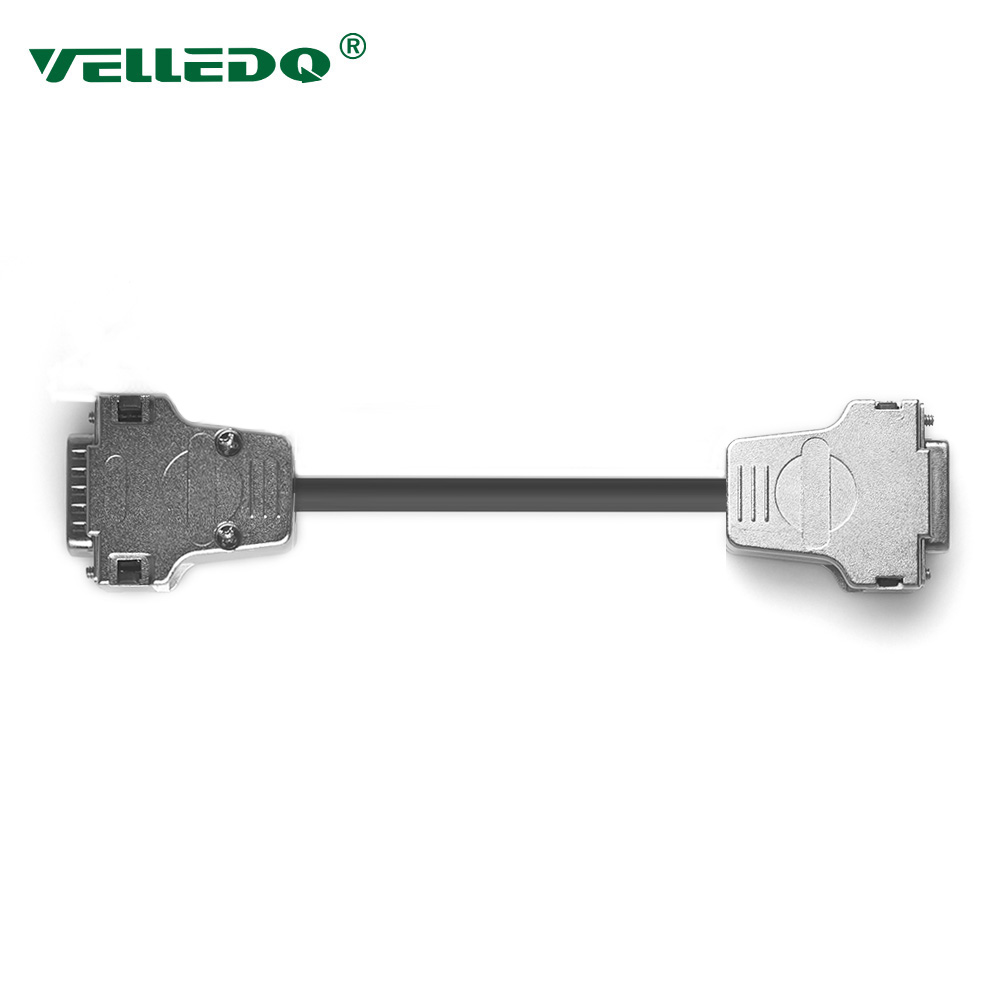
In the rapidly evolving world of electronics, accurate and precise measurements are critical to ensure the performance and reliability of electronic devices and systems. Electronic test and measurement instruments play a vital role in this domain, enabling engineers, technicians, and researchers to evaluate and analyze various electronic parameters. These instruments come in a wide range of types and functionalities, each tailored to specific measurement tasks. One common feature found in many test and measurement instruments is the utilization of 15 pin D Sub cable, which provide a reliable and versatile means of connecting various signal paths.
1. The Importance of Test and Measurement Instruments in Electronics:
Electronic test and measurement instruments are indispensable tools used throughout the entire lifecycle of an electronic device, from research and development to production and maintenance. They provide engineers with the ability to verify and validate designs, troubleshoot issues, and ensure compliance with industry standards. Without accurate and reliable measurements, it would be challenging to identify and address performance, quality, and safety concerns in electronic systems.
Test and measurement instruments encompass a broad range of devices, including oscilloscopes, multimeters, function generators, spectrum analyzers, logic analyzers, network analyzers, power supplies, and more. Each instrument serves a specific purpose and is designed to measure particular electronic parameters such as voltage, current, frequency, time, phase, and impedance.
2. Types of Electronic Test and Measurement Instruments:
- Oscilloscopes: Oscilloscopes are one of the most fundamental tools used in electronics. They display electrical waveforms, enabling engineers to visualize signals and troubleshoot circuit behavior. Oscilloscopes come in both analog and digital variants, with digital oscilloscopes becoming more prevalent due to their advanced features and capabilities.
- Multimeters: Multimeters are versatile handheld devices used to measure voltage, current, resistance, and often additional parameters like capacitance, frequency, and temperature. They are widely used for both simple and complex measurements.
- Function Generators: Function generators are essential for generating various types of waveforms, including sine, square, triangle, and arbitrary waveforms. They are invaluable in testing and simulating electronic circuits and systems.
- Spectrum Analyzers: Spectrum analyzers measure and display frequency domain characteristics of signals. They help identify signal components, noise, and interference, making them crucial for communication systems and RF applications.
- Logic Analyzers: Logic analyzers are specialized tools used to analyze and debug digital circuits and systems. They capture and display digital waveforms and help engineers identify timing and logic issues.
- Network Analyzers: Network analyzers are essential for characterizing the performance of RF components and networks. They measure parameters such as insertion loss, return loss, and phase, critical for antenna design and wireless communication.
- Power Supplies: Power supplies provide stable and controlled DC voltage or current to electronic devices during testing and prototyping. They come in various types, including linear and switched-mode power supplies.
- Signal Generators: Signal generators produce precise electrical signals of different frequencies and amplitudes, essential for testing and calibrating electronic systems.

3. Specific Application
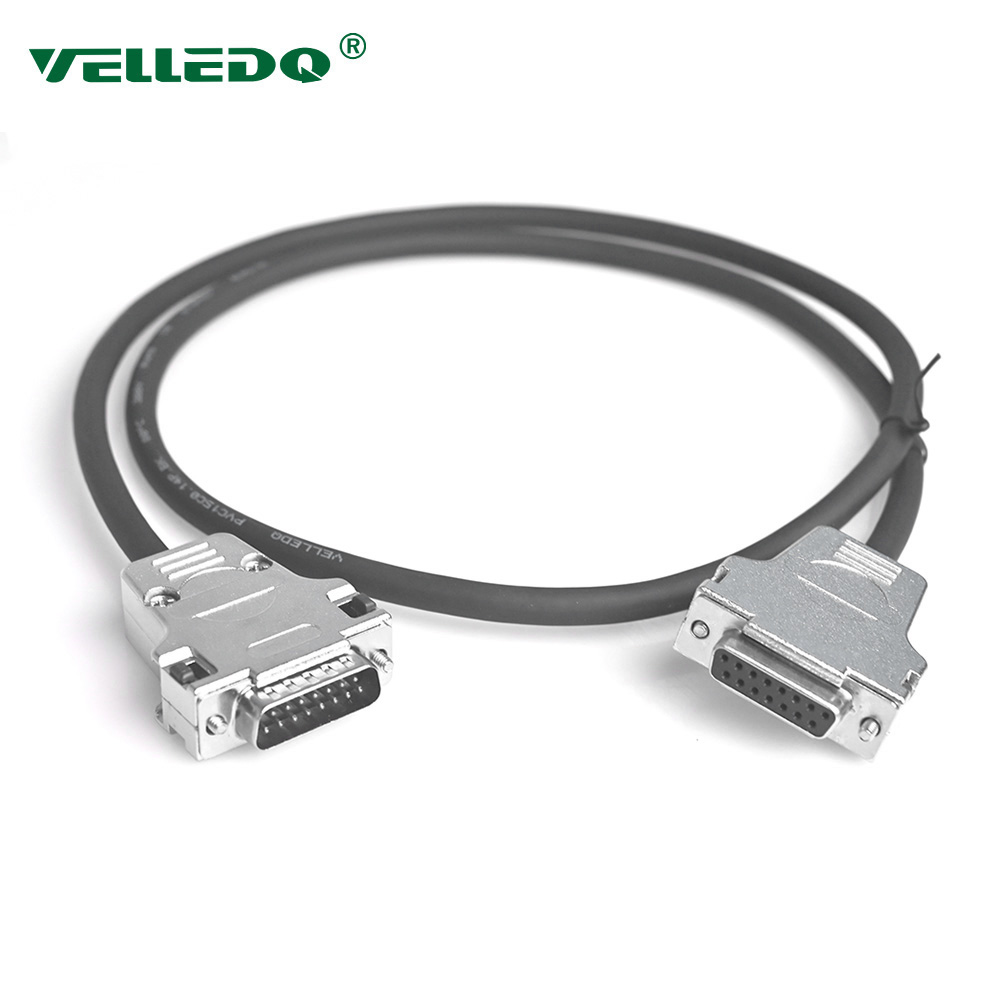
15 pin D Sub cable are a widely used type of electrical connector in electronic test and measurement instruments. They are named after their D-shaped metal shield, which provides mechanical support and ensures proper alignment during mating. 15 pin D Sub cable have been in use since the 1950s and have evolved to support various signal configurations. The following are some specific applications of 15 pin D Sub cable in electronic test and measurement instruments:
Signal Transmission: 15 pin D Sub cable are commonly used for transmitting analog and digital signals between test and measurement instruments and the devices under test (DUT). They provide reliable connections for oscilloscope probes, function generator outputs, and other signal sources.
Serial Communication Interfaces: 15 pin D Sub cable are widely employed in serial communication interfaces.
These interfaces are utilized for data exchange and control between test instruments and the devices they are testing or communicating with.
Data Acquisition and Control: Many test and measurement instruments utilize 15 pin D Sub cable for data acquisition and control purposes. These connectors enable the connection of external sensors, switches, and actuators, allowing engineers to monitor and interact with the DUT in real-time.
Trigger and Synchronization: In complex test setups involving multiple instruments, synchronization and trigger signals are crucial for capturing accurate measurements simultaneously. 15 pin D Sub cable facilitate these connections, ensuring precise timing and synchronization between instruments.
Modularity and Expandability: 15 pin D Sub cable are often used to create modular and expandable systems. Instruments designed with multiple D-Sub connector ports allow users to customize their setups by adding or removing modules and expanding the capabilities of their test systems.
Protection and Shielding: 15 pin D Sub cable are available in various configurations, including standard, high-density, and filtered versions. The filtered 15 pin D Sub cable are particularly useful in reducing electromagnetic interference (EMI) and radio frequency interference (RFI) in sensitive measurement environments.
High-Reliability Applications: 15 pin D Sub cable are chosen for applications requiring high reliability and robustness, such as aerospace, defense, and industrial environments. Their solid mechanical design and secure locking mechanisms ensure stable connections even in demanding conditions.
4. Customization and Adaptability:
One of the key advantages of 15 pin D Sub cable in electronic test and measurement instruments is their adaptability and flexibility. Test and measurement setups often require custom configurations to meet specific project requirements. 15 pin D Sub cable facilitate this need for customization by allowing engineers to design and assemble bespoke cable assemblies and adapter cables. This level of flexibility enables seamless integration of instruments and ensures compatibility between various devices.
Moreover, 15 pin D Sub cable come in different pin configurations, ranging from 9-pin to 50-pin variants. This versatility allows engineers to choose the appropriate connector size based on the number of signals and interfaces required for a particular measurement task. The standardization of 15 pin D Sub cable ensures easy interchangeability and broad compatibility across different instruments and applications.

5. Instrument Front and Rear Panel Connections:
In electronic test and measurement instruments, 15 pin D Sub cable are commonly used for both front panel and rear panel connections. On the front panel, 15 pin D Sub cable provide easy access to frequently used input and output ports, such as trigger inputs, signal outputs, and probe connections. This accessibility allows engineers to quickly connect and disconnect test probes and measurement accessories without the need for complex setups.
On the other hand, 15 pin D Sub cable located on the rear panel of test instruments offer a cleaner and more organized workspace. Rear-panel connectors facilitate cable management, ensuring that numerous signal connections remain organized and out of the way during testing and measurement activities. This design consideration is particularly important for instruments with a limited front-panel real estate, such as portable handheld devices and compact benchtop units.
6. Calibration and Test Fixture Connections:
Calibration is a critical process in ensuring the accuracy and reliability of electronic test and measurement instruments. D-Sub connectors play a significant role in the calibration process by providing precise and repeatable connections for calibration standards and test fixtures.
When calibrating an instrument, engineers often use calibration standards with known characteristics, and these standards are connected to the instrument via 15 pin D Sub cable to perform accurate calibrations.
Furthermore, when testing and validating electronic components or systems with dedicated test fixtures, 15 pin D Sub cable serve as the interface between the fixture and the test instrument. This standardized interface ensures seamless and reliable connections between the fixture and the instrument, enabling consistent and repeatable measurements.
7. Future Trends and Advancements:
As technology continues to evolve, electronic test and measurement instruments will witness several trends and advancements. These developments will inevitably influence the use and integration of 15 pin D Sub cable in these instruments.
One significant trend is the increasing demand for higher data rates and bandwidth in electronic communication systems. To meet these demands, test and measurement instruments will require more advanced connectors capable of handling high-speed signals. Although 15 pin D Sub cable have been widely used for various applications, they may face challenges in supporting extremely high data rates due to their inherent design limitations. In such cases, alternative connectors like high-speed serial connectors (e.g., USB, HDMI, Thunderbolt) may become more prevalent for specific applications.
Additionally, the ongoing miniaturization and integration of electronic components may lead to the development of smaller test and measurement instruments. While 15 pin D Sub cable have been reliable and robust connectors, they occupy a considerable amount of space, which could be a limitation in compact and portable instruments. In response to this trend, manufacturers may explore other compact connector options while maintaining the required performance and reliability.
Conclusion:
Electronic test and measurement instruments are essential for ensuring the performance, quality, and safety of electronic devices and systems. They provide engineers and technicians with the necessary tools to evaluate, troubleshoot, and verify various electronic parameters accurately. 15 pin D Sub cable play a significant role in these instruments, providing a reliable and versatile means of connecting different signal paths. Their usage spans across various applications, including signal transmission, serial communication, data acquisition, synchronization, and modularity. As technology continues to advance, electronic test and measurement instruments, along with the versatile 15 pin D Sub cable, will remain indispensable in the electronics industry, enabling further innovation and progress in electronic design and development.