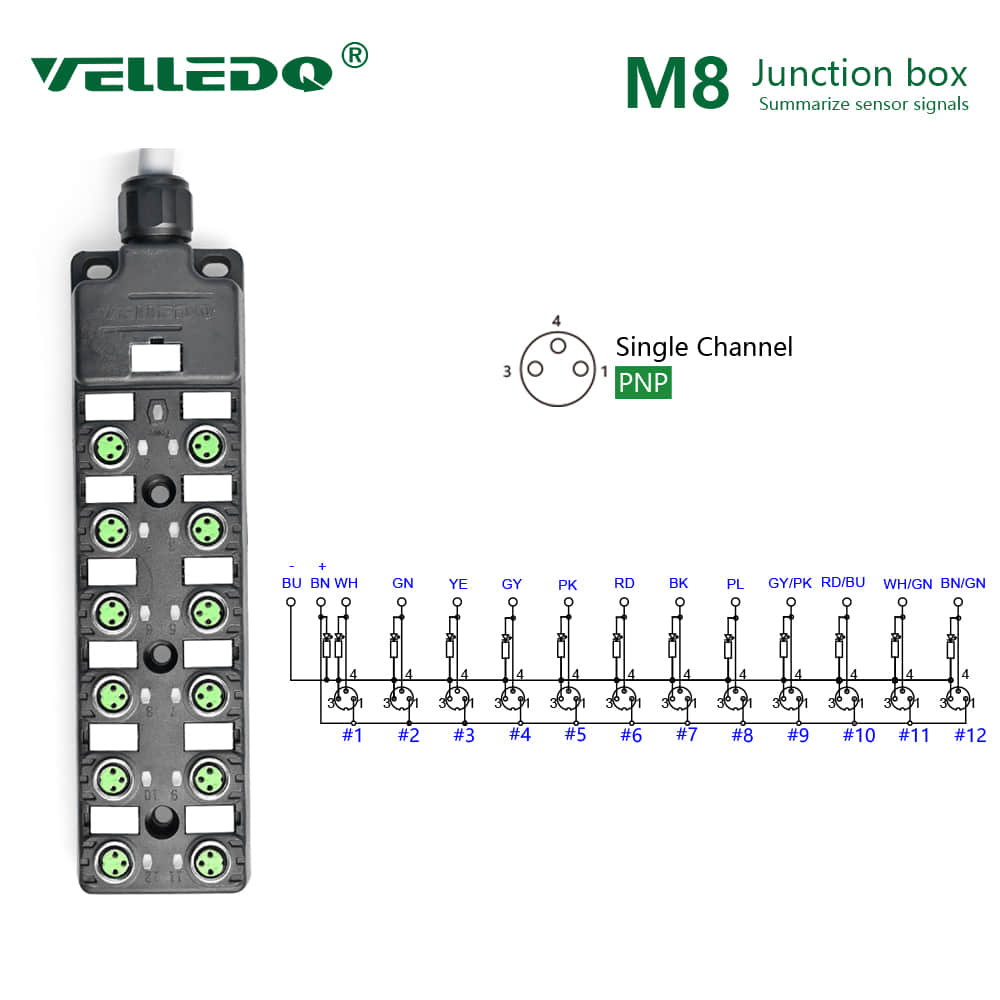
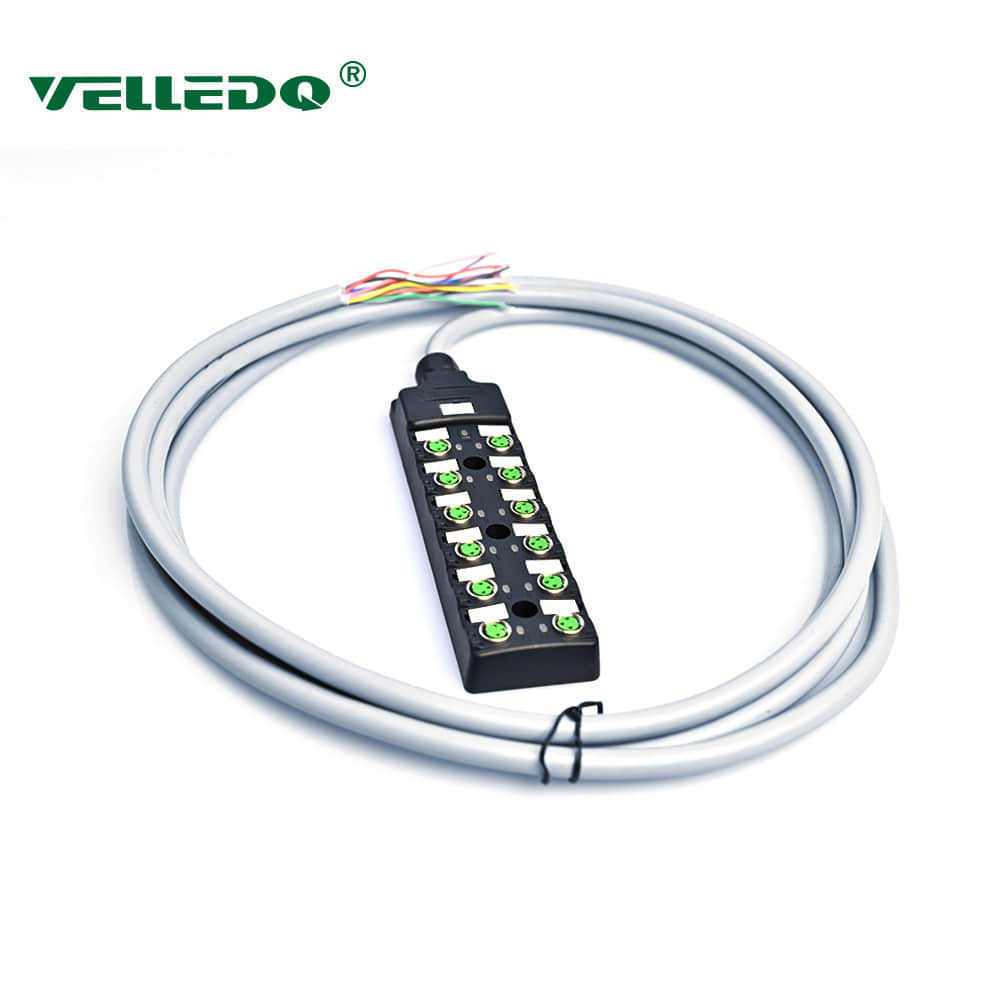

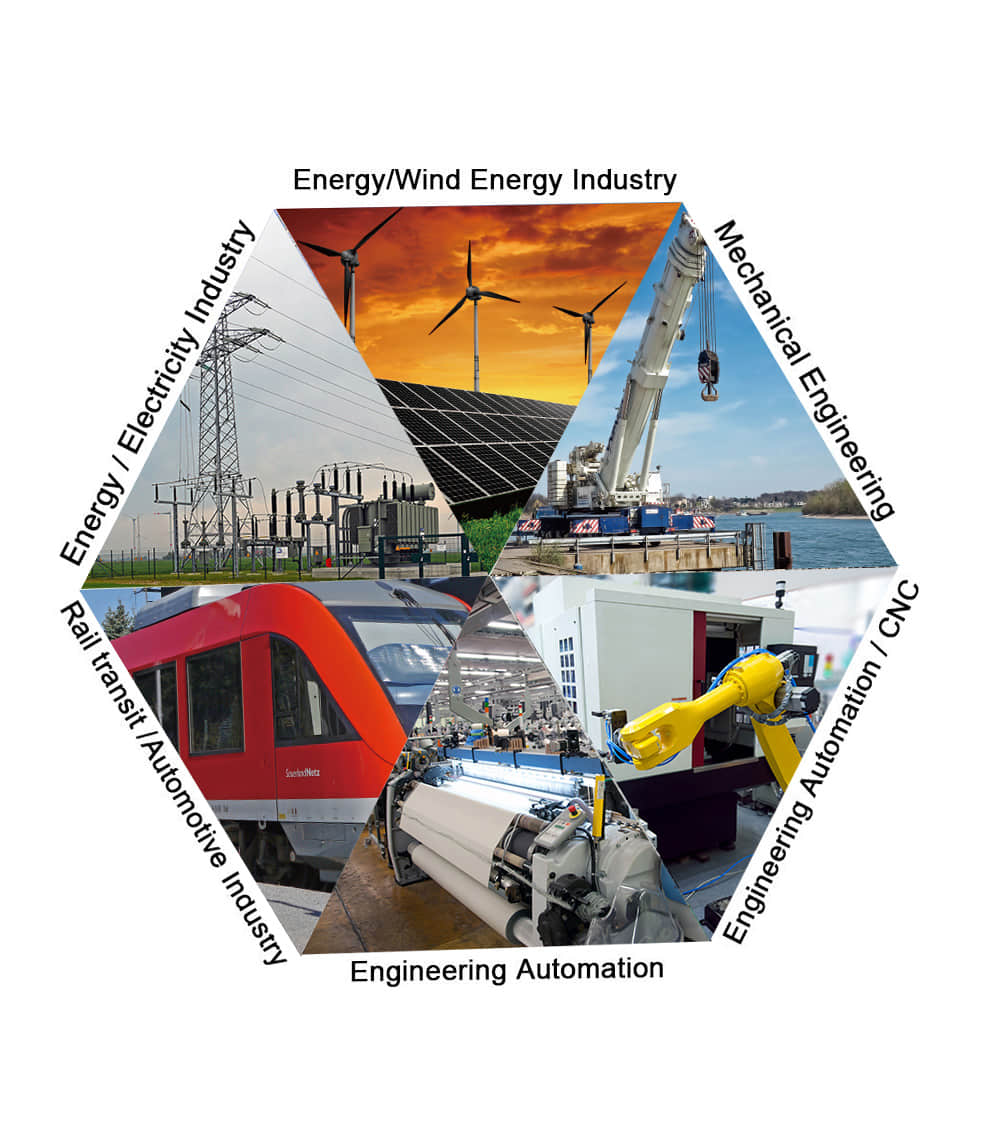
In the world of industrial automation, junction boxes are key components that streamline processes, optimize efficiency, and enhance productivity. By providing centralized and organized platforms for electrical connections, junction boxes enable the automation of various production tasks.In the construction machinery industry, electrical junction boxes play a crucial role in facilitating safe and efficient electrical connections. These protective enclosures offer a range of advantages that contribute to the smooth operation of construction machinery.
I. Simplified Wiring and Maintenance
Electrical junction boxes simplify the wiring process in construction machinery, ensuring organized and efficient electrical connections. With multiple components and systems requiring electrical power, junction boxes provide a centralized hub for connecting wires, cables, and terminals. This centralized approach reduces cable clutter, making it easier to identify and trace connections during installation, maintenance, and troubleshooting.
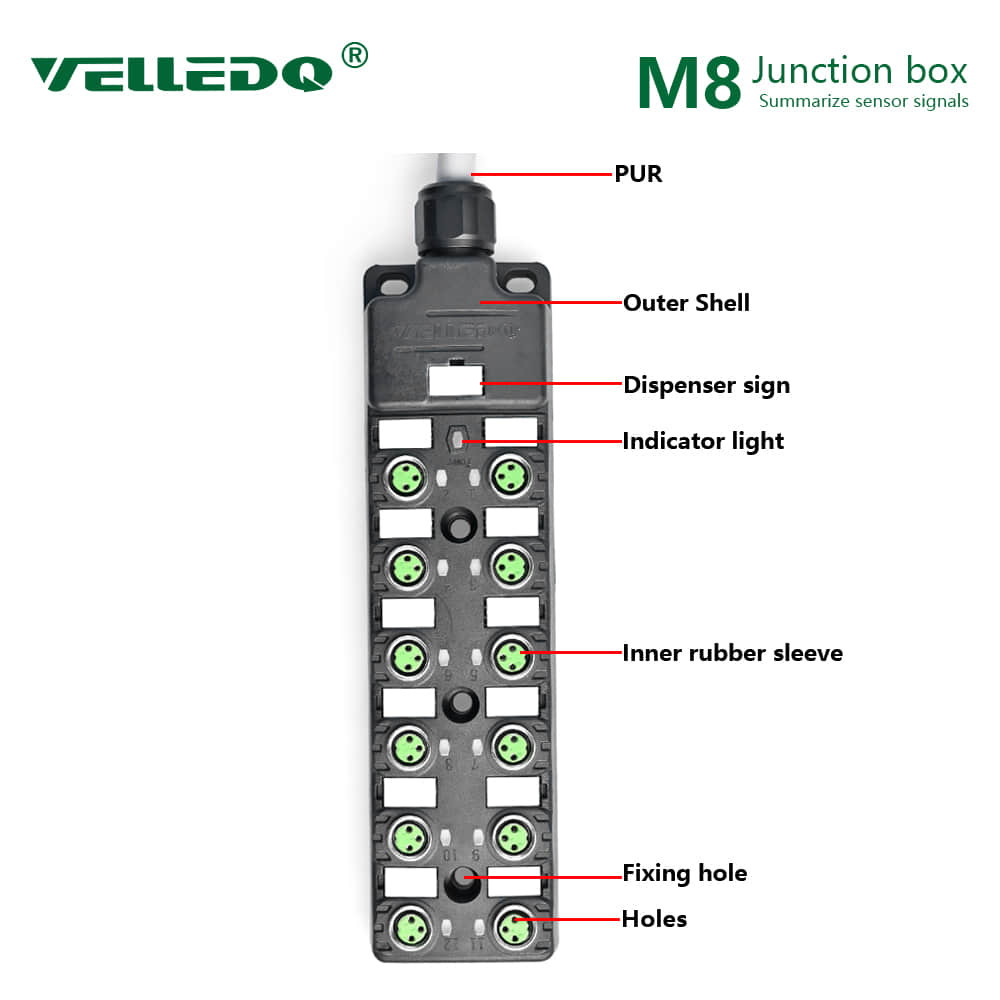
By streamlining the wiring process, electrical junction boxes enhance maintenance procedures. Accessing and maintaining electrical connections becomes more manageable, minimizing downtime during repairs and increasing overall operational efficiency. Technicians can quickly locate and address any electrical issues, resulting in faster troubleshooting and reduced interruptions to construction projects.
II. Enhanced Safety and Protection
Safety is paramount in the construction machinery industry, and electrical junction boxes contribute to maintaining a secure working environment. These boxes offer a protective enclosure for electrical connections, shielding them from potential hazards such as dust, moisture, and physical damage. This protection minimizes the risk of electrical malfunctions, short circuits, and electrical shocks.
Moreover, electrical junction boxes often feature safety features such as flame-retardant properties and explosion-proof designs. These features provide an additional layer of protection against fire hazards and other potential accidents on construction sites. By ensuring compliance with safety regulations and standards, electrical junction boxes help mitigate risks and promote the well-being of construction personnel.
III. Flexibility and Adaptability
Construction projects often involve dynamic requirements, requiring flexibility and adaptability in electrical systems. Electrical junction boxes offer the advantage of scalability and future-proofing. These boxes can accommodate additional components or system upgrades without the need for extensive rewiring, minimizing disruptions to construction projects.
As construction machinery evolves and new technologies emerge, electrical junction boxes enable easy integration of advanced features. They facilitate the incorporation of smart technologies, remote monitoring capabilities, and predictive maintenance systems. This adaptability ensures that construction machinery remains efficient and up-to-date, maximizing productivity and staying ahead of industry trends.
The Power of Industrial Automation
- Definition and Advantages Industrial automation involves the utilization of advanced technology, machinery, and control systems to automate manufacturing processes. This approach enhances efficiency, accuracy, and productivity, resulting in cost savings, improved product quality, and faster time-to-market.
- Key Components of Industrial Automation a) Programmable Logic Controllers (PLCs): These electronic devices control and monitor industrial processes, ensuring precise task execution. b) Sensors and Actuators: Sensors detect changes, while actuators execute commands based on sensor input. c) Human-Machine Interfaces (HMIs): HMIs enable operators to interact with and monitor automated systems, providing a user-friendly interface.
The Role of Junction Boxes in Industrial Automation
- Centralized Electrical Connections Junction boxes serve as centralized hubs for Electrical Junction Box within automated production environments. These robust enclosures provide secure and organized platforms for housing and connecting various electrical components, including sensors, actuators, programmable logic controllers, and power supplies. By centralizing connections, junction boxes simplify wiring and maintenance tasks, reduce cable clutter, and enhance system reliability.
- Enhanced Flexibility and Scalability Junction boxes offer flexibility to adapt and scale automation systems as production requirements change. With the ability to add or remove components easily, Electrical Junction Box facilitate system upgrades, expansions, and modifications without extensive rewiring. This flexibility enables manufacturers to respond swiftly to market demands, optimize production efficiency, and embrace evolving technologies.
- Improved Safety and Maintenance Electrical Junction Box play a crucial role in ensuring the safety of automated systems and maintenance personnel. These enclosures provide protective environments for electrical connections, shielding them from environmental factors such as dust, moisture, and vibrations. Additionally, junction boxes simplify maintenance tasks by allowing easy access to wiring and components, reducing downtime during troubleshooting and repairs.
- Streamlined Cable Management Efficient cable management is vital in industrial automation to maintain a neat and organized production environment. Electrical Junction Box provide dedicated spaces for cable routing and management, preventing tangles, reducing wear and tear, and facilitating easy identification and replacement of cables when necessary. Proper cable management minimizes the risk of cable-related failures, enhances system reliability, and simplifies maintenance procedures.
Benefits of Adding Junction Boxes to Industrial Automation
- Increased Efficiency and Productivity Incorporating junction boxes in industrial automation optimizes production efficiency by reducing the time and effort required for wiring and maintenance. By streamlining electrical connections and minimizing cable clutter, junction boxes enable faster installation, commissioning, and troubleshooting, resulting in improved productivity and reduced production downtime.
- Enhanced System Reliability Junction boxes provide protective environments for electrical connections, safeguarding them from potential hazards such as moisture, dust, and physical damage. This protection ensures the reliable operation of automated systems, minimizing the risk of electrical faults and system failures. By maintaining a stable and secure electrical infrastructure, Electrical Junction Box contribute to uninterrupted production and consistent product quality.
- Simplified Troubleshooting and Maintenance Junction boxes simplify troubleshooting and maintenance procedures in the event of system malfunctions or maintenance requirements. Their organized wiring layout and easy access to components enable technicians to quickly identify and rectify issues, reducing the time and effort required for repairs. This swift resolution of problems minimizes production disruptions and ensures smooth operations.
- Scalability and Future-proofing Industrial automation systems often undergo modifications and expansions as production needs evolve. Electrical Junction Box facilitate scalability by accommodating additional components or system upgrades without extensive rewiring. This future-proofing capability allows manufacturers to adapt to changing market demands and embrace emerging technologies, ensuring long-term operational efficiency.
Real-World Applications of Electrical Junction Box in Industrial Automation
- Automotive Manufacturing Junction boxes find extensive use in automotive assembly lines, where precise automation is crucial. They provide the necessary electrical connections for controlling robotic arms, conveyor systems, and quality control devices. Junction boxes ensure reliable power distribution, sensor integration, and actuator control, enabling efficient production of vehicles with high precision and consistency.
- Food and Beverage Processing In the food and beverage industry, junction boxes automate processes such as sorting, packaging, and labeling. By centralizing electrical connections for conveyor belts, sensors, and processing equipment, junction boxes facilitate seamless integration, reduce manual intervention, and ensure compliance with strict hygiene standards.
- Pharmaceutical Production Electrical Junction Box play a vital role in pharmaceutical manufacturing, where precise automation and stringent quality control are essential. They enable the connection of sensors, actuators, and monitoring devices, ensuring accurate dosage control, product tracking, and compliance with regulatory requirements. Junction boxes contribute to the efficient production of pharmaceutical products with high reliability and safety standards.
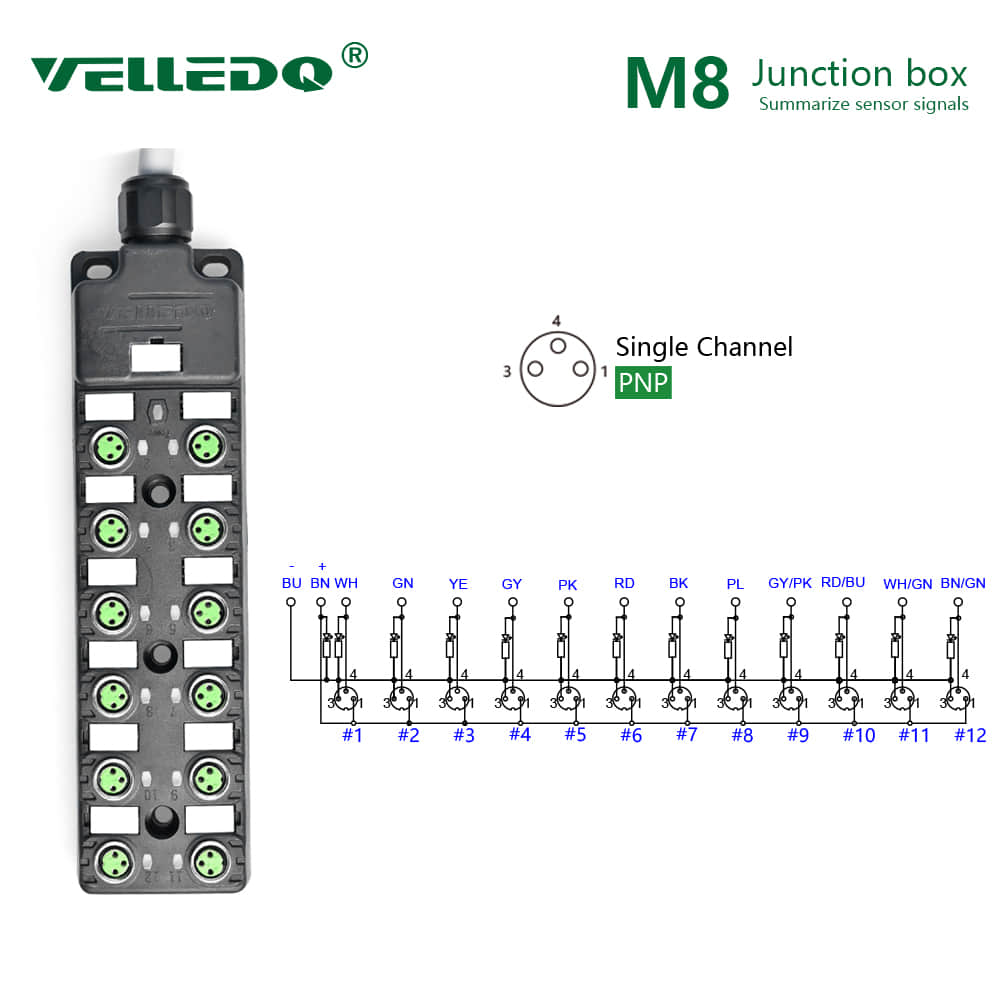
IV. Integration of Advanced Technologies
The role of electrical junction boxes in industrial automation extends beyond providing centralized electrical connections. They also facilitate the integration of advanced technologies that further enhance operational capabilities. With the advent of Industry 4.0 and the Internet of Things (IoT), automation systems are becoming increasingly interconnected and intelligent.
Electrical junction boxes serve as key interfaces for integrating smart technologies into the industrial automation ecosystem. They enable the seamless connection of sensors, actuators, and control devices, allowing real-time data collection, analysis, and decision-making. By incorporating smart features, such as wireless communication capabilities and data exchange protocols, junction boxes enable enhanced monitoring, remote control, and predictive maintenance.
V. Environmental Monitoring and Sustainability
In today’s industrial landscape, environmental monitoring and sustainability have become increasingly important. Electrical junction boxes play a vital role in enabling green initiatives within industrial automation processes.
They facilitate the integration of environmental monitoring sensors that measure parameters such as temperature, humidity, and air quality.
By monitoring environmental conditions, junction boxes help ensure optimal working conditions for both machinery and personnel. They enable the implementation of energy-saving measures, such as adaptive lighting and HVAC systems, based on real-time data. Additionally, junction boxes contribute to the efficient use of resources by enabling the monitoring and control of water usage, waste management systems, and renewable energy sources.
Furthermore, electrical junction boxes support sustainability efforts by facilitating the integration of energy recovery systems and regenerative braking in automated machinery. These systems capture and convert energy that would otherwise be wasted, resulting in reduced energy consumption and lower carbon footprints.
VI. Integration with Cloud Computing and Edge Computing
The integration of electrical junction boxes with cloud computing and edge computing platforms further enhances the capabilities of industrial automation systems. Cloud computing enables the storage, processing, and analysis of vast amounts of data in remote servers, providing scalable computing power and data accessibility.
Electrical junction boxes can be equipped with communication modules that enable seamless connectivity to cloud platforms. This integration allows for centralized data storage, advanced analytics, and remote monitoring and control of automated systems. Real-time insights and performance indicators can be accessed from anywhere, enabling data-driven decision-making, predictive maintenance, and continuous process optimization.