In today’s fast-paced and technology-driven world, reliable power supply is crucial for the smooth functioning of industries, businesses, and households. However, the increasing complexity of power distribution systems, coupled with the growing use of sensitive electronic devices, has led to an increased focus on power quality inspection. Ensuring the stability and efficiency of electrical networks is essential to prevent costly downtime, equipment damage, and potential safety hazards. This article delves into the significance of power quality inspection and explores the specific application of 7/8 cable in this critical field.
1. The Importance of Power Quality Inspection
Power quality inspection involves assessing and monitoring various electrical parameters to ensure that the supplied electrical power meets industry standards and customer requirements. It encompasses a comprehensive analysis of factors such as voltage fluctuations, harmonic distortions, frequency variations, and interruptions. Poor power quality can lead to a host of issues, including equipment malfunction, energy wastage, and even electrical fires. By conducting regular power quality inspections, industries, utilities, and service providers can identify and rectify potential problems, thus ensuring a stable and efficient electrical network.
2. Key Parameters in Power Quality Inspection
Power quality inspection involves monitoring several critical parameters to assess the health of an electrical system. Some of the key parameters include:
2.1 Voltage Fluctuations: Voltage sags, swells, and transients can damage sensitive electronic equipment. Inspecting voltage levels regularly helps identify irregularities and implement necessary corrective measures.
2.2 Harmonic Distortions: Harmonics are unwanted electrical frequencies that can cause overheating in transformers and motors, leading to efficiency loss and premature equipment failure. Monitoring harmonic distortions is crucial to maintaining power quality.
2.3 Frequency Variations: Unstable or varying power frequency can adversely impact equipment performance. Frequency stability is vital for the proper functioning of clocks, motors, and other time-sensitive devices.
2.4 Transient Response: Power quality inspections also focus on transient events, such as lightning strikes or sudden load changes. These transient responses can disrupt power supply and damage equipment if not adequately addressed.
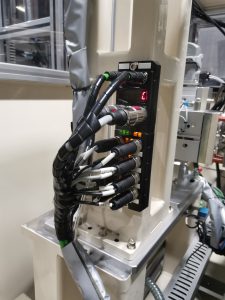
3.Specific Applications of 7/8 Cable in Power Quality Inspection
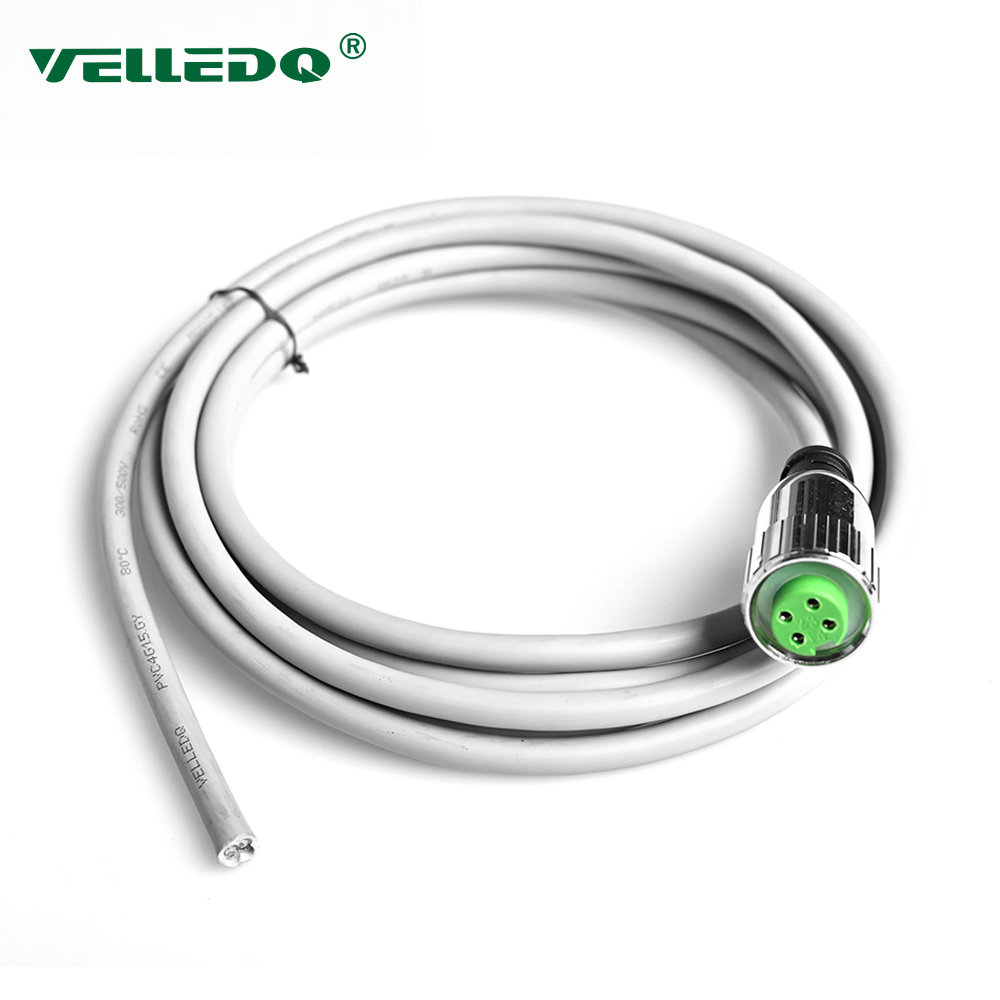
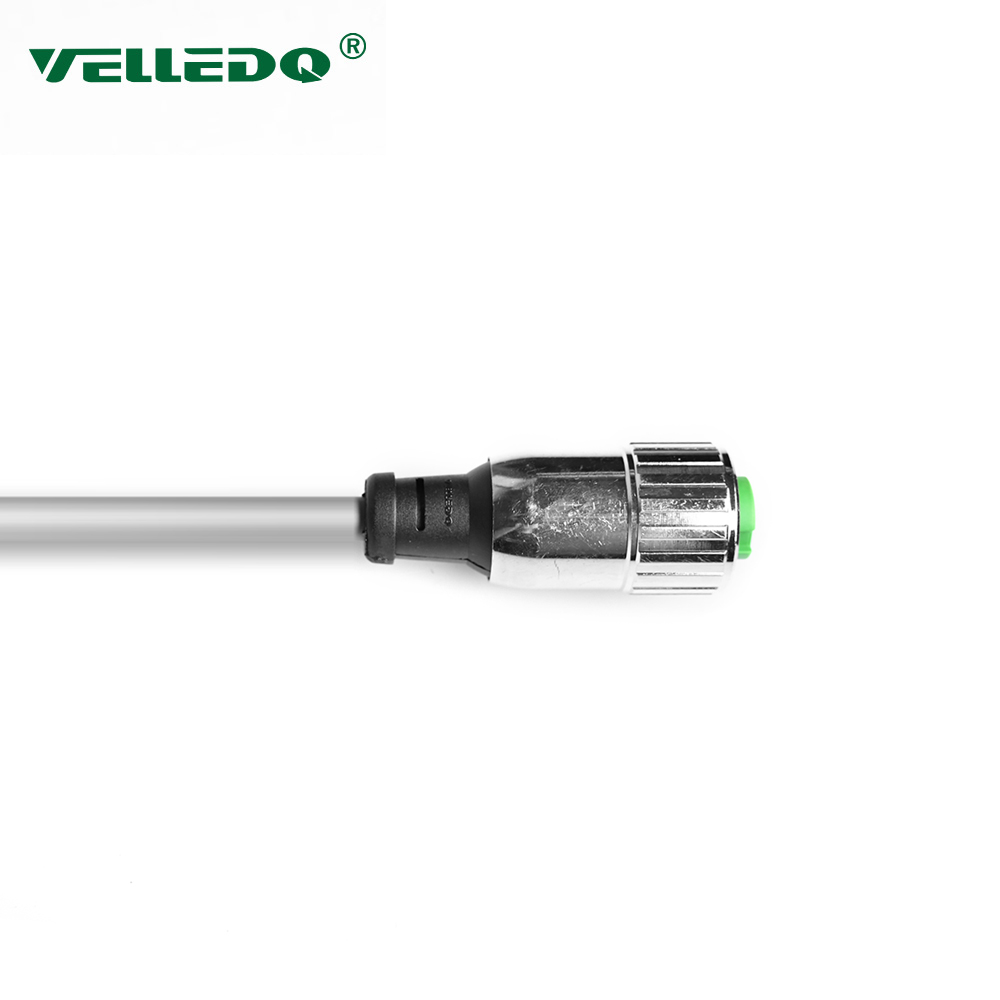
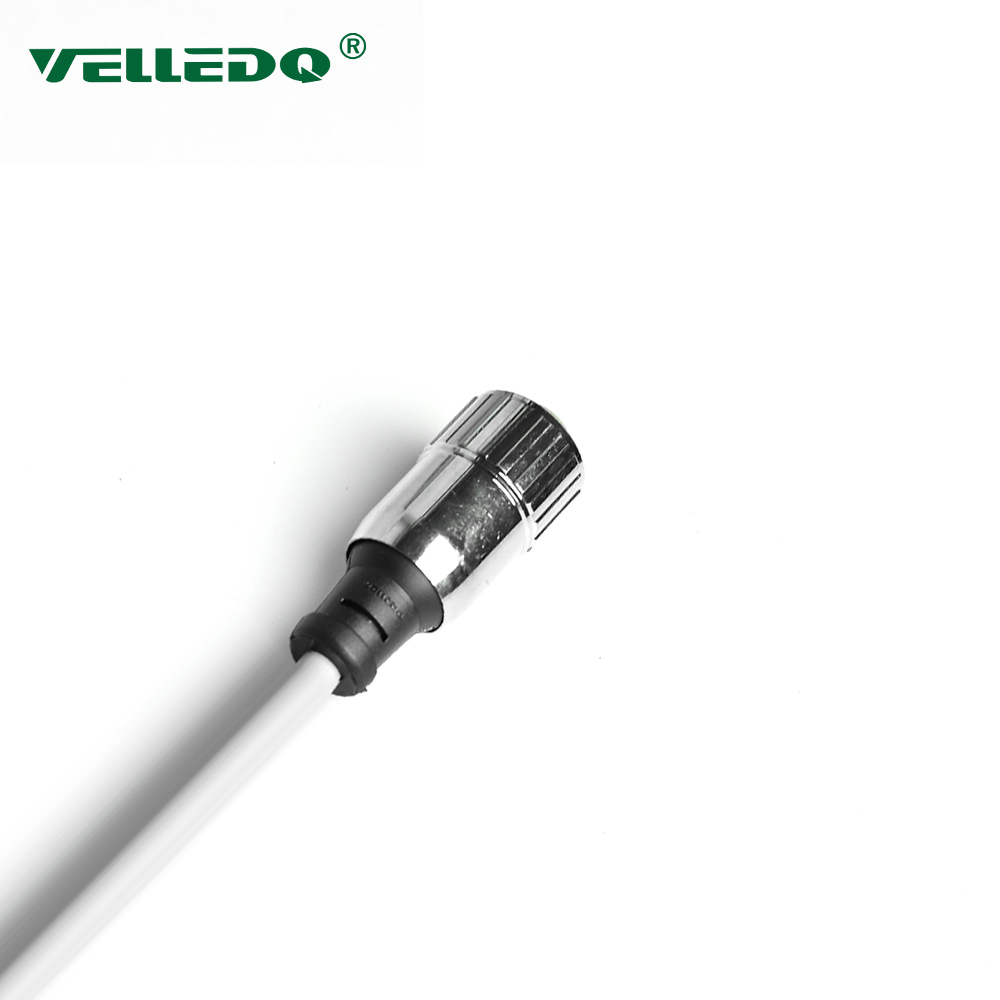
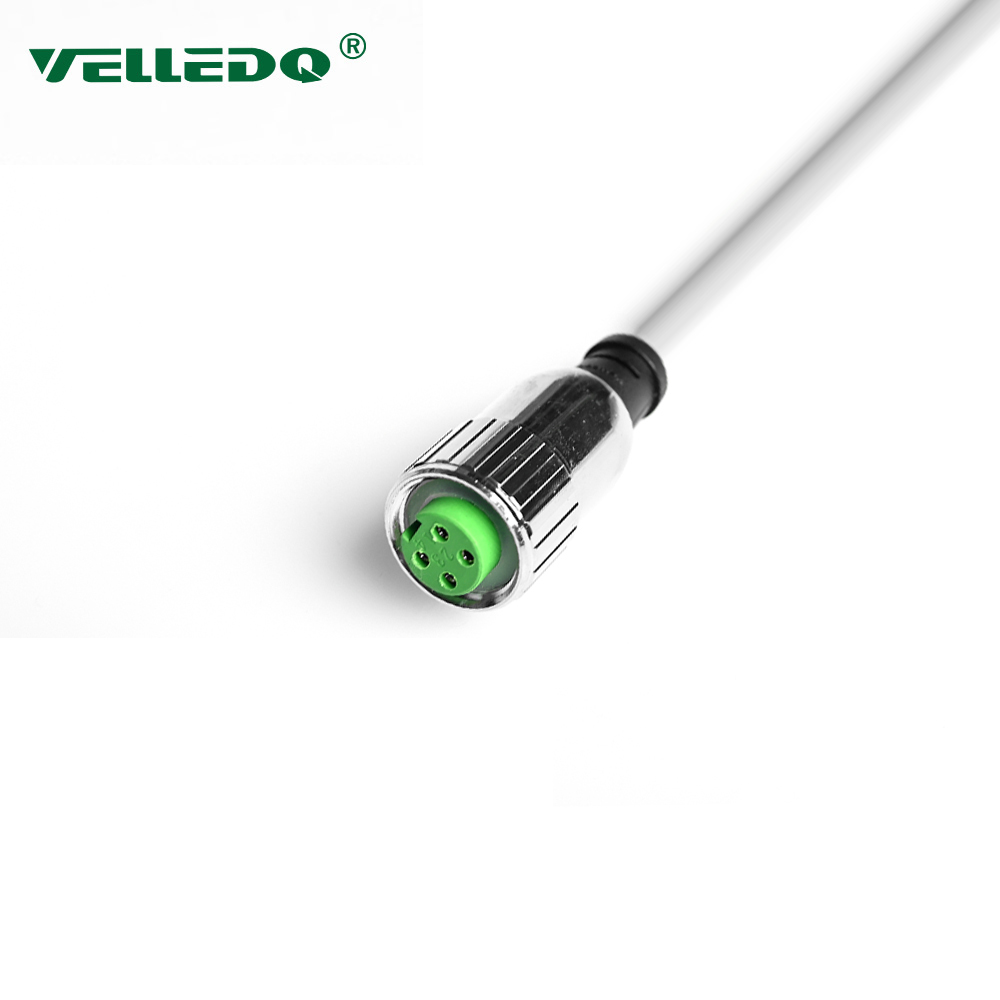
3.1 The specific application of 7/8 cable in power quality monitoring devices plays a critical role in power quality inspection, facilitating reliable and accurate data transmission for the assessment and analysis of electrical parameters. Power quality monitoring devices are essential tools used to monitor and evaluate various aspects of electrical systems, such as voltage fluctuations, harmonic distortions, and frequency variations. These devices provide valuable insights into the health and stability of the power network, enabling engineers to identify potential issues and implement necessary corrective measures. The 7/8 cable’s exceptional electrical properties make it an ideal choice for connecting power quality monitoring devices to the electrical network.One key advantage of the 7/8 cable is its low signal loss. Power quality monitoring devices are often used to capture and analyze small electrical signals that can be critical for assessing power quality accurately. The 7/8 cable’s low attenuation characteristics ensure that these signals are transmitted without significant loss, preserving their integrity over long distances. This feature is crucial, especially when monitoring distant points within a power distribution system, as it enables engineers to obtain precise and reliable data readings.Another essential attribute of the 7/8 cable is its wide frequency range. Power quality inspection involves monitoring electrical parameters across a broad spectrum of frequencies. The 7/8 cable’s construction allows it to handle signals over a wide frequency range, making it well-suited for diverse applications in power quality analysis. Whether measuring high-frequency harmonics or low-frequency fluctuations, the 7/8 cable ensures that the collected data is accurate and representative of the electrical system’s performance.
Additionally, the 7/8 cable’s shielding and interference immunity are vital in power quality monitoring. Electrical networks can be susceptible to electromagnetic interference from various sources, such as nearby equipment or radio frequency signals. The robust shielding of the 7/8 cable protects the sensitive signals from external electromagnetic interference, preventing distortion or corruption of the data. This shielding capability ensures that power quality monitoring devices can provide precise and reliable measurements, free from external noise or interference.
The mechanical strength and durability of the 7/8 cable are also significant advantages in power quality inspection. Power quality monitoring devices may be deployed in challenging environments, such as industrial facilities or outdoor locations, where the cable may be subjected to harsh conditions. The 7/8 cable’s rugged design and durable materials enable it to withstand such conditions, ensuring uninterrupted data transmission and prolonged reliability.
Moreover, the standardized connectors and mating interfaces of the 7/8 cable simplify the installation and maintenance of power quality monitoring devices. Engineers can easily connect and disconnect the devices when needed, reducing downtime during system setup or repairs. This ease of use enhances the overall efficiency of power quality inspection, allowing engineers to focus on data analysis and corrective actions promptly.
In conclusion, the specific application of 7/8 cable in power quality monitoring devices is fundamental in power quality inspection. Its low signal loss, wide frequency range, shielding capabilities, mechanical strength, and ease of installation make it an ideal choice for connecting power quality monitoring devices to the electrical network. By utilizing the 7/8 cable, engineers can ensure accurate and reliable data transmission, enabling a comprehensive assessment of power quality and the implementation of effective measures to maintain a stable and efficient electrical system.

3.2 The specific application of 7/8 cable in power quality sensors within smart grids is paramount for conducting comprehensive power quality inspection and maintaining efficient energy management. Smart grids are modern power distribution networks that integrate advanced monitoring and control technologies to optimize electricity supply and demand. Power quality sensors are essential components within smart grids, responsible for continuously monitoring critical electrical parameters and transmitting real-time data to the central control system. The use of 7/8 cable in connecting power quality sensors to the smart grid infrastructure ensures reliable and accurate data transmission, thus enhancing the overall stability and performance of the grid.One significant advantage of utilizing 7/8 cable in power quality sensors is its exceptional electrical properties. Power quality sensors are tasked with capturing and transmitting precise measurements of various electrical parameters, such as voltage, current, and harmonics. The low attenuation characteristics of the 7/8 cable enable the sensors to transmit these signals over considerable distances without significant signal loss. This ensures that the data collected by power quality sensors accurately represents the conditions within the smart grid, facilitating effective analysis and decision-making for energy management.
Moreover, the wide frequency range of the 7/8 cable is well-suited for power quality inspection in smart grids. Smart grids deal with a diverse range of electrical frequencies due to the integration of renewable energy sources and varying power demands. The 7/8 cable’s ability to handle signals across a broad spectrum ensures that power quality sensors can effectively monitor and analyze different frequency components, including harmonics and transient events. This capability is essential for identifying potential issues, such as voltage distortions or frequency fluctuations, and implementing appropriate corrective measures promptly.
Another critical feature of the 7/8 cable in power quality sensors is its robust shielding and interference immunity. Smart grids often operate in complex environments with multiple electrical devices and communication systems. These external sources can generate electromagnetic interference that may impact the accuracy of power quality measurements. The 7/8 cable’s shielding protects the sensitive signals transmitted by power quality sensors, preventing external electromagnetic interference from corrupting the data. This shielding capability ensures that the data collected remains reliable and free from external noise, enabling accurate power quality assessment.
The mechanical strength and durability of the 7/8 cable are also vital considerations in the application of power quality sensors within smart grids. Power quality sensors are typically deployed in various locations, including outdoor environments and distribution substations. The 7/8 cable’s rugged construction and durable materials make it resilient to harsh weather conditions and physical stress, ensuring uninterrupted data transmission and long-lasting performance in demanding grid settings.
In conclusion, the specific application of 7/8 cable in power quality sensors within smart grids is essential for comprehensive power quality inspection and efficient energy management. Its low signal loss, wide frequency range, shielding capabilities, and mechanical strength make it an ideal choice for connecting power quality sensors to the smart grid infrastructure. By utilizing the 7/8 cable, power quality sensors can reliably and accurately monitor critical electrical parameters, enabling real-time data transmission for the effective analysis and optimization of the smart grid’s performance. As smart grid technologies continue to evolve, the use of 7/8 cable will remain fundamental in supporting sustainable and resilient power distribution systems.