Shopping centres, which include a wide variety of retail outlets, entertainment venues, eating establishments, and leisure pursuits, have come to be seen as iconic representations of consumer society. These enormous commercial structures, which serve to the many wants and wishes of customers, have developed from simple markets into intricate architectural wonders. A sophisticated network of electrical systems lurks behind the busy activity of a mall, and the commercial electric cable is at the centre of this network.
The Development of Shopping Centres
The origins of shopping malls may be found in the marketplaces of the past, when dealers and businesspeople met to barter products and services. However, the 20th century is responsible for the development of shopping malls as we know them today. Suburban shopping centres were created as a result of the post-World War II economic boom, with Minnesota’s Southdale Centre being named the country’s first modern mall in 1956. Since then, urbanisation, technological development, and shifting customer tastes have all had an impact on how shopping malls have changed. The following are some significant developments in retail centres:
1.Shopping malls have developed from basic enclosed constructions to elaborate architectural wonders, with cutting-edge designs that provide a welcoming and aesthetically engaging atmosphere for customers.
2.Retail Variety: To meet the wide range of customer interests and preferences, contemporary shopping malls feature a vast assortment of retail outlets, from premium labels to well-known chains and boutiques.
3.Entertainment and recreation: To provide a whole shopping and leisure experience, malls have adopted the idea of “retailtainment,” adding entertainment alternatives like movie theatres, amusement parks, bowling lanes, and arcades.
4.Dining Options: Food courts, restaurants, and cafés are integrated into shopping malls and provide a wide variety of delectable dishes to please every pallet.
5.Shopping centres have used technology to improve the overall shopping experience. The use of technology, including mobile applications, Wi-Fi access, interactive kiosks, and digital signage, is essential for attracting and retaining customers.

Application
1.Building automation systems have become a game-changer in the technologically advanced environment of contemporary retail malls, optimising energy use, boosting security, and simplifying facility administration. The commercial electric cable, which is essential to the specialised application of building automation in shopping malls, is at the core of these smart systems. The smooth transmission of control signals is made possible by commercial electric cables, enabling the centralised administration of several building systems. The integration of BV cables in building automation benefits a variety of systems, including those that control lighting, HVAC, access, and security.
One of the most common uses of BVcommercial electric cables in building automation is lighting control. Facility managers may remotely change lighting settings, create dynamic lighting scenarios, and adopt energy-saving techniques thanks to BV cables, which link lighting control panels to specific lighting fixtures. The commercial electric cables serve as the structural support for an adaptable and responsive lighting system in a mall where lighting needs range from store sections to leisure areas.
Remote lighting control not only improves the entire shopping experience by fostering a welcoming and pleasant atmosphere, but it also helps save costs and promote sustainability by maximising energy consumption. For instance, the cables enable for the dimmering or shutting off of certain lights during off-peak hours to save energy while providing enough lighting for security and safety.
The incorporation of commercial electric cables also has substantial positive effects on HVAC management. The building managers can remotely modify temperature settings, ventilation, and air conditioning thanks to the cables that link HVAC control panels to heating and cooling devices. The cables provide the capabilities for accurate and effective HVAC management in a large mall with several zones and varied occupancy levels. The commercial electric cables help create a cosy and energy-efficient interior climate by modifying HVAC settings according on occupancy patterns, weather, and time of day. This maximises thermal comfort for customers and renters while lowering operating expenses, wasting less energy, and promoting green initiatives.
In access control and security systems for retail centres, the use of cables is crucial. The commercial electric cables provide smooth monitoring and administration of access points by connecting access control panels to electronic locks, gates, and security tools. The use of cables enables facility managers to monitor access to restricted areas and react quickly to security issues by allowing real-time updates on access rights. In order to provide remote monitoring and prompt reactions to possible occurrences, the commercial electric cables are also essential for connecting security cameras, alarms, and sensors to the surveillance system. Because of their dependability and toughness, the cables provide constant performance in the high-traffic areas of shopping centres, offering a stable and secure basis for building automation systems that protect the safety of customers, tenants, and staff.
In summary, the particular use of commercial electric cables in mall building automation illustrates how crucial they are to revolutionising the current retail experience. The cables are the foundation of intelligent solutions that optimise energy consumption, boost security, and create welcoming and pleasant surroundings. These solutions range from lighting and HVAC management to access control and security systems. The cables are a crucial element in enabling the smooth integration of building automation systems that change the retail experience for the contemporary consumer as shopping malls continue to embrace technology to create smart, efficient, and safe places.
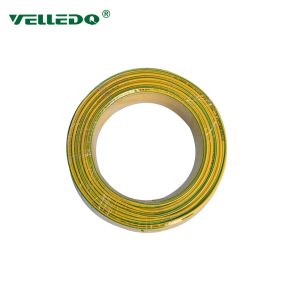
2. The precise use of commercial electric cable in power distribution is essential to the smooth operation of a contemporary retail mall. BV cables are essential to the effective transmission of electrical energy from distribution boards to different electrical fixtures and equipment throughout the complex since they are the backbone of electrical systems. The cables excel in handling large current loads, ensuring that the energy requirements of retail establishments, food courts, entertainment areas, and other facilities are fulfilled without interruption in a shopping mall where different commercial activities necessitate a steady and dependable power supply. They have low electrical resistance, which reduces energy loss during power transfer and lowers energy costs for tenants as well as mall management.
The commercial electric cables are a tough and dependable option for power distribution in retail centres since they are designed to endure the rigours of high-traffic areas. Because of their sturdy design, the cables withstand mechanical stress and wear, necessitating less regular maintenance and replacements. This dependability is essential for maintaining an uninterrupted power supply, reducing downtime, and ensuring that customers have a flawless shopping experience.
Additionally, since the cables are standardised, they may be utilised with standard fittings and
accessories that are often found in electrical systems. Due to their compatibility, the commercial electric cables may be connected to distribution boards, electrical panels, and other electrical equipment without difficulty by engineers and electricians, simplifying the installation procedure. The simplicity of installation speeds construction and remodelling projects, helping retail mall developers run their businesses efficiently and affordably.
The commercial electric cables are made with fire-resistant qualities in addition to their dependability and compatibility, improving safety in the mall. In public areas where huge people often congregate, such as shopping malls, fire safety is of the highest significance. The fire resistance of cables aids in halting the spread of fires in emergency situations, giving people more time to evacuate safely and lowering the danger to customers, renters, and staff.
All parts of the mall benefit from the effective power distribution made possible by the cables, which guarantees the dependable powering of lighting systems, HVAC units, security equipment, and communication networks. The commercial electric cables support the efficient functioning of lighting systems by providing a steady and continuous power supply, resulting in a welcoming and comfortable environment for shoppers. Even at peak hours, a pleasant interior environment for guests is maintained with efficient power distribution and HVAC system performance.
Additionally, building automation systems use the commercial electric cables to transmit control signals, enabling centralised supervision and control of a variety of electrical operations inside the mall. This connection facilitates energy conservation, improves security, and streamlines building management by enabling facility managers to remotely monitor and control lighting levels, temperature settings, and security measures.
To sum up, the effective and dependable functioning of a contemporary retail mall depends on the precise deployment of the cable in power distribution. In order to transport electrical energy to different electrical systems and devices, the commercial electric cables are essential. They provide a constant power supply and serve a wide variety of business operations. The commercial electric cables are a crucial part of providing a secure, pleasant, and effective environment for customers, renters, and staff in the hectic world of shopping malls because to their longevity, compatibility, fire resistance, and efficiency.