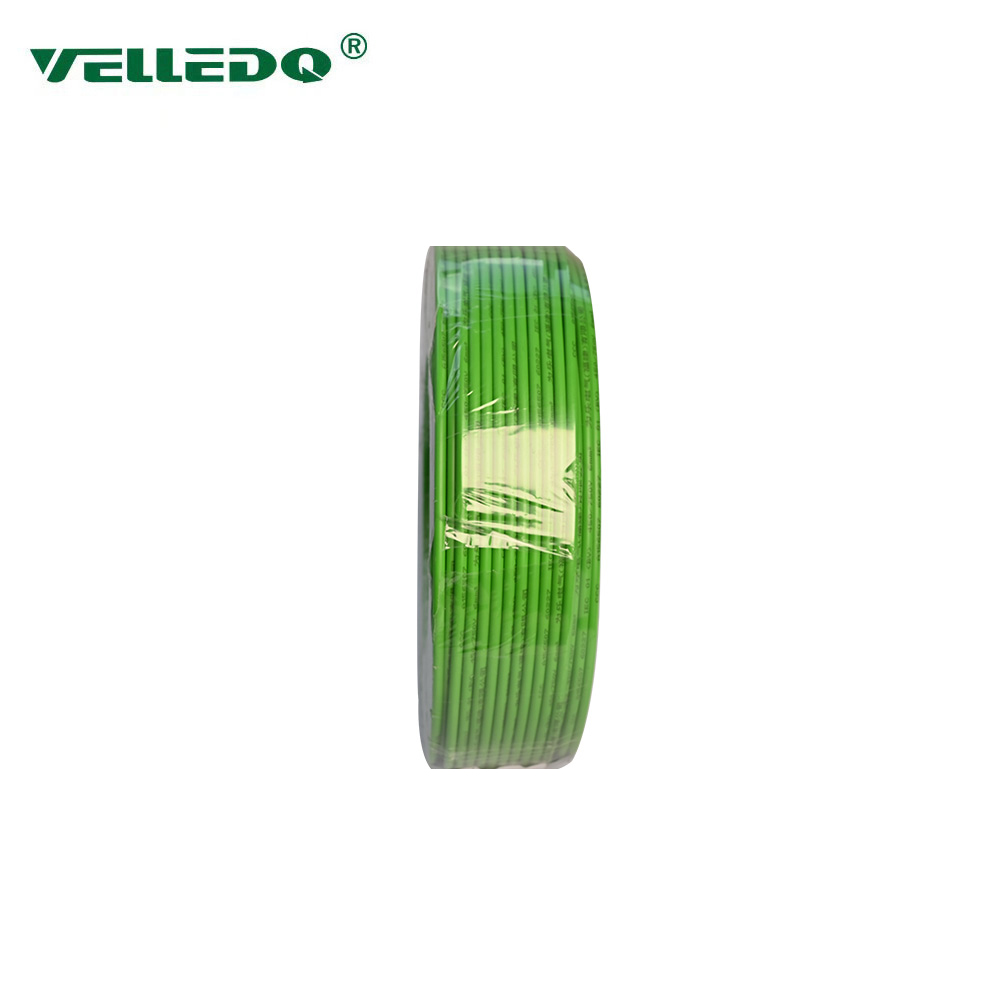

Hotels have long been a mainstay of hospitality, giving visitors a temporary home away from home. Hotels have developed into sophisticated enterprises, providing a variety of facilities and services to meet the varied demands of visitors, from modest inns to opulent resorts. Modern hotels are operated by a sophisticated network of electrical equipment, and the commercial electrical cable is at the centre of this network.
The Advancement of Hotels
Historically, travellers found solace and comfort in shared rooms along trade routes, giving rise to the idea of hotels. However, the concept of opulent lodging and customised services really took off during the Roman Empire. Hotels have changed over time to meet the requirements and interests of visitors. Inns and taverns for tired travellers first appeared in the Middle Ages, whereas large hotels for rich patrons first appeared in the 19th century. Modern transportation and globalisation brought to the development of global hospitality chains, which provide standardised services and uniform guest experiences around the globe.
Hotels now come in a variety of shapes and sizes, from little boutique establishments with unique personalities to massive towers with opulent accommodations. A few significant developments in the hotel industry include:
Modern hotels are known for their inventive architectural designs that blend beauty and utility. In today’s hotel development, green building techniques, eco-friendly elements, and smart technology integration are becoming standards.
Hotels provide a variety of lodging alternatives, from basic rooms to opulent suites, to meet the tastes and financial capabilities of various sorts of travellers.
Personalised services, round-the-clock concierge support, and cutting-edge facilities all work to improve the visitor experience and make their stay comfortable and convenient.
Culinary Excellence: Dining experiences are now an essential component of the hotel experience, with top-notch cafés, bars, and restaurants serving delectable fare to tempt visitors’ taste buds.
Advancements in technology: To improve visitor comfort and simplify operations, hotels have adopted technology. In-room automation, smartphone check-ins, and online booking systems are just a few instances of how technology is changing the hospitality sector.

Application
1.The precise way in which the commercial electrical cable is used in power distribution is crucial to the effective and efficient functioning of a contemporary hotel. The cables are essential in supplying a steady and dependable power supply from distribution boards to different electrical devices and equipment around the hotel since they are the primary means of electrical energy transfer. The commercial electrical cables excel in handling large current loads in a busy hotel setting where a variety of activities and services rely on a constant power supply. This ensures uninterrupted power distribution to fulfil the various energy demands of visitors and hotel operations.
Low electrical resistance is a key component of the cables’ design, which reduces energy loss during power transmission and maximises energy effectiveness. As hotels increasingly adopt eco-friendly practises, this not only results in cost savings for the hotel in terms of power use, but it also supports environmental objectives. The ability of cables to withstand large currents with little energy waste helps hotels operate more sustainably, lowering their carbon impact and fostering a greener hospitality sector.
Additionally, the commercial electrical cables are perfect for the difficult circumstances of a hotel setting due to their strength and endurance. The cables are designed to endure mechanical stress and wear in the presence of regular maintenance, high visitor turnover, and a variety of devices in use. By minimising downtime and disruptions and ensuring a steady power distribution network, this dependability enables hotel guests to have a smooth and pleasant stay.
Another key benefit of commercial electrical cables for hotel power distribution is their compatibility with common fixtures and accessories. Electricians can connect the cables to distribution boards, electrical panels, and other electrical equipment with ease because to their standardised design, which streamlines the installation procedure. For hotel developers and facilities managers, this compatibility simplifies building and remodelling projects, cutting down on installation time and expense.
Hotel safety is a primary concern, and the commercial electrical cables are essential to protecting the property, personnel, and visitors. In the event of a fire, the commercial electrical cables’ built-in fire-resistance prevents the spread of the flames, giving people more time to evacuate safely and lowering the danger to both life and property. The commercial electrical cables are a significant feature of a contemporary hotel’s fire safety system because of how important this fire resistance is in public areas like hotels where lots of people congregate.
All parts of the hotel, from guest rooms and common spaces to back-of-house operations, are efficiently powered thanks to the cables. The commercial electrical cables are necessary for the efficient functioning of lighting systems, HVAC units, security equipment, communication networks, and culinary equipment, all of which contribute to a pleasant and delightful stay for visitors.
In conclusion, the precise use of cable in power distribution is essential to the efficient operation of a contemporary hotel. To fulfil the various energy requirements of visitors and hotel operations, the commercial electrical cables provide a dependable, cost-effective, and secure method of transporting electrical power. The commercial electrical cables are an essential part of providing a smooth, sustainable, and safe environment for visitors and workers in the ever-changing hotel industry because of their low electrical resistance, durability, compatibility with standard fittings, and fire-resistant qualities. The commercial electrical cables will continue to be a pillar in driving hospitality excellence in the constantly changing hospitality sector as hotels continue to embrace technology innovations and adopt eco-friendly practises.
2. The precise use of commercial electricalcable in lighting systems is essential for creating a fascinating and welcoming atmosphere in contemporary hotels. Lighting infrastructure is supported by the cables, which link lighting fixtures to distribution boards and control panels as the primary means of power transfer. The commercial electrical cables excel in supplying a steady and dependable power supply to a variety of lighting fixtures, including chandeliers, wall sconces, recessed lights, and LED panels, in the hotel environment, where lighting plays a significant part in establishing the mood and ambience for visitors.
Due to the low electrical resistance of cables, lighting activities lose the least amount of energy possible. In addition to saving the hotel money, this energy efficiency also promotes sustainable business practises, in line with the hospitality sector’s rising emphasis on environmental efforts. The commercial electrical cables assist hotels in their attempts to lessen their environmental impact and raise their overall green credentials by optimising energy use in lighting systems.
Additionally, the long lifespan and sturdy design of cables make them perfect for the hectic and high-traffic environment of hotels. Lighting fixtures and cables experience considerable wear and tear due to the continual influx of visitors and personnel.
The mechanical toughness and stress resistance ofcables provide a dependable lighting infrastructure that decreases maintenance requirements and downtime, giving visitors a comfortable and uninterrupted experience.
The installation of lighting systems in hotels is made simpler by the compatibility of cables with common fittings and accessories. The building and restoration process for hotel developers is streamlined by the ease with which electricians can connect cables to a variety of lighting fixtures, control panels, and distribution boards. This interoperability provides easy integration and dependable connection within the lighting network in addition to saving time and effort during installation.
Hotel guests place a high value on safety, and BV cables significantly improve the lighting systems’ fire safety protocols. In the case of a fire,the commercial electrical cables’ built-in fire resistance will stop the flames from spreading. This fire resistance gives visitors, workers, and property more time to leave safely while also reducing any possible threats. In order to provide visitors a secure and pleasant atmosphere and to inspire faith in the hotel’s dedication to their well-being, the dependability and fire safety of cables are vital components.
The specialised use of commercial electrical cable in lighting systems contributes significantly to the development of a fascinating and welcoming atmosphere in contemporary hotels. The commercial electrical cables are an essential part of offering a smooth and satisfying visitor experience because of their effective power transfer, robustness, compatibility, and fire resistance. The commercial electrical cables will continue to be a key component in powering the lighting systems that create the atmosphere for remarkable stays and memorable experiences in the ever-evolving hospitality industry as hotels continue to place an emphasis on guest comfort, energy efficiency, and safety.