Subway stations stand as the bustling hubs of urban transportation, serving as gateways to the sprawling underground networks that connect cities and transport millions of commuters daily. These architectural marvels are the lifelines of modern urban mobility, offering speed, efficiency, and convenience to travelers. Behind the seamless operation of subway stations lies a complex network of electrical systems, and at the heart of this network is the commercial wire.
Important Elements of Subway Stations
Underground stations are technical marvels that use deep tunnelling methods, ventilation systems and structural reinforcement to endure the stresses of urban life and the elements.
Integrated Design: Modern subway stations are designed to merge usefulness and beauty into the urban environment. The passenger experience is improved by architectural features and public art works, which also help to establish recognisable landmarks in the cityscape.
sophisticated Technology: To improve efficiency and safety, subway stations make use of sophisticated technology. A few examples of technology that streamlines operations and enhances the passenger experience are automated fare collecting systems, real-time passenger information, and platform screen doors.
Sustainable Initiatives: To lessen their environmental effect and support sustainable urban development, many contemporary subway stations use sustainable practises including energy-efficient lighting, regenerative braking systems, and eco-friendly building materials.
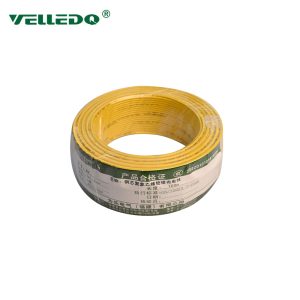
Application
1.The specialised use of commercial wire in fare collecting and ticketing systems is essential to the effective and seamless functioning of tube stations’ revenue management. The infrastructure for ticketing and fee collecting is connected and powered by the wire, which is essential for ensuring smooth passenger access and fare transactions. at order to handle the large number of daily transactions at busy tube stations, wire provide the necessary power and data transfer for fee collection control panels, automated fare gates and ticketing devices.
Automated fee gates, which serve as both the main entrance and exit for people, are connected to their power supply and control devices via wire. Passengers may enter the station with little wait time by tapping their smart cards or scanning mobile tickets, which is made possible via cables. Passengers’ inconveniences during busiest travel times are kept to a minimum because to the commercial wire’ long lifespan and low electrical resistance.
Passengers may buy fare cards and top up their travel credits from ticketing machines that are conveniently located inside subway stations. In order to provide real-time updates of fare transactions and ensure the machines’ ongoing performance, the commercial wire are used to
link the ticketing machine to the station’s power supply and data network. Because the commercial wire may be installed using common fittings, installation is made easier and downtime for maintenance and repairs is decreased.
The automated fare collecting system uses the commercial wire to link the fare collection control panels, card readers, and central fare management systems. This system processes passenger fare transactions and maintains fare income. The commercial wire provide effective data communication between components used in fee collecting, enabling precise fare computation and transaction records. Due to wire’ low electrical resistance, the fare collecting procedure uses energy as efficiently as possible, resulting in cost savings and more environmentally friendly tube operations.
The commercial wire are also essential for integrating ticketing and fare collecting systems with other forms of transportation, such buses and light rail. Passengers may move with ease and take advantage of a smooth, multi-modal travel experience thanks to seamless data interchange across various modes of transportation.
The commercial wire used in ticketing and fare collecting systems have fire-resistant qualities, which improve security at tube stations. In the uncommon case of a fire, the commercial wire stop the flames from spreading, giving vital time for a safe escape and allowing emergency personnel to act quickly.
As a result, it is crucial to use the wire specifically in ticketing and fare collecting systems to ensure the effectiveness, dependability, and security of revenue management at tube stations. In order to streamline price transactions and provide frictionless passenger access, the commercial wire are used to link and power fare gates, ticketing devices, tariff collecting control panels, and central fare management systems. In order to build effective and sustainable subway stations, the commercial wire are a necessary component because to their longevity, energy efficiency, compatibility, and fire resistance. The commercial wire will remain a key component in powering the technology advancements and infrastructure that reinvent how we access and pay for public transport services as tube networks continue to grow and passenger needs change.

2.One of the most important factors in guaranteeing the efficient and smooth circulation of people through subway stations is the specialised use of wire in escalators and lifts. By connecting and powering the intricate electrical systems of escalators and lifts, the commercial wire cables play a crucial role in enabling smooth vertical mobility and improving passenger convenience and accessibility.
Escalators depend on the commercial wire to link their control panels, motors, and sensors, which makes it possible for these vital vertical transportation systems to run efficiently and reliably. Because the wire have low electrical resistance, they deliver power effectively, reducing energy loss during escalator operation and aiding in the administration of energy-efficient subway station operations. Because the wire are built to last and can withstand heavy traffic loads, escalators need less regular maintenance, which improves the entire passenger experience.
The lifeline for powering the lift vehicle and control systems in lifts is provided by the cables. These wire enable accurate and quick lift movements between floors by linking the lift motor and control panels. Because of the low electrical resistance of commercial wire cables, lift efficiency is guaranteed, resulting in lower power use and more environmentally friendly subway station
operations. Elevators’ use of commercial wire cables minimises downtime due to their dependability and longevity, keeping them functioning even during times of heavy passenger volume.
Because the commercial wire are compatible with common fittings, construction is streamlined and project duration is decreased by making it easier to install and maintain escalators and lifts in subway stations. Additionally, the fire-resistance of wire improves security at subway stations. In the uncommon case of a fire, the commercial wire stop the flames from spreading, giving vital time for a safe escape and allowing emergency personnel to act quickly.
Additionally, travellers with mobility issues may enter buildings more easily because to the seamless integration of wire with escalators and lifts. Modern metro stations place a high value on inclusiveness, and commercial wire cables are essential to powering the escalators and lifts that allow all users to enter without encountering any barriers. This helps to maintain the accessibility and effectiveness of subway service for all users.
In conclusion, the precise use of commercial wire in escalators and lifts is crucial for guaranteeing that people can travel vertically smoothly throughout tube stations. Escalator and elevator control systems, motors, and sensors are connected to and powered by wire, assuring a dependable and energy-efficient functioning. In order to build effective and secure tube stations, commercial wire are a necessary component because to their compatibility, dependability, and fire resistance. The commercial wire will be a crucial component in powering the technology advancements and infrastructure that transform how we navigate and access public transport services as tube networks continue to grow and passenger needs change.
Millions of commuters depend on tube stations every day for efficient movement and connection, making them important foundations of urban transportation. The current subterranean transportation experience is powered by electrical systems that are supported by the commercial wire. The commercial wire are essential to the smooth and secure functioning of subway stations’ escalators, lifts, communication networks, safety and security systems, as well as their power distribution and lighting systems.
In order to build effective and sustainable subway stations, the commercial wire are a necessary component because to their longevity, energy efficiency, compatibility, and fire resistance. The commercial wire will remain a crucial component in powering the technology advancements and infrastructure that reinvent how we travel and connect inside our cities as urban populations increase and transportation networks change.