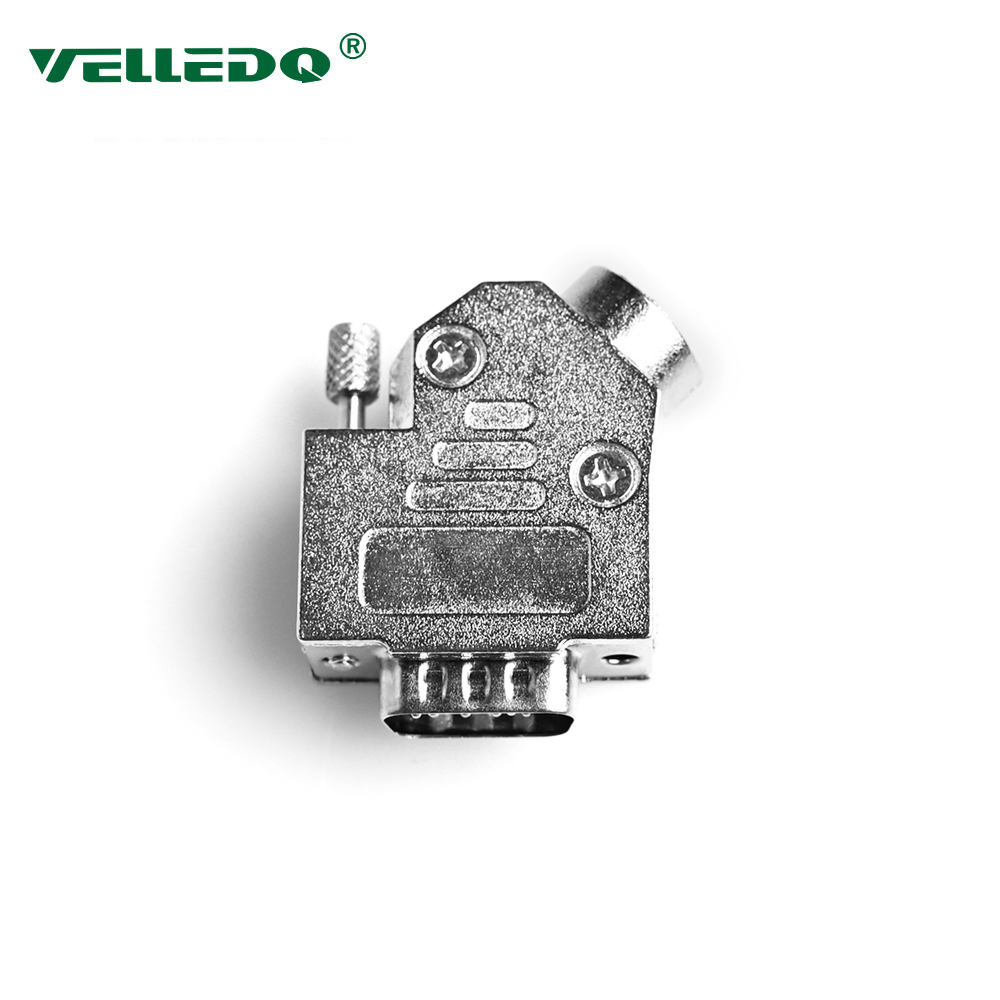
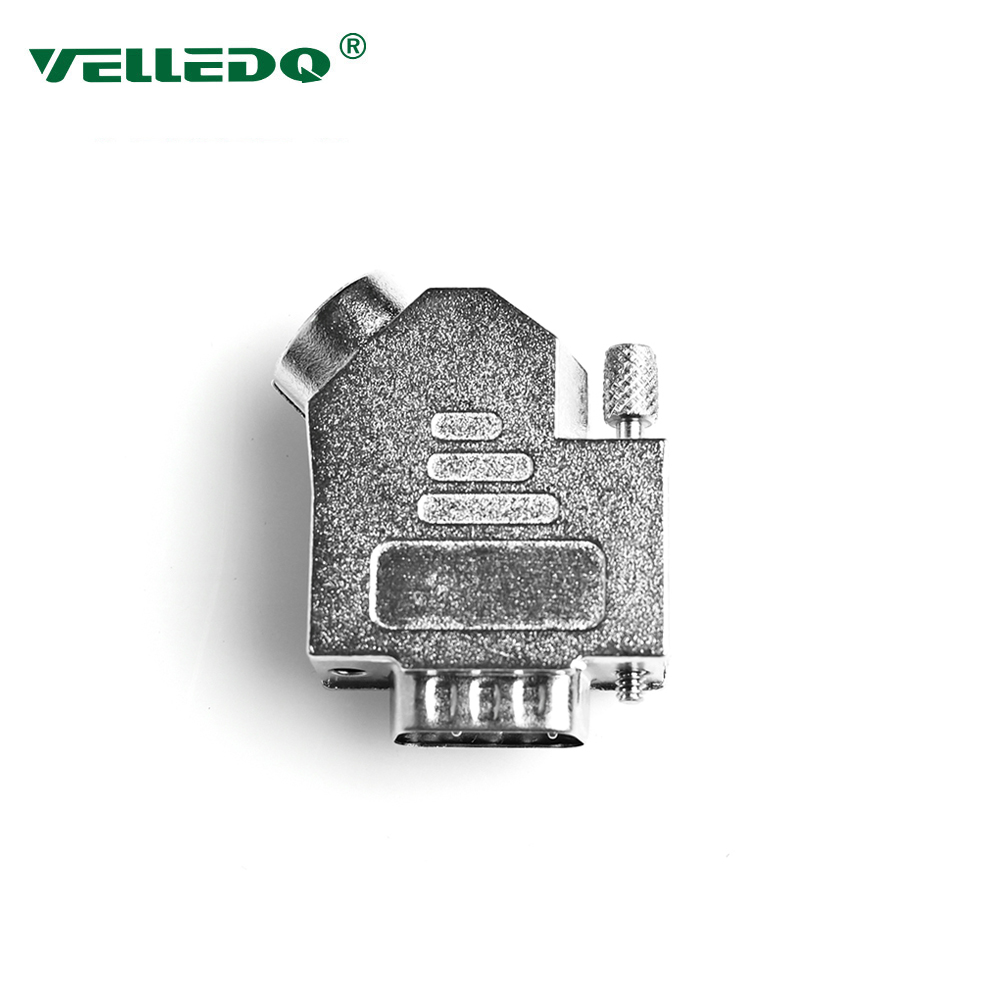
The advent of networking equipment has revolutionized the way we communicate, share information, and conduct business in the modern world. From the early days of telegraphy to the sophisticated data networks of today, networking equipment has played a pivotal role in shaping our interconnected society. Among the various connectors used in networking equipment, the D Sub 9 male connector holds a unique significance. In this article, we will explore the evolution of networking equipment, delve into the specific application of the D Sub 9 male connector in communication aspects, and understand its enduring relevance in contemporary networking technologies.
1. The Evolution of Networking Equipment
1.1. Early Telecommunication and Telegraphy The history of networking equipment can be traced back to the early days of telecommunication and telegraphy in the 19th century. Telegraph systems relied on manual encoding and decoding of messages, transmitted over wires between distant locations. The connectors used in these systems were rudimentary and often specific to particular devices, lacking standardization.
1.2. The Rise of Telephony and the RJ Series Connectors With the invention of the telephone in the late 19th century, telecommunication evolved significantly. The introduction of the RJ series connectors, specifically the RJ11, became instrumental in connecting telephone lines to devices. The RJ11 connector, known for its four-wire configuration, became a standard for telephone connections, allowing for voice communication over vast distances.
1.3. The Emergence of Data Networking and D Sub Connectors The mid-20th century witnessed a paradigm shift with the rise of data networking. As digital computing gained prominence, the need for data communication and interconnection between devices became apparent. This led to the development of the D Sub connector family, with the D Sub 9 male connector (also known as DB9 or DE9) emerging as a key component in data communication.
1.4. The Internet Age and High-Speed Connectivity The late 20th century and the early 21st century marked the era of the internet, ushering in unprecedented levels of global connectivity. Networking equipment evolved rapidly to accommodate high-speed data transfer and seamless communication between devices. Connectors such as Ethernet RJ45 and fiber optic connectors gained prominence for their ability to support faster and more reliable data transmission.
2.Communication Aspects and Use Cases
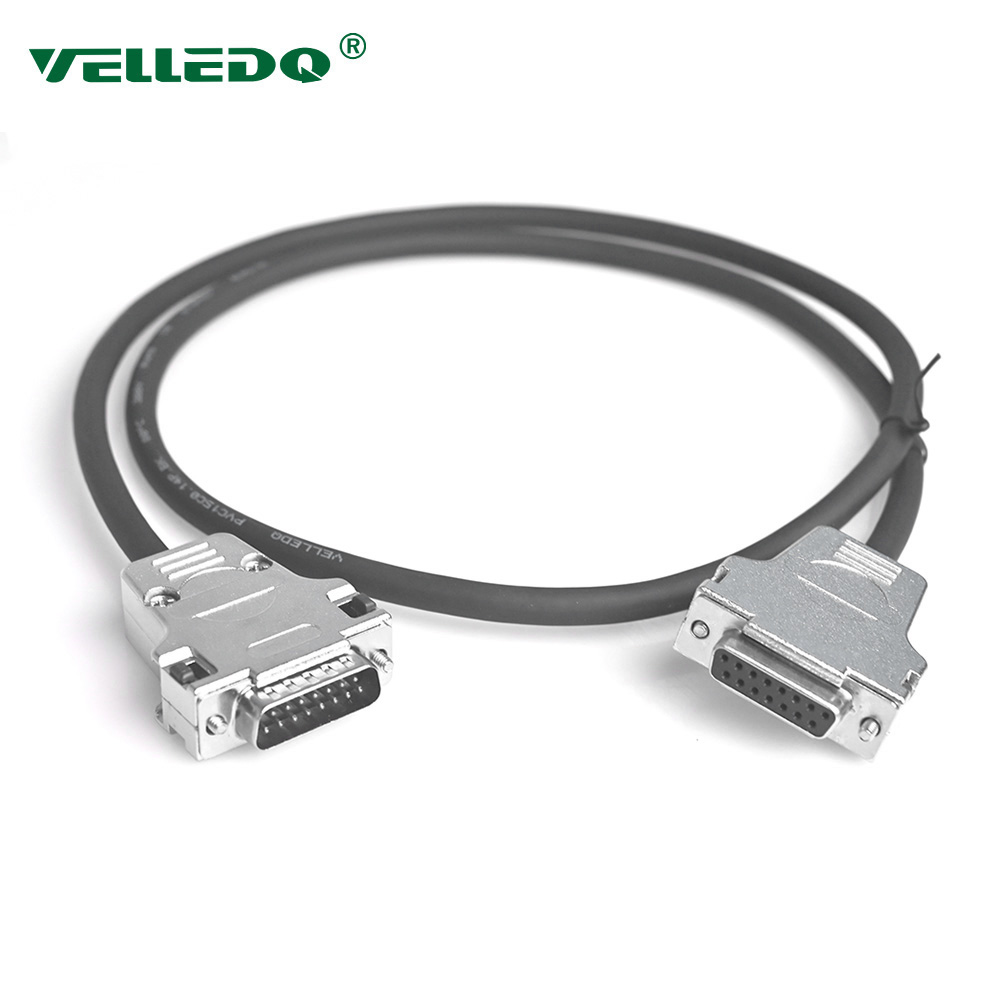
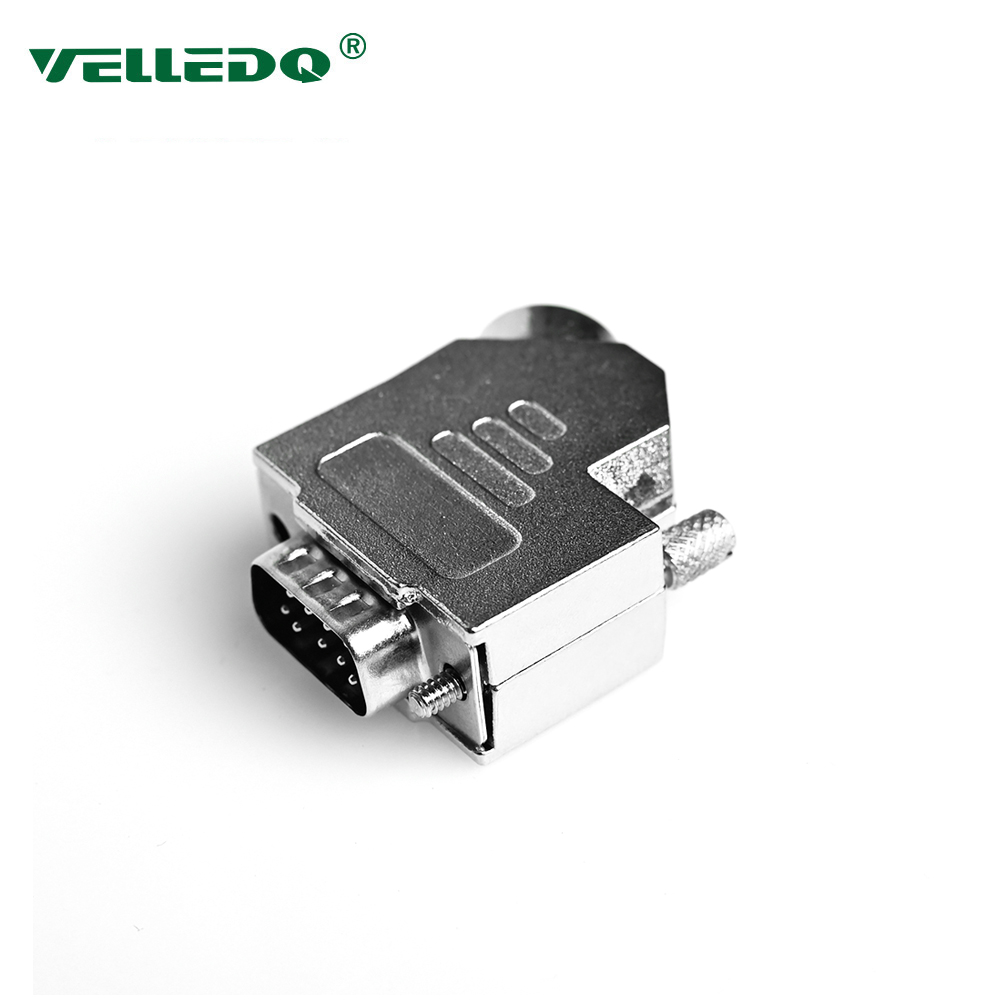
2.1 The specific application of the D Sub 9 male connector in serial communication for networking equipment plays a crucial role in facilitating direct communication and configuration between devices and network administrators. The D Sub 9 male connector, also known as DB9 or DE9, is a versatile interface widely used in various industries, and it finds a significant application in the networking domain. In networking equipment such as routers, switches, and firewalls, a dedicated console port with the D Sub 9 male connector serves as the primary means for serial communication. Network administrators and engineers utilize this port to access the device’s command-line interface, allowing them to configure, troubleshoot, and manage the networking equipment efficiently.
The physical characteristics of the D Sub 9 male connector make it suitable for serial communication in networking. It features nine pins arranged in two rows, and the male connector plugs into a corresponding female connector. This secure connection ensures a stable and reliable communication link between the device and the computer used for configuration.
Serial communication via the D Sub 9 male connector enables network administrators to gain direct access to the device’s console, providing a command-line interface for configuration and monitoring. By connecting a computer to the device’s console port using a serial cable with D Sub 9 male connectors on both ends, administrators can use terminal emulation software, such as HyperTerminal or PuTTY, to establish a connection. Through the terminal emulator, they can execute commands, modify settings, and retrieve system information.
One of the significant advantages of using the D Sub 9 male connector for serial communication is its simplicity and familiarity. The D Sub 9 connector has been widely used in various applications for decades, making it a standard interface in networking equipment. Network administrators and engineers are familiar with this connector, facilitating quick and easy setup for console access.
Additionally, the D Sub 9 male connector’s legacy support is crucial in networking environments. While modern networking technologies, such as Ethernet and USB, have gained prominence, there are still instances where older devices or specialized equipment rely on serial communication via the D Sub 9 connector. Its compatibility with legacy systems ensures backward compatibility and smooth integration of older devices into contemporary network infrastructures.
Moreover, the D Sub 9 male connector allows for out-of-band management, providing an alternative means of accessing networking equipment even when the primary network connection is down or misconfigured. This out-of-band access ensures network administrators can continue to manage and troubleshoot devices remotely, helping to reduce downtime and ensure uninterrupted network operation.
The specific application of the D Sub 9 male connector in serial communication for networking equipment is a critical aspect of modern network administration. Its reliability, simplicity, legacy support, and out-of-band management capabilities make it an enduring and essential interface for networking devices. As networking technology continues to evolve, the D Sub 9 male connector remains a foundational component in network infrastructure management, enabling seamless communication and efficient device configuration in complex networking environments.
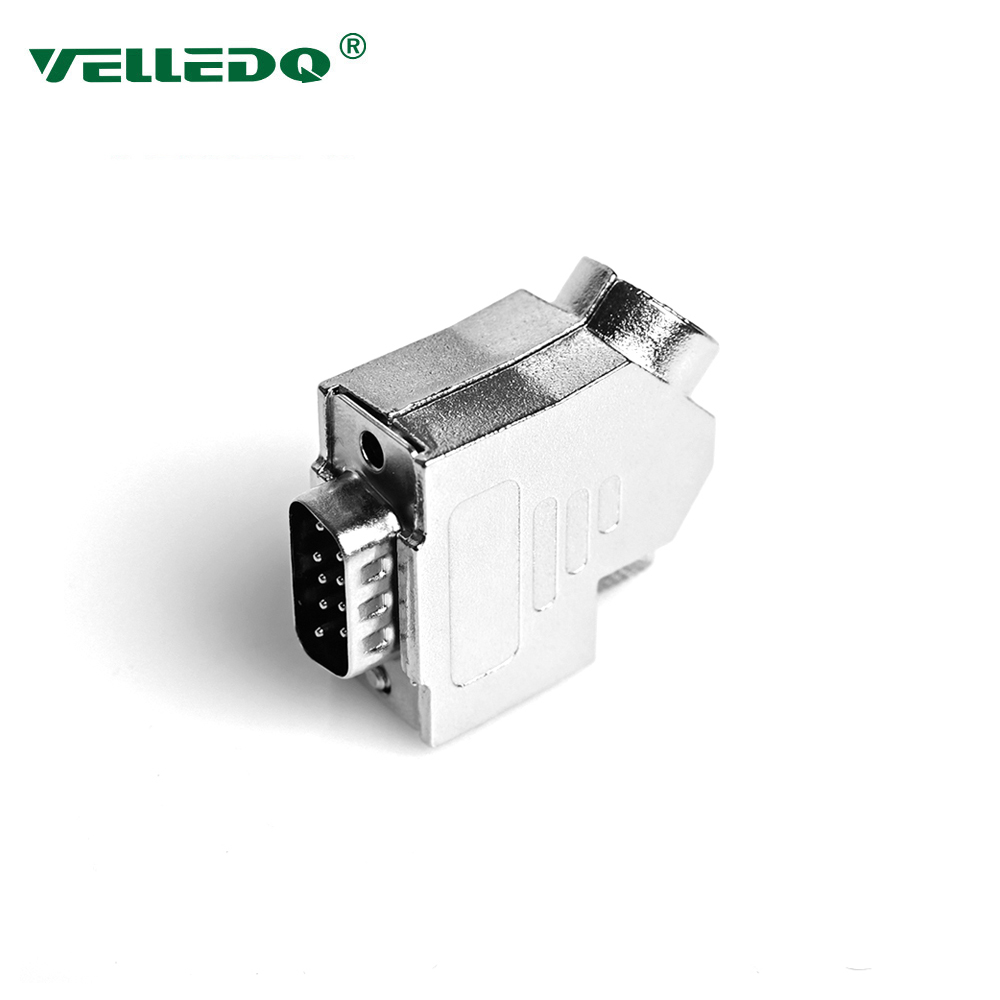
2.2 The specific application of the D Sub 9 male connector in embedded systems and IoT devices within networking equipment offers a reliable and versatile communication interface for various applications. While modern networking technologies such as Ethernet and wireless connections have become dominant in many scenarios, the D Sub 9 male connector remains relevant in specific use cases, particularly in embedded systems and IoT devices. These compact devices often require a simple and cost-effective communication interface, and the D Sub 9 connector fits the bill perfectly.In embedded systems, the D Sub 9 male connector serves as a straightforward means of establishing serial communication with external devices or peripherals. Many embedded devices use UART (Universal Asynchronous Receiver/Transmitter) interfaces to communicate, and the D Sub 9 connector is commonly used to provide access to these UART ports. For example, microcontrollers, single-board computers, and development boards often feature D Sub 9 connectors that allow programmers and engineers to interact with the embedded system directly through a terminal emulator.This direct access to the command-line interface enables them to configure the system, retrieve data, and debug the device’s operation.
Similarly, in IoT devices, the D Sub 9 male connector can play a vital role, especially in specialized applications where wired connections are preferred or required. While many IoT devices utilize wireless technologies like Wi-Fi or Bluetooth for communication, there are specific use cases where wired connections are more suitable, such as industrial automation, sensor networks, and remote monitoring systems. In such scenarios, the D Sub 9 male connector provides a simple and reliable solution for serial communication, enabling seamless integration of IoT devices into existing infrastructure.
Additionally, the D Sub 9 male connector’s legacy support is beneficial in the embedded systems and IoT domain. Many existing systems and legacy equipment rely on the D Sub 9 connector for serial communication. When developing new embedded systems or IoT devices, incorporating a D Sub 9 male connector allows seamless connectivity with these legacy systems, ensuring interoperability and backward compatibility.
Furthermore, the D Sub 9 male connector’s physical robustness and durability are advantageous in embedded systems and IoT devices, especially in rugged environments. IoT devices deployed in harsh conditions or industrial settings require connectors that can withstand physical stress and environmental factors. The D Sub 9 connector’s sturdy design ensures reliable communication even in challenging operating conditions.
The specific application of the D Sub 9 male connector in embedded systems and IoT devices within networking equipment remains relevant due to its simplicity, cost-effectiveness, and legacy support. As the IoT landscape continues to expand and evolve, the D Sub 9 connector serves as a reliable communication interface for various applications, particularly in embedded systems and IoT devices that require a straightforward and efficient means of serial communication. While modern networking technologies continue to advance, the enduring presence of the D Sub 9 male connector in these specialized domains reinforces its importance and versatility in enabling seamless communication and integration within complex networking environments.