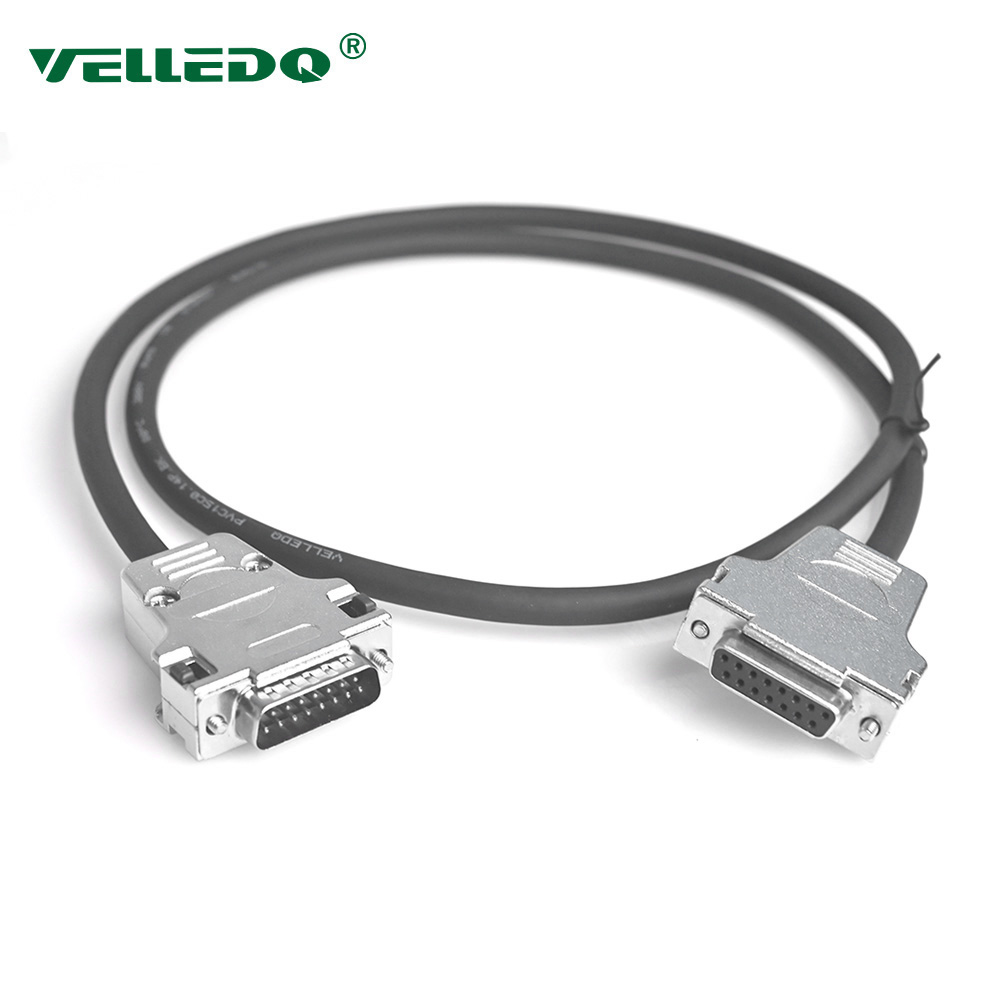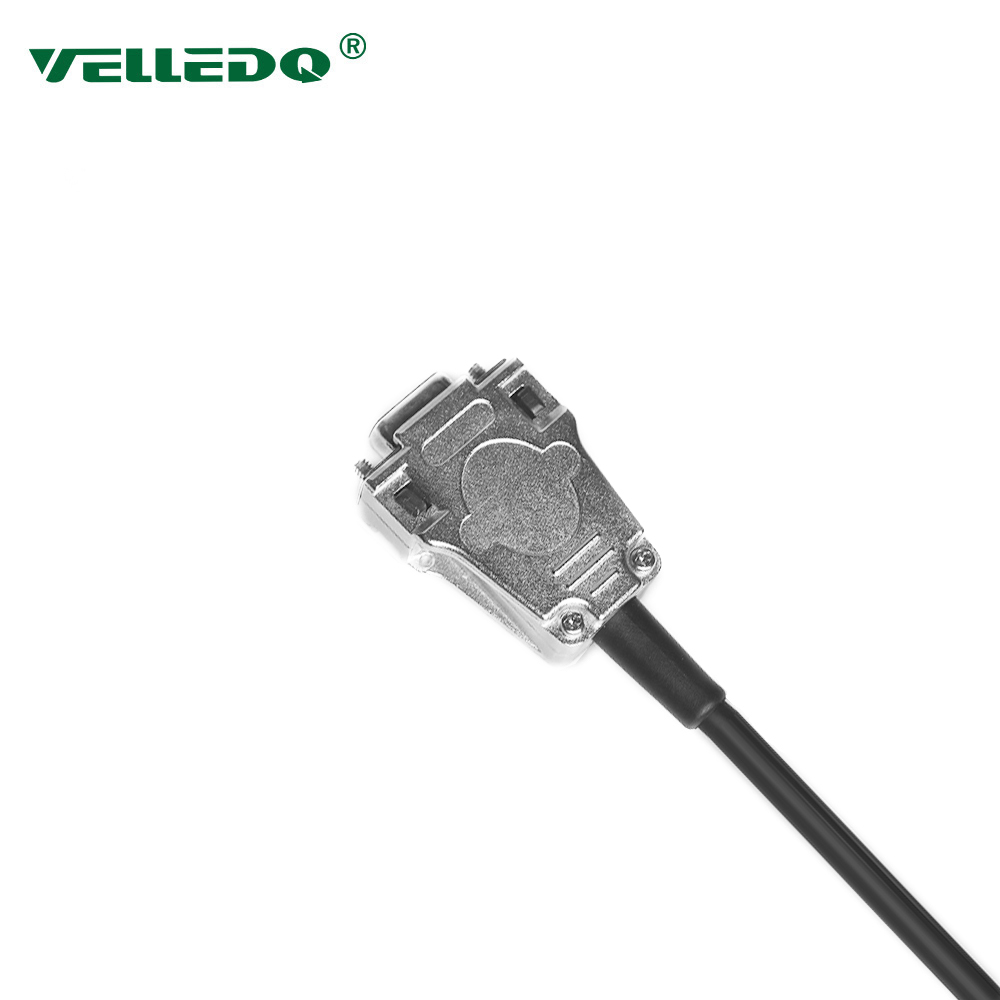
The growing concern over climate change and the depletion of traditional energy resources has led to a significant shift towards renewable energy sources. Among these, solar energy stands out as a promising, sustainable, and environmentally friendly option. Solar photovoltaic (PV) systems, in particular, have gained immense popularity in recent years for their ability to harness the sun’s energy and convert it into electricity. The specific application of D Sub connector cable in these green energy solutions, emphasizing their crucial role in ensuring efficient and reliable solar power generation.
1. Understanding Solar Photovoltaic Systems
Solar photovoltaic systems are designed to convert sunlight directly into electricity through the use of photovoltaic cells. These cells are typically made of semiconductor materials, such as silicon, which generate a flow of electrons when exposed to sunlight. When connected in a series or parallel configuration, these cells form solar panels. The electricity produced by the solar panels can either be used immediately or stored in batteries for later use.
2. The Advantages of Solar Photovoltaic Systems
The adoption of solar photovoltaic systems offers numerous advantages, making them an attractive alternative to traditional fossil-fuel-based power generation:
2.1. Renewable and Sustainable
Solar energy is a renewable resource, meaning it is constantly replenished by the sun. As long as the sun continues to shine, solar PV systems can generate electricity, reducing dependence on finite fossil fuels.
2.2. Environmentally Friendly
Solar PV systems produce clean energy, emitting no harmful greenhouse gases or air pollutants. By choosing solar energy, we can significantly reduce our carbon footprint and contribute to combating climate change.
2.3. Reduced Energy Bills
Investing in solar PV systems can lead to substantial long-term cost savings on energy bills, as homeowners and businesses can generate their own electricity and potentially even sell excess power back to the grid.
2.4. Energy Independence
Solar PV systems provide a level of energy independence, especially in remote areas with limited access to traditional power grids. This can enhance energy security and resilience during power outages or emergencies.
2.5. Low Operating and Maintenance Costs
Once installed, solar PV systems require minimal maintenance and have a long lifespan, making them a cost-effective energy solution in the long run.

3. Components of Solar Photovoltaic Systems
Solar PV systems consist of several key components that work together to harness solar energy and convert it into electricity. These components include:
3.1. Solar Panels
The core component of a solar PV system is the solar panel. Made up of multiple photovoltaic cells, these panels absorb sunlight and produce direct current (DC) electricity.
3.2. Inverters
The electricity produced by solar panels is in the form of direct current (DC). Inverters are responsible for converting this DC electricity into alternating current (AC), which is the type of electricity used in homes and businesses.
3.3. Mounting Systems
Mounting systems are used to secure the solar panels in place, ensuring optimal exposure to sunlight while withstanding various weather conditions.
3.4. Batteries (Optional)
For off-grid solar PV systems or systems with energy storage capabilities, batteries are used to store excess electricity generated during sunny periods for use during cloudy days or at night.
4. The Specific Application of D-Sub Connectors in Solar Photovoltaic Systems
4.1 The specific application of D Sub connector cable in data monitoring and communication within solar photovoltaic systems plays a crucial role in ensuring the efficient and reliable operation of these green energy solutions. As solar PV systems generate electricity, monitoring their performance in real-time becomes essential for maintenance and optimization. D-Sub connectors are utilized to establish secure and reliable data communication connections between various components, including solar panels, inverters, charge controllers, and monitoring equipment. Through these connectors, valuable data such as solar panel output, system efficiency, and battery charge levels can be transmitted to monitoring stations or integrated into building management systems. The versatility of D Sub connector cable allows for easy integration with data loggers, sensors, and other monitoring devices, enabling seamless data transfer and analysis. Moreover, their robust design ensures reliable performance even in harsh outdoor environments, protecting the data communication integrity in extreme temperatures, humidity, and exposure to sunlight. The use of D Sub connector cable in data monitoring and communication ensures that solar PV system operators have access to real-time performance data, allowing them to identify and address any issues promptly, maximize energy production, and optimize the system’s overall efficiency for sustainable and reliable solar power generation.

4.2 D Sub connector cable are renowned for their robust construction and secure connections, making them an ideal choice for grounding applications in solar PV systems. The threaded design of these connectors ensures a tight and stable connection between grounding wires and components, minimizing the risk of accidental disconnections that could compromise the system’s safety.In the event of an electrical fault, such as a short circuit or current overload, grounding is essential to provide a safe path for the excess electrical current to flow into the ground. D Sub connector cable enable the efficient transfer of fault currents to the ground, preventing damage to equipment and minimizing the risk of fire or other hazards.Solar PV systems, being exposed to the open sky, are susceptible to lightning strikes. Proper grounding with D-Sub connectors allows for the dissipation of lightning-induced electrical surges, safeguarding the system and its components from potential damage. The ability of D Sub connector cable to handle high electrical currents ensures effective lightning protection.
During installation and maintenance, solar PV systems can accumulate static charges. D Sub connector cable, when used for grounding purposes, provide a discharge path for these static charges, preventing potential damage to sensitive electronic components and ensuring a safe working environment for personnel.Grounding is a critical requirement to comply with electrical safety standards and regulations. D Sub connector cable’ reliable grounding connections help solar PV systems meet these safety requirements and ensure that the installations are in accordance with industry standards.
4.3 D Sub connector cable are also used in portable and mobile solar PV systems, allowing for easy disconnection and reconnection when moving the system to different locations. The specific application of D Sub connector cable in portable solar solutions within solar photovoltaic (PV) systems is instrumental in facilitating convenient and efficient energy generation on-the-go. Portable solar solutions are designed to provide renewable power in remote locations or during outdoor activities, such as camping, hiking, and emergency situations. D Sub connector cable play a vital role in these portable systems by enabling secure and reliable connections between solar panels, batteries, charge controllers, and other components. The versatility of D Sub connector cable allows for easy disconnection and reconnection, making portable solar solutions highly convenient and user-friendly. These connectors ensure the seamless transfer of power and data, allowing users to monitor the system’s performance and optimize energy usage. Furthermore, D Sub connector cable’ robust construction ensures durability and resilience to withstand the challenges of outdoor environments, including exposure to harsh weather conditions, temperature fluctuations, and physical impacts. With the integration of D Sub connector cable, portable solar solutions offer a sustainable and mobile power source, empowering individuals and organizations to access clean energy wherever and whenever needed.
5.Conclusion
Solar photovoltaic systems have emerged as a transformative solution for clean and sustainable energy generation. Harnessing the power of the sun, these systems offer numerous advantages, ranging from reduced energy bills to environmental preservation. At the heart of these green energy solutions lies the D Sub connector cable, serving as a critical component that ensures reliable and efficient power transmission within the solar PV system.
As solar energy continues to gain momentum globally, the integration of D Sub connector cable in photovoltaic applications will continue to be instrumental in advancing the adoption and deployment of solar PV systems worldwide. With a commitment to innovation and sustainable practices, solar photovoltaic systems, driven by D Sub connector cable, will continue to illuminate the world and pave the way for a greener and brighter future.