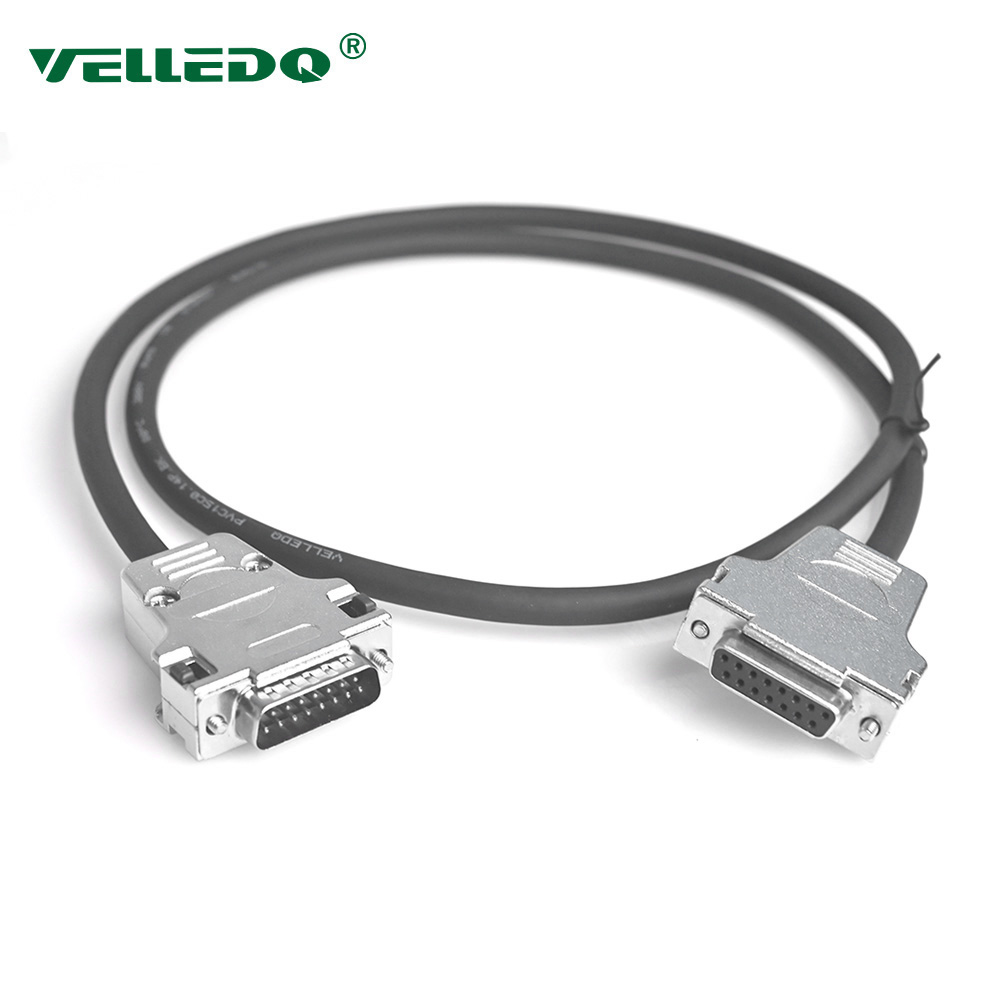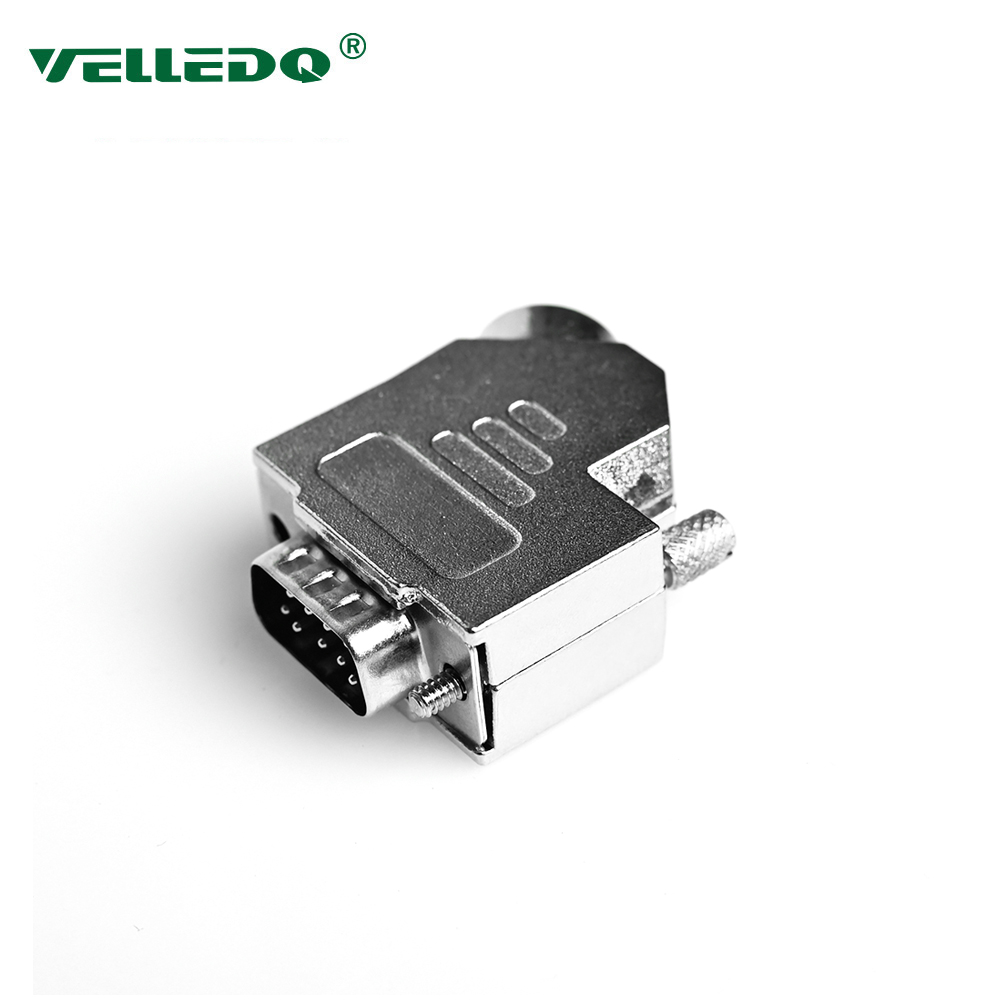

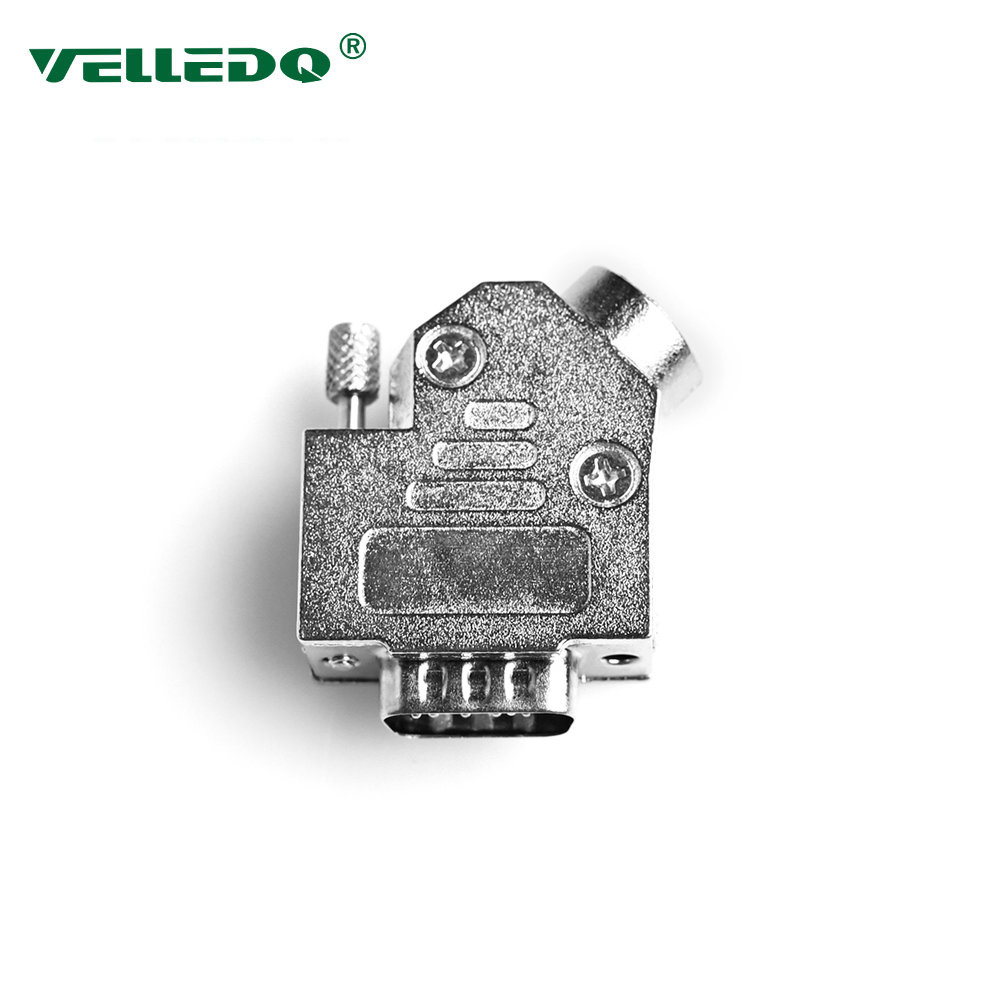
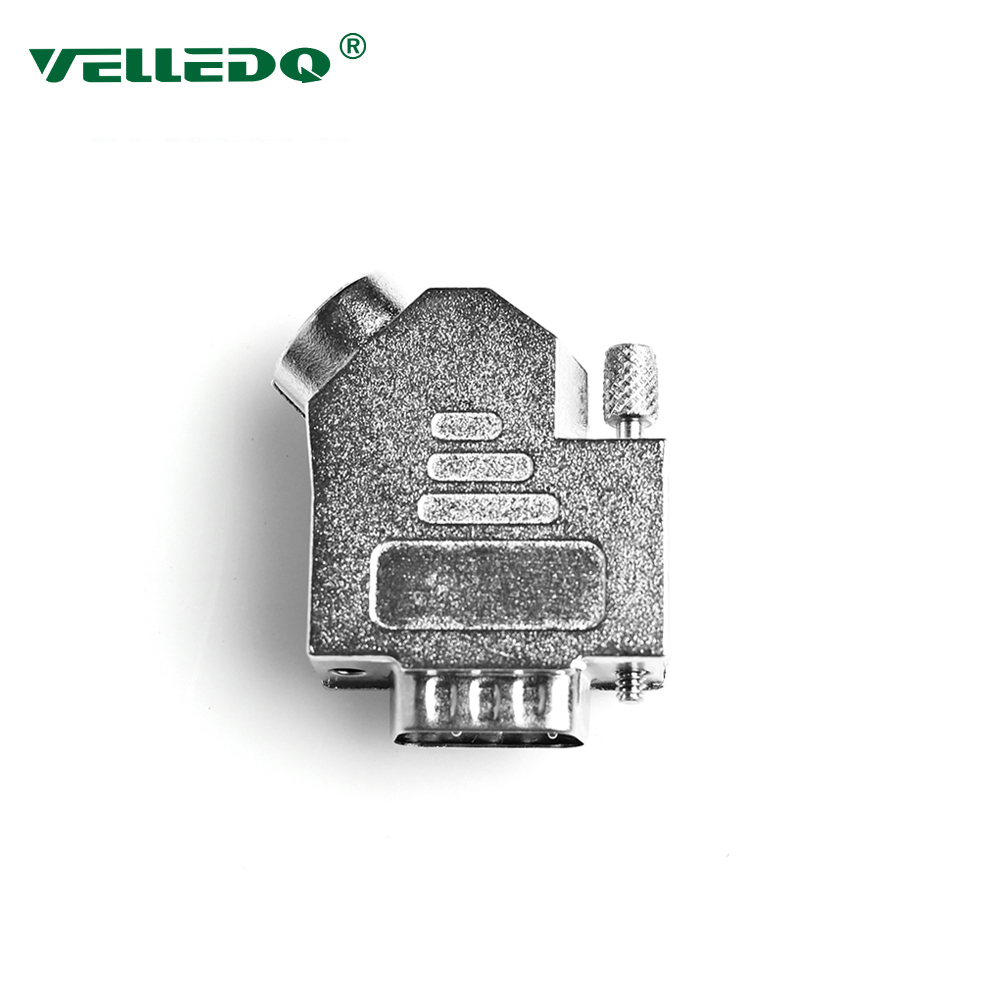
The D Sub connector, also known as the D-subminiature connector, has been a staple in the electronics industry for decades. With its distinctive D-shaped metal shell and reliable pin-and-socket design, the D Sub connector offers a versatile and robust connectivity solution for various applications.
The D Sub connector, also known as the D-subminiature connector or D-sub, is a type of electrical connector widely used in the electronics industry. It derives its name from its distinctive “D” shape, which allows for easy identification and differentiation from other connector types. The D Sub connector is designed to provide a secure and reliable connection for a range of applications, including data transmission, signal transfer, and power supply.
One of the defining characteristics of the D Sub connector is its pin configuration. It typically consists of two parallel rows of pins or sockets, with the number of pins varying depending on the connector size. Common configurations include 9, 15 and 25 pins, although higher pin counts are also available for specialized applications. The pins are arranged in a specific pattern, ensuring proper alignment and mating between the connectors.
The D Sub connector offers a versatile solution for various interfaces, including serial, parallel, and video connections. It supports different communication standards, making it suitable for applications in telecommunications, computer peripherals, industrial control systems, and more. The connector’s robust construction and shielding capabilities also make it well-suited for high-speed data transmission and resistance to electromagnetic interference.
The D Sub connector features a metal shell surrounding the pins, providing mechanical protection and ensuring reliable connectivity. The shell is often made of steel or zinc alloy, offering durability and resistance to corrosion. The connector’s locking screws or jackscrews further enhance its stability, preventing accidental disconnection due to vibration or movement.
Furthermore, the D Sub connector is known for its gendered design. It consists of two main variants: the male connector, which features pins, and the female connector, which contains sockets to receive the pins. This gendered design ensures compatibility and enables the creation of reliable connections between different devices or equipment.
Features and Design of the D Sub Connector
The D Sub connector is known for its unique features and design, which contribute to its functionality and versatility. Some key features of the D-Sub connector include:
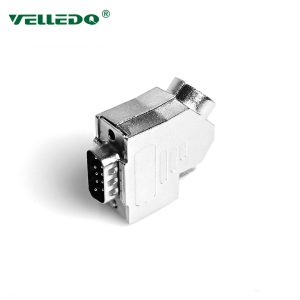
a) D-Shaped Metal Shell: The D Sub connector derives its name from the distinctive D-shaped metal shell that provides mechanical strength and protection for the internal connections. The metal shell also facilitates proper orientation and mating of the connectors, preventing incorrect connections.
b) Pin-and-Socket Contacts: The D Sub connector utilizes pin-and-socket contacts for electrical connections. The pins and sockets are arranged in rows, with the number of pins varying depending on the connector size. Common configurations include 9, 15, 25, 37, and 50 pins. These contacts ensure secure and reliable electrical connections, supporting both power and signal transmission.
c) Screw Locking Mechanism: Many D Sub connectors feature a screw locking mechanism that enhances the stability and integrity of the connection. The screws on the metal shell can be tightened to secure the connector, preventing accidental disconnection, particularly in applications with vibrations or movement.
d) Various Housing Options: The D Sub connector is available in different housing options, including plastic, metal. The housing material affects the connector’s durability, resistance to environmental factors, and suitability for specific applications.
The different between metal D Sub connector and plastic D-sub connector
The main difference between metal D Sub connector and plastic D Sub connector lies in their construction materials and associated properties. Metal D-sub connectors, as the name suggests, feature a shell or housing made of metal, typically steel or zinc alloy. This metal construction provides excellent durability, strength, and resistance to corrosion, making them ideal for applications that require robustness and longevity. Metal D Sub connectors also offer superior shielding capabilities, effectively protecting against electromagnetic interference (EMI) and ensuring reliable signal transmission.
On the other hand, plastic D Sub connector is constructed using various types of plastic materials, such as PVC (polyvinyl chloride) or ABS (acrylonitrile butadiene styrene). Plastic connector is lighter in weight compared to their metal counterparts, making it suitable for applications where weight reduction is a concern. They are also generally more cost-effective, making them a popular choice in budget-conscious projects. However, plastic D Sub connector may not provides the same level of mechanical strength and durability as metal connectors. They may be more prone to wear and damage, particularly in harsh environments or applications that involve frequent mating and unmating of the connectors.
Advantages of the D Sub Connector
The D Sub connector offers several advantages that have contributed to its enduring popularity:
a) Robust Construction: The metal shell and sturdy design of the D Sub connector provide excellent mechanical strength and durability. It can withstand harsh environmental conditions, vibrations, and physical impacts, making it suitable for applications in industrial and rugged environments.
b) Versatility: The D Sub connector is highly versatile and widely used in various industries. It is compatible with a range of signals, including analog, digital, and high-frequency signals. Additionally, the D-Sub connector supports both power and signal transmission, making it suitable for a broad range of applications.
c) Ease of Termination: The D Sub connector is relatively easy to terminate, allowing for efficient and hassle-free installation. Termination methods may include soldering, crimping, or insulation displacement, depending on the specific connector type and application requirements.
d) Cost-Effective Solution: The D Sub connector is a cost-effective connectivity solution, offering reliable performance at an affordable price point.
Its widespread use and availability contribute to its cost-effectiveness, making it a preferred choice for many applications.
e) Industry Standard: The D Sub connector adheres to industry standards, ensuring compatibility and interchangeability across different manufacturers. This standardization simplifies system integration, component replacement, and maintenance, offering flexibility and convenience to professionals.
Applications of the D Sub Connector
The D-Sub connector finds applications in a wide range of industries and sectors, including:
a) Computer and Information Technology: The D Sub connector has been widely used in computer hardware, particularly for video connections. It is commonly found in VGA, serial, and parallel ports, allowing for reliable data transmission between computers, monitors, printers, and other peripherals.
b) Industrial Automation: The D Sub connector plays a crucial role in industrial automation systems, connecting various components such as sensors, actuators, motors, and control devices. Its robustness, versatility, and reliability make it suitable for demanding industrial environments.
c) Aerospace and Defense: The D Sub connector is employed in aerospace and defense applications, where reliable and rugged connectivity is essential. It is used in avionics, radar systems, communication equipment, and military vehicles, ensuring secure and high-performance connections in challenging environments.
d) Medical Equipment: The D Sub connector is found in medical equipment and devices, facilitating connections between different components. It is commonly used in imaging systems, patient monitoring devices, laboratory equipment, and diagnostic tools, ensuring accurate data transmission and system integrity.
e) Telecommunications: The D Sub connector is utilized in telecommunications equipment for data transmission, including modems, routers, switches, and network interfaces. Its reliable performance and versatility make it suitable for both commercial and industrial telecommunications applications.
f) Automotive and Transportation: The D Sub connector finds applications in the automotive industry, connecting various electrical and electronic systems. It is used in vehicle diagnostics, infotainment systems, GPS devices, and on-board computers, providing reliable and secure connections in automotive environments.
The D Sub connector’s distinctive design, robust construction, versatility, and reliable performance have made it a popular choice in the electronics industry for decades. With its ability to support both power and signal transmission, the D Sub connector finds applications in computer hardware, industrial automation, aerospace, medical equipment, telecommunications, automotive, and various other sectors. Professionals across industries can confidently rely on the D Sub connector for their connectivity needs, benefiting from its durability, ease of termination, cost-effectiveness, and adherence to industry standards. The enduring significance of the D Sub connector lies in its ability to provide secure and efficient connections, contributing to the optimal performance of electrical and electronic systems.