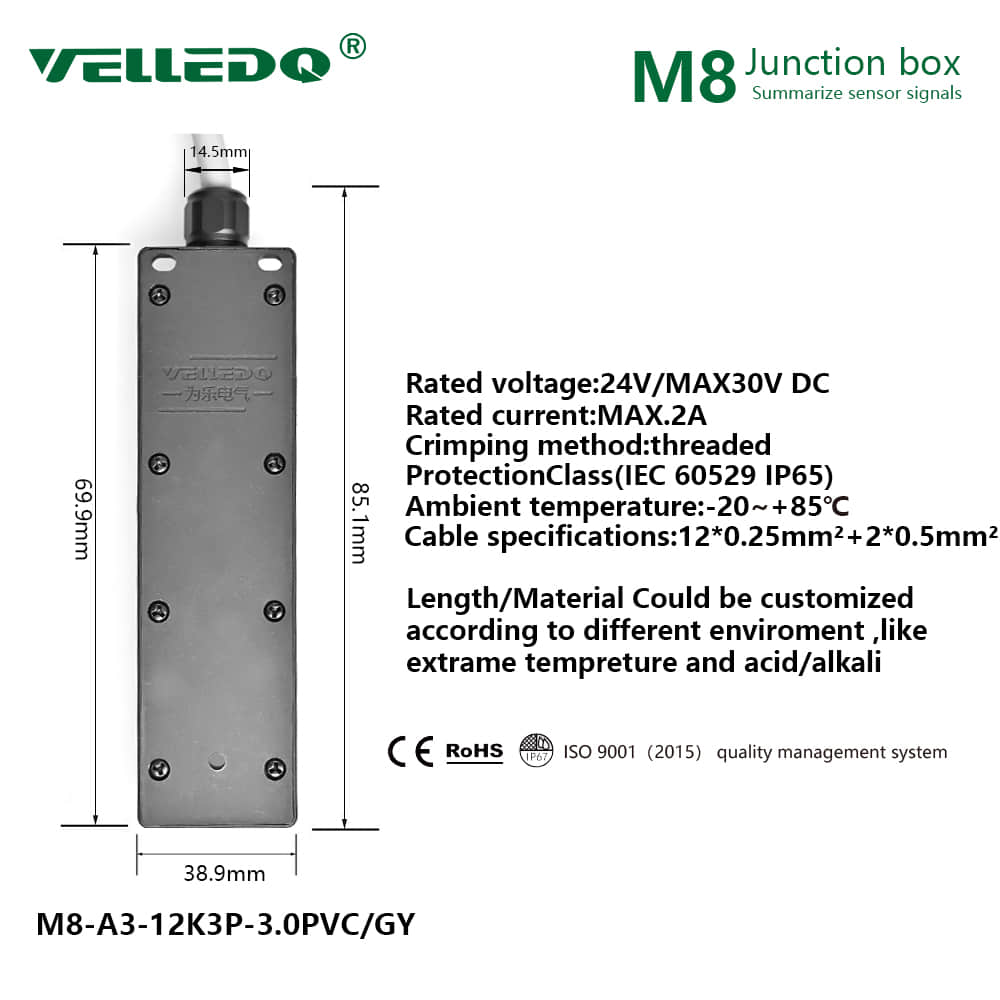


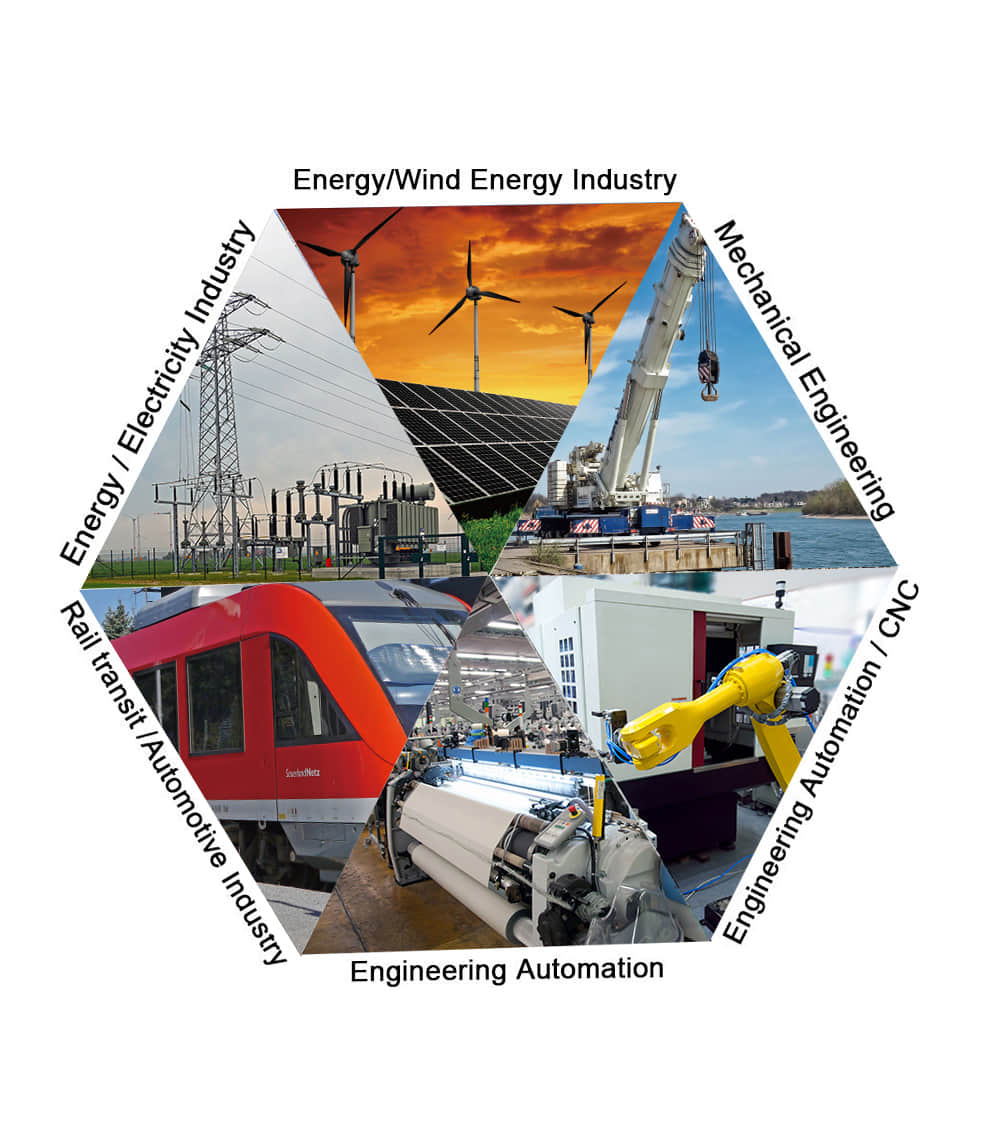
The construction machinery industry is a dynamic and vital sector that plays a pivotal role in infrastructure development around the world. Construction sites are filled with various types of heavy machinery and equipment, all working in unison to complete complex projects efficiently. One crucial aspect of ensuring the smooth operation and safety of these machines is the proper utilization of electric junction boxes. These essential components serve as vital connections, facilitating the flow of electrical power and signals, while also providing protection against hazards and enhancing operational efficiency. In this article, we will explore the importance of electric junction boxes in the construction machinery industry, highlighting their functions, benefits, and the latest advancements in their design and implementation.
I. The Fundamentals of Electric Junction Boxes
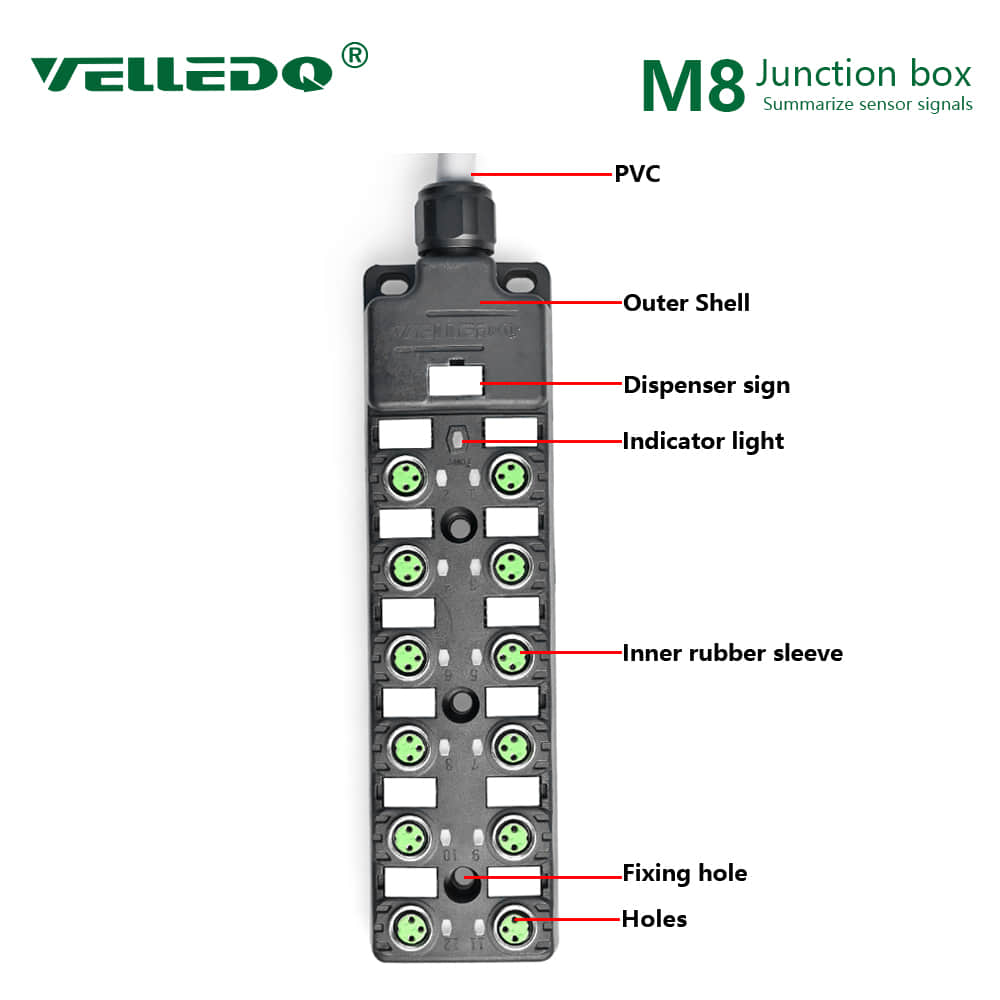
Definition and Purpose Electric junction boxes are enclosures designed to house electrical connections, protect wires, and serve as a hub for interconnecting electrical circuits. They are integral to the construction machinery industry, where they act as centralized points for electrical distribution and control. These boxes ensure safe and organized wiring systems while allowing easy access for maintenance, repairs, and upgrades.Types of Electric Junction Boxes There are several types of electric junction boxes commonly employed in the construction machinery industry:a. Standard Junction Boxes: These boxes are versatile and widely used across various applications. They provide protection against dust, water, and mechanical damage, and they come in different sizes to accommodate different wiring configurations.Terminal Junction Boxes: Terminal boxes are used to terminate and connect wires in a secure manner. They are commonly employed in situations where multiple wires need to be joined or connected to electrical components such as motors or sensors.
II. Functions and Benefits of Electric Junction Boxes in Construction Machinery
- Electrical Safety and Protection Electric junction boxes serve as a primary means of electrical safety in construction machinery. By providing a protective enclosure, they prevent accidental contact with live wires, reducing the risk of electrical shocks or short circuits. Additionally, junction boxes guard against environmental factors such as dust, moisture, and vibrations that could potentially damage electrical connections or compromise machinery performance.
- Wiring Organization and Accessibility Proper organization and accessibility of wiring systems are crucial for efficient construction machinery operation. Electric junction boxes offer a centralized location for connecting and routing wires, ensuring a neat and structured layout. This arrangement simplifies troubleshooting, maintenance, and upgrades, allowing technicians to quickly identify and address any issues. Moreover, well-designed junction boxes enable easy access to wiring connections, reducing downtime during repairs and minimizing operational disruptions.
- Electrical Distribution and Control Construction machinery often relies on various electrical components, including motors, sensors, and control systems.
Electric junction boxes facilitate efficient electrical distribution by serving as the interface between power sources and these components. They enable the routing of power and control signals, allowing for precise operation and coordination of machinery functions. Junction boxes also play a crucial role in distributing power to different parts of the equipment, optimizing performance and ensuring balanced electrical loads.
4.Environmental Protection The construction machinery industry operates in a variety of demanding environments, including dusty construction sites, extreme temperature conditions. Electrical junction boxes protect electrical connections from these environmental factors. By preventing the entry of water, dust, or other contaminants, junction boxes help maintain equipment reliability, extend life, and minimize the need for expensive repairs or replacements.
5.Compliance with Industry Standards and Regulations The construction machinery industry is subject to various safety and compliance regulations. Electric junction boxes, when designed and installed correctly, contribute to meeting these standards. Compliance ensures that construction machinery operators, technicians, and other personnel are protected from electrical hazards, and it helps mitigate legal liabilities for manufacturers and construction companies.
III. Advancements in Electric Junction Boxes
- Integration of Smart Technologies The advent of smart technologies has led to significant advancements in electric junction boxes. These intelligent boxes incorporate features such as remote monitoring, data logging, and predictive maintenance capabilities. By collecting and analyzing data from connected machinery, smart junction boxes enable proactive maintenance, reduce downtime, and enhance overall efficiency.
- Miniaturization and Modular Design Advancements in materials and manufacturing techniques have facilitated the miniaturization and modular design of electric junction boxes. Smaller and more compact boxes are now available, allowing for easier integration into machinery with limited space. Modular designs enable flexibility and scalability, as additional modules can be added or removed as per specific requirements, simplifying installation and reducing costs.
- Enhanced Safety Features Safety remains a primary concern in the construction machinery industry, and electric junction boxes continue to evolve to address these concerns. Advanced safety features, such as integrated circuit breakers, ground fault circuit interrupters (GFCIs), and surge protection devices, are now integrated into junction box designs. These features offer increased protection against electrical faults, reduce the risk of electrical fires, and enhance overall operational safety.
- Energy Efficiency Measures Electric junction boxes can contribute to energy efficiency in construction machinery. Improved insulation materials and better heat dissipation techniques help reduce energy losses and improve overall equipment performance. Furthermore, the integration of energy monitoring systems within junction boxes allows operators to monitor and optimize energy usage, leading to cost savings and reduced environmental impact.
Conclusion
Electric junction boxes are vital components within the construction machinery industry, serving as critical links in the electrical distribution and control systems. They enhance safety, protect electrical connections, and provide accessibility for maintenance and troubleshooting. With advancements such as smart technologies, miniaturization, enhanced safety features, and energy efficiency measures, electric junction boxes continue to evolve and improve the overall efficiency and reliability of construction machinery. As the construction industry embraces technological advancements, the role of electric junction boxes will become even more critical, ensuring safe and efficient operation on construction sites worldwide.
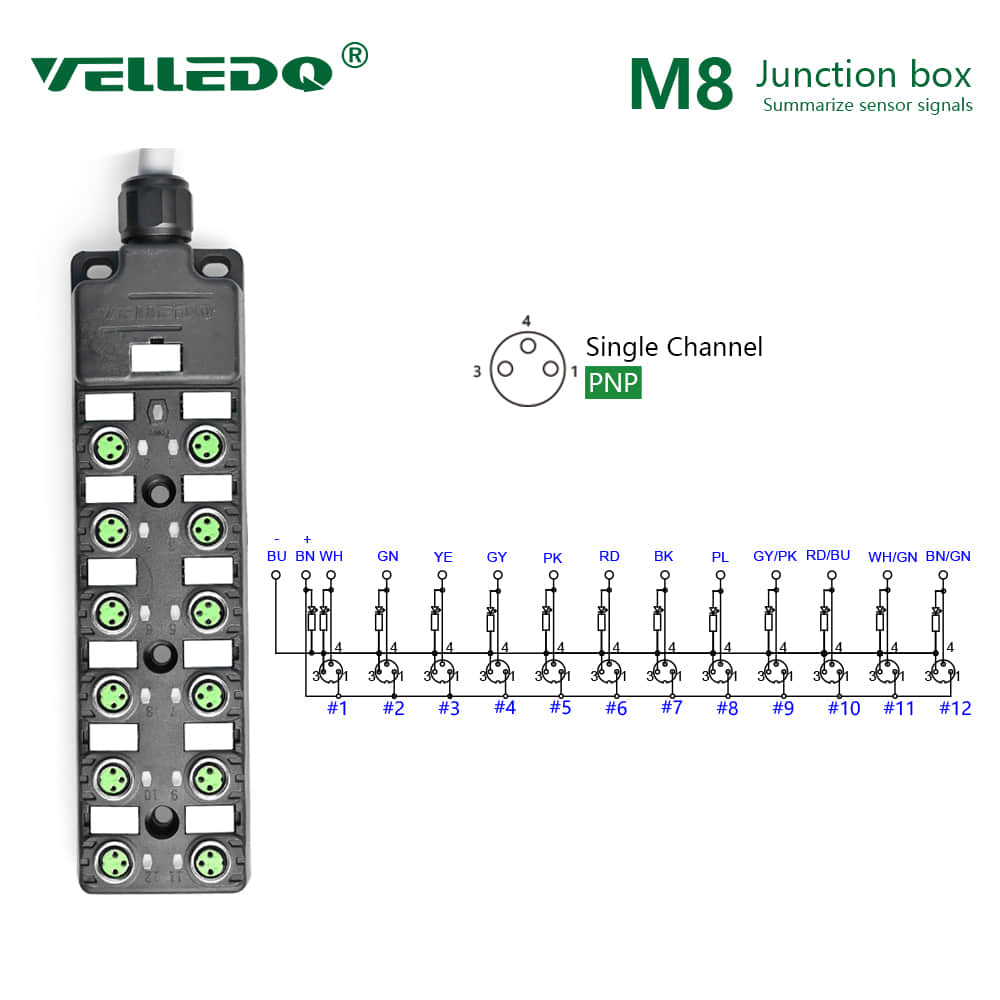
Q1: What is an electric junction box? A1: An electric junction box, also known as a junction box or electrical enclosure, is a protective housing that contains electrical connections, wires, and components. It serves as a central hub for joining and protecting electrical circuits, facilitating safe and organized electrical installations.
Q2: What are the primary functions of an electric junction box? A2: The main functions of an electric junction box are: a. Protection: It safeguards electrical connections from external elements such as moisture, dust, and physical damage, reducing the risk of electrical faults, short circuits, and fires. b. Organization: Junction boxes facilitate neat and organized cable management, preventing wire entanglement, ensuring easy troubleshooting, and enhancing system maintenance and repairs. c. Safety: They isolate electrical circuits, preventing interference and reducing the risk of electrical shocks. Junction boxes also provide grounding points to enhance safety.
Q3: What are the different types of electric junction boxes? A3: Electric junction boxes come in various types, including: a. Plastic Junction Boxes: Made of durable plastic, these boxes are cost-effective and suitable for most residential and light commercial applications. b. Metal Junction Boxes: Constructed from materials like steel or aluminum,
metal junction boxes offer enhanced durability and are commonly used in industrial and outdoor environments. c. Weatherproof Junction Boxes: These boxes have additional seals and gaskets to protect against moisture, making them ideal for outdoor installations.
Q4: How do I choose the right size of an electric junction box? A4: When selecting an electric junction box, consider the number and gauge of wires you plan to connect. The box should provide ample space to accommodate the wires and allow for proper cable management. Overcrowding can lead to heat buildup and potential hazards, so it’s crucial to choose a box that offers sufficient internal space.
Q5: Can I install electrical junction boxes in humid environments? A5: Yes, you can install electrical junction boxes in humid environments. These boxes have characteristics such as waterproof sealing and corrosion resistance, which can prevent the influence of environmental factors.
Q6: Can I install an electric junction box myself? A6: While it’s possible to install an electric junction box as a DIY project, it’s recommended to consult a qualified electrician, especially for complex installations or if you’re unsure about local electrical codes. Professional guidance ensures safety and compliance with regulations.
Q7: How do I maintain an electric junction box? A7: Regular maintenance is essential to ensure the optimal performance of an electric junction box. Some maintenance practices include: a. Inspecting for signs of damage, wear, or corrosion. b. Cleaning the box and removing any debris or dust. c. Checking for loose connections and tightening them if necessary. d. Verifying that the box is properly sealed to protect against moisture.
Q8: Can an electric junction box be reused if I modify my electrical system? A8: In some cases, an electric junction box can be reused if it remains in good condition and meets the requirements of the modified electrical system. However, it’s crucial to consult an electrician to ensure the box’s compatibility and safety.