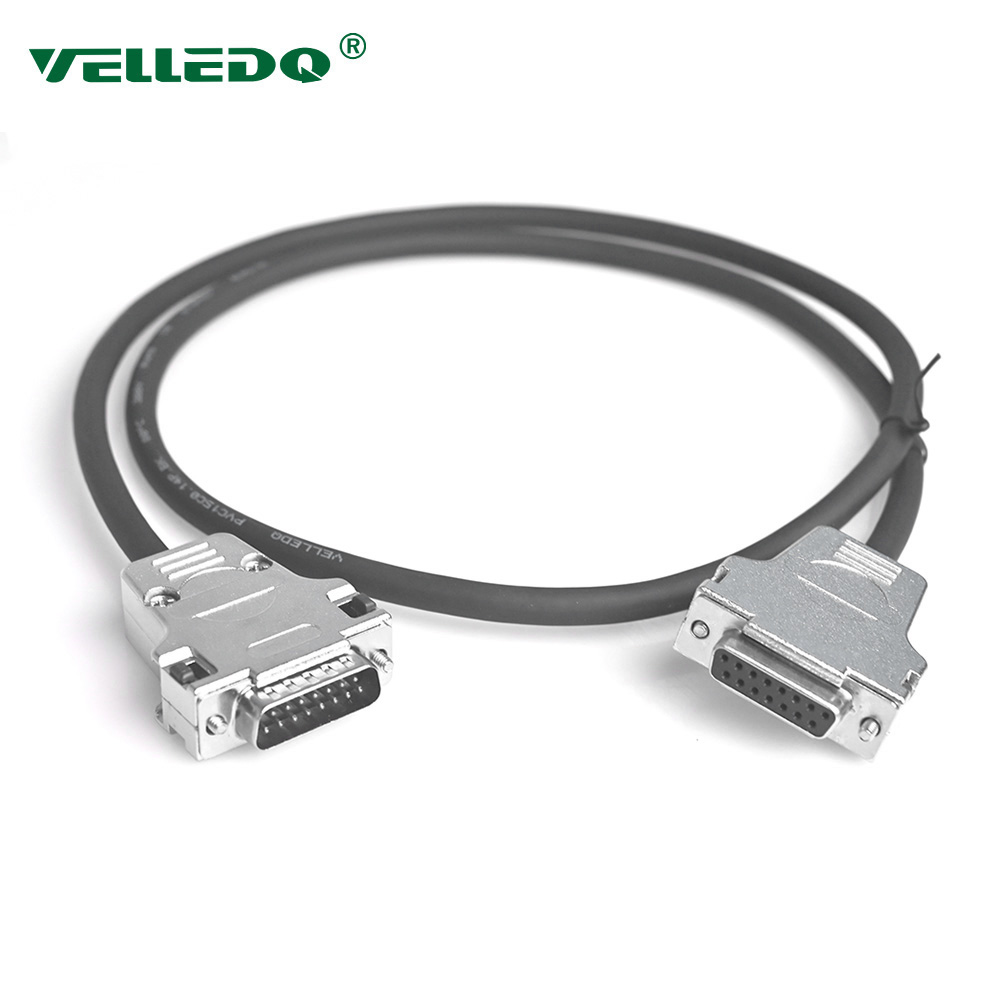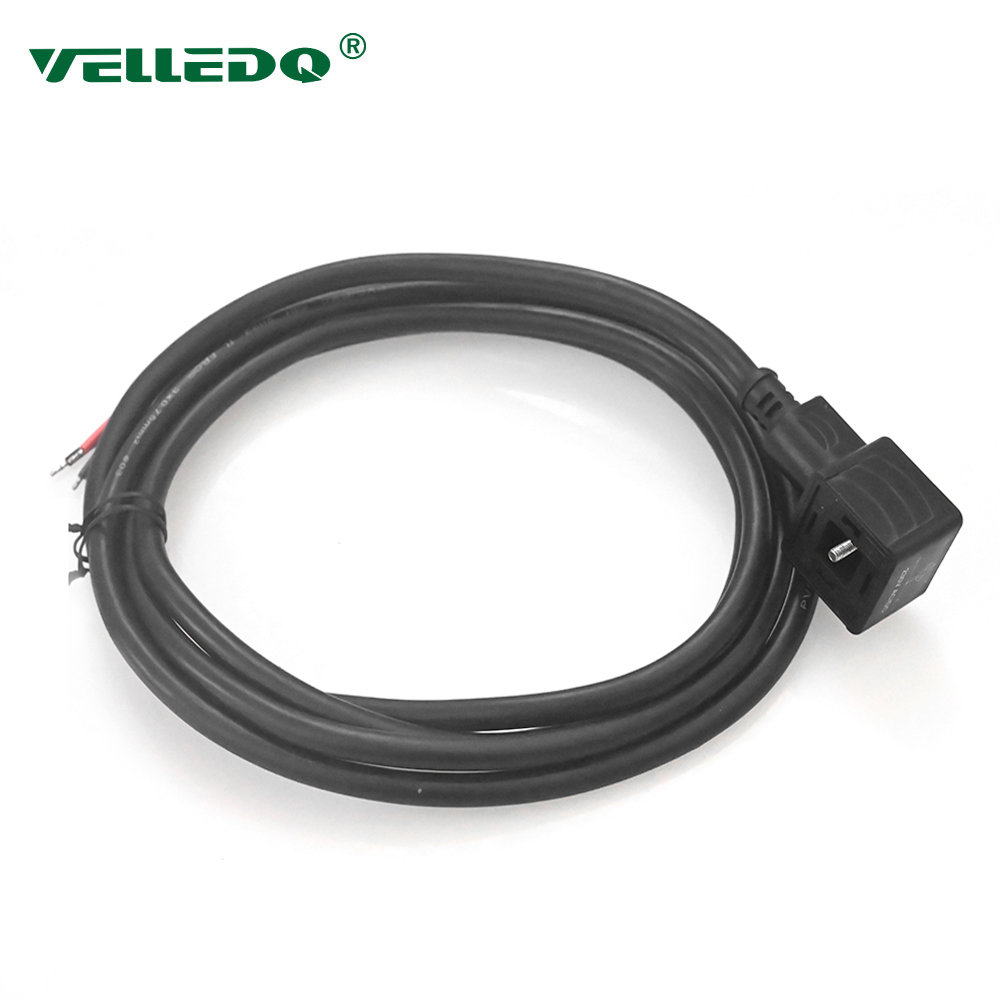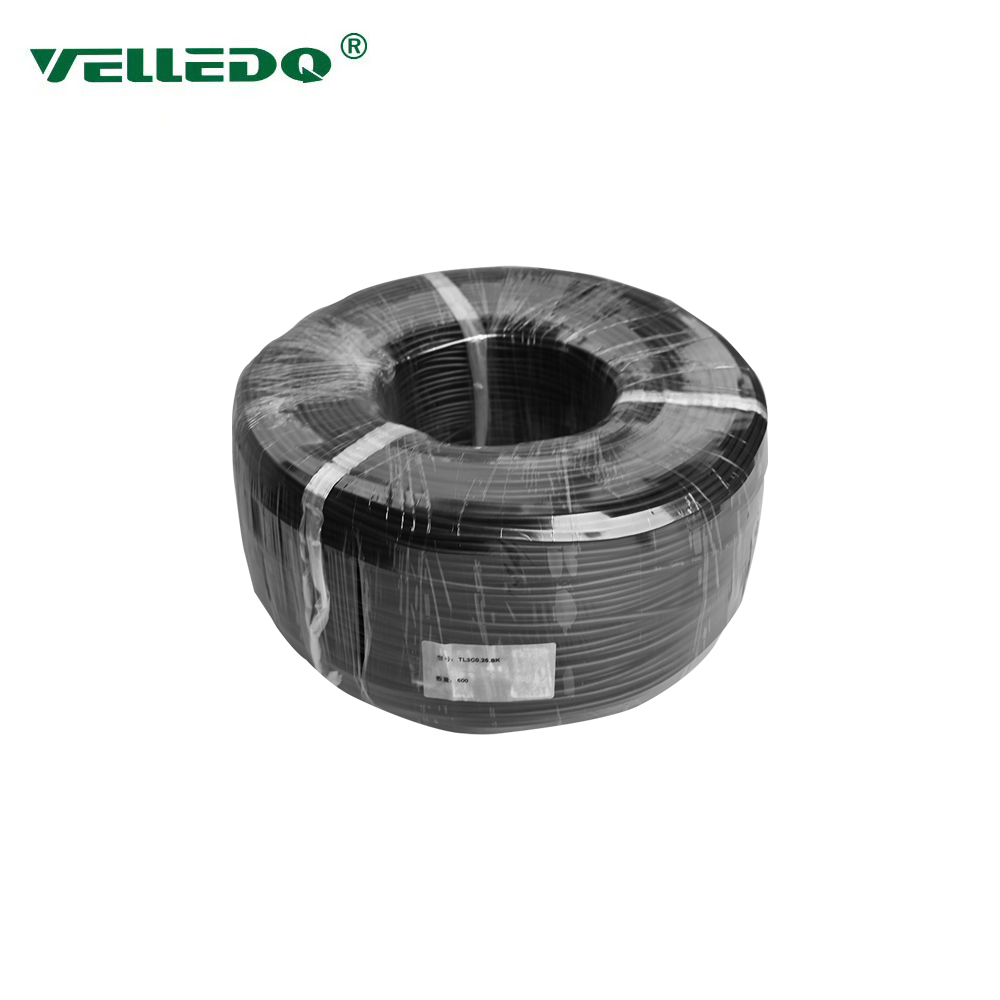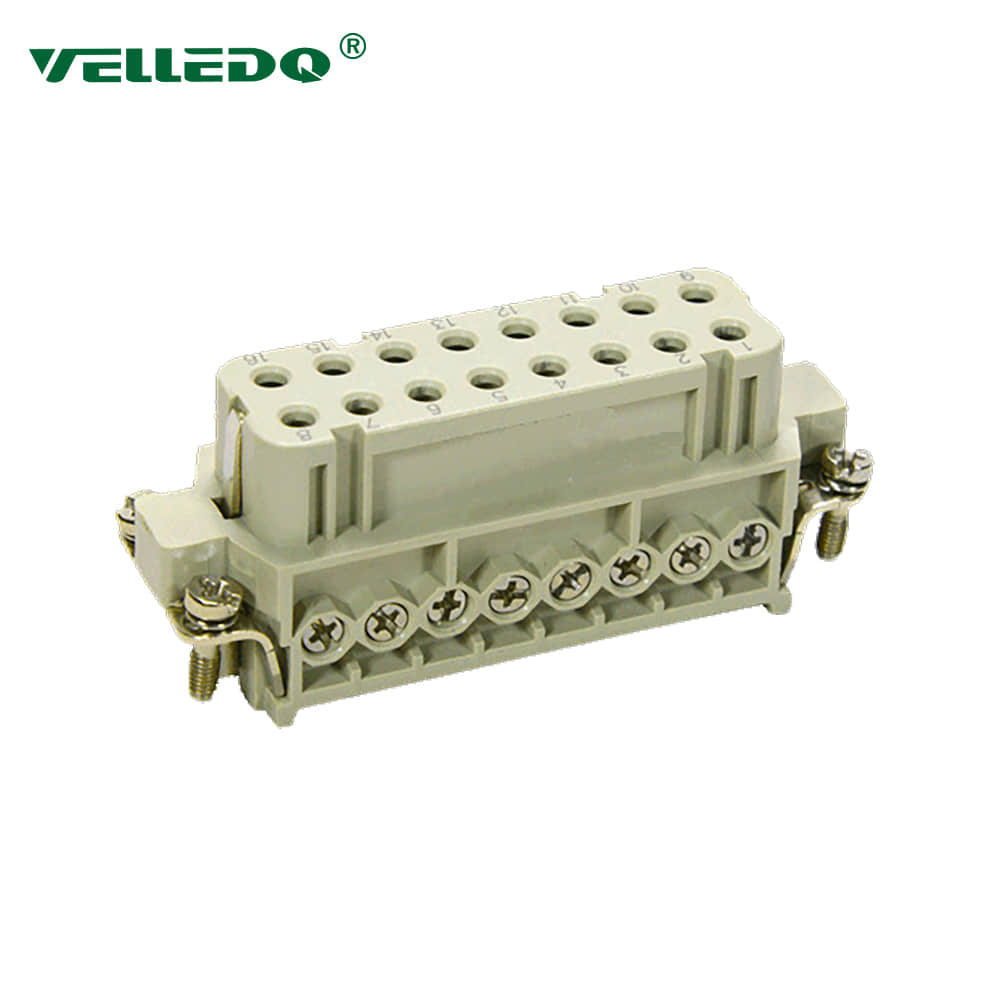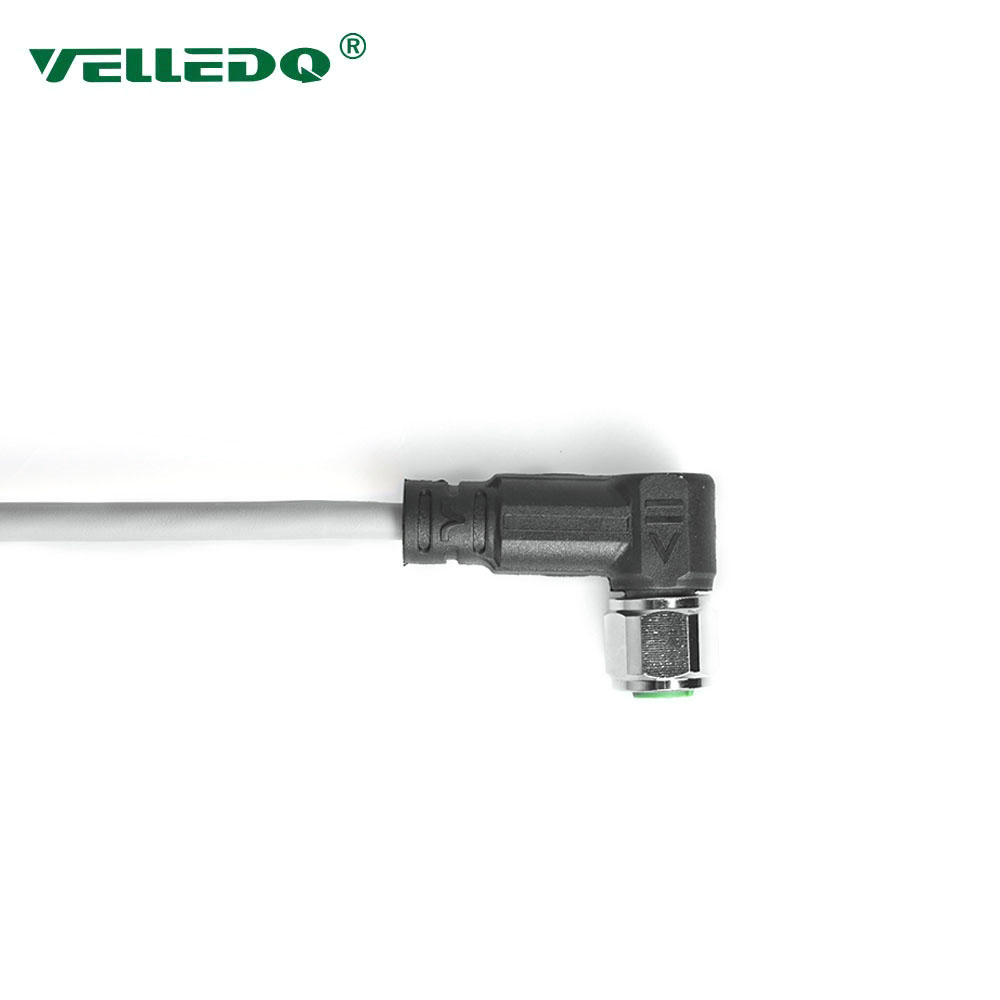

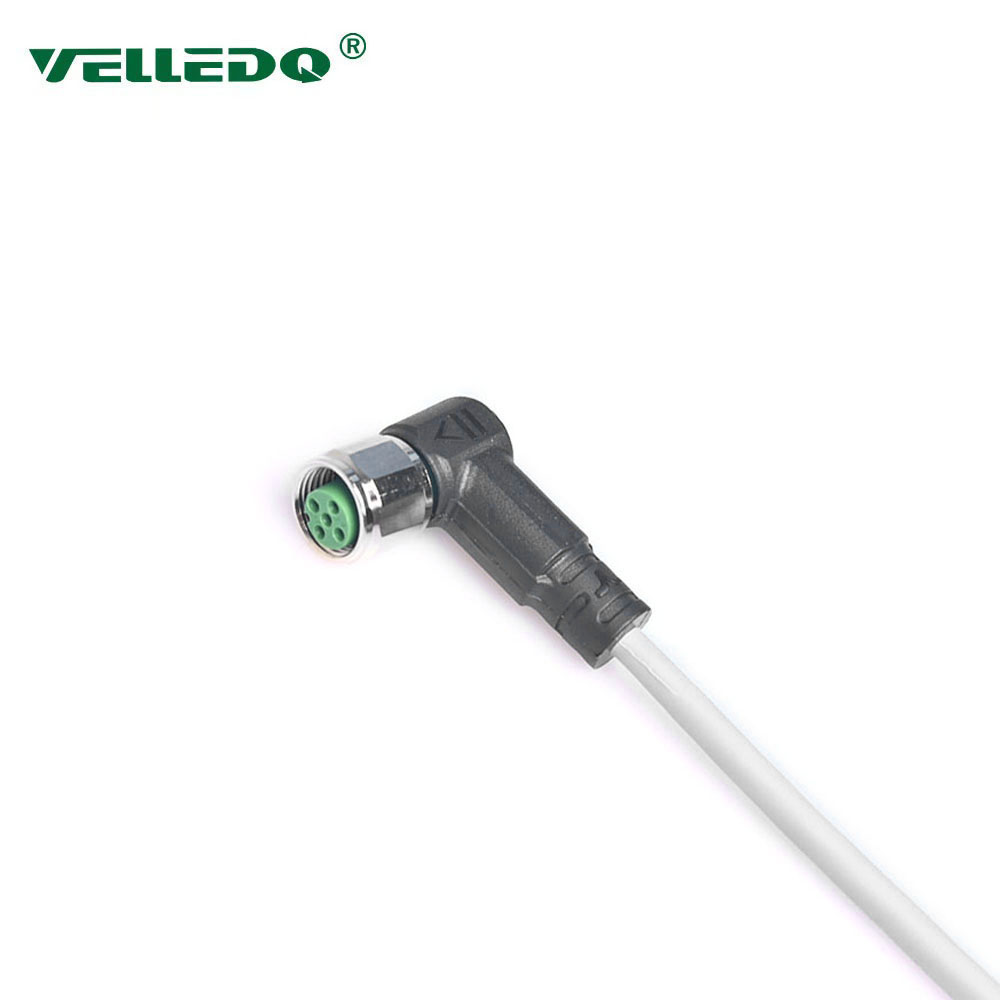
The electrical connector cable is a versatile and widely used connector system known for its robustness and reliable connectivity. It features a circular design with a threaded coupling mechanism, making it ideal for industrial applications where secure connections are required. The electrical connector cable is commonly used in industries such as automation, automotive, manufacturing, and telecommunications, as well as in various applications within those industries.
One of the key advantages of the electrical connector cable is its rugged construction, which allows it to withstand harsh environmental conditions. The cable is designed to provide protection against dust, water, and other contaminants, ensuring reliable performance in demanding settings. It typically has an IP67 or IP68 rating, which means it is highly resistant to moisture and can be submerged in water for extended periods without compromising its functionality.
The electrical connector cable is available in different versions to accommodate various applications. It can be found in multiple configurations, including 3-pin, 4-pin, 5-pin, and 8-pin options, each with its specific purpose. The pins within the M12 connector are arranged in a circular pattern, and the number of pins determines the type of signal or power transmission that can be achieved. This flexibility makes the electrical connector cable suitable for a wide range of applications, from simple power connections to complex data and signal transmission.
Another notable feature of the electrical connector cable is its compatibility with different communication protocols, such as Ethernet, Profibus, DeviceNet, and CAN bus. This makes it a preferred choice for connecting various industrial devices, including sensors, actuators, motors, and control systems. The electrical connector cable’s compatibility with different protocols allows for seamless integration and efficient data exchange in industrial automation and control systems.
The yaw control system plays a critical role in wind power generation by ensuring that the wind turbine is constantly aligned with the wind direction for optimal energy capture. The electrical connector cable, with its robust design and reliable connectivity, finds specific applications within the yaw control system of wind turbines.
One of the primary applications of the electrical connector cable in the yaw control system is the communication between various components. The yaw control system consists of sensors, motors, controllers, and other devices that require seamless data exchange and synchronization. The electrical connector cable, known for its ruggedness and resistance to environmental factors, provides a dependable connection between these components. It enables the transfer of signals and data related to wind direction, turbine position, and control commands, ensuring precise and real-time communication within the system.
Furthermore, the electrical connector cable is utilized for power transmission within the yaw control system. The system requires a reliable power supply to operate motors and actuators responsible for yaw adjustment. The electrical connector cable, with its robust construction and ability to handle high currents, serves as a reliable power conduit. It ensures efficient power transmission, enabling the smooth and accurate movement of the turbine.
In wind power generation, wind turbines are exposed to various environmental conditions, including strong winds, temperature fluctuations, and moisture. The electrical connector cable is specifically designed to withstand these harsh conditions. Its IP67 or IP68 rating ensures protection against dust, water, and other contaminants, making it suitable for outdoor installations. This robustness enables the electrical connector cable to maintain consistent performance and reliable connectivity in challenging wind turbine environments.
The electrical connector cable’s versatility and compatibility with different connector types make it an ideal choice for the yaw control system. It is available in various configurations, such as straight, right-angle, and over-molded, allowing easy installation and flexible routing of cables within the turbine structure. The M12 connector’s compact size is advantageous in wind turbines, where space is often limited.
Moreover, the electrical connector cable’s resistance to vibrations and mechanical stress is essential in the yaw control system. As the turbine adjusts its position to align with the wind direction, mechanical movements and vibrations are inevitable. The M12 cable’s robust construction and secure locking mechanism ensure a stable and uninterrupted connection, even in the presence of these dynamic forces.
In terms of maintenance and serviceability, the electrical connector cable offers convenience. Its modular design allows for quick and easy replacement of damaged or faulty cables, minimizing downtime and reducing maintenance costs. This modularity also enables scalability, as additional components or sensors can be easily integrated into the yaw control system without major modifications.
In conclusion, the electrical connector cable finds specific applications in the yaw control system of wind turbines, providing reliable connectivity, efficient power transmission, and resistance to harsh environmental conditions. Its robustness, compatibility, and modular design make it well-suited for wind power generation, ensuring smooth operation and optimal energy capture. The electrical connector cable contributes to the overall reliability, performance, and longevity of wind turbines, supporting the growth of sustainable and renewable energy generation.
The application of electrical connector cable in condition monitoring plays a crucial role in ensuring the reliable and efficient operation of wind turbines in the field of wind power generation. Condition monitoring involves the continuous monitoring and analysis of various parameters and signals to detect potential faults or abnormalities in the turbine’s components. The M12 cable, known for its robustness and versatility, finds specific applications within the condition monitoring system of wind turbines.
One of the primary applications of the electrical connector cable in condition monitoring is the connection of sensors and measurement devices. Wind turbines are equipped with a range of sensors that monitor parameters such as temperature, vibration, strain, and electrical signals. These sensors are strategically placed in different parts of the turbine to capture real-time data on the turbine’s health and performance. The electrical connector cable, with its reliable and secure connectivity, ensures the accurate transmission of sensor data to the monitoring system. This allows for continuous monitoring of critical parameters, enabling early detection of potential faults or performance degradation.
Furthermore, the electrical connector cable is utilized for power transmission within the condition monitoring system. Many sensors and measurement devices require a power supply to operate. The electrical connector cable’s robust construction and high-quality conductors enable efficient power transmission, ensuring reliable and uninterrupted operation of these devices.
This is essential for collecting accurate and reliable data for condition monitoring and diagnostic purposes.
The electrical connector cable’s ability to withstand harsh environmental conditions is crucial in condition monitoring applications. Wind turbines are exposed to extreme weather conditions, including strong winds, temperature variations, and moisture. The electrical connector cable is specifically designed to withstand these challenging environments. With its IP67 or IP68 rating, the electrical connector cable provides protection against dust, water, and other contaminants. This ensures that the condition monitoring system operates reliably in all weather conditions, minimizing the risk of false readings or system failures.
In wind turbines, space is often limited, especially in the nacelle and tower sections where condition monitoring systems are installed. The compact size of the M12 connector is advantageous in such confined spaces, allowing for easy installation and routing of cables. The M12 connector’s secure locking mechanism also ensures a reliable and stable connection, even in the presence of vibrations and mechanical stress caused by wind and turbine operation.
Moreover, the modular design of the electrical connector cable offers convenience in maintenance and serviceability. In case of cable damage or replacement, the modular design allows for quick and easy replacement without the need for extensive rewiring. This reduces downtime and maintenance costs, ensuring that the condition monitoring system remains operational and effective.
In conclusion, the electrical connector cable plays a critical role in the condition monitoring of wind turbines in wind power generation. Its reliable connectivity, efficient power transmission, resistance to harsh environmental conditions, and compact design make it well-suited for this application. The electrical connector cable enables the accurate transmission of sensor data, ensuring continuous monitoring and early detection of potential faults or performance degradation. By incorporating the electrical connector cable in the condition monitoring system, wind power operators can optimize turbine performance, increase reliability, and minimize maintenance costs, thereby contributing to the efficient and sustainable generation of wind power.