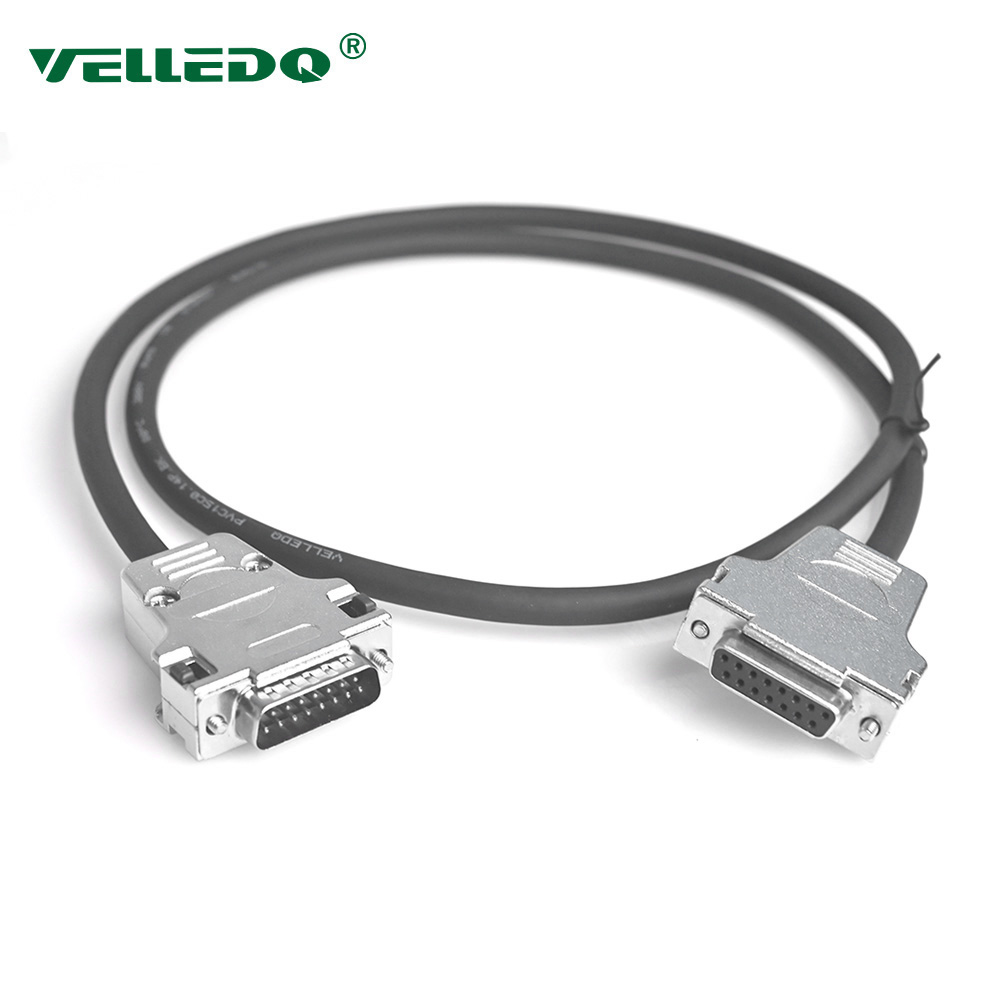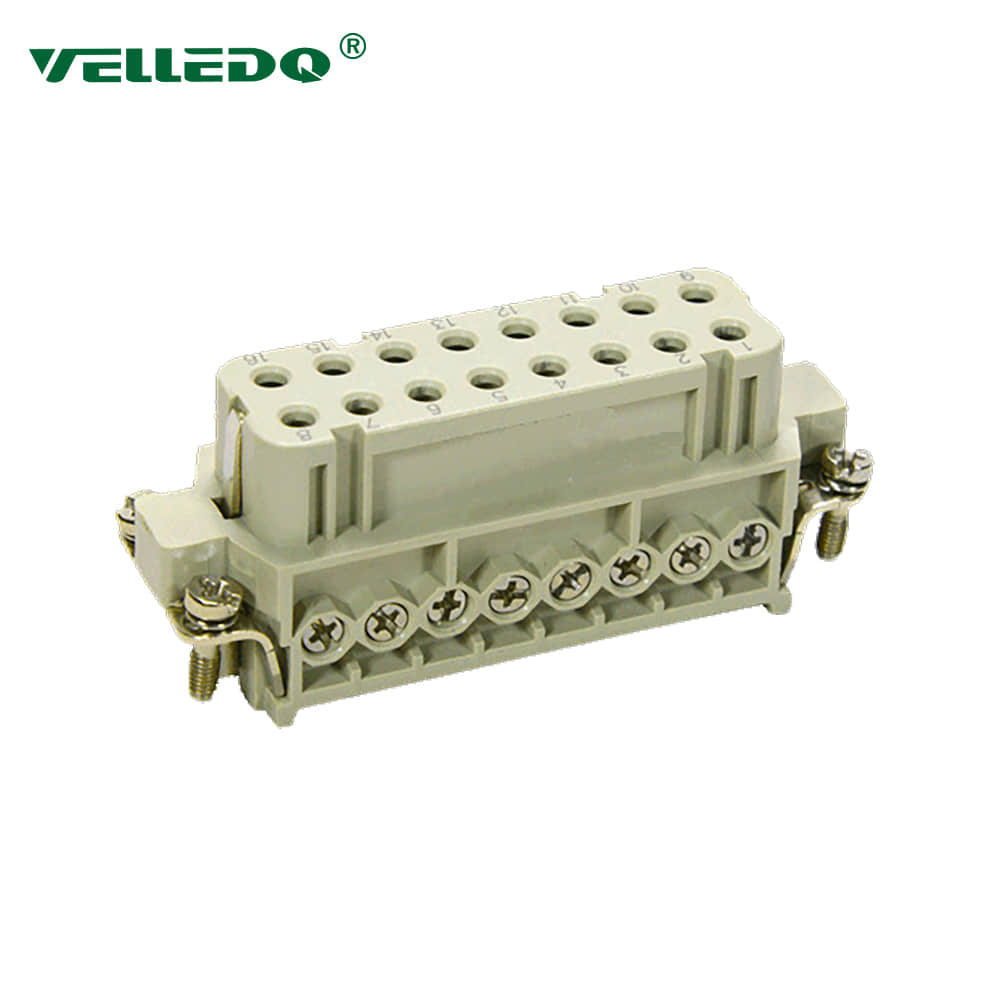

In today’s connected world, where communication and data exchange are paramount, Ethernet has emerged as the ubiquitous networking standard that drives the internet and local area networks (LANs). It has revolutionized the way we connect, share information, and collaborate across various devices and platforms. In the realm of computer networking, Ethernet cable serve as the vital infrastructure that enables the seamless transmission of data between devices within a local area network (LAN) or across the internet. These cables play a fundamental role in connecting computers, routers, switches, and other networked devices, forming the backbone of modern networking infrastructure. Ethernet protocol cables are composed of several key elements that work together to facilitate the transmission of data.Ethernet cable come in different variations to accommodate various networking requirements and transmission speeds.
Ethernet is a widely adopted technology that enables local area network (LAN) communication. It provides a standardized method for devices to connect, share data, and communicate with each other within a local network environment. Ethernet is based on the concept of packet switching, where data is broken down into smaller packets and transmitted across the network to its destination.Ethernet was initially developed by Robert Metcalfe and his team at Xerox Corporation’s Palo Alto Research Center (PARC) in the 1970s. Its original purpose was to connect computers and peripheral devices within a local network.
Over the years, Ethernet has evolved, and its capabilities and speeds have significantly increased to keep up with the growing demands of modern networking.Ethernet cable, commonly referred to as Ethernet cable, are specifically designed to facilitate the transmission of data using the Ethernet protocol. These cables provide the physical connection and electrical pathway for data to travel from one device to another within a network. By adhering to the Ethernet protocol’s standards, these cables ensure compatibility and interoperability across different network components.

Key Features and Standards
Ethernet operates at the physical and data link layers of the Open Systems Interconnection (OSI) model. It provides a set of rules and standards that define how data is transmitted and received over a network. Let’s delve into some of the key features and standards of Ethernet:
1.Media Access Control (MAC): The MAC layer is responsible for controlling access to the physical transmission medium, ensuring that multiple devices can communicate without conflicts. Each Ethernet device has a unique MAC address that identifies it on the network.
2.Ethernet Frames: Data in Ethernet networks is encapsulated into frames, which consist of a header, payload, and trailer. The header contains source and destination MAC addresses, while the trailer contains error-checking information. The payload carries the actual data being transmitted.
3.Ethernet Cabling: Ethernet supports various types of cabling, including twisted pair
copper cables (such as Cat5e and Cat6), fiber optic cables, and coaxial cables. The choice of cable depends on factors like distance, data rate requirements, and environmental considerations.
4.Speed and Duplex Modes: Ethernet offers different data transfer speeds, ranging from 10 Mbps (megabits per second) to multi-gigabit speeds like 10 Gbps (gigabits per second) and beyond. Additionally, Ethernet supports half-duplex and full-duplex modes, allowing for simultaneous bi-directional communication.
5.Ethernet Switching: Ethernet networks often utilize Ethernet switches, which enable efficient and reliable communication between multiple devices. Switches learn the MAC addresses of connected devices and forward data only to the appropriate destination, reducing network congestion and improving performance.
6.Ethernet Standards: The Institute of Electrical and Electronics Engineers (IEEE) has established standards for Ethernet, commonly referred to as IEEE 802.3 standards. These standards define specifications for various aspects of Ethernet, including data rates, cabling, and network topologies.
Impact on Modern Networking
Ethernet’s impact on modern networking cannot be overstated. Its versatility, scalability, and widespread adoption have made it the de facto standard for LANs, connecting devices in homes, businesses, educational institutions, and data centers worldwide. Here are some key areas where Ethernet has made a significant impact:
1.Internet Connectivity: Ethernet forms the foundation of the internet, enabling data transmission between routers, switches, and other network devices. It facilitates high-speed internet connections in homes and businesses, allowing users to access online services, stream media, and communicate globally.
2.Local Area Networks (LANs): Ethernet has revolutionized LANs, enabling seamless communication and resource sharing among devices within a localized network environment. It has facilitated the growth of intranets, enabling organizations to create internal networks for file sharing, collaboration, and centralized resource management.

3.Cloud Computing and Data Centers: Ethernet plays a crucial role in cloud computing and data centers, where vast amounts of data are processed, stored, and transmitted. High-speed Ethernet connections between servers, storage systems, and networking equipment ensure efficient data transfer and enable the scalability and agility needed in these environments.
4.Internet of Things (IoT): With the proliferation of IoT devices, Ethernet provides a reliable and scalable networking infrastructure to connect and manage these devices. Ethernet-powered IoT networks enable seamless integration of sensors, actuators, and control systems, driving smart homes, industrial automation, and smart cities.
5.Unified Communications: Ethernet’s high-speed capabilities have paved the way for unified communications, integrating voice, video, and data transmission over a single network infrastructure. This convergence has transformed the way we communicate, enabling real-time collaboration, and video conferencing.
Importance in Networking
Ethernet cable is the backbone of modern networking, enabling the efficient and reliable transmission of data within networks of all sizes. Here’s why Ethernet protocol cables are of utmost importance:
- Reliable Data Transmission: Ethernet cable provides a reliable means of transmitting data within a network. Their design, including twisted pairs and proper insulation, minimizes signal loss and interference, ensuring accurate and error-free data transmission.
- High-Speed Connectivity: Ethernet cable supports a wide range of transmission speeds, from the traditional 10 Mbps (megabits per second) to multi-gigabit speeds like 10 Gbps (gigabits per second) or even higher. This high-speed connectivity enables fast data transfer, making them ideal for bandwidth-intensive applications, such as video streaming, large file transfers, and real-time communication.
- Interoperability: Ethernet cable adhere to established standards set by the Institute of Electrical and Electronics Engineers (IEEE). This standardization ensures interoperability between devices from different manufacturers, allowing for seamless integration and communication within Ethernet networks.
- Scalability and Flexibility: Ethernet cable offers scalability, allowing for easy network expansion and integration of additional devices. They also provide flexibility in terms of cable lengths, allowing networks to span various distances without compromising signal quality.
- Cost-Effectiveness: Ethernet cable is cost-effective compared to alternative networking solutions. They offer a reliable and widely available technology that can be easily deployed in various networking environments. Additionally, their compatibility with existing Ethernet infrastructure reduces the need for costly network upgrades.
In conclusion, Ethernet has revolutionized modern networking, empowering individuals, businesses, and organizations to connect and communicate efficiently. Its standardized approach, high-speed capabilities, and scalability have made it the backbone of LANs, the internet, and critical infrastructure such as data centers. As technology continues to evolve, Ethernet will undoubtedly continue to adapt and play a pivotal role in shaping the future of networking and connectivity.Ethernet cable is the lifeline of modern networking, providing the physical connectivity and electrical pathway for data transmission within LANs and across the internet. With their reliable performance, high-speed capabilities, and adherence to industry standards, Ethernet cable empower organizations and individuals to build robust and scalable networks that facilitate seamless communication, data sharing, and collaboration in today’s interconnected world.