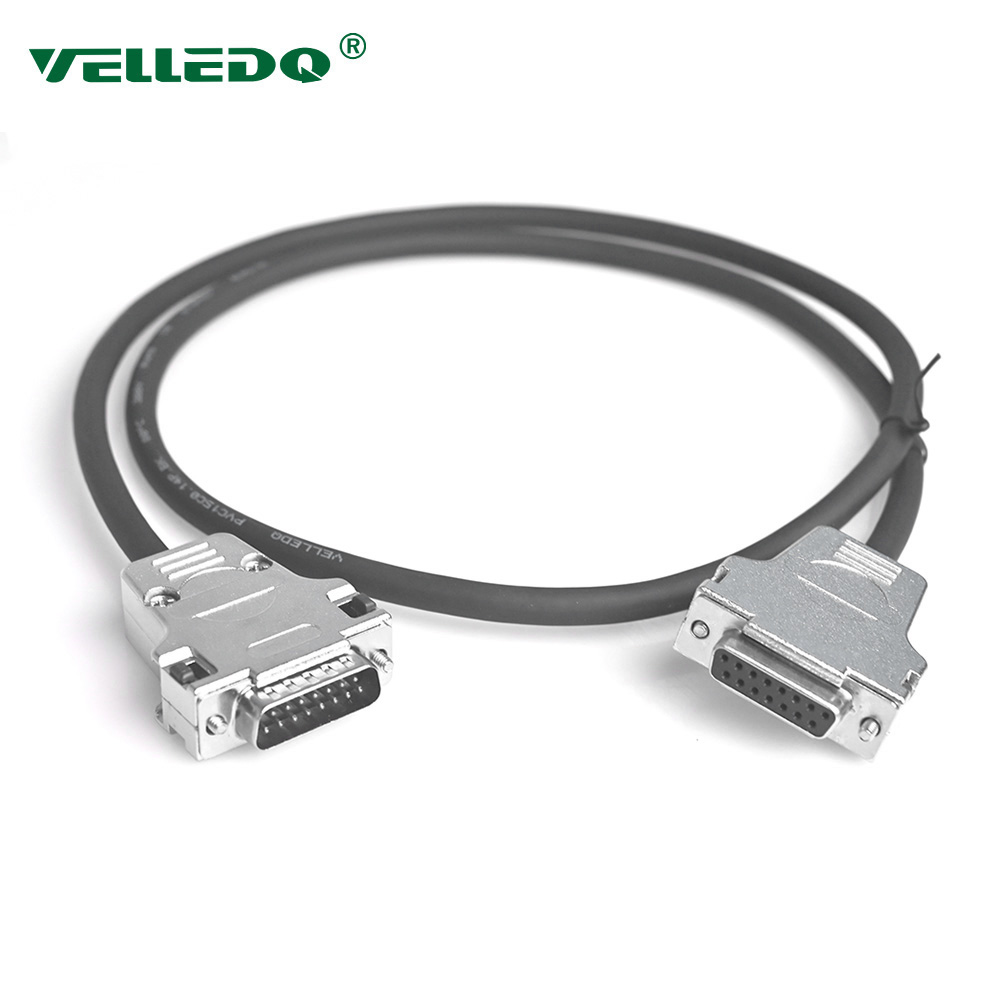
In the realm of computer networking, Ethernet IP (Internet Protocol) is an essential and widely adopted technology that underpins the connectivity of devices within local area networks (LANs) and the broader internet. In the realm of computer networking, Ethernet IP cable serves as the lifeline that connects devices within local area networks (LANs) and facilitates the seamless transmission of data.
Ethernet IP is a protocol suite primarily used for local area networking, enabling the exchange of data between connected devices within a network. It operates on the data link layer and network layer of the OSI model, facilitating the transmission of information packets across physical connections, such as wired or wireless networks.Ethernet IP cable, also known as Ethernet cable or network cable, is a physical medium used to interconnect devices within a network infrastructure. It forms the foundation for transmitting data packets between computers, servers, routers, switches, and other network-enabled devices.
The Components of Ethernet IP
1.Ethernet: Ethernet serves as the foundation of Ethernet IP. It defines the physical and data link layer specifications, including the cabling, connectors, and signaling methods required for transmitting data. Ethernet provides a reliable, scalable, and cost-effective means of interconnecting devices.
2.Internet Protocol (IP): IP is responsible for addressing and routing packets of data across interconnected networks. It assigns unique IP addresses to devices, enabling them to communicate and identify each other. IP ensures the delivery of data packets by routing them through the most efficient paths from the source to the destination.
3.TCP/IP (Transmission Control Protocol/Internet Protocol): TCP/IP is a suite of protocols that work in conjunction with Ethernet IP. It provides reliable, connection-oriented communication between devices, ensuring data integrity and error-free transmission. TCP/IP breaks data into smaller units called packets, which are then transmitted and reassembled at the receiving end.

Significance of Ethernet IP
1.Ubiquity: Ethernet IP is the de facto standard for local area networking and has been widely adopted in various industries. It enables the interconnection of a vast array of devices, including computers, servers, printers, IoT devices, industrial automation systems, and more.
2.Scalability: Ethernet IP supports scalable network architectures, allowing the addition of new devices or expansion of existing networks without significant disruptions. It provides flexibility and adaptability to accommodate evolving network requirements, making it suitable for both small-scale deployments and large enterprise networks.
3.Interoperability: Ethernet IP’s standardized protocols and specifications ensure interoperability between different manufacturers’ devices. This compatibility allows for the seamless integration of equipment and simplifies network management.
4.Speed and Bandwidth: Ethernet IP has evolved over the years to support increasingly higher data transfer rates. With advancements like Gigabit Ethernet and
10 Gigabit Ethernet, it offers substantial bandwidth capacity, enabling the efficient transmission of large volumes of data and multimedia content.
5.Integration with the Internet: Ethernet IP, when combined with TCP/IP, allows devices to connect to the internet seamlessly. This integration has been a driving force behind the proliferation of the internet of things (IoT) and the digitization of industries, enabling smart homes, connected cities, and industrial automation.
Cable Construction and Categories
Ethernet IP cable consist of several essential components that collectively enable reliable data transmission. These include:
1.Conductors: Ethernet IP cable typically contain multiple pairs of twisted copper wires. Twisting the wires helps minimize electromagnetic interference (EMI) and crosstalk.
2.Insulation: Each wire within the Ethernet IP cable is individually insulated, providing electrical isolation and preventing signal interference between the wires.
3.Sheath: The outer layer of the Ethernet IP cable is known as the sheath or jacket. It provides protection against physical damage, moisture, and environmental factors. The sheath can be made of materials like PVC (Polyvinyl Chloride), LSZH (Low Smoke Zero Halogen), or plenum-rated materials for specific installation requirements.
Ethernet IP Cable Variations
Ethernet IP cable comes in various forms to suit different networking requirements and deployment scenarios. Some notable variations include:
1.Straight-through Cables: It has identical wiring configurations on both ends, making it suitable for connecting devices with different functions. For example, a computer to a switch or a router to a modem.
2. Crossover Cables: Crossover cables have a different wiring scheme on each end, allowing direct device-to-device connections. They are commonly used for connecting similar devices, such as two computers or two switches, without the need for an intermediary device.
3.Shielded and Unshielded: Ethernet IP cable can be shielded (STP) or unshielded (UTP). Shielded cables have additional shielding layers that protect against EMI and crosstalk, ensuring higher transmission reliability. Unshielded cables, on the other hand, are more flexible, cost-effective, and suitable for most residential and office environments.
4.Outdoor and Indoor-rated: Ethernet IP cable can be designed for outdoor or indoor use. Outdoor-rated cables have UV-resistant and moisture-resistant properties, making it suitable for outdoor installations. Indoor-rated cables are optimized for indoor environments and do not possess the same level of weather resistance.

Significance of Ethernet IP Cable
Ethernet IP cable plays a vital role in modern network infrastructures, enabling efficient and secure data communication.
1.Reliable Data Transmission: Ethernet IP cable provides a stable and reliable medium for transmitting data. With proper installation and quality cables, they minimize signal loss, interference, and errors, ensuring consistent data delivery.
2.High-Speed Connectivity: Ethernet IP cable supports various data transmission speeds, ranging from 10 Mbps to 10 Gbps and beyond. This high-speed connectivity is essential for bandwidth-intensive applications, multimedia streaming, large file transfers, and real-time communication.
3. Scalability and Flexibility: Ethernet IP cable offers scalability, allowing network expansions and upgrades without significant disruptions. They support the addition of new devices and the integration of advanced technologies, making them suitable for evolving network infrastructures.
4.Industry Standardization: Ethernet IP cable adhere to globally recognized standards, ensuring compatibility and interoperability across different networking equipment and vendors. This standardization promotes a competitive market, offering consumers a wide range of choices.
5.Cost-Effectiveness: Ethernet IP cable is cost-effective compared to alternative networking technologies. Their affordability and widespread availability make it the preferred choice for most network installations, from small businesses to large enterprises.
6.Versatility: Ethernet IP cable is not limited to traditional office networks. It is widely used in various sectors, including telecommunications, industrial automation, transportation, healthcare, and smart homes. Ethernet IP cable provides the backbone for interconnected systems in these industries, facilitating seamless communication between devices and systems.
Telecommunications and Networking Infrastructure
Ethernet IP cable form the foundation of telecommunications networks, enabling reliable and high-speed data transmission across vast distances. Applications include:
1.Wide Area Networks (WANs): Ethernet IP cable is used in WANs to connect geographically dispersed locations, facilitating inter-office communication, branch connectivity, and remote access. It enable the transmission of voice, data, and video over long distances.
2.Internet Service Providers (ISPs): Ethernet IP cable is utilized by ISPs to provide broadband internet connectivity to homes and businesses. It connect the customer premises to the ISP’s network infrastructure, ensuring high-speed internet access.
3. Fiber Optic Networks: Ethernet IP cable is employed in fiber optic networks, where it enable the transmission of data through optical fibers. Fiber optic Ethernet IP cables offer high bandwidth, low latency, and resistance to electromagnetic interference, making it suitable for long-distance data transmission and high-capacity networks.
Ethernet IP plays a crucial role in modern networking by providing a robust and reliable framework for interconnecting devices within local area networks and beyond. Its standardized protocols, scalability, and interoperability have made it the backbone of data communication in diverse industries. As technology continues to evolve, Ethernet IP will undoubtedly continue to adapt and pave the way for the interconnected future.Ethernet IP cable is the unsung heroes of modern networking, enabling the transmission of data between devices within local area networks. Their construction, categories, and variations offer flexibility, scalability, and reliable connectivity. Ethernet IP cables, alongside advanced networking technologies, are instrumental in supporting our increasingly connected world. Understanding the significance of Ethernet IP cable empowers us to build robust networks that can meet the demands of today’s digital landscape and pave the way for future innovations.