In the ever-evolving landscape of technology, the ability to collect and analyze data in real-time has become crucial across various industries. Telemetry modules have emerged as indispensable tools for remote data acquisition and transmission, enabling efficient monitoring and control of critical systems. One crucial component of these modules is the female connector, which plays a pivotal role in ensuring reliable and secure connectivity.
Telemetry modules are wireless devices designed to gather data from remote locations and transmit it to a central system for analysis. They have revolutionized data collection by eliminating the need for manual data retrieval, offering real-time insights, and enabling prompt response to changing conditions. These modules are employed in diverse sectors such as industrial automation, transportation, energy, healthcare, and environmental monitoring.Telemetry modules typically consist of multiple components, including sensors, data acquisition units, transmitters, and receivers. The seamless integration of these components facilitates the collection of various types of data, such as temperature, pressure, humidity, voltage, and more. The data collected by telemetry modules can be utilized for monitoring system performance, detecting anomalies, predicting maintenance requirements, and optimizing operations.
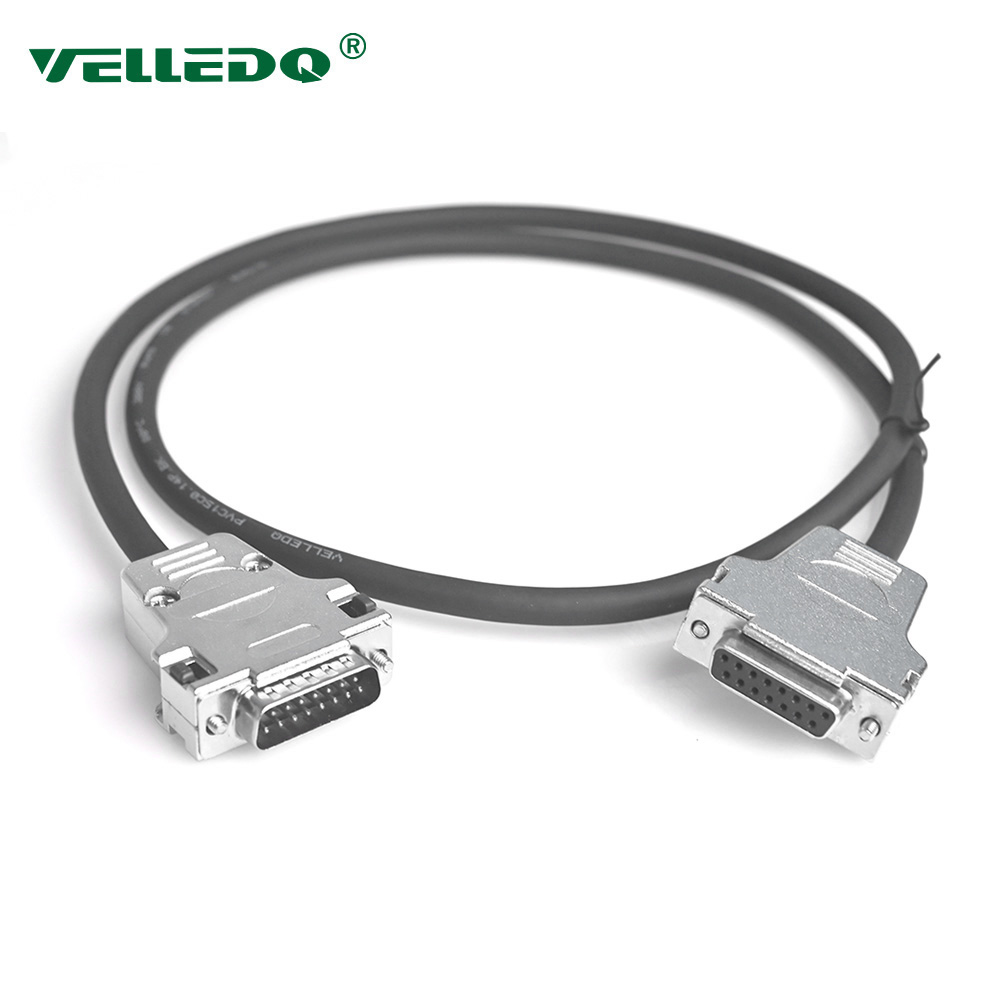
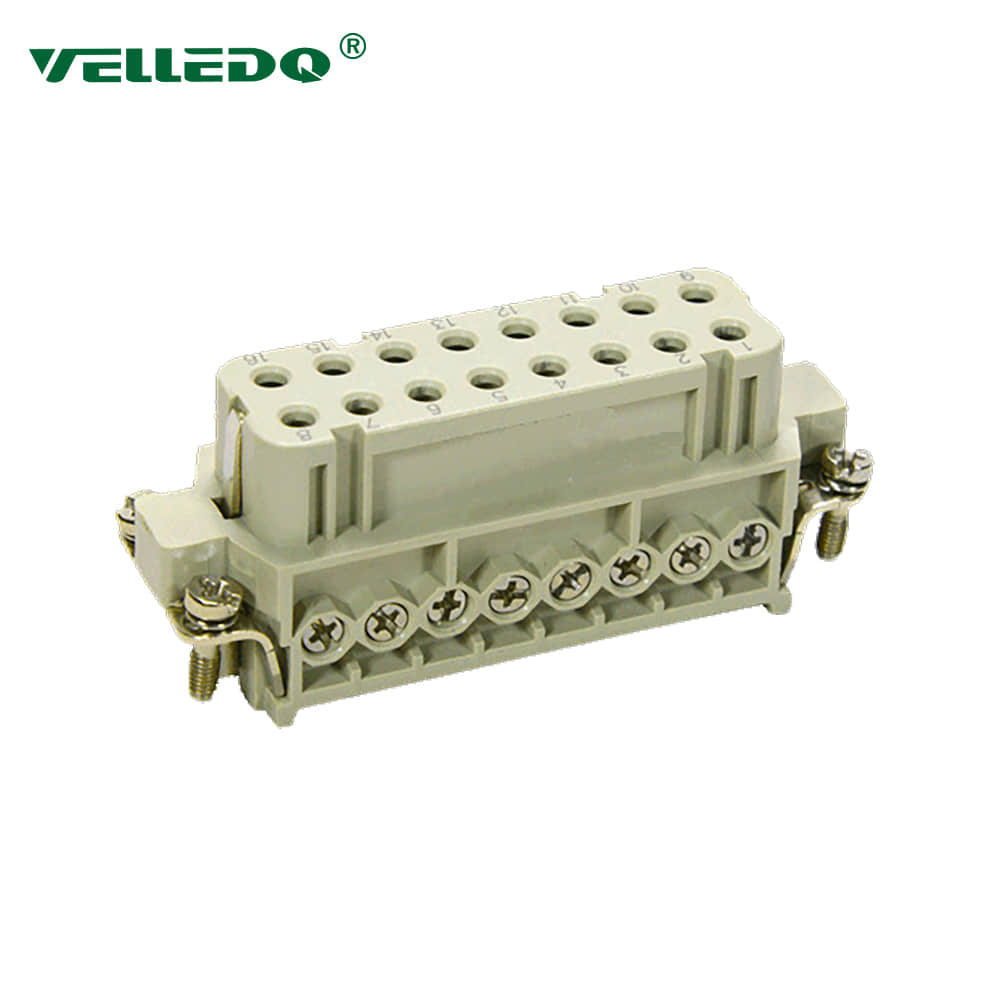
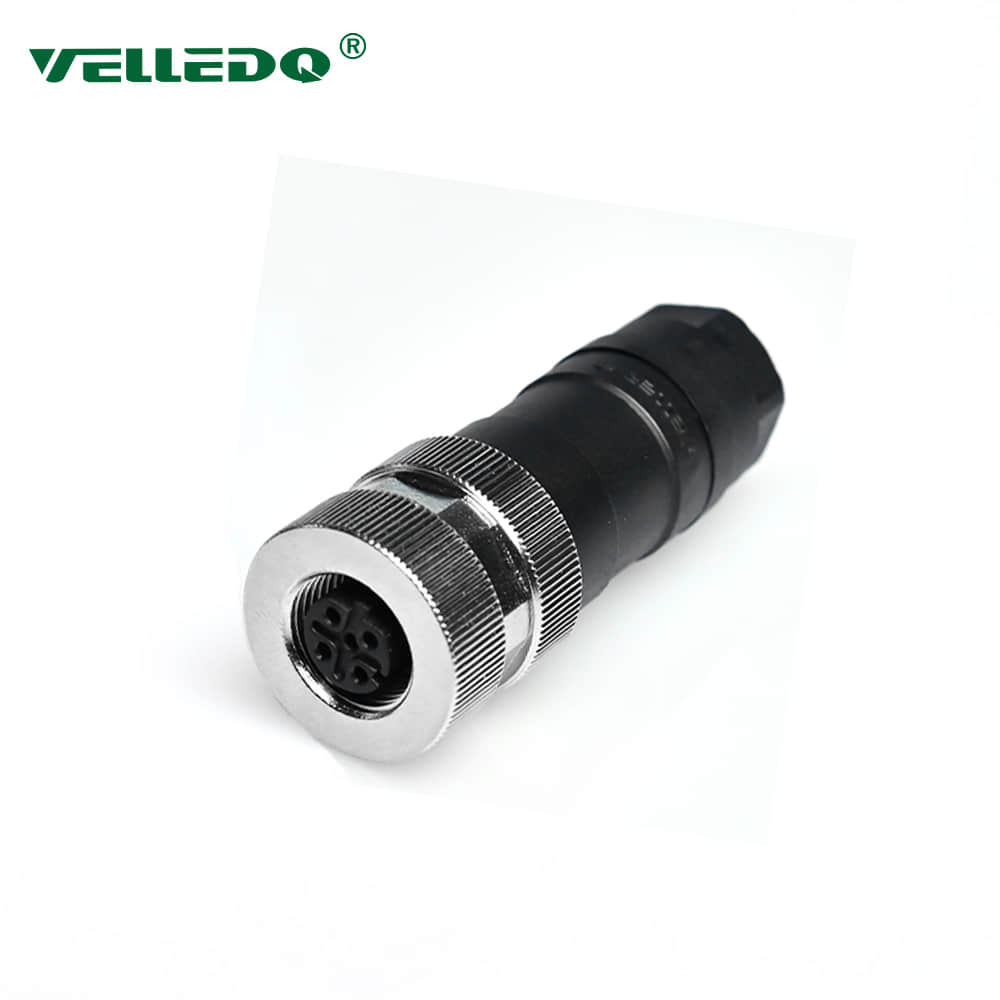
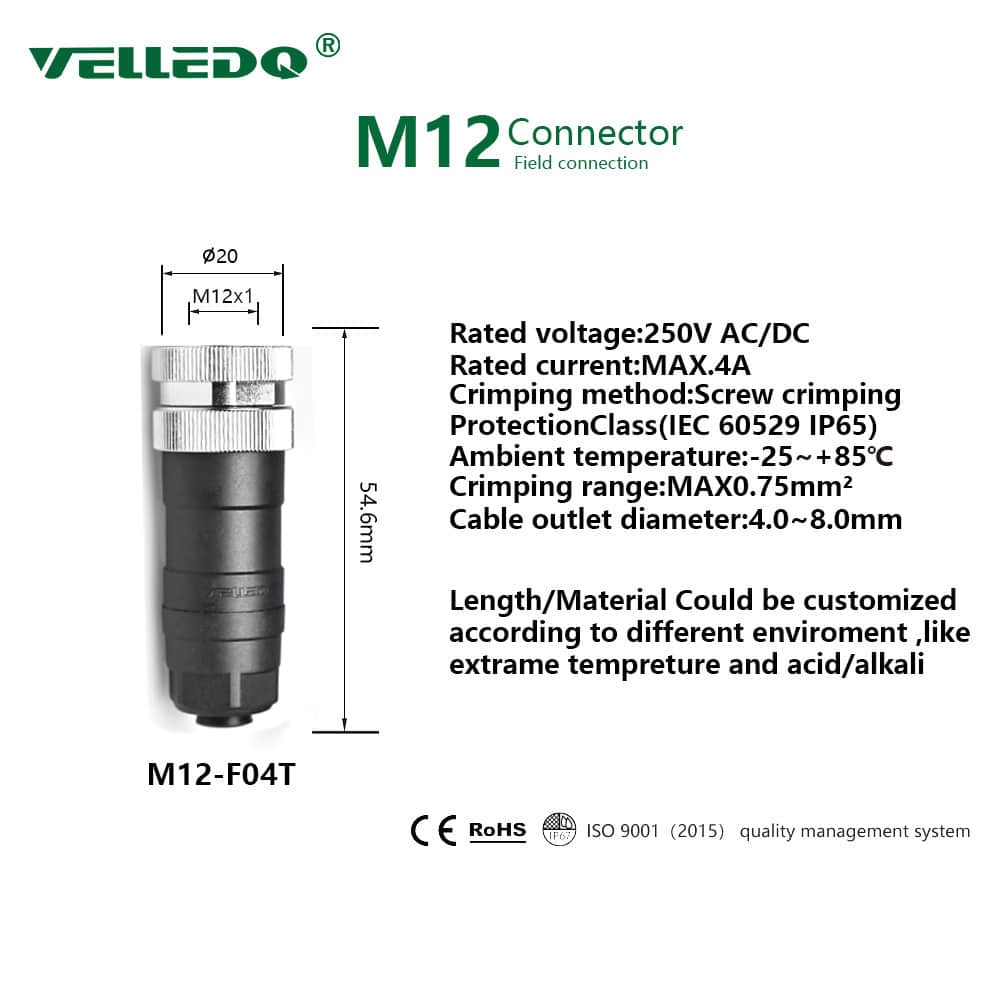
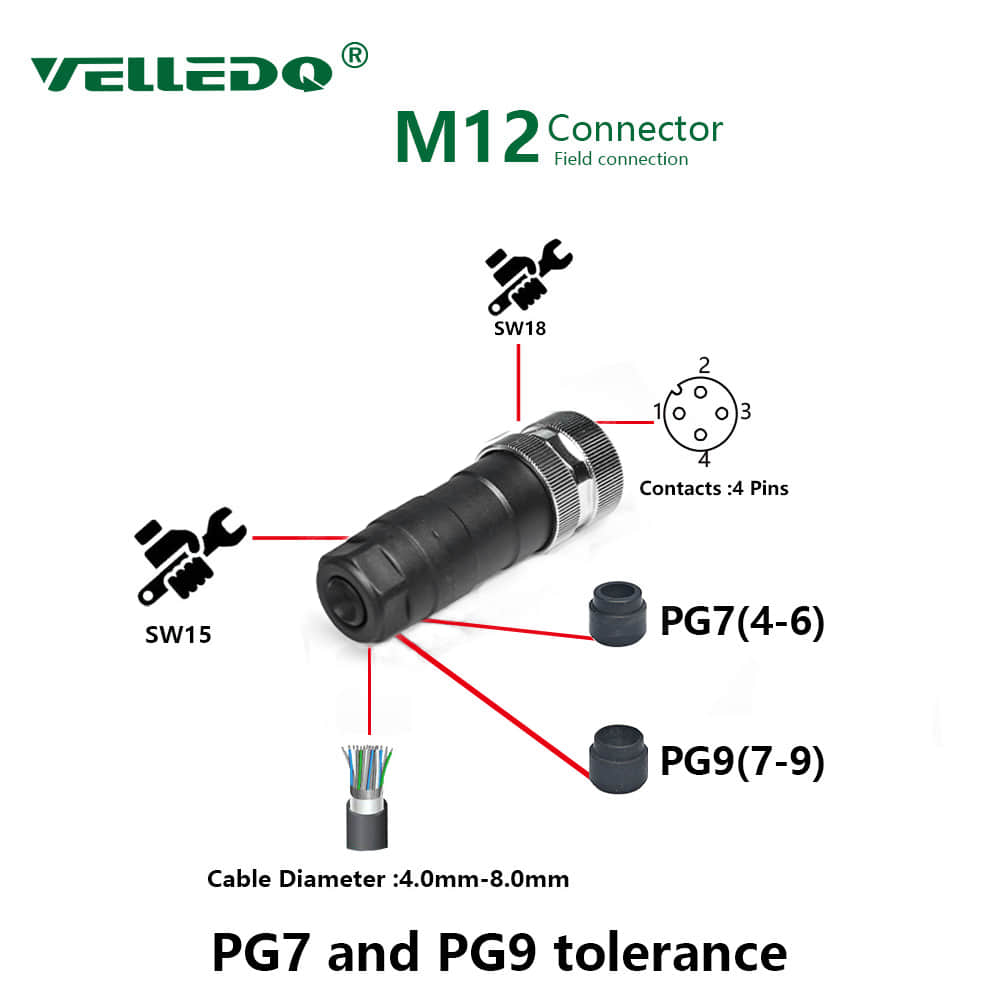
A crucial element in ensuring the smooth operation of telemetry modules is the choice of connectors that enable reliable and secure data transmission. Female connectors have gained prominence in telemetry applications due to their robustness, versatility, and resistance to environmental factors. The compact design and standardized pin configurations of female connectors make them an ideal choice for challenging environments.Telemetry modules often operate in harsh environments where they are exposed to extreme temperatures, moisture, vibrations, and electromagnetic interference. female connectors are designed to withstand these conditions, offering a high degree of protection against ingress of water and dust. They feature a threaded coupling mechanism that provides a secure connection, preventing accidental disconnections due to vibrations or impacts.The female connector family encompasses a wide range of configurations, including various pin numbers, coding options, and cable types. This versatility allows telemetry module manufacturers to select the most suitable connector variant based on their specific requirements. Whether it is a small module with limited I/O or a complex system with multiple sensors, female connectors can accommodate the necessary connections, ensuring seamless data transmission.Telemetry modules handle critical data that must be transmitted accurately and securely. Female connectors, with their shielded design and robust locking mechanism, provide excellent signal integrity by minimizing electromagnetic interference. This ensures that the transmitted data remains reliable, even in electromagnetically noisy environments. Furthermore, the secure connection offered by M12 connectors prevents unauthorized access or tampering, enhancing data security.
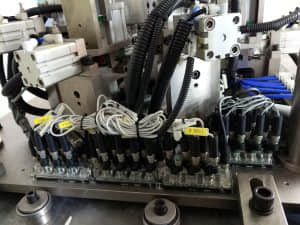
The integration of female connectors in telemetry modules has opened up numerous possibilities for data acquisition and transmission in various industries.
a. Industrial Automation
In the realm of industrial automation, the application of female connectors within telemetry modules has proven to be invaluable. Industrial automation involves the monitoring and control of critical machinery and processes, where reliable and efficient data transmission is paramount. Female connectors play a vital role in ensuring seamless connectivity between sensors, data acquisition units, and control systems in challenging industrial environments. These connectors provide a robust and secure connection, capable of withstanding extreme temperatures, vibrations, and electromagnetic interference. By facilitating the transmission of sensor data from remote locations to a central control system, female connectors enable real-time monitoring of machine performance, early detection of anomalies,
and prompt response to critical events. The versatility of female connectors allows for the integration of various sensors, actuators, and data acquisition units, creating a network of interconnected devices that work harmoniously to optimize industrial processes. With their reliability and rugged design, female connectors have become an indispensable component in telemetry modules for industrial automation, ensuring uninterrupted data transmission and enhancing overall operational efficiency.
b. Transportation and Logistics
In the domain of transportation and logistics, the application of female connectors within telemetry modules has brought about significant advancements in data acquisition and transmission. Telemetry modules equipped with female connectors play a vital role in collecting and transmitting crucial data from vehicles to central control systems. This data includes GPS location, vehicle performance metrics, fuel consumption, engine diagnostics, and more. With female connectors, telemetry modules can effectively monitor and optimize fleet management, route planning, and vehicle maintenance.
In fleet management applications, female connectors enable real-time monitoring of vehicle locations, allowing companies to track their assets, plan efficient routes, and optimize fuel consumption. The secure connection provided by female connectors ensures that critical data is transmitted accurately and securely, minimizing the risk of data loss or unauthorized access.
Moreover, female connectors facilitate the integration of sensor data into central control systems, enabling predictive maintenance. By monitoring vehicle performance metrics and engine diagnostics, telemetry modules equipped with M12 connectors can detect potential faults or maintenance needs in advance, allowing for timely repairs and minimizing downtime.
The versatility of female connectors is also beneficial in logistics applications. They enable the seamless integration of various sensors and devices, such as temperature sensors for monitoring perishable goods, door sensors for tracking cargo integrity, and RFID readers for inventory management. Female connectors ensure reliable and accurate data transmission, enhancing the efficiency of supply chain operations and improving overall logistics processes.
Overall, the specific application of female connectors in transportation and logistics telemetry modules has revolutionized the industry by providing real-time data acquisition, secure connectivity, and enhanced operational efficiency. With their robustness, reliability, and versatility, female connectors have become an essential component in telemetry systems, driving advancements in fleet management, route optimization, predictive maintenance, and overall logistics operations.
c. Energy and Utilities
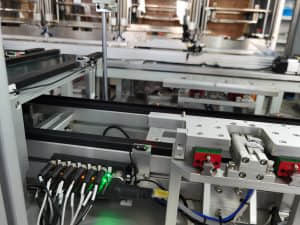
In the realm of energy and utilities, the application of female connectors within telemetry modules has proven to be instrumental in monitoring and managing power generation, transmission, and distribution systems. These modules equipped with female connectors facilitate the seamless integration of sensors, smart meters, and control systems, enabling real-time data acquisition and analysis. By leveraging female connectors, telemetry modules enable efficient monitoring of energy consumption, grid performance, and equipment health. This data allows for proactive maintenance, early detection of anomalies, and optimization of energy usage. The robustness and versatility of female connectors make them an ideal choice for energy and utilities applications, enhancing the reliability and efficiency of power systems while enabling data-driven decision-making.
d. Healthcare and Environmental Monitoring
The application of female connectors within telemetry modules has brought significant advancements to healthcare and environmental monitoring. In healthcare, telemetry modules equipped with female connectors facilitate remote patient monitoring by collecting vital signs and health-related data from patients in real-time. These connectors ensure secure and reliable connectivity between sensors, wearable devices, and central monitoring systems, allowing healthcare professionals to monitor patient health and provide timely interventions. Femaleconnectors also find application in environmental monitoring systems, where they enable the collection and transmission of data related to air quality, water quality, weather conditions, and more. By integrating sensors and data acquisition units with female connectors, telemetry modules enable accurate and continuous monitoring of environmental parameters. This data aids in early detection of anomalies, environmental research, and resource management. The robustness, secure connection, and resistance to environmental factors offered by female connectors make them ideal for healthcare and environmental monitoring applications, ensuring the reliability and integrity of the transmitted data while contributing to improved patient care and environmental sustainability.