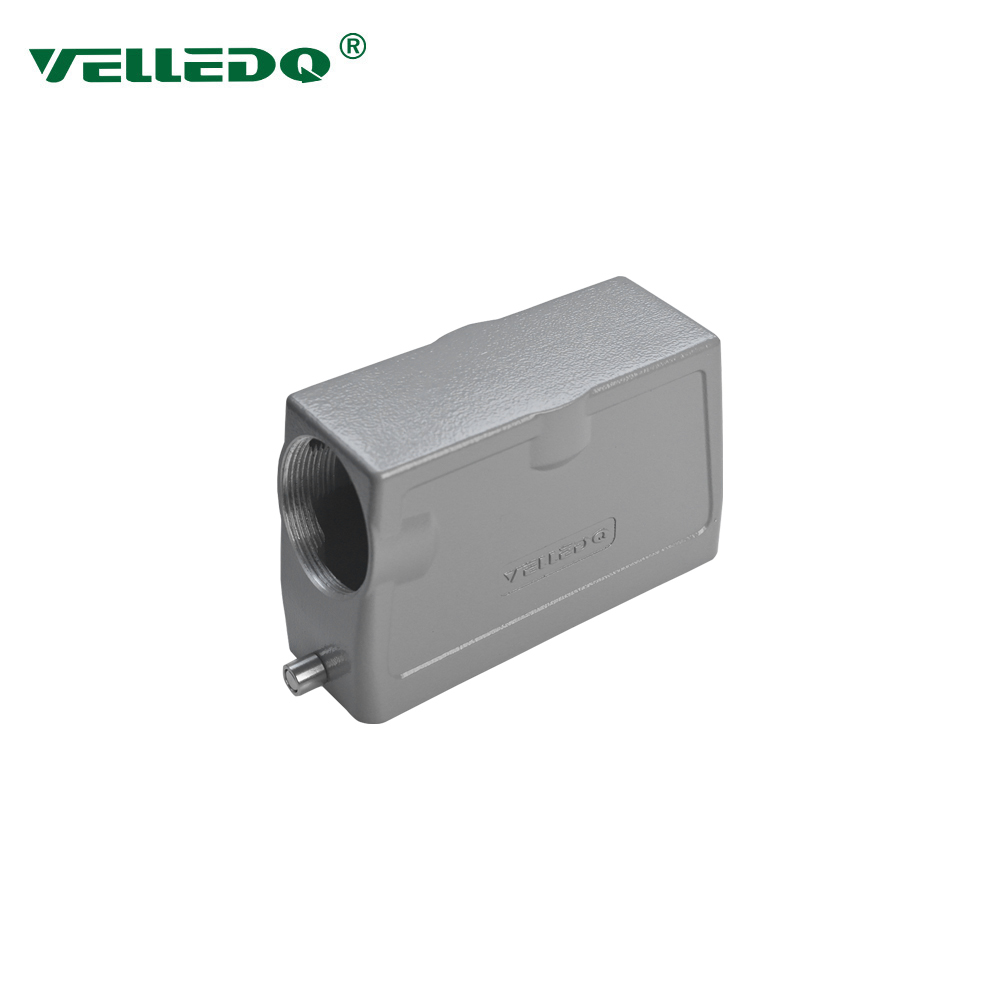
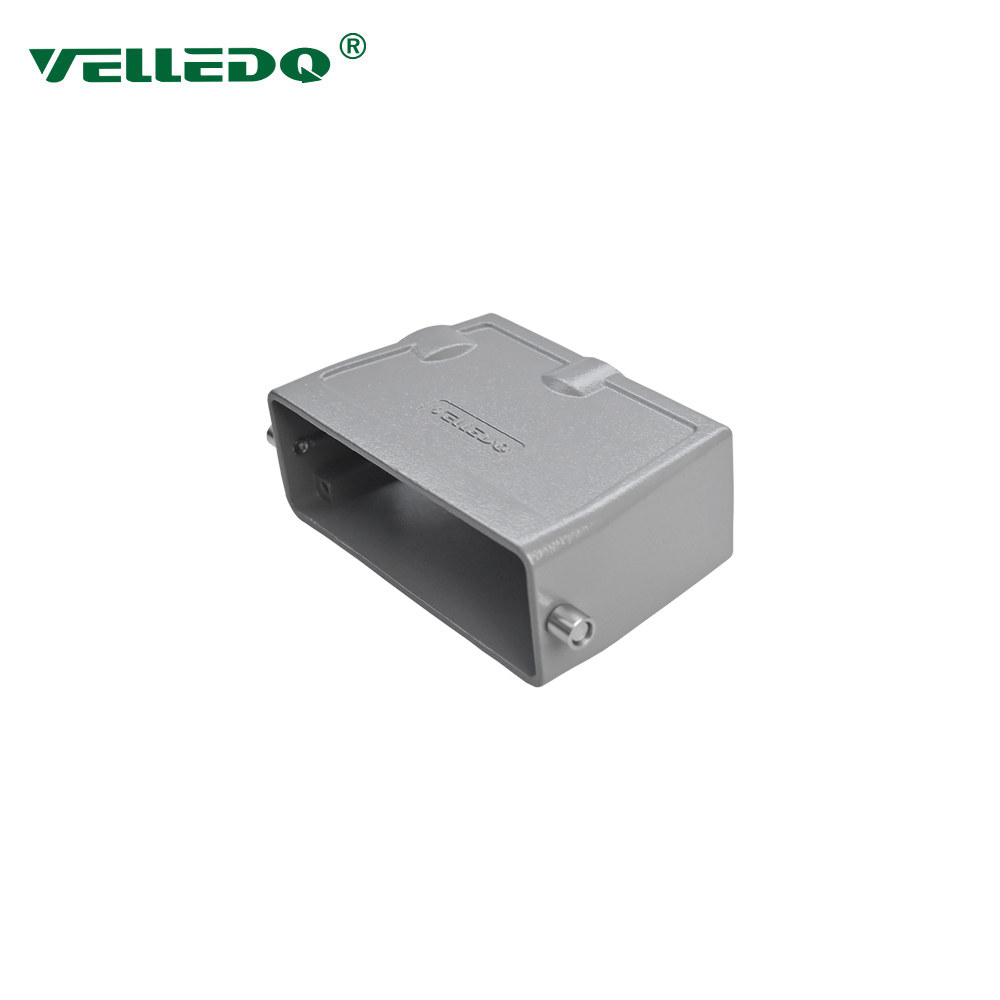
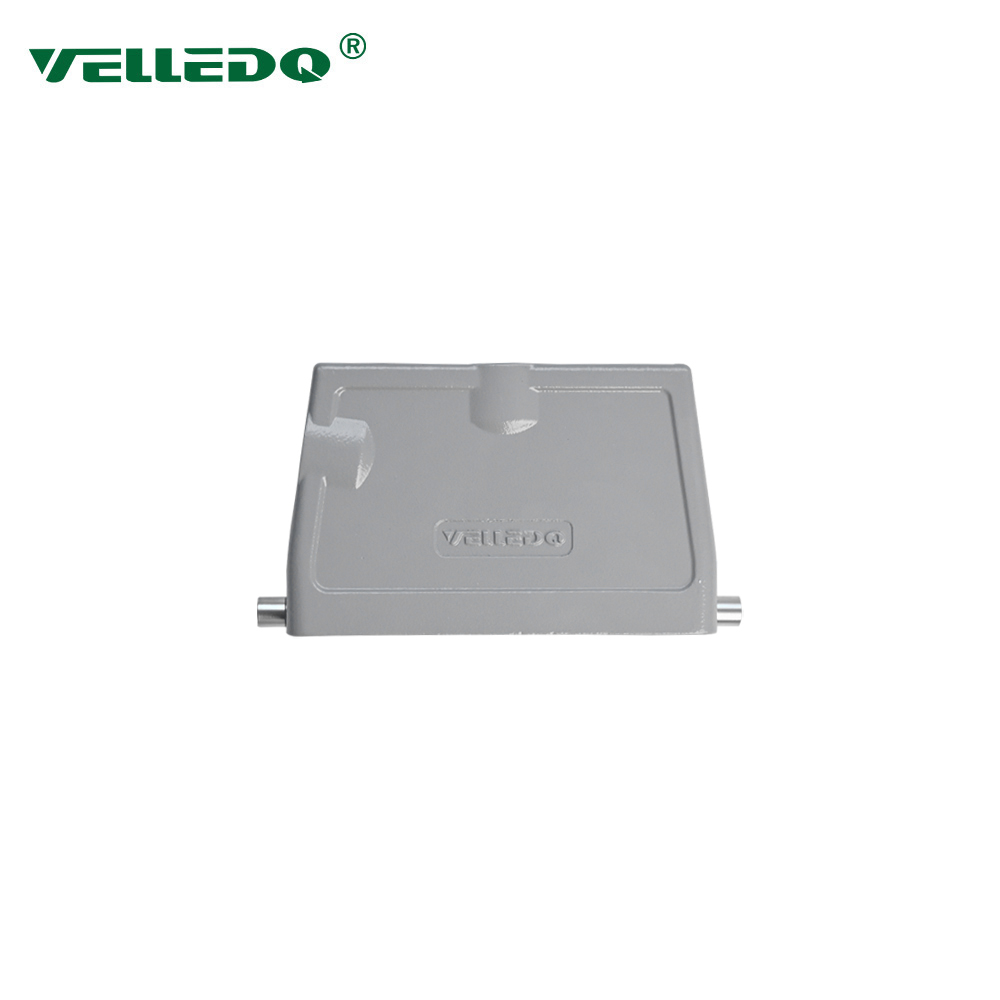
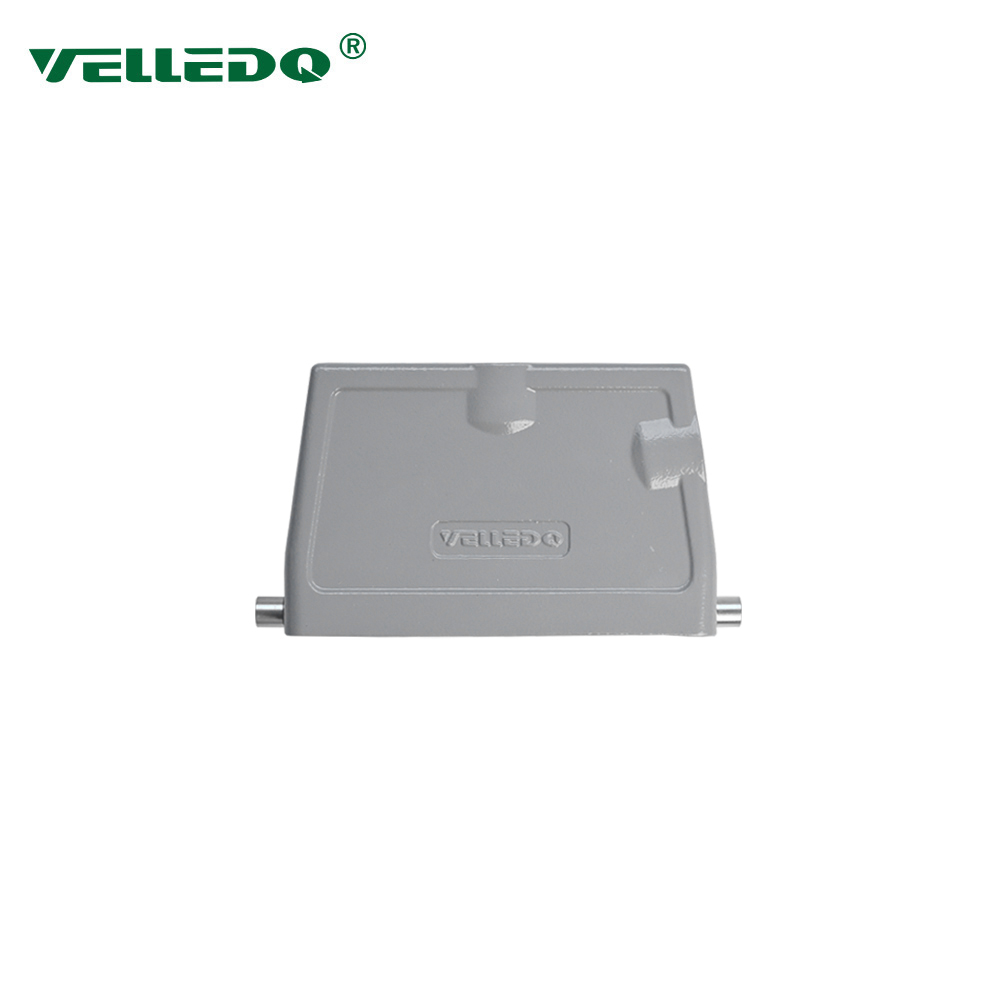
Efficiency and order are crucial in the frenetic world of logistics and storage. Logistics storage facilities are crucial in ensuring that commodities are effectively stored, sorted, and dispersed since they constitute the foundation of supply chains. The female industrial connector, a technical powerhouse that is sometimes taken for granted, is at the center of these processes.
Getting Around the Difficult Logistics Storage World
The crucial hubs where commodities are held before being transferred to their ultimate destinations are logistics storage facilities, often known as warehouses or distribution centers. These facilities, which handle a broad variety of items from consumer goods to industrial supplies, vary in size and complexity. To fulfill consumer needs and sustain competitive advantages in this changing environment, it is critical to have simplified procedures and effective operations.
The Foundation of Logistics Storage
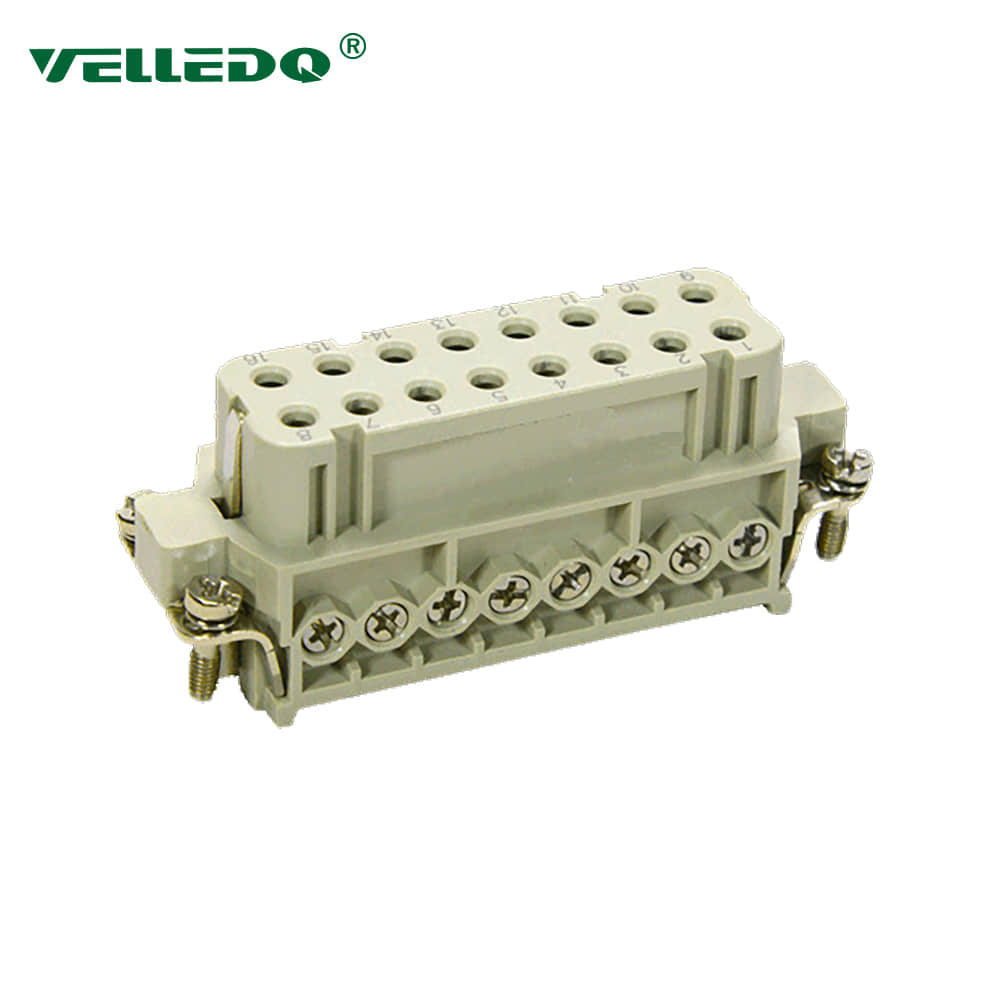
The unsung heroes that fuel logistics storage operations are female industrial connectors. These connectORns are built to endure the demanding conditions seen in warehouse settings, such as temperature changes, vibrations, exposure to dust, and moisture. They are perfect for ensuring that numerous components within logistics storage facilities operate without a hitch thanks to their sturdy structure and dependable connections.
Mechanical Material Handling
Conveyor belts, robotic arms, and other automated cargo handling technologies are often used in modern logistics storage facilities. In order to connect and power these systems, industrial heavy-duty connectors are essential, assuring efficient material movement and little downtime. They can synchronize motions thanks to their safe connections, increasing productivity and lowering the possibility of disturbances.
Transfer Systems
The lifeblood of logistics storage facilities are conveyor systems, which effectively move commodities from one location to another. Powering conveyor motors and sensors using industrial heavy-duty connections is crucial for accurate control and synchronization of the conveyor’s operation. By removing bottlenecks and increasing production, these connections let the flow of commodities continue without interruption.

Autonomous Picking and Sorting
Heavy-duty industrial connections make it easier for automated sorting and picking systems to function. These systems reliably detect, sort, and select products for order fulfillment using sensors, cameras, and robotic arms. The connections make sure that sensors and control systems communicate seamlessly, allowing accurate and prompt sorting, eventually improving order accuracy and customer happiness.
Rack Storage Systems
In logistics storage, effective storage space use is essential. The functioning of automated storage and retrieval systems (AS/RS), which enable the vertical stacking and retrieval of items, is made possible by industrial heavy-duty connections. In order to ensure that objects are stored and retrieved quickly and accurately, maximize storage capacity, and need the least amount of user interaction possible, these connections power the motions of robotic cranes.
Inventory Control and Monitoring
Effective logistics storage depends on accurate inventory management. To enable real-time monitoring and administration of items, industrial heavy-duty connections link barcode scanners, RFID devices, and inventory control software. These connections aid in maintaining correct inventory records, lowering the possibility of stockouts, and enhancing supply chain visibility in general.
Monitoring and Control of Temperature
Certain commodities, like perishables or delicate electronics,
need certain humidity and temperature conditions while being stored. Temperature and humidity sensors are connected to monitoring systems via female industrial connectors, guaranteeing that the proper conditions are maintained. These connectors aid in correct environmental management, which helps stop product degradation and preserve product quality.
Safety and emergency lighting systems
In storage facilities for logistics, safety comes first. Emergency lighting systems and safety tools like fire alarms and emergency stop buttons are powered by female industrial connectors. These connectors are essential in an emergency situation for guaranteeing rapid and dependable reaction times, protecting people safety and property protection.
Scalability and expansion
The logistics storage sector has seen expansion and development. Female industrial connectors provide the adaptability needed to handle these changes as storage facilities grow or incorporate new technology. Because of its modular construction and system compatibility, warehouses may simply add new equipment without undergoing extensive renovations.
Environment-Related Issues
Energy efficiency and sustainability are becoming more and more important to logistics storage facilities. Female industrial connectors help achieve these objectives by facilitating effective energy regulation and distribution. Connectors aid in power use optimization, avoiding energy waste and lessening the environmental effect of warehouse operations.
Last-Mile Delivery and the E-Commerce Revolution
Logistics storage has changed as a result of the growth of e-commerce. Due to the rise in online purchasing, warehouses now have to handle more orders while still guaranteeing on-time last-mile delivery. Female industrial connectors are used to power automated devices that speed up order fulfillment. These connectors help ensure the smooth flow of products by facilitating quick sorting, selection, and packaging to satisfy the needs of contemporary customers.

Making Decisions Based on Data
Female industrial connectors link sensors and data gathering equipment that capture crucial data about warehouse operations in the age of data-driven decision making. This information offers perceptions into throughput, bottlenecks, and general effectiveness. These interfaces offer real-time monitoring and empower warehouse managers to make educated choices for process improvement by simplifying the transfer of data to centralized systems.
Personalization and Flexibility
Depending on the kinds of commodities they store and the demands of their operations, logistics storage facilities have different needs. Female industrial connectors provide customization choices to meet the unique requirements of each facility. To suit the particular requirements of various applications inside the warehouse, connectors with varied current capabilities, protection levels, and connection types may be chosen.
Imagination and Innovation
Logistics storage facilities are adopting automation, artificial intelligence, and the Internet of Things (IoT) as technology progresses. Female industrial connectors are essential for integrating these technologies. The adoption of novel solutions by warehouses that enhance their efficiency, accuracy, and responsiveness is made possible by connectors that facilitate data interchange and communication between machines.
Cobots, or collaborative robots
Storage facilities for logistics are increasingly using collaborative robots, or cobots.
Alongside human operators, these robots help with chores like lifting large objects, packaging, and sorting. These cobots are supplied with the required power and data connections thanks to female industrial connectors, facilitating seamless cooperation and raising overall productivity.
Security and adherence
Strict safety requirements must be followed in warehouses to safeguard personnel and property. By supplying electricity to emergency stop buttons, safety sensors, and lighting systems, female industrial connectors improve safety. When an accident or disaster occurs, these connections allow safety systems to respond quickly, protecting employees and stopping operations as soon as necessary.
Optimising Layout and Space
In logistics storage, where increasing storage capacity while preserving operating efficiency is crucial, space optimization is an issue. Female industrial connectors provide electricity to machinery like conveyors that may be sized to fit into small locations, maximizing the utilization of available floor space. The adaptability of the layout design improves warehouse efficiency as a whole.
The environment and green warehousing
More and more, logistics storage facilities are looking for solutions to lessen their environmental effect. By powering energy-efficient lighting systems, allowing intelligent HVAC controls, and permitting the integration of renewable energy sources, female industrial connectors may help sustainability efforts. These connectors aid in the development of green storage options that support environmental stewardship objectives.
Worldwide Access and Remote Management
The field of logistics now includes several worldwide networks, many of which include warehouses. Female industrial connectors make it easier to connect the equipment needed for remote administration and monitoring. Through this connectedness, warehouses may be managed and watched over from a single place, allowing for quick modifications, problem-solving, and operational supervision.
Conclusion
Logistics storage facilities are at the core of a supply chain environment that is continually changing. These facilities must be prepared to handle both the demands of the present and the challenges of the future as technology develops and client expectations rise. The foundation for the future connected, productive, and agile warehouse is female industrial connectors.
These connectors are the unseen threads that link every facet of logistics storage operations, from speeding automated procedures to improving safety and energy efficiency. Female industrial connectors will remain the dependable partners that allow these transitions as logistics storage continues to change in response to market dynamics and technological advancement, boosting efficiency, precision, and competitiveness in a challenging and constantly shifting environment.