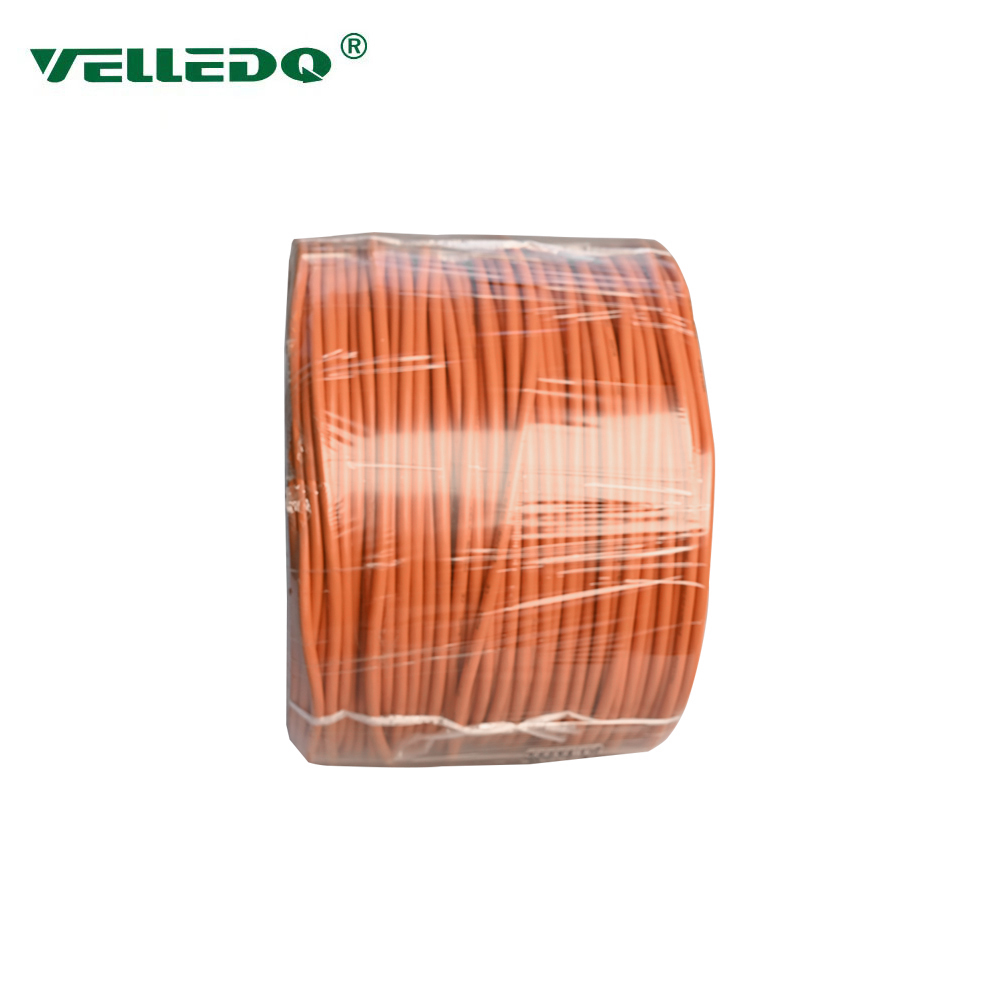

Machining equipment plays a crucial role in modern manufacturing processes, enabling industries to achieve precision, efficiency, and consistency in their production. These machines, ranging from CNC (Computer Numerical Control) mills and lathes to robotic arms, are essential in shaping raw materials into intricate and complex components used in various industries. However, one critical component that often goes unnoticed but significantly impacts the performance of machining equipment is industrial cables.
Industrial cables are the lifelines that transmit power, control signals, and data between various machine components. These cables are engineered to withstand harsh operating conditions, high temperatures, and constant mechanical stress to ensure uninterrupted and reliable operations.
I. Introduction to Machining Equipment
Machining equipment encompasses a wide range of machines designed to shape, cut, and refine materials with unparalleled precision. These machines have revolutionized the manufacturing landscape by automating the production processes, reducing manual labor, and ensuring consistent product quality. Some common types of machining equipment include:
- CNC Mills: Computer Numerical Control mills are used to remove material from a workpiece using rotary cutters. They offer versatility and can produce intricate shapes with high accuracy.
- CNC Lathes: These machines rotate the workpiece while cutting tools are applied to shape it. CNC lathes are ideal for producing cylindrical components.
- CNC Routers: Used primarily in woodworking and metalworking, CNC routers employ spinning tools to cut and shape materials.
- EDM (Electrical Discharge Machining): EDM uses electric discharges to erode the material and create intricate shapes, especially in hard materials.
- Laser Cutting Machines: These machines use focused laser beams to cut through materials with extreme precision, commonly used in sheet metal fabrication.
- Robotic Arms: Automated robotic arms perform a variety of tasks, from welding and painting to material handling and assembly.
These machines have become instrumental in industries like automotive, aerospace, electronics, medical devices, and many others, driving innovation and accelerating production processes.
Application
1.The specific application of industrial cables in laser cutting systems is of paramount importance, as these cables play a critical role in ensuring the precision and efficiency of the laser cutting process. Laser cutting is a highly sophisticated technique used in various industries, including aerospace, automotive, electronics, and metal fabrication. It involves the use of a high-powered laser beam to cut through materials with exceptional accuracy, producing intricate and complex shapes.
Industrial cables in laser cutting systems serve two primary functions: power transmission and data communication. First and foremost, the laser cutting process requires a significant amount of electrical power to drive the laser source and associated components. Industrial power cables, engineered to handle high voltage and current levels, efficiently deliver this power from the power source to the laser generator. These cables are designed to withstand the heat generated during the cutting process and are often equipped with specialized insulation and shielding to ensure electrical safety and prevent any potential hazards.
Secondly, laser cutting systems heavily rely on data communication to achieve precise cuts and maintain real-time control. Industrial data cables, such as fiber optic cables, enable the seamless transmission of control signals and data between the main control unit, laser generator, and cutting head. These cables facilitate quick and accurate adjustments during the cutting process, allowing operators to optimize cutting parameters and achieve the desired results.
Furthermore, industrial cables used in laser cutting systems must be designed to withstand the demanding operating conditions within the cutting chamber. The laser beam generates intense heat and can create a hostile environment for cables. High-quality industrial cables are equipped with robust outer jackets, often made of materials like thermoplastic elastomer (TPE) or polyurethane (PUR), providing excellent resistance to heat, abrasion, and chemical exposure. This ensures the cables’ longevity and reliability, reducing maintenance requirements and minimizing downtime.
Moreover, as laser cutting systems often involve rapid and precise movements of the cutting head, the industrial cables must possess high flexibility and durability to endure constant bending and mechanical stress. Cables with stranded conductors and reinforced cores are commonly used in these applications, preventing breakage and signal interruptions.
Another crucial aspect of industrial cables in laser cutting systems is their ability to minimize electromagnetic interference (EMI). EMI can disrupt the precise control signals and data transfer, leading to inaccuracies in the cutting process. Shielded industrial cables are employed to prevent electromagnetic interference, ensuring uninterrupted communication and maintaining the overall performance of the system.
In conclusion, industrial cables are indispensable components in laser cutting systems within machining equipment. They play a vital role in transmitting power, control signals, and data while enduring harsh conditions and maintaining precision during the laser cutting process. Choosing high-quality industrial cables tailored for laser cutting applications ensures optimal performance, enhanced productivity, and cost-efficiency for industries relying on this sophisticated cutting technique. As technology continues to advance, the continuous development and improvement of industrial cables will further revolutionize the laser cutting process, expanding its applications and benefits across various sectors.
2.The specific application of industrial cable in CNC machine tool wiring is fundamental to the optimal performance and precision of machining equipment. CNC (Computer Numerical Control) machines have revolutionized the manufacturing industry by automating and streamlining the production process. These machines use computer-controlled motors and actuators to execute complex and precise movements, transforming raw materials into intricate components used in various industries. Industrial cables play a crucial role in CNC machine tool wiring, enabling seamless power transmission and precise control signals.
Industrial cables used in CNC machine tool wiring are designed to handle high voltage and current levels required to power the motors and drive the machine’s movements. These cables are engineered to withstand the mechanical stress and constant movement often associated with CNC machining operations. They ensure a stable and reliable power supply to the servo motors, spindle motors, and other critical machine components, ensuring smooth and consistent machining processes.
Moreover, CNC machine tool wiring involves the transmission of control signals and feedback data between the machine’s central control unit and various motor drives and sensors. Industrial control cables, designed to transmit signals with minimal interference, facilitate precise coordination of machine movements, speed control, and tool positioning. These cables play a vital role in achieving the high accuracy and repeatability required in CNC machining, allowing manufacturers to produce components with consistent quality.
Additionally, data communication is essential in modern CNC machines, especially in advanced models with multiple axes and complex functionalities. Industrial data cables, such as high-speed Ethernet cables, enable real-time data transfer between the CNC controller and various
components. This data exchange facilitates dynamic adjustments to machining parameters, toolpath optimization, and tool wear monitoring, ensuring efficient and optimized machining processes.
In CNC machine tool wiring, the durability and flexibility of industrial cables are of paramount importance. The constant movement and mechanical stress exerted on the cables can lead to premature wear and signal interruptions if the cables are not designed to withstand such conditions. Industrial cables with high flexibility and robust construction, such as those with stranded conductors and reinforced cores, are employed to withstand repeated bending and torsion during the machine’s operation.
Furthermore, EMI (electromagnetic interference) is a significant concern in CNC machine tool wiring. The CNC environment can be filled with electromagnetic noise from various sources, such as motors and electronic components. To minimize signal degradation and ensure reliable data transmission, shielded industrial cables are often utilized. These cables are equipped with a protective shielding layer that acts as a barrier against external electromagnetic fields, maintaining signal integrity and improving the overall performance of the CNC machine.
In conclusion, industrial cables are integral components in CNC machine tool wiring, enabling seamless power transmission, precise control, and real-time data communication. They ensure the efficiency, accuracy, and reliability of modern CNC machines, supporting various industries’ manufacturing processes. Selecting high-quality industrial cables specifically designed for CNC machine tool wiring is essential to optimize performance, reduce downtime, and achieve consistent, high-quality production. As CNC technology continues to advance, the continuous improvement and innovation of industrial cables will play a crucial role in pushing the boundaries of precision machining and driving further advancements in manufacturing industries.