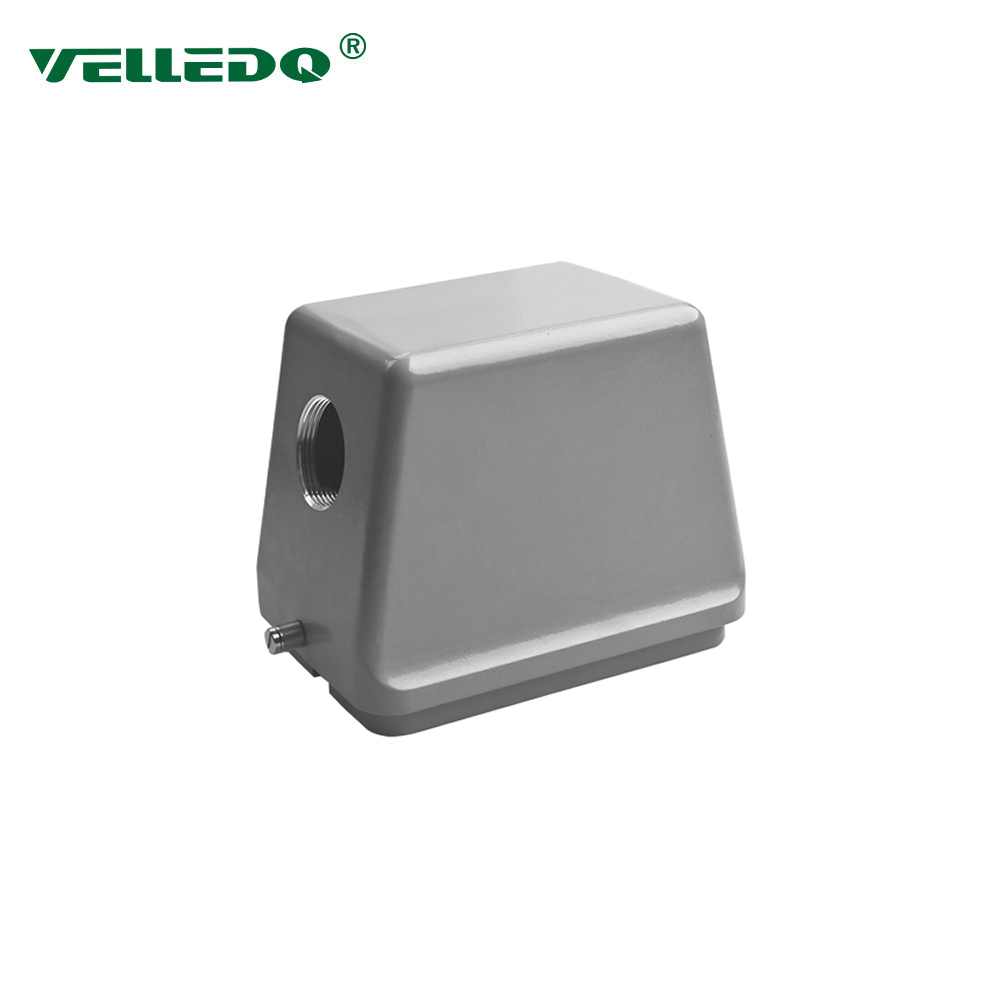

The introduction of metal cutting machinery has had a profound impact on the industrial industry. Metal cutting technology is at the core of contemporary manufacturing processes, whether it is used to fabricate complex components for automotive applications or to manufacture precision parts for aerospace. This business has changed significantly with the advent of industrial metal plug socket. By adding efficiency, safety, and dependability to metal cutting equipment, these specialty connections have increased industrial capacity to unprecedented levels.
The Importance of Equipment for Metal Cutting
The foundation of several businesses, including the automotive, aerospace, construction, and industrial sectors, is metal cutting equipment. It entails carefully forming and removing metal workpieces to produce very high-quality parts, components, and structures. The following are some crucial areas in which metal cutting technology is crucial:
Aerospace Industry: To ensure performance and safety, metal cutting is utilized to build complex aircraft components, such as structural elements and engine parts.
car Manufacturing: To manufacture engines, gearboxes, chassis parts, and body pieces with extreme accuracy and efficiency, the car industry uses metal cutting.
Construction: To create steel beams, columns, and other structural components needed to produce safe, long-lasting structures and infrastructure, metal cutting machinery is used in the construction industry.
Medical equipment: Metal cutting technology is essential to the production of surgical tools and implants, among other medical equipment, assuring accuracy and dependability in the medical field.
Tool and Die Making: To create molds, dies, and precise cutting tools—all necessary for a variety of industrial processes—the tool and die business uses metal cutting equipment.
Consumer Electronics: Precision and miniaturization are essential in the manufacturing of electronic gadgets, like as laptops and smartphones, which use metal cutting.
Modern production and technical growth are greatly aided by metal cutting technology, which has a wide range of uses.

The Development of Metal Cutting Tools
Metal cutting tools have changed dramatically throughout time due to advances in technology, new materials, and the need for increased efficiency and accuracy. The following significant turning points in the development of metal cutting tools:
Hand Machining: In the past, metalworking operations required trained machinists to operate equipment like mills, saws, and lathes. Manual machining was efficient, but its speed and accuracy were limited.
Numerical Control (NC) Machines: A major breakthrough was achieved with the advent of NC machines in the middle of the 20th century. These devices made it possible to automate the movement of tools using pre-programmed instructions, increasing repeatability and precision.
Computer Numerical Control (CNC) Machines: When CNC machines first appeared in the 1970s, they were a significant advancement. Thanks to computer control, they provided more flexibility and accuracy and opened the door for sophisticated cutting techniques.
High-speed machining (HSM): Developed in the latter half of the 20th century, HSM methods allowed metal to be cut with much more accuracy and at much faster rates. Because of its improvement in surface finishes and reduction in cycle times, this breakthrough changed manufacturing.
Advanced Materials: Advances in materials research have resulted in the creation of cutting tools with increased toughness and resistance to wear. These cutting-edge tool materials decreased machining expenses and increased tool life.
Five-Axis Machining: The introduction of five-axis machining centers shortened production times and increased accuracy by enabling the creation of intricate, multi-dimensional products with only one setup.
Automation and robots: By reducing labor-intensive jobs and increasing productivity, the integration of automation and robots in metal cutting equipment has improved production efficiency.
Digitalization and Industry 4.0: The use of sensors, data analytics, and digital technology has brought metal cutting into the new age of Industry 4.0. Process optimization, predictive maintenance, and real-time monitoring are made possible by this.
With the development of metal cutting technology, industries worldwide have benefited from increased speed, precision, and ability to handle a greater variety of materials.
Case Study: Centers for CNC Machining
Let’s use CNC machining centers as an example to show how industrial heavy-duty connections affect metal cutting machinery. In the industrial industry, CNC machining centers are multipurpose workhorses that can handle a variety of metal cutting tasks. The following are some of the ways that the use of industrial metal plug socket has changed how CNC machining centers operate:
Reliability: Accurate toolpath execution in CNC machining centers depends on a steady and continuous power supply. Industrial metal plug socket minimize the possibility of machine stoppages brought on by electrical problems by ensuring uniform power delivery.
Corrosion Resistance: To improve cutting performance, coolants and lubricants are often used in CNC machining centers. Industrial metal plug socket have a longer lifetime and are more reliable since they are designed to withstand corrosion from these fluids.
Ease of Maintenance: There should be as little downtime as possible since CNC machining centers work in harsh manufacturing settings. Industrial metal plug socket are designed to be easily replaced or maintained, so there is no need to mess with production schedules.

The Future of Industrial Metal Plug Socket and Metal Cutting Equipment
The metal cutting sector is primed for further innovation and change as we go to the future. Future metal cutting equipment is anticipated to be shaped by a number of significant trends and innovations, and industrial metal plug socket will continue to be essential to these developments:
Advanced Materials: Connectors that can survive increasingly rigorous machining conditions will be required as a result of the development of new, high-performance materials for cutting tools and workpieces.
Smart Manufacturing: Connectors that provide more data transfer for real-time monitoring, predictive maintenance, and process optimization are necessary for the Industrial Internet of Things (IIoT) and smart manufacturing adoption.
Energy Efficiency: In order to lower operating costs and the effect on the environment, there will be a continued emphasis on energy-efficient machining techniques and a growing need for connections that minimize energy loss.
Additive Manufacturing: Connectors that meet the particular needs of hybrid machining systems are necessary for the integration of additive manufacturing (3D printing) with subtractive processes.
Automation and Robotics: Connectors that provide smooth communication and control between machines and robotic systems are required for the integration of automation and robotics in metal cutting.
Customization and Flexibility: To satisfy changing production needs, manufacturers will look for connections that make it simple to reconfigure and customize machining centers.
Sustainable Development and Environmental Aspects
Environmental responsibility and sustainability have become more and more important in manufacturing, especially in metal cutting processes, in recent years. Industrial metal plug socket may help manufacturers promote environmentally friendly practices in metal cutting equipment as they work to lessen their environmental effect and carbon footprint.
Energy Efficiency: Energy-efficient machining procedures may benefit from the use of industrial metal plug socket. In order to minimize energy loss and ensure effective power distribution, connections contribute to the overall reduction of energy consumption in metal cutting equipment.
Waste Reduction: Cutting down on waste, such coolant and material refuse, is a common component of sustainable machining techniques. Connectors that provide data transfer for on-the-spot monitoring and control may improve cutting settings, reducing waste and enhancing the efficient use of available resources.
Conclusion
Modern manufacturing relies heavily on metal cutting machinery to create intricate and accurate parts for a wide range of sectors. Precision, speed, and efficiency improvements have defined the growth of metal cutting technology and shaped the production environment.
This development has been made possible in large part by industrial metal plug socket, which provide dependable data transfer, power distribution, and safety in the harsh environment of metal cutting. For metal cutting equipment, industrial metal plug socket will always be a crucial component as it adjusts to shifting market conditions, environmental concerns, and technological breakthroughs.