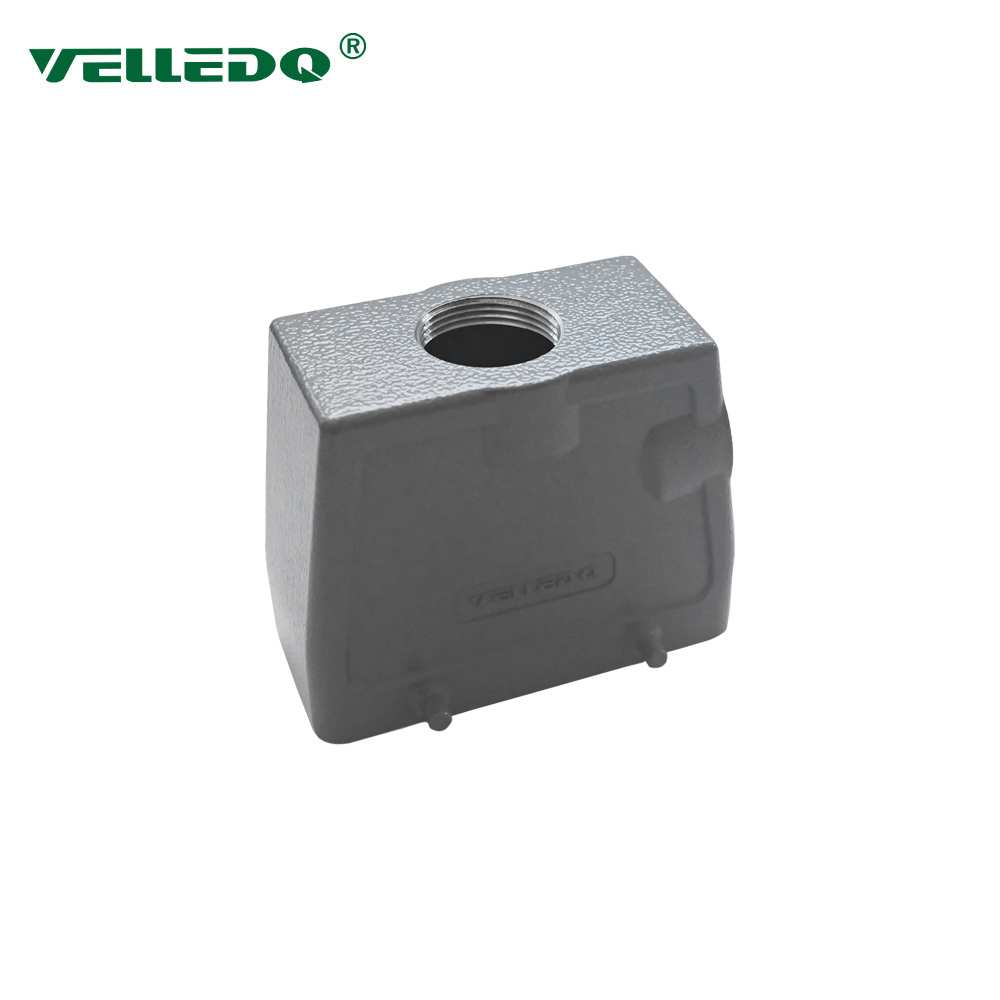


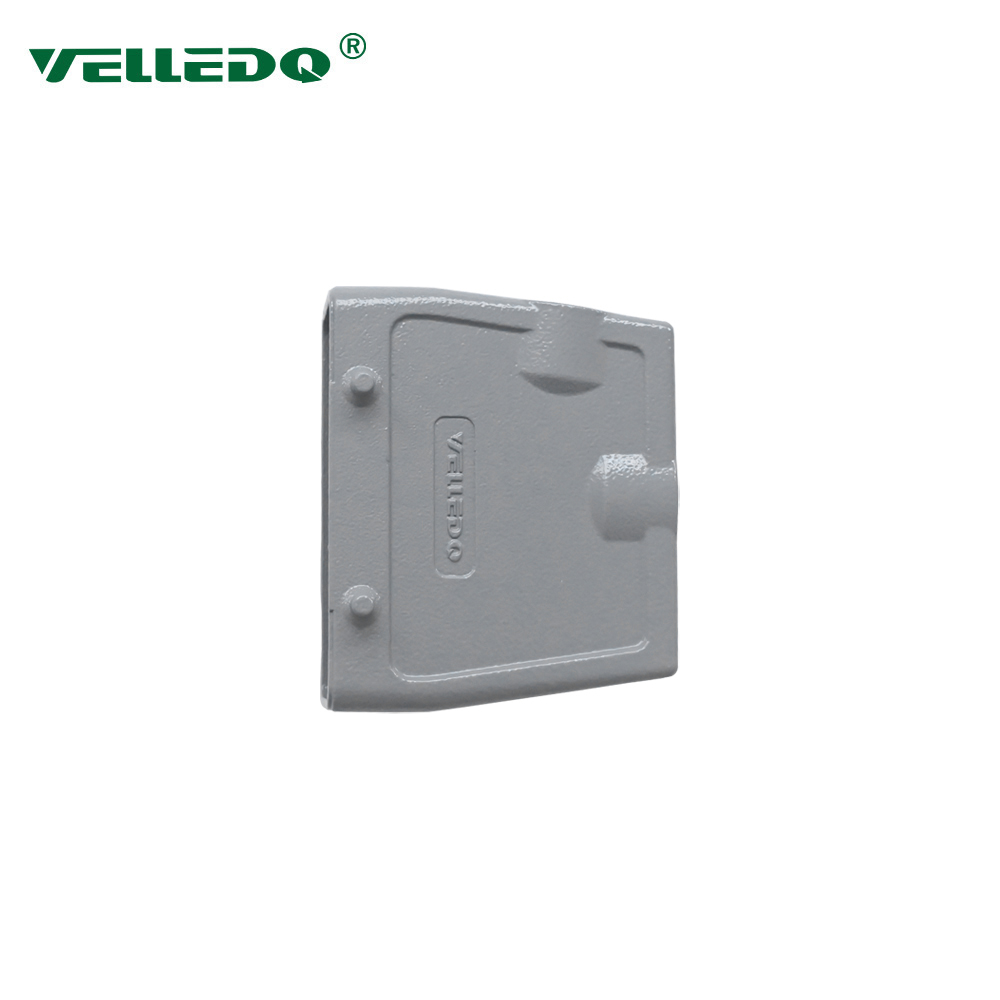
Automation has become a powerful industry-transforming force in the era of technological growth. Automation has transformed procedures, improved productivity, and enhanced the possibility for innovation across industries including manufacturing and logistics. Automatic production machinery, which relentlessly and precisely completes tasks, is at the center of the automation revolution. Industrial plug extension, which are sometimes ignored but crucial parts that guarantee power, data, and control flow properly, are what make this equipment operate without a hitch.
The Development of Automatic Production Machinery
The height of industrial innovation is represented by automatic manufacturing machinery. These technologies, which range from robotic arms to conveyor systems, carry out operations automatically to increase operational efficiency and reduce human involvement. Along with increasing productivity, autonomous production equipment integration has also opened the way for greater worker safety, waste reduction, and consistent product quality.
Using Industrial Plug Extension to Boost Automation
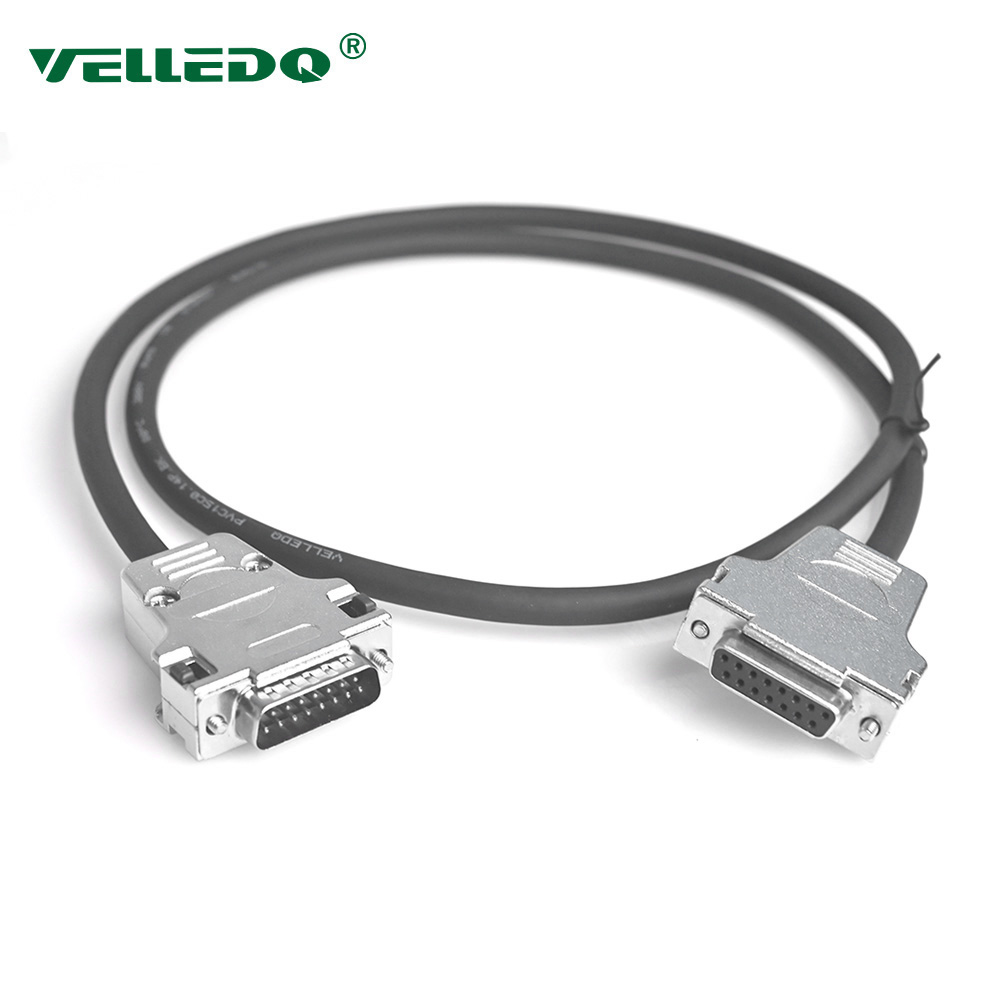
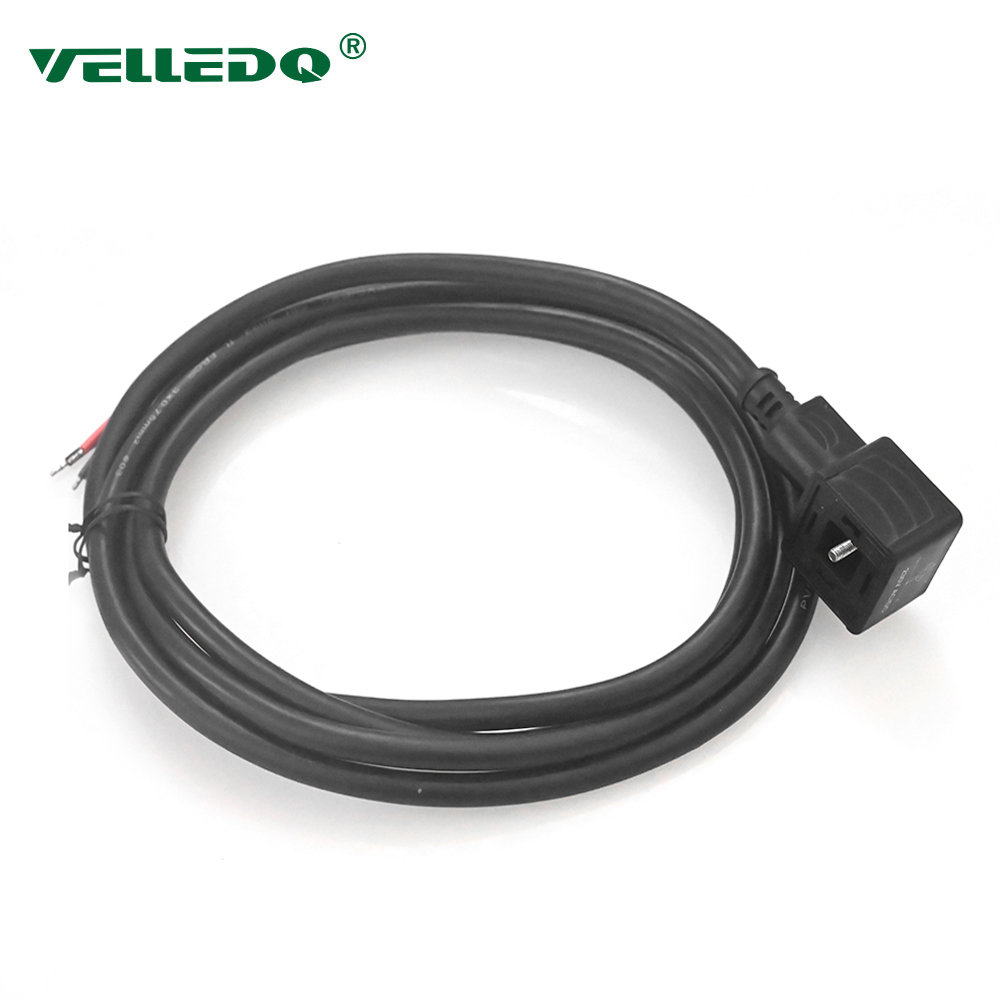
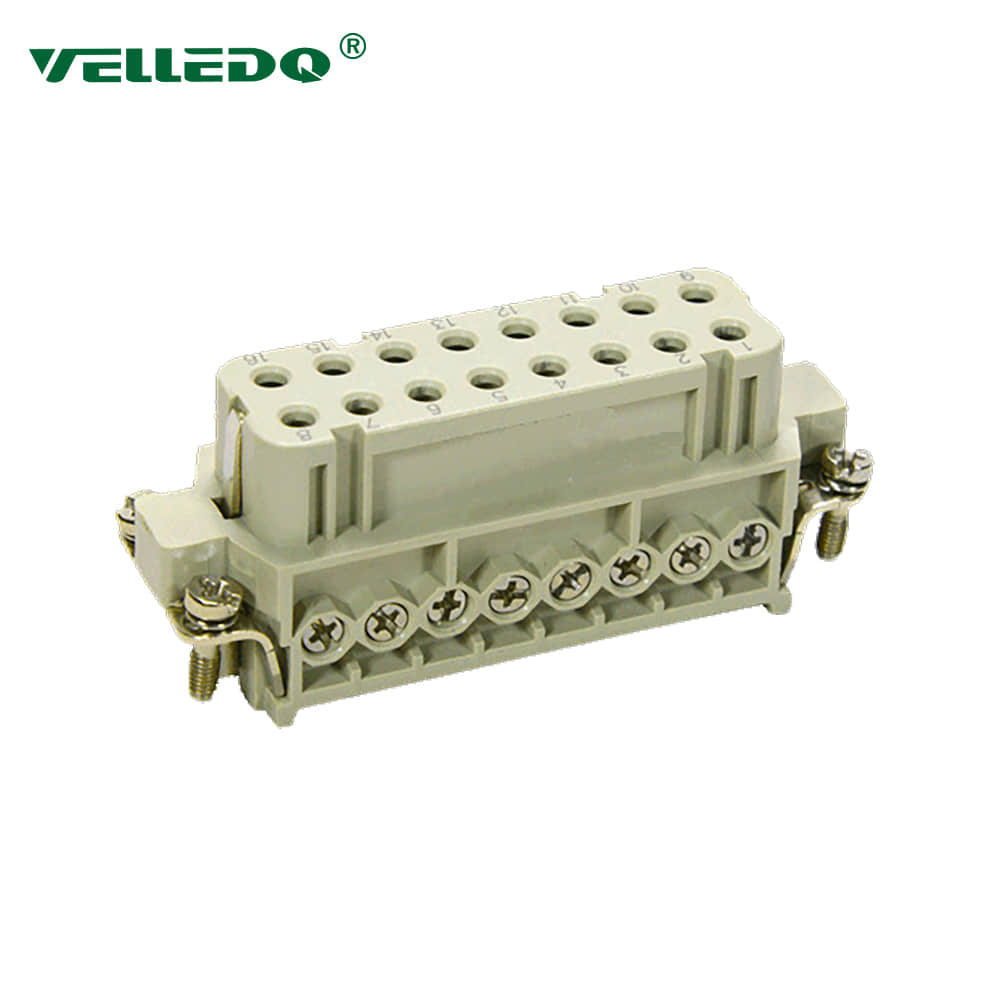
The key component that supports the functioning of automated manufacturing machinery is industrial plug extension. These plugs guarantee that the equipment receives power, that control signals are reliably delivered, and that data is shared without interruption. Industrial plug extension make it easier for the vital connections that power these devices, whether it be a welding robot on an assembly line or a precise cutting device.
Continuity of Power Transmission
A steady and dependable power source is necessary for automatic manufacturing machinery. Industrial plug extension are excellent in this aspect since they can handle high current and voltage levels. These plugs are designed to survive the harsh industrial conditions, including temperature changes and vibrations, to provide continuous power transfer that keeps the equipment operating efficiently.
Advanced Data Exchange
Modern automation depends on data to function. To carry out operations accurately, automatic manufacturing equipment depends on exact data interchange. The smooth transfer of data between sensors, controllers, and the central control system is made possible by industrial plug extension. Equipment can adapt to shifting circumstances, make modifications, and improve performance thanks to this real-time data transmission.

Resilience in Difficult Environments
Extremes in temperature, moisture, and dust may make industrial conditions difficult. These circumstances must be endured by automatic manufacturing equipment while preserving optimum performance. With sealing mechanisms that keep out impurities and guarantee a stable connection even in the roughest settings, industrial plug extension are built to endure such difficulties.
Improved Safety Measures
In automation, when robots operate near to human operators, safety is of utmost importance. Industrial plug extension enable emergency stop systems and interlock devices, which improve safety. These plugs make guarantee that equipment can be stopped right away in the case of a safety breach or malfunction, safeguarding both employees and the machinery itself.
Maintaining Efficiency
The proper operation of automated manufacturing machinery depends on regular maintenance. Industrial plug extension include sensors that track the condition of the equipment to help predictive maintenance plans. These sensors convey information about the state of the equipment, enabling maintenance crews to see possible problems before they cause unscheduled downtime.
Adaptation to Various Needs
There are many different types of automated manufacturing machinery available, each one
specifically designed for a certain industry or use.
Industrial plug extension allow for modification to meet these various requirements. To meet the unique needs of each machine, connectors may be set up to handle various voltage levels, signal kinds, and connecting interfaces.
Implementing Industry 4.0
The age of Industry 4.0 ushers in the fusion of analog and digital manufacturing methods. Intelligent factories rely on a seamless network of links to enable machine communication and autonomous decision-making. Industrial plug extension make it possible to integrate sensors, smart devices, and cloud-based platforms for real-time data processing, remote control, and monitoring.
Efficiency in Energy Use and Sustainability
Automation is about sustainability as well as efficiency. Industrial plug extension enable the integration of energy-saving technology, which helps to increase energy efficiency. For example, connections make it easier for automated manufacturing equipment to be powered by renewable energy sources, decreasing the need for conventional electricity and lowering carbon emissions.
Integration Smarts and Industry 4.0
The integration of autonomous production machinery entails more than merely putting isolated units in a networked environment. Industry 4.0 places a strong emphasis on the idea of linked, smart factories where information is smoothly transferred between different equipment and systems. The conduits that make this communication possible are industrial plug extension. They make it easier for sensors, actuators, and control devices to be integrated, enabling machines to communicate, work together, and make quick choices that improve production processes.
Manufacturing that is responsive and adaptive
Modern marketplaces often demand that producers be adaptable and quick to react. Industrial plug extension for automatic production systems provide the adaptability required to meet shifting production demands. These plugs make it possible to quickly reconfigure manufacturing lines, incorporate new processes, and seamlessly include various equipment and modules. Manufacturers can maintain an advantage in a market that is continually changing thanks to their agility.

Modernizing Quality Assurance
In manufacturing, quality control is crucial, and automation outfitted with commercial-grade connections is changing this field. Advanced quality control systems that monitor and examine every element of manufacturing may be integrated thanks to the connections. These plugs guarantee that goods satisfy the tightest quality requirements, saving waste and raising customer satisfaction. They do this by measuring measurements with high accuracy and spotting flaws in real time.
Ability to Scale for Growth
Businesses’ manufacturing requirements evolve as they expand. Automatic manufacturing machinery provides scalability to facilitate growth and is backed by industrial plug extension. New devices, procedures, and manufacturing lines may easily include these plugs. Manufacturers may expand production, launch new goods, and investigate new markets because to its scalability, which eliminates the need for significant reconfiguration.
Decreased Human Error
Automated procedures greatly lower the possibility of human mistake, improving the uniformity and security of the final result. This is made possible by industrial plug extension by guaranteeing precise and reliable transmission of control signals. These connections are essential for ensuring the dependability of automated systems and avoiding expensive errors by reducing the likelihood of signal interference or loss.
A New Manufacturing Era
A new age in manufacturing has begun with the cooperation of automated production machinery and industrial plug extension. With the help of this alliance, manufacturers may increase their production, efficiency, and product quality. It makes it possible to build complex production lines with equipment that interact with one another and change course in response to environmental changes. Manufacturing processes are brought to new levels of innovation via the combination of robots, data analytics, and artificial intelligence.
Improvement of Workforce Dynamics
Contrary to popular belief, automation does not endanger employment; rather, the use of industrial plug extension in automated manufacturing machinery improves labor dynamics. These plugs allow up human resources to concentrate on more imaginative and strategic areas of production by freeing them from monotonous and physically taxing activities. A more knowledgeable and empowered workforce that fosters innovation and value creation results from this transition.
Management of resources and sustainability
In the industrial sector, sustainability is becoming more important. In resource management, automatic manufacturing machinery is greatly aided by industrial plug extension. These systems lessen energy use, material waste, and environmental effect via precise process control and optimization. A greener and more sustainable manufacturing environment is made possible by the incorporation of energy-efficient components and the capability to monitor resource utilization.
The Way Ahead
The interplay between industrial plug extension with autonomous manufacturing machinery is a striking example of human inventiveness and advancement in technology. This collaboration has the ability to alter sectors, spur economic expansion, and tackle global issues. The importance of these connections must be acknowledged by manufacturers as the world continues to embrace automation. They serve as the foundation for effective, cutting-edge, and sustainable manufacturing techniques because of their strength, dependability, and flexibility.
Conclusion
Automatic production equipment is at the forefront of the revolution of industries brought about by the era of automation. Modern production is powered by these machines, which increase productivity and efficiency. Industrial plug extension, on the other hand, act as the unsung heroes that fuel these machinery. These plugs allow the smooth functioning of automated manufacturing equipment from power transfer to data exchange. Industrial plug extension serve as a monument to the vital function of unassuming components in determining the future of manufacturing in a world where innovation is often equated with progress. These plugs will remain the foundation of an industrial environment that is more productive, sustainable, and interconnected as automation develops further.