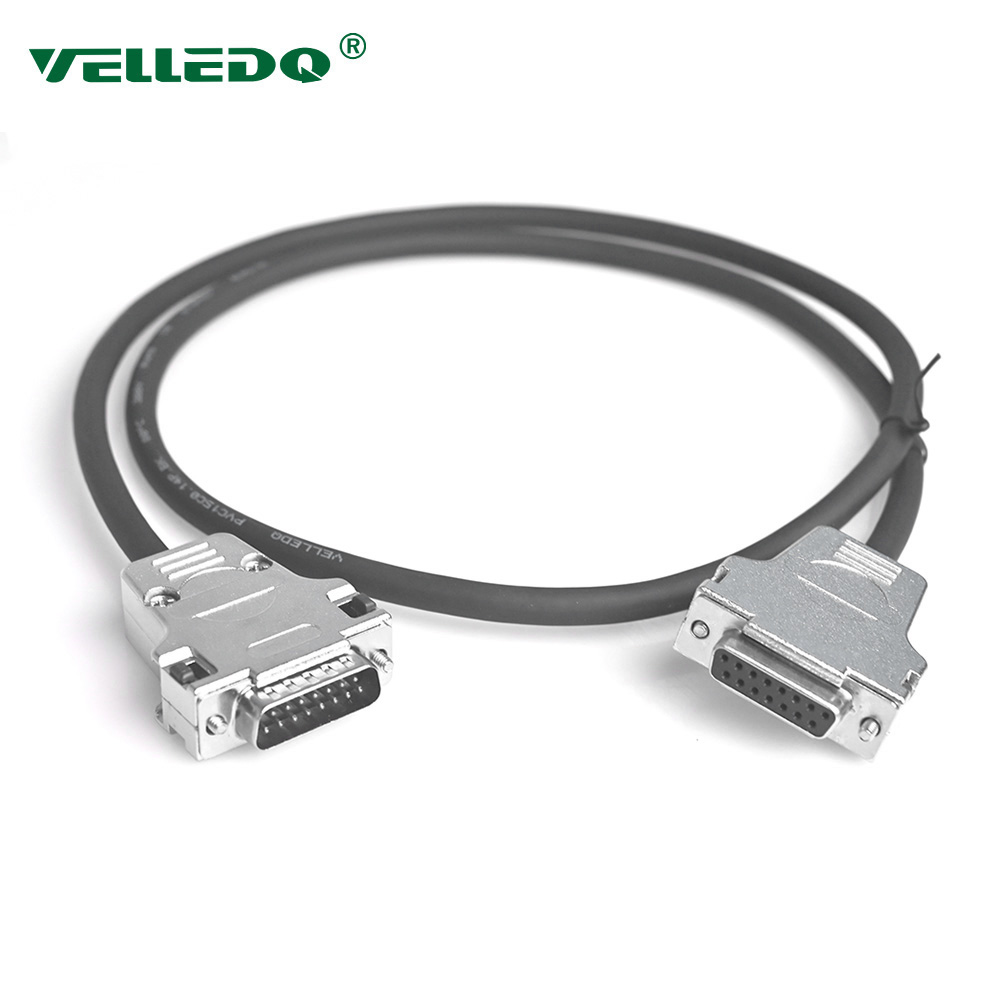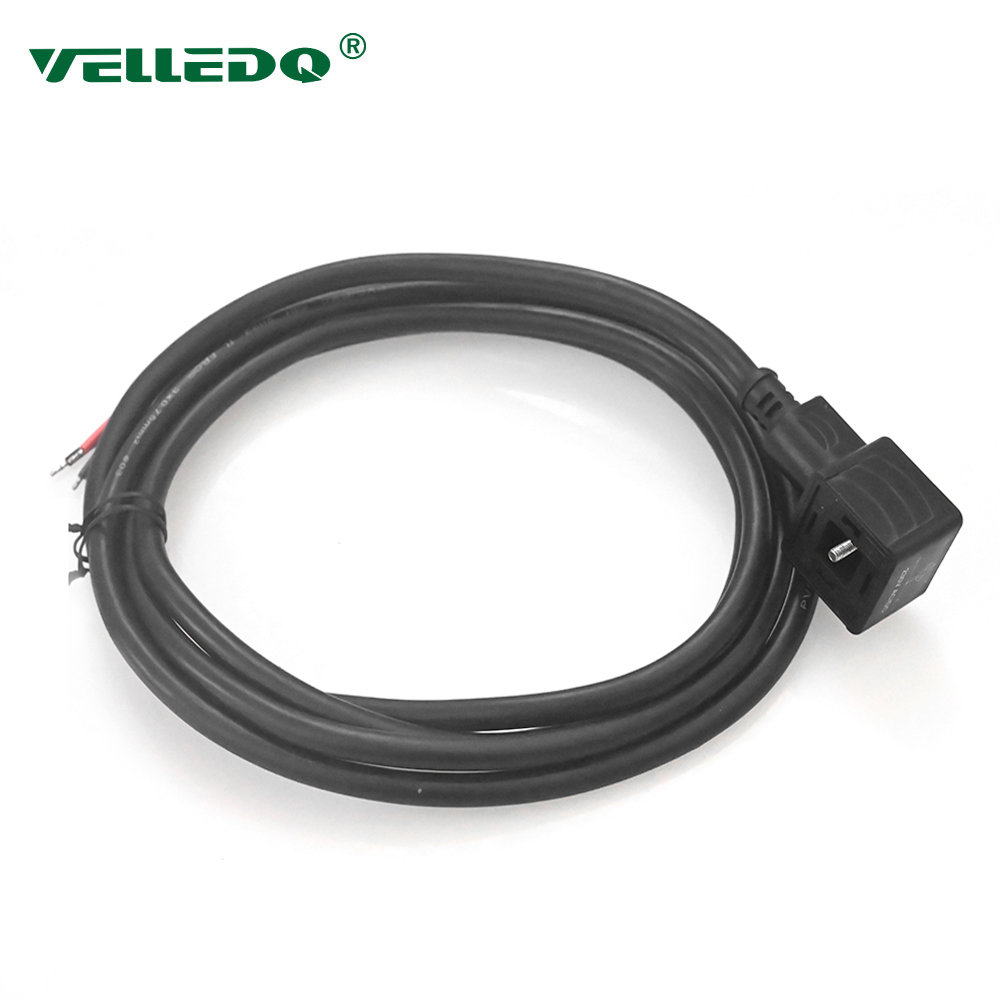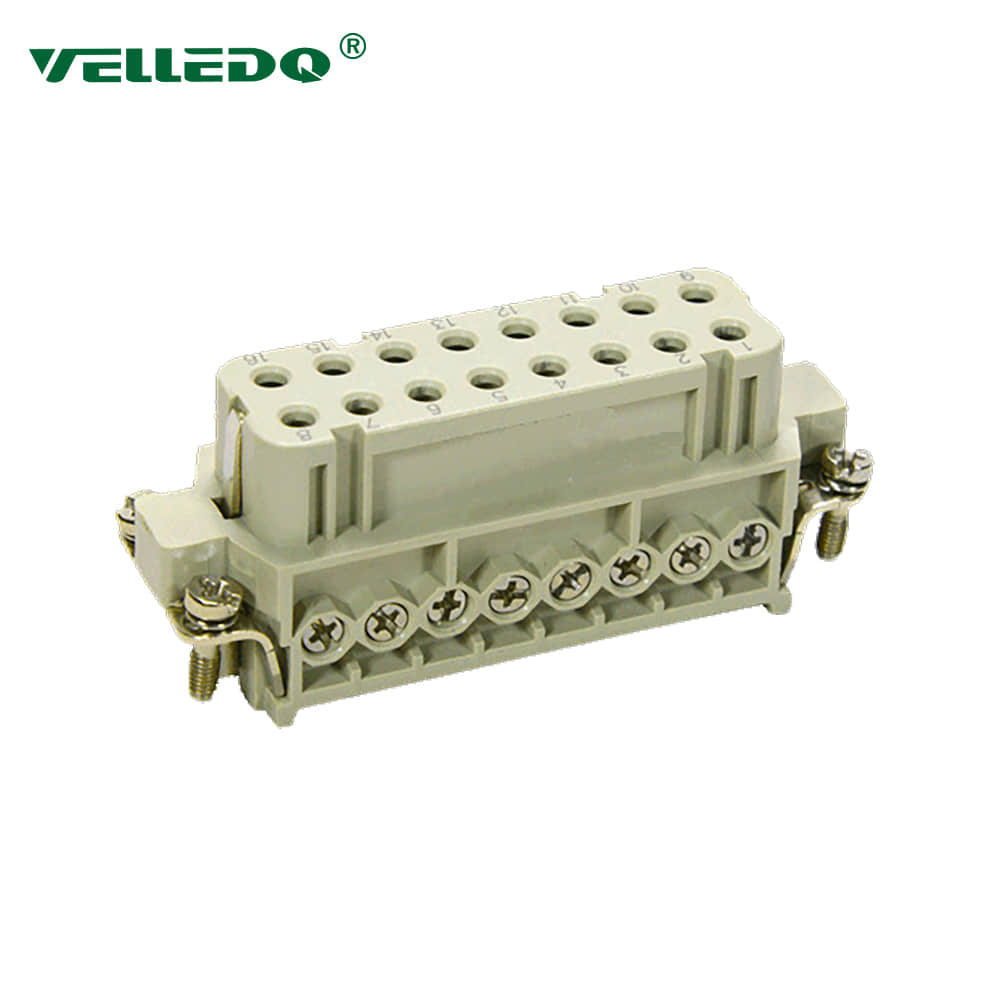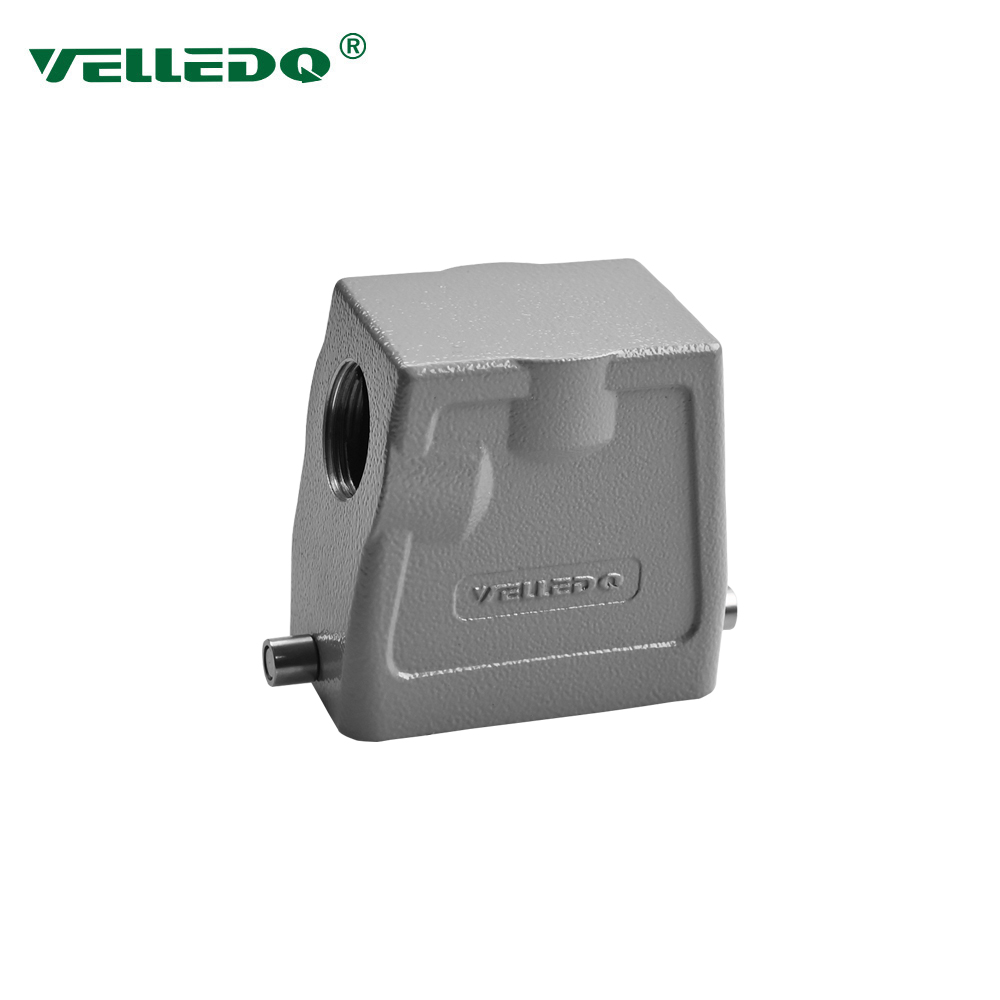
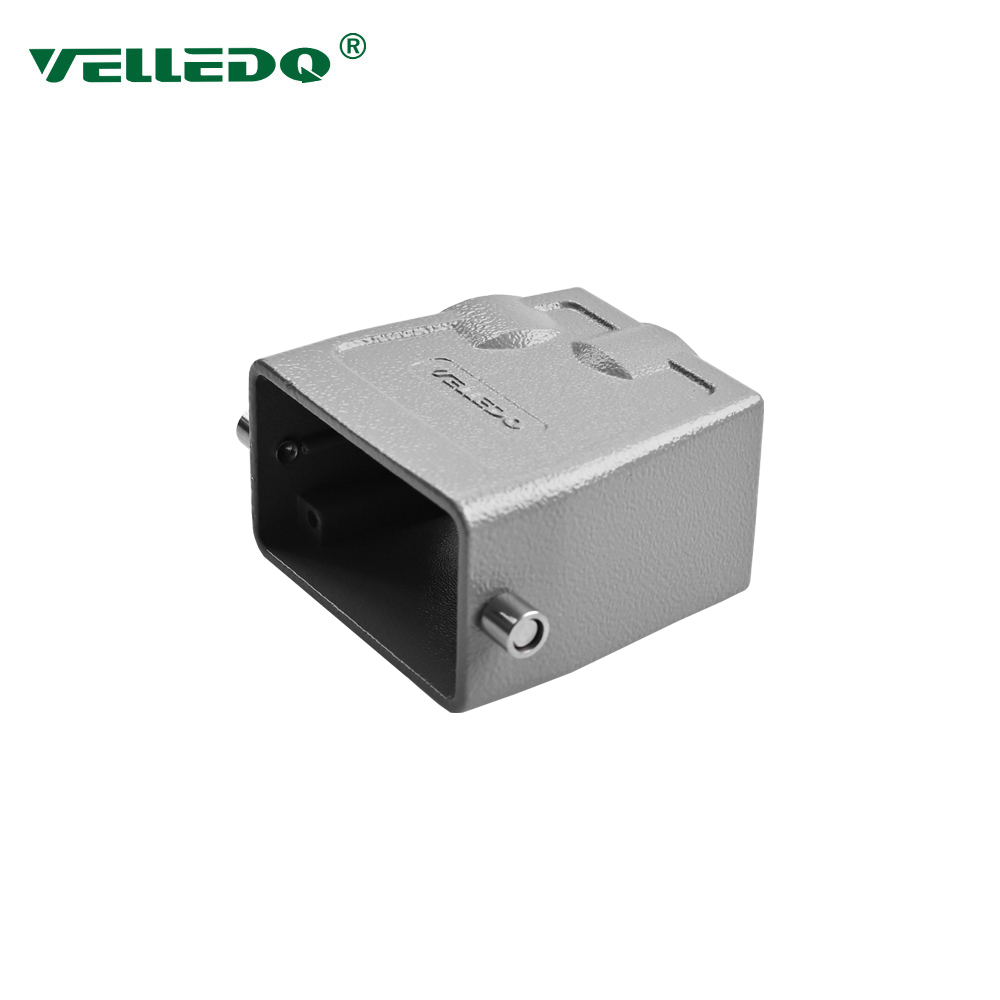

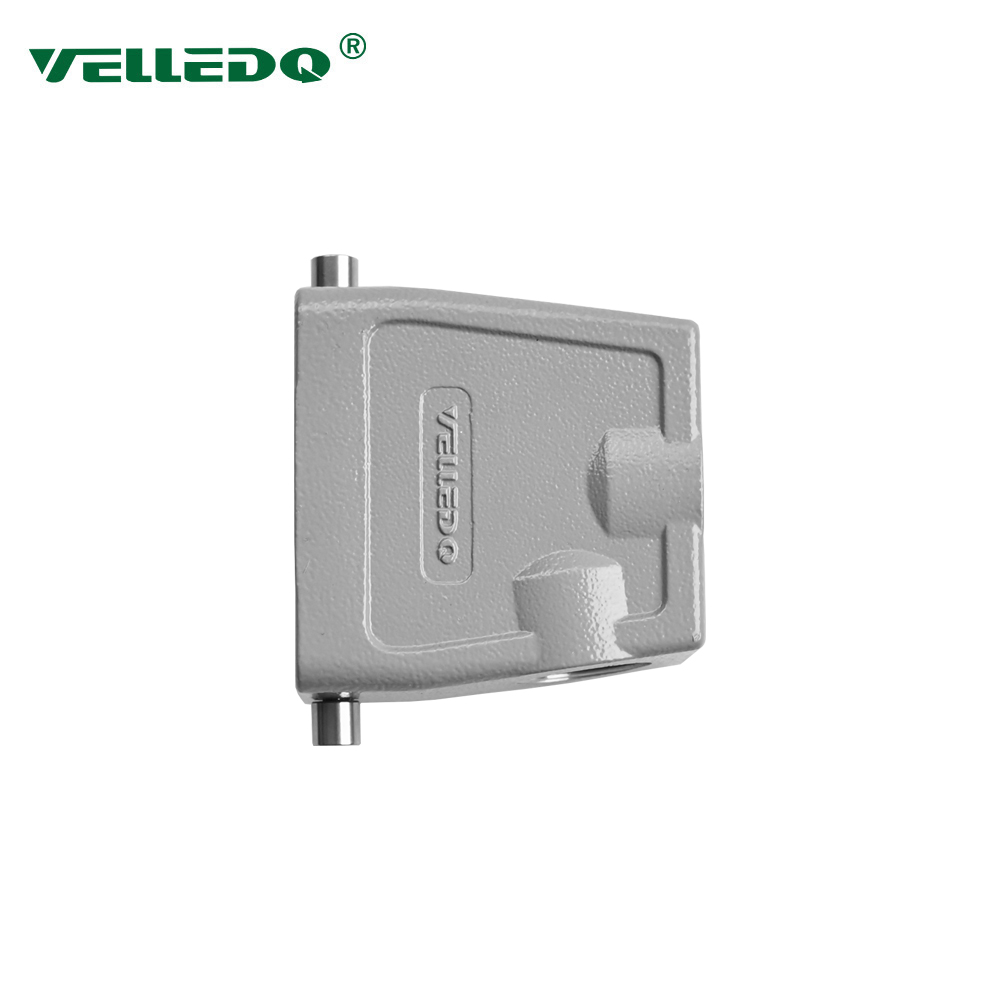
A symphony of parts working in perfect unison to build a vehicle that has revolutionised transportation and influenced the way we live makes up the contemporary automobile, an engineering marvel. The vehicle assembly line, a technological wonder that has revolutionised manufacturing and production, is at the centre of this operation. The unsung hero of this complex ballet of automation and accuracy is the industrial socket connection.
The Invention of the Assembly Line: A Revolution in Manufacturing
In industrial history, the invention of the assembly line for cars was a turning point. The assembly line, pioneered by Henry Ford in the early 20th century, presented a novel production strategy. Instead of individual craftsmen constructing entire cars, specialised employees at different stations concentrated on particular jobs, enabling a continuous flow of production. Due to the substantial reduction in production costs and times, a larger portion of the population now has access to automobiles.
The Modern Automobile Assembly Line’s Unveiling
Auto assembly lines of today are a symphony of robotics, automation, and fine engineering. A vehicle is built at several stations, each of which focuses on a different aspect of construction. Each station is a crucial component of the jigsaw, from engine installation and final inspection through welding and painting. Modern consumers want efficiency, quality, and precision, which calls for an assembly line that runs without a hitch.
Industrial Socket Connection: The Basis for Efficiency
Industrial socket connection discreetly support the effectiveness and coordination of the entire assembly line while robotics and automation steal the show. These connections are essential for distributing power, transmitting control signals, and exchanging data across various devices, sensors, and components.

Motor control and power distribution
The assembly line must run smoothly, which requires effective power distribution. Industrial socket connection are made to withstand high voltages and currents, ensuring that conveyors, robotic arms, and other machinery’s motors and actuators receive power. With this accurate power distribution, energy use is maximised, losses are reduced, and equipment failures brought on by voltage fluctuations are avoided.
Communication and Synchronisation
To ensure that parts are assembled with millimetre accuracy, automobile assembly lines need to precisely synchronise their operations. Industrial socket connection make it easier for sensors, programmable logic controllers (PLCs), and central control systems to exchange control signals. Through this connection, machines and robots are guaranteed to operate in perfect harmony, leading to flawless assembly and decreased downtime.
Rapid transformation and adaptability
On the same production line, modern automakers create a variety of models and variants. Efficiency requires seamless transitions between various configurations. industrial socket connection play a part by making it possible for sensors, tools, and robotic end effectors to be quickly reconfigured. Their quick-lock mechanisms and modular designs minimise downtime during upgrades, enabling manufacturers to respond quickly to shifting market demands.
Predictive Maintenance with Data-Driven Insights
Data is king in the Industry 4.0 age. industrial socket connection can be used in automobile assembly lines to gather data from robots, machines, and sensors. For analysis, this data is sent to centralised control systems or cloud-based platforms. Manufacturers can use this data to learn more about operating performance, spot anomalies, and anticipate maintenance requirements. Predictive maintenance decreases unscheduled downtime, lengthens the life of the equipment, and boosts overall productivity.
Controlling quality and tracability
In the automotive sector, quality assurance and traceability are highly valued. The integration of vision systems, barcode scanners, and RFID technology into the production line is made possible by industrial socket connection. To make sure that every car that leaves the assembly line complies with strict quality standards, these connectors make it easier for data relating to part identification, quality inspection, and traceability to be exchanged.
Safety and Collaborative Robotics
Cobots, or collaborative robots, are showing up more frequently on auto production lines. These robots collaborate with human workers, necessitating exact safety precautions. Real-time transmission of safety signals and emergency stop directives is made possible by industrial socket connection. Their function in ensuring secure interactions between people and robots promotes employees’ wellbeing while raising overall productivity.
Industrial Socket Connection in the Age of Automotive Advancements: Advancing the Future
The vehicle production line’s path is anything from static. It is a tale of constant evolution, redefining technological prowess, efficiency, and sustainability through inventions. Industrial socket connection are adjusting to new opportunities and challenges in this changing environment, advancing the automotive sector towards a future characterised by electrification, autonomy, and connectivity.
Hybridization and electrification
The automobile industry is undergoing a change as a result of the move towards electric and hybrid vehicles. Precision control, high voltage distribution, and quick charging are essential for electric powertrains. At the forefront of this revolution, Industrial socket connection enable the effective transfer of high-voltage electricity from batteries to electric motors. They make sure that energy is safely captured and distributed, enabling high-performance and environmentally responsible transportation.

Sensing and driving that is automated
Autonomous vehicles navigating our roadways are starting to become a reality. The sensors, LiDAR systems, and cameras that enable autonomous driving capabilities depend on industrial socket connection. In order to provide real-time data transmission, which is essential for the vehicle’s decision-making processes, they build trustworthy connections between these sophisticated sensing devices and central processing units. These interfaces will continue to be crucial in maintaining security and dependability as autonomous cars develop in complexity.
Internet access and in-car technology
Modern vehicles are developing into linked hubs with navigation, infotainment systems, and Internet of Things (IoT) connectivity. Industrial socket connection provide data transfer between various in-car systems, facilitating the integration of these technologies. These connectors guarantee flawless communication, boosting the experience of the driver and passengers in everything from entertainment to vehicle diagnostics.
Manufacturing in modules and scalability
The adoption of modular manufacturing by the automotive sector has redefined production flexibility. industrial socket connection make it possible to integrate modular parts, which enables producers to quickly modify their assembly lines to create various vehicle models and variants. This scalability decreases the need for significant capital investments when introducing new models and minimises downtime during reconfiguration.
Sustainable methods and green initiatives
The automotive sector now places a high priority on sustainability. Manufacturing procedures are changing as a result of the push for environmental responsibility, from eco-friendly materials to lower emissions. Industrial socket connection support sustainability initiatives by facilitating energy-efficient processes, improving power distribution, and minimising energy waste. The industry’s dedication to a greener future is consistent with their involvement in reducing resource usage.
Localization as well as globalisation
Assemblies lines frequently cross numerous continents because to the globalisation of the automotive industry, each with its own regulatory needs and market preferences. Industrial socket connection make it easier for parts and control systems to be standardised on global production lines. This standardisation guarantees constant quality and enables businesses to meet local standards while still operating effectively.
Safety of Workers and Ergonomics
Maintaining worker safety as automation and robotics on assembly lines grow is of utmost importance. Through the transmission of safety signals, emergency stop orders, and interlock controls, industrial socket connection serve a purpose. These interfaces enable collaborative robotics and guarantee that humans and robots may work together safely.
Conclusion
The vehicle assembly line has developed past its historical origins to become a hub of innovation and development. Industrial socket connection serve as adaptable allies, developing to meet the needs of a quickly changing environment, as the sector moves towards new horizons.
These connectors are the connecting threads that stitch together the complex fabric of the automotive industry, powering electric vehicles, providing autonomous capabilities, boosting connectivity, and embracing sustainability. industrial socket connection will continue to be the catalysts, connectors, and drivers of an automotive revolution that promises a safer, more productive, and more interconnected world on wheels as the future develops with new technologies and opportunities.