Industries have seen a revolution thanks to automation, which has boosted process control, accuracy, and efficiency. The automatic control system, a complicated network of sensors, actuators, controllers, and connections that collaborate to handle diverse operations without human involvement, is at the core of many automated systems.
Growing Automation
Almost every industry has been affected by automation, from manufacturing and energy to healthcare and transportation. By using sophisticated gear and intelligent systems to do manual activities instead of people, automation increases productivity. The key to this change is the use of automatic control systems, which offer precise and autonomous control over numerous processes, maintaining consistency in outputs and reducing human error.
A Multifaceted Network for the Automatic Control System
An automated control system is made up of a number of parts that work together to accomplish certain goals. While actuators react to the signals sent by controllers to modify or alter situations, sensors track changes in the system’s surroundings or variables. Decisions are made by controllers, which are guided by algorithms and logic, using input from sensors and desired setpoints. Industrial socket connectors, which provide smooth operation of communication, power distribution, and data transmission, are at the centre of this complex interaction.
Industrial Socket Connectors: The Foundation of Automation
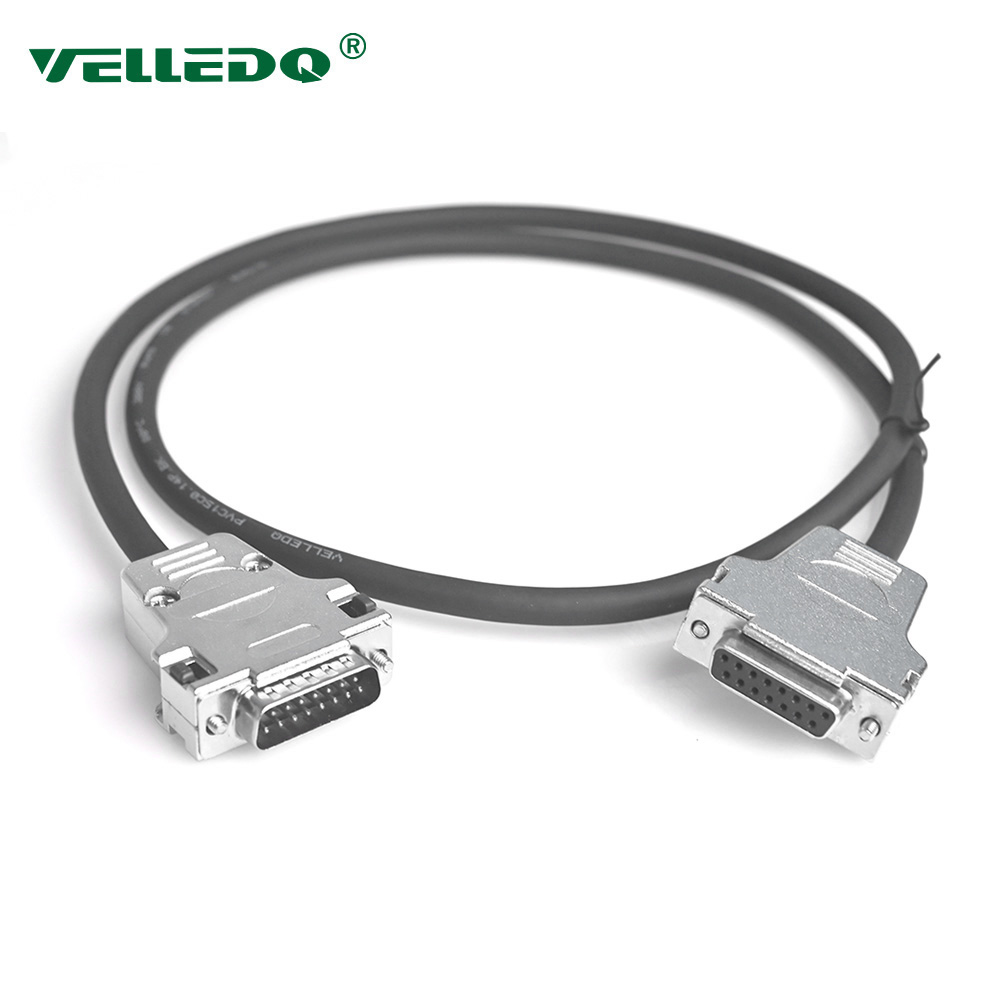
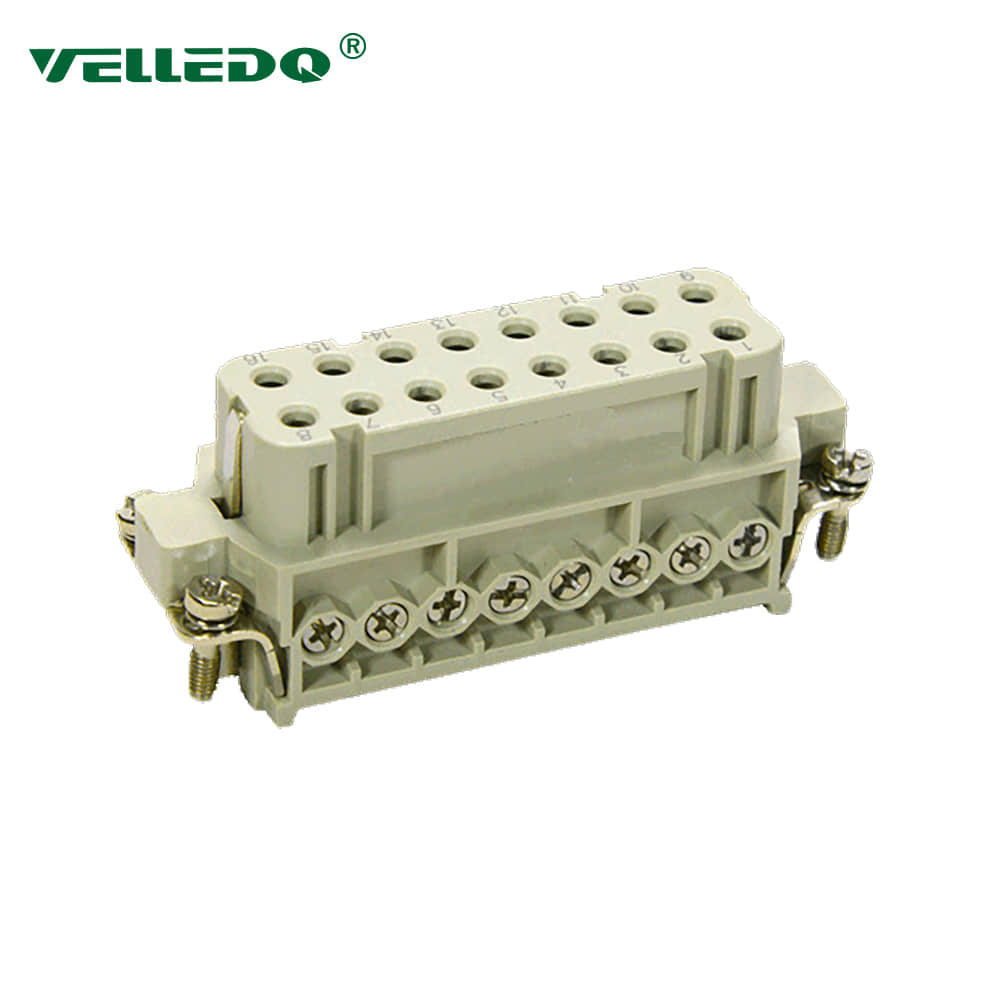
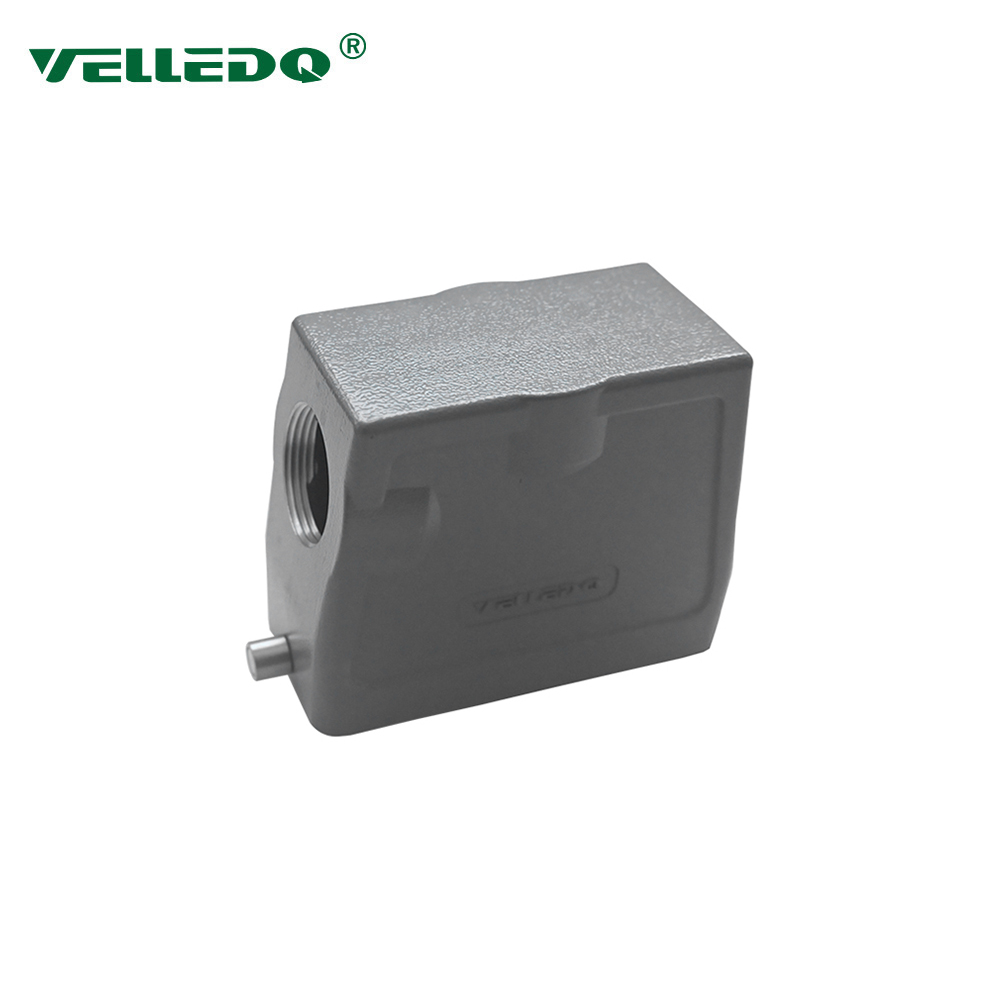
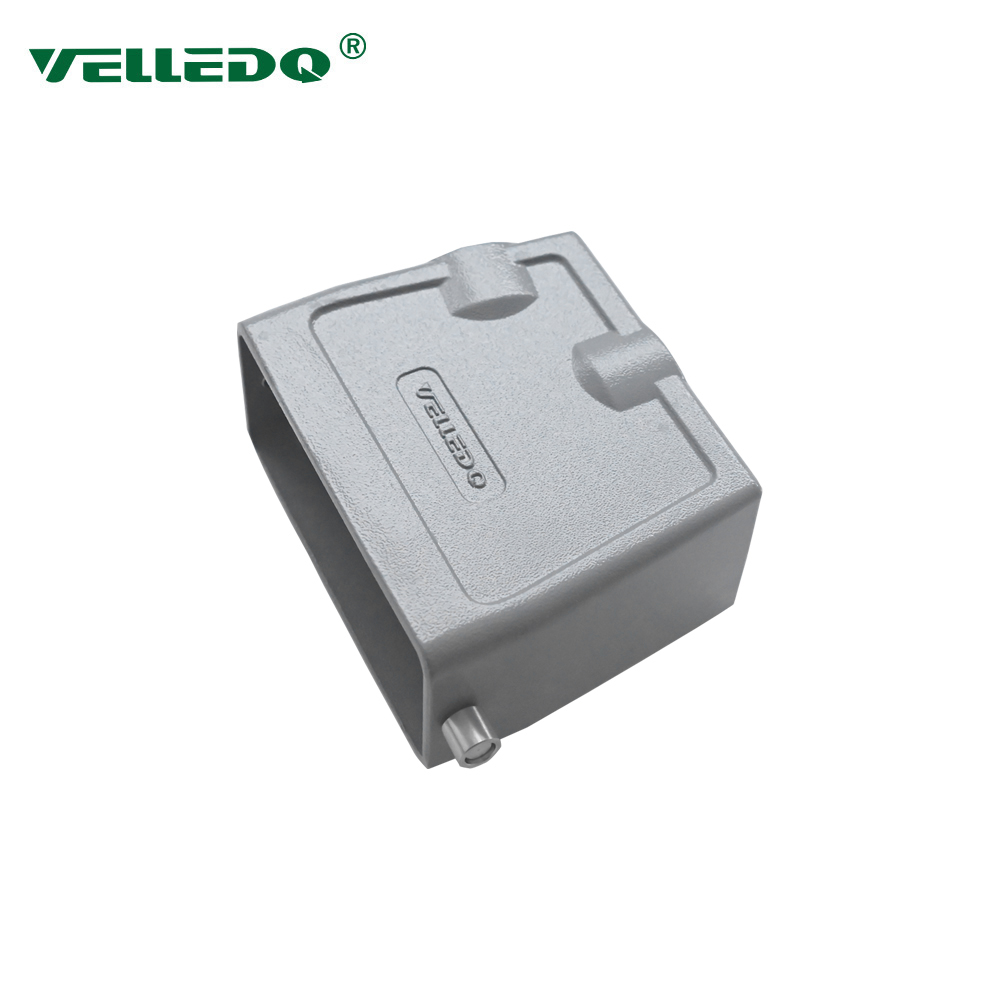
Industrial socket connectors are the unsung heroes that make automated control systems easier to use. These connectors provide the crucial connections that enable communication, data sharing, and power receipt between sensors, actuators, controllers, and other components. They play a crucial role in settings where dependability, durability, and safety are top priorities because to their robust design, premium materials, and sophisticated sealing mechanisms.
Connectivity with Accurateness
Precision in automated control systems is crucial. Industrial socket connectors provide the exact transmission of sensor data to controllers, allowing fine changes to achieve desired conditions. These connectors are essential for making sure the system reacts to inputs properly, whether it be for maintaining a certain temperature, managing pressure, or controlling the speed of a motor.

Distribution of power and energy effectiveness
Many different components that make up automatic control systems need electricity to operate. Industrial socket connectors control how much power is sent from different sources to different actuators, motors, and components. By managing high voltage and current levels, these connectors make sure that power is supplied effectively while reducing energy waste. These connections help maintain operations in sectors where energy efficiency is a top concern.
Instantaneous Data Exchange
Real-time information flow between sensors, controllers, and actuators is essential for autonomous control systems to function well. Industrial socket connectors make it possible for data to be sent smoothly, enabling controllers to make judgements and modifications based on the most recent data. This real-time communication makes sure that the system reacts quickly to changing circumstances, maximising efficiency and production.
Resilience in Difficult Environments
In challenging settings like industrial production plants, aerospace facilities, and even space, many automated control systems are in operation. Extreme temperatures, vibrations, dampness, and chemical exposure are all problems that industrial socket connectors are designed to handle. Even under the worst situations, they will continue to be trustworthy and useful because to their sturdy build.
Security and adherence
Critical activities, such emergency shutdowns, safety interlocks,
and process management in risky conditions, are often managed using automatic control systems. These safety devices rely on industrial socket connectors to correctly and speedily relay emergency signals. Particularly important is their function in ensuring safety compliance in fields where the environment and human lives are at risk.
Play-Along Modularity
Automatic control systems are scalable and adaptable due to their modular design. Industrial socket connectors make it simple to connect and disengage components as required, facilitating this versatility. With its plug-and-play capability, maintenance, upgrades, and reconfigurations are made simpler, reducing downtime and saving time.
Integration of Industry 4.0 and IoT
Automatic control systems become increasingly linked and sophisticated as companies adopt the Internet of Things (IoT) and Industry 4.0. The keystone that makes this connecting possible are industrial socket connectors. In order to facilitate data sharing, remote monitoring, and preventive maintenance, they provide the fundamental connections for Internet of Things (IoT) devices, sensors, and data networks. These connectors are the facilitators of innovation and efficiency in the age of linked systems, smart factories, and intelligent manufacturing.
Remote Administration and Control
In several sectors, the use of remote control and monitoring has grown in significance. Remote control of equipment and processes is made possible by automatic control systems using industrial socket connectors. This capacity is particularly useful in places with restricted physical access, such distant energy production facilities, autonomous factories, and offshore oil rigs. By enabling the transfer of data and control signals over long distances, these connectors enable operators to make changes and collect data from a central point.
Redundancy and dependability are ensured
Redundancy is an important factor to take into account in sectors where downtime may be expensive and even deadly. Industrial socket connectors provide two connections for crucial components, assisting redundancy schemes. The system may easily transition to the backup connection in the event of a failed connection, guaranteeing continued functioning. Enhancing system availability and dependability, which are crucial in industries like electricity distribution and aviation, is made possible by this redundancy feature.

Applications in Aerospace and Avionics
The safety and efficiency of aeroplanes are significantly dependent on automated control systems in the aerospace sector. Industrial socket connectors are essential in aviation, connecting communication devices, navigational equipment, and more. These connectors are essential to meeting the demanding requirements and guidelines set by the aviation industry because they help ensure the accuracy and responsiveness needed for safe takeoffs, landings, and flights.
Smart grids and energy administration
With the development of smart grids and energy management systems, the energy industry has undergone a shift. These systems, which often include renewable energy sources, energy storage, and demand-response mechanisms, enable the effective distribution and use of power. Connecting sensors, control systems, and energy storage devices is made easier by industrial socket connectors, allowing for the regulation of energy flow and improving the efficiency of the grid.
Modularity: Future-Proofing
In a technology environment that is continually evolving, autonomous control systems must be flexible and adaptable. Industrial socket connectors enable the simple integration of new parts, technologies, and sensors, which adds to this versatility. These connectors provide a future-proof foundation that permits updates and expansions without interfering with current operations as industries develop and adopt new technology.
AI and Emerging Technology Integration
Industries are changing as a result of the fusion of automation and cutting-edge technology like artificial intelligence (AI). Automatic control systems can now make wise judgements based on enormous volumes of data thanks to AI algorithms. Industrial socket connectors are essential for integrating AI-powered components because they provide correct data transmission to AI systems and efficient decision-to-control signal translation.
Considerations for Safety and Difficulties
While automated control systems have many advantages, they also have drawbacks. Robust security measures are needed to protect against cybersecurity attacks, system weaknesses, and possible malfunctions. Industrial socket connectors are essential for putting these safety features into place. They allow data encryption, provide secure communications, and add to fail-safe architectures that guard against catastrophic failures in crucial applications.
Cooperative Human-Machine Systems
Automatic control systems are supposed to supplement human ability rather than to replace it. Industrial socket connectors support human-machine interaction by offering interfaces that enable operators to keep an eye on, become involved with, and overrule automated processes as needed. The connectors make sure that human operators and automated systems may continue to communicate effectively and seamlessly.
Conclusion
Modern automation is propelled by automatic control systems, which improve productivity, accuracy, and security across many sectors. Industrial socket connectors serve as the fundamental linkages in these systems, facilitating data transmission, power delivery, and communication. It is impossible to exaggerate their importance in maintaining dependability, toughness, and safety. These connectors are the unsung heroes that enable sectors to reap the rewards of automation, from production lines to vital infrastructure, from healthcare facilities to energy generation. Industrial socket connectors will remain crucial parts that assist the development of automation and contribute to a more effective, connected, and automated future as technology continues to grow.