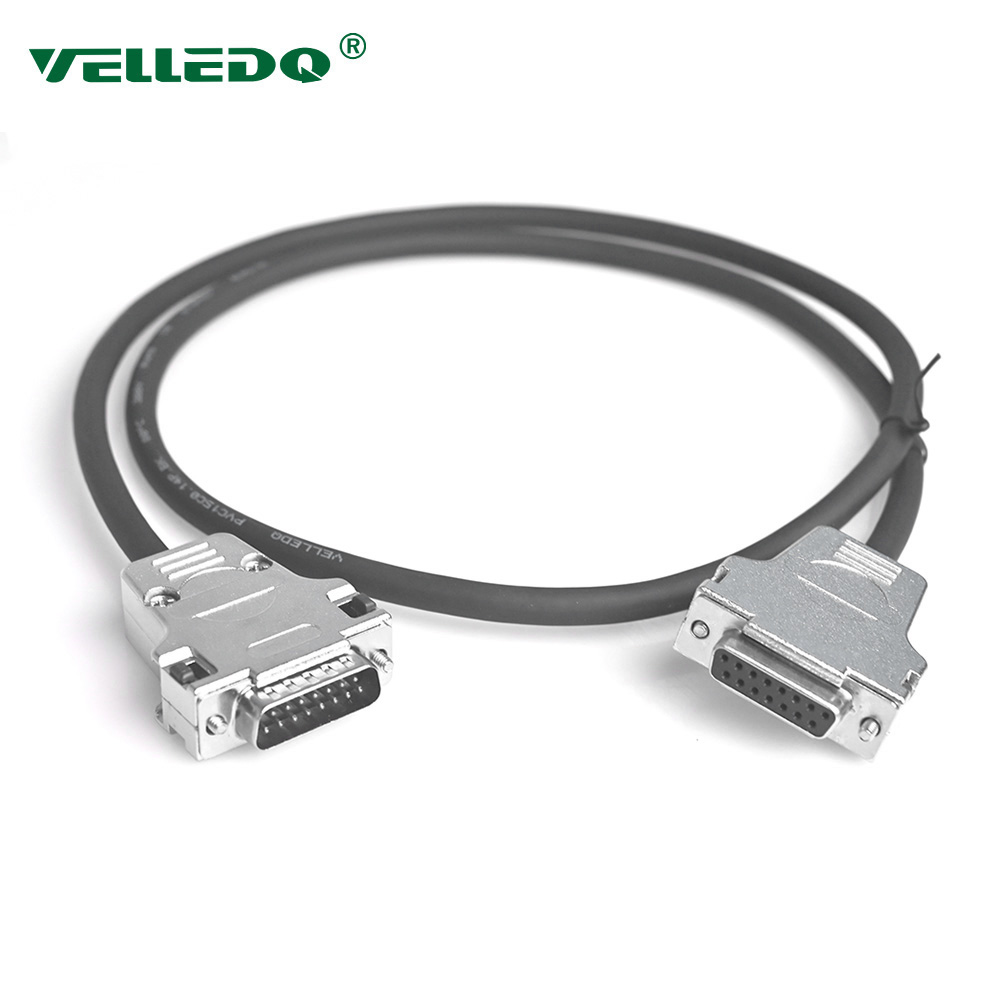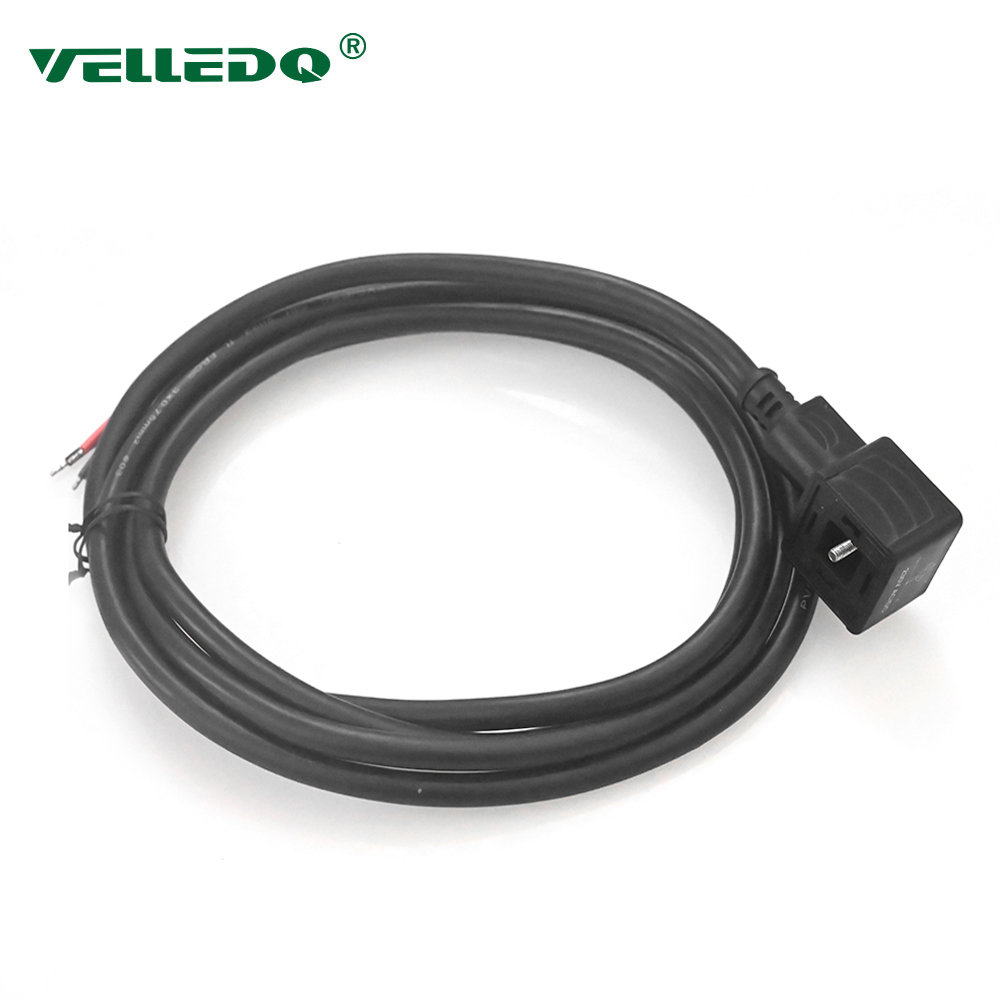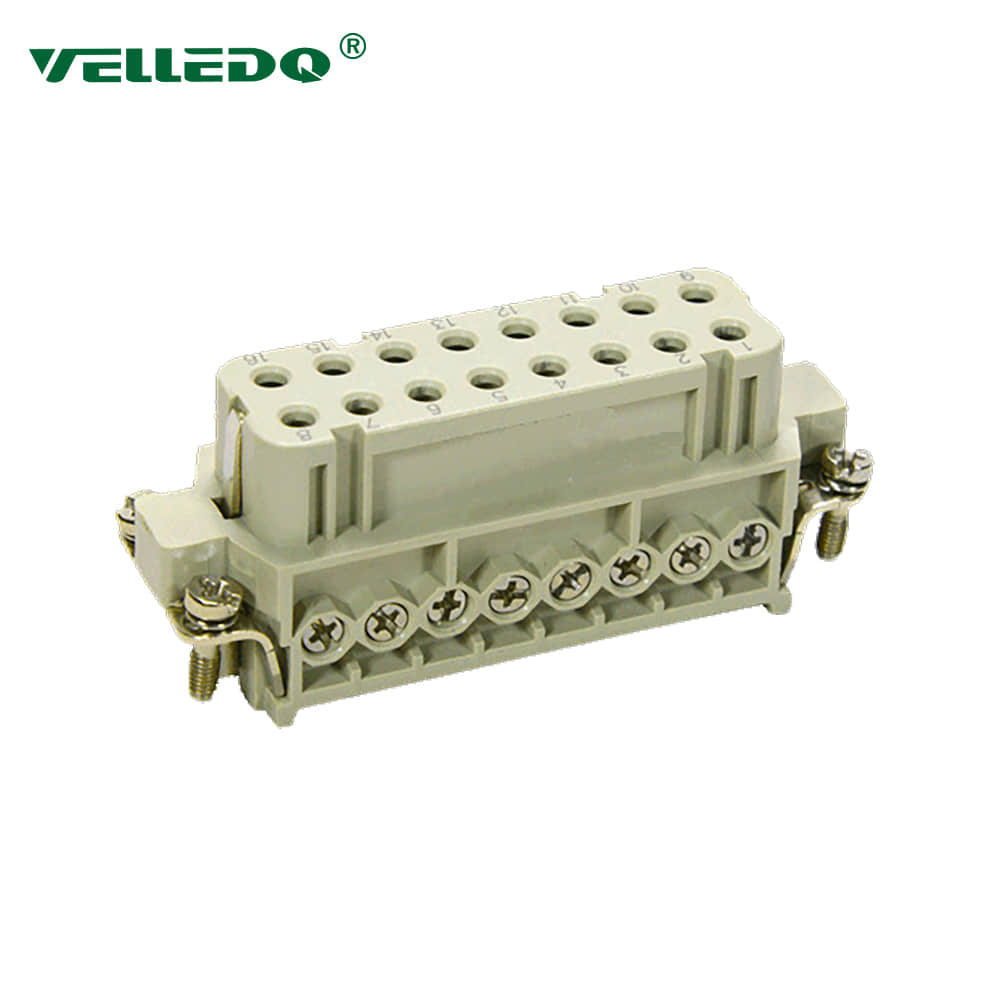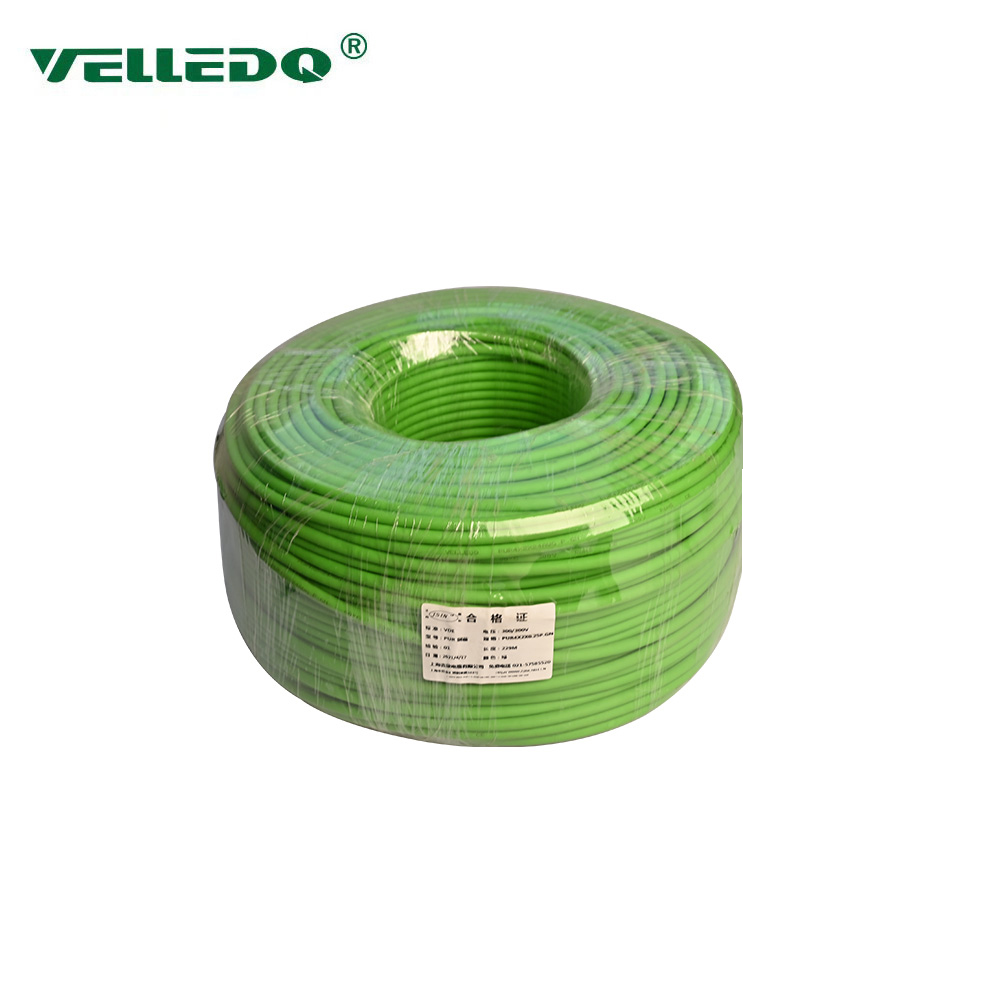

The field of architectural engineering straddles the boundaries of science, art, and technology. It is the area of engineering that deals with the planning, constructing, and maintenance of structures. Architectural engineers are essential in developing secure, environmentally friendly, and aesthetically beautiful environments that improve people’s lives and work with the surrounding environment. Modern building designs must include cutting-edge technology as architectural engineering develops, and industrial wire harness are key to making sure that this integration is smooth.
I. Architectural Engineering Overview
The discipline of architectural engineering, which unites architecture with engineering, is varied. It creates practical and aesthetically pleasing structures and infrastructure by fusing architectural principles with scientific and technical expertise. The field includes structural systems, heating, ventilation, and air conditioning (HVAC), lighting, acoustics, electrical systems, and fire safety, among other building design-related elements.
An architectural engineer’s job is to balance an architect’s creative vision with the practical needs of construction and building functioning. Architectural engineers provide creative solutions that result in sustainable, energy-efficient, and robust buildings by understanding the structural behaviour of materials, environmental issues, and the influence of human factors on building design.

Application
1.In the field of architectural engineering, industrial wire harness are essential for connecting and powering the electrical systems that are the backbone of contemporary structures. Any structure’s ability to operate depends on its electrical systems, which provide energy for things like lighting, heating, cooling, appliances, and technological gadgets. In order to reliably transmit electrical power from the main distribution panel to numerous outlets, switches, and gadgets throughout the building, industrial wire harness serve as the foundation of these electrical systems.
To suit the unique needs of architectural engineering projects, industrial wire harness utilised in electrical systems must be carefully chosen. To make sure the cables can withstand the electrical load and environmental problems provided by the building, factors including voltage rating, current-carrying capability, and environmental conditions must be taken into account.
Sustainable and energy-efficient practises are being emphasised more and more in architectural engineering. By facilitating the integration of renewable energy sources, industrial wire harness play a crucial role in assisting these efforts. In order to capture clean and renewable energy, for instance, solar panels and wind turbines may be linked to the building’s electrical system via
industrial wire harness, minimising the need for conventional power sources and promoting environmental preservation.
Electrical systems place a high priority on safety, and the industrial wire harness used in architectural engineering must follow stringent safety regulations and rules. Industrial wire harness are further designed to endure the mechanical strains connected with installation as well as the heat produced by electrical currents, assuring their durability and dependable operation.
Electrical systems in major architectural projects may be complicated and broad, necessitating a network of industrial wire harness for efficient power delivery. In such circumstances, the usage of industrial wire harness becomes essential since they enable quick and dependable data transmission between electrical equipment, switches, and control systems. Automation of smart buildings is made possible via ethernet connections, allowing for real-time monitoring and control of electrical systems to reduce energy consumption and improve occupant comfort.
Additionally, in architectural engineering, industrial wire harness are crucial for providing emergency power systems. Industrial wire harness are used by backup power sources like generators and uninterruptible power supply (UPS) systems to allow a smooth transfer to emergency power during power outages, protecting vital building systems and guaranteeing their performance.
To sum up, industrial wire harness are essential parts of the electrical systems used in architectural engineering. They act as the conduits via which the electrical systems and equipment of the building are powered, allowing the dependable and efficient operation of lighting, heating, cooling, and electronic equipment. The function of industrial wire harness becomes increasingly more crucial in enabling the integration of renewable energy sources and smart building automation as architectural engineering lays increased emphasis on sustainability, safety, and energy efficiency. Architectural engineers may design buildings that not only satisfy the demands of residents but also contribute to a sustainable and energy-conscious future by using high-quality and dependable industrial wire harness designed for electrical systems.
2. Industrial wire harness are essential to the effective and dependable functioning of HVAC (Heating, Ventilation, and Air Conditioning) systems, which are necessary for providing a pleasant interior atmosphere in contemporary buildings. The comfort and safety of building inhabitants are ensured by the temperature, humidity, and air quality controls provided by HVAC systems. Industrial wire harness play a crucial role in the powering and operating of several HVAC system components, providing accurate and efficient temperature management.
Controlling the motors and actuators that regulate airflow and temperature is one of the main uses of industrial wire harness in HVAC systems. Industrial wire harness are used to carry control signals between the HVAC components, such as motorised valves, fans, and dampers, and the building’s central control system. The functioning of these components may be precisely controlled by means of these wires, ensuring that the proper airflow and temperature are provided to various areas of the structure.
Industrial wire harness are also utilised to power the blowers and fans that move air throughout the structure. Industrial wire harness offer the required electrical power to various components, guaranteeing smooth and continuous operation. The fans need a steady and dependable power
source. Industrial Ethernet connections are used to facilitate data transmission between various HVAC equipment in big commercial buildings, where the HVAC systems may be broad and complicated. This enables centralised management and real-time monitoring.
Sensors and thermostats must often be integrated into HVAC systems in order to detect temperature, humidity, and other environmental variables. These sensors may be connected to the central control system via industrial wires, which enables precise data collecting and system modifications depending on the unique characteristics of the building.
Additionally, the integration of energy-efficient technology in HVAC systems depends on industrial wire harness. In order to regulate compressor speeds and the flow of refrigerant, Variable Refrigerant Flow (VRF) systems, which provide accurate cooling and heating for various building zones, depend on industrial wire harness. Increased occupant comfort and energy savings are made possible by this degree of management.
Architectural engineering places a high focus on safety, and HVAC systems are no different. In order to avoid electrical risks and guarantee the safety of building inhabitants, industrial wire harness used in HVAC systems must abide by stringent safety rules. In order to continue performance even in the case of a fire, fire-resistant cables are often used, adding an extra degree of security.
In HVAC systems for architectural engineering, industrial wires are essential components. They provide the energy and regulate the numerous HVAC system parts, enabling precise and effective temperature management in contemporary buildings. Industrial wire harness enable sustainable practises and lower energy usage by facilitating the integration of energy-efficient equipment. The importance of industrial wire harness in enabling the seamless integration of HVAC systems that provide pleasant and healthy interior environments becomes increasingly more crucial as architectural engineering focuses greater emphasis on energy efficiency and occupant comfort. Architectural engineers may assure the best performance and efficiency of HVAC systems and so contribute to the overall sustainability and well-being of the built environment by using high-quality and dependable industrial wire harness specifically designed for HVAC systems.
In order to influence the built environment, the dynamic area of architectural engineering combines creativity and science. Powering electrical, HVAC, lighting, and security systems, industrial wire harness are essential for enabling the smooth integration of diverse building systems. Industrial wire harness’ data networking and communication capabilities are also crucial for designing smart buildings that maximise both energy efficiency and occupant comfort. The building of sustainable, safe, and inventive structures that improve human well-being and harmonise with the environment will depend heavily on the development and invention of industrial wire harness as architectural engineering develops. Architectural engineers are well-positioned to continue sculpting the skylines of the future with imagination, innovation, and technical skill by embracing the cutting-edge possibilities of industrial wire harness.