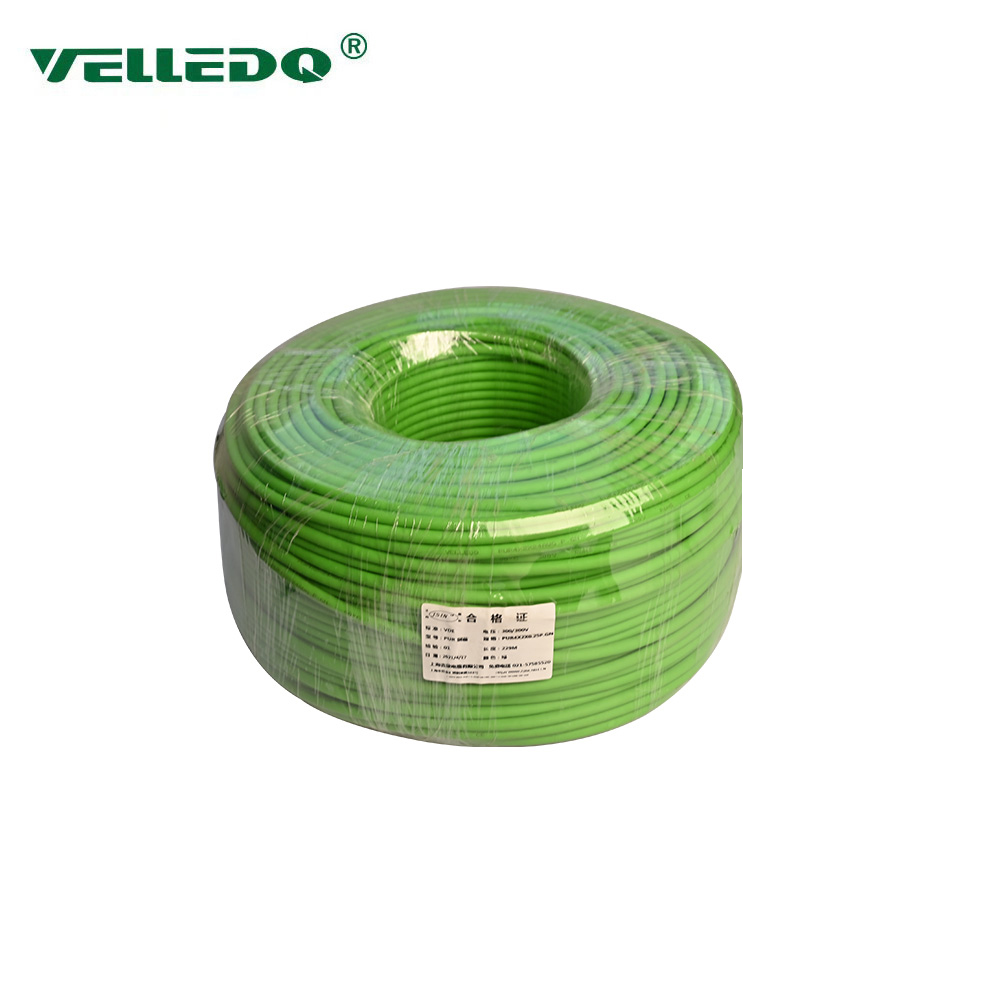
In order for railway networks to operate globally efficiently and safely, railway traffic equipment is essential. These crucial parts and systems guarantee the safety of passengers, the efficient operation of trains, and the overall success of rail transportation. Railway traffic equipment includes a broad range of technologies, from signalling and control systems to power distribution and communication networks, that work together to ensure the smooth operation of contemporary train networks. Industrial wire is one important component that supports the dependability and effectiveness of railway traffic equipment.
I. Overview of Rail Traffic Equipment
Rail transportation utilises a wide variety of parts, systems, and technology together referred to as “railway traffic equipment.” These components are intended to guarantee the efficient administration and operation of railway networks, including both passenger and freight services. The following are the main aims of railway traffic equipment:
Safety: When it comes to train transportation, safety comes first. Railway traffic equipment is intended to monitor, regulate, and maintain safe train separations, avoid accidents, and safeguard staff and passengers from possible risks.
Efficiency: Train movement is optimised by railway traffic equipment, which cuts travel times and enhances operational effectiveness. Trains may operate on schedule with the help of effective traffic management and control systems, which also reduce delays and increase the overall dependability of the rail network.
Capacity: The difficulty for railroads is to meet the rising demand for transportation services. By effectively planning and controlling train movements, railway traffic equipment contributes to maximising the capacity of rail networks.
Coordination of railway operations, maintenance, and emergency response depends on effective communication systems. In order to maintain smooth communication between trains, control centres, and maintenance teams, railway traffic equipment is used.
Application
1.In the signalling systems used by railway traffic equipment, which are in charge of assuring the overall safety of railway operations, safe train movements, and accident avoidance, industrial wire play a critical role. Rail transport uses sophisticated and complicated signalling systems that govern train movements and guarantee their safe operation by depending on accurate data transmission and management. Industrial wire are used in signalling systems to provide dependable information transfer between diverse parts, including track circuits, signals, interlocking systems, and control centres.
Track circuits are one of the main areas where industrial wires are used in signalling systems. The signalling system can correctly establish the position and speed of trains thanks to the usage of track circuits, which are utilised to detect the presence of trains on the track. Industrial wire are used to transfer real-time data on train locations and movements from the track circuits to the control centres. To provide continuous data transfer, enable precise control over train movements, and maintain safe separations between trains, these wires must be very dependable.
Industrial wire are used to power and link a variety of signalling devices, including signals and interlocking systems, in addition to track circuits. Signals are crucial for informing train operators as to whether it is safe to go forward or halt. Industrial wire make it easier for control signals to be sent from control centres to signals, enabling precise and fast information display. On the other side, interlocking systems are in charge of coordinating train movements at junctions and switches. Industrial wire link the control centres and interlocking systems, allowing for continuous communication and accurate train movement coordination.
Additionally, signalling systems need industrial wires that are long-lasting and robust to external influences. With exposure to severe temperatures, vibration, and weather conditions, railway settings may be challenging. In order to provide continual data transfer and dependable signalling operations, industrial wire must endure these difficulties. In order to guarantee ongoing operation even in the case of a power outage or cable failure, signalling systems also need to be highly redundant and equipped with backup power sources.
Signalling systems are no different from other railway traffic equipment in that safety comes first. Strict safety regulations for industrial wire used in signalling systems must be followed to avoid electrical risks and guarantee the safety of both railway passengers and maintenance workers. In order to sustain performance in the event of a fire, fire-resistant wires are often used, adding an extra measure of security and dependability to the signalling system.
Industrial wires’ performance and quality have a significant impact on the efficacy and efficiency of signalling systems. Any hiccup or breakdown in data transmission may result in lengthy delays, threats to safety, and even accidents. To ensure the smooth and secure functioning of railway traffic equipment, it is essential to choose the proper industrial wire for signalling systems.
Industrial wires are crucial parts of signalling systems for railway traffic equipment, to sum up. They are in charge of allowing precise control over train movements, permitting dependable data transfer between different signalling devices, and guaranteeing the overall safety of railway operations. To endure the rigours of railway settings, industrial wires used in signalling systems must be strong, dependable, and resistant to environmental difficulties. Industrial wires serve a critical role in enhancing the effectiveness, safety, and overall performance of railway signalling systems by offering seamless data transfer, helping to ensure the dependable and efficient operation of rail transportation networks.
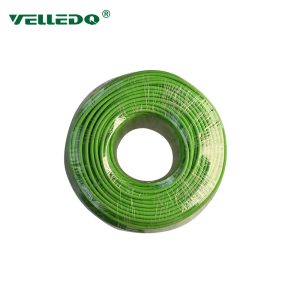
2.In the power distribution systems used by railway traffic equipment, which are in charge of delivering electricity to different systems and components all over the train network, industrial wire play a crucial role. The sophisticated and comprehensive power distribution systems used in rail transportation power a sizable network of tracks, stations, signalling devices, lighting, heating, ventilation, and air conditioning (HVAC), as well as other critical systems. For the safe and effective functioning of trains and railway infrastructure, industrial wire used in power distribution must be able to handle large current loads and guarantee the dependable transfer of electrical power.
Connecting substations to different railway systems is one of the main uses of industrial wire in electricity distribution. Substations are crucial nodes that provide electricity from the electrical grid to various parts of the rail network. Industrial wire provide electricity from substations to a variety of systems, including traction power, lighting, HVAC, and signalling.
To provide the required energy for train operation, industrial wire in traction power systems transport electrical power from the substations to the overhead catenary or third rail. To manage the significant power needed for the effective operation of trains, these wires must have a high current carrying capability.
Industrial cables used in traction power systems must also be strong and dependable in order to survive the mechanical strains and environmental difficulties brought on by the movement of trains.
Industrial wires are also essential for powering signalling apparatus like signals and interlocking systems. In order to provide train operators with correct and timely signalling information, these systems need a steady and dependable power source. Industrial wires help to improve the overall security and effectiveness of railway operations by transferring electrical power from substations to signalling equipment.
Industrial wires are utilised in power distribution for station infrastructure and illumination in addition to powering critical equipment. They provide the necessary illumination for passenger safety and operational effectiveness by powering lighting fixtures in stations, platforms, tunnels, and other locations across the train network.
Strict safety requirements for industrial wires used in power distribution for railway traffic equipment must be met in order to avoid electrical risks and guarantee the safety of both passengers and staff. To prevent damage and provide a secure working environment, these wires are often insulated and armoured.
In order to guarantee continuous operation, power distribution systems in railway traffic equipment need to be highly redundant and reliable. Industrial wires need reliable connections and backup power sources to reduce downtime and preserve the effectiveness of railway operations.
Industrial wires are essential parts of the power distribution system for railway traffic equipment. They are essential to the safe and effective operation of trains and infrastructure because they provide electrical power to many systems and elements throughout the rail network. To endure the mechanical and environmental problems present in railway settings, industrial wires used in power distribution need to have high current carrying capacities, endurance, and dependability. Industrial wires improve the ease and safety of railway travel by providing seamless power transfer that helps rail transportation systems run efficiently and dependably.