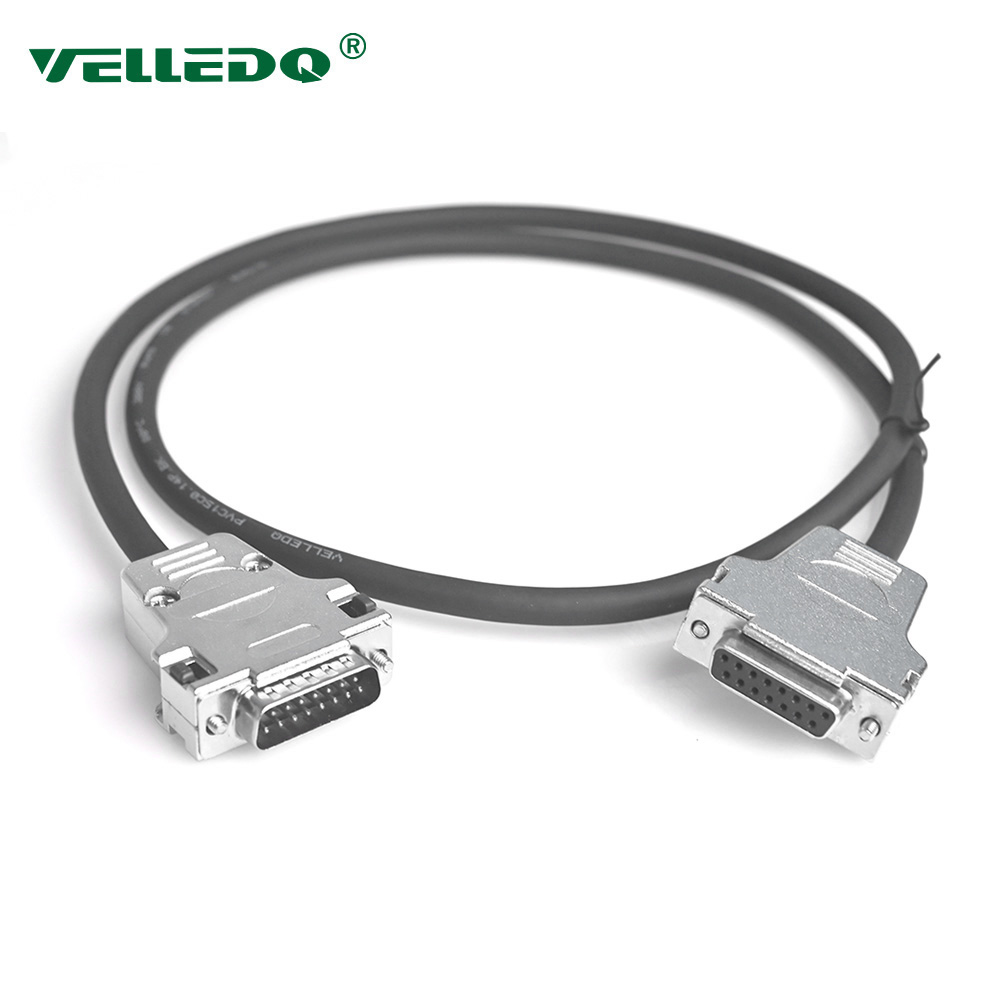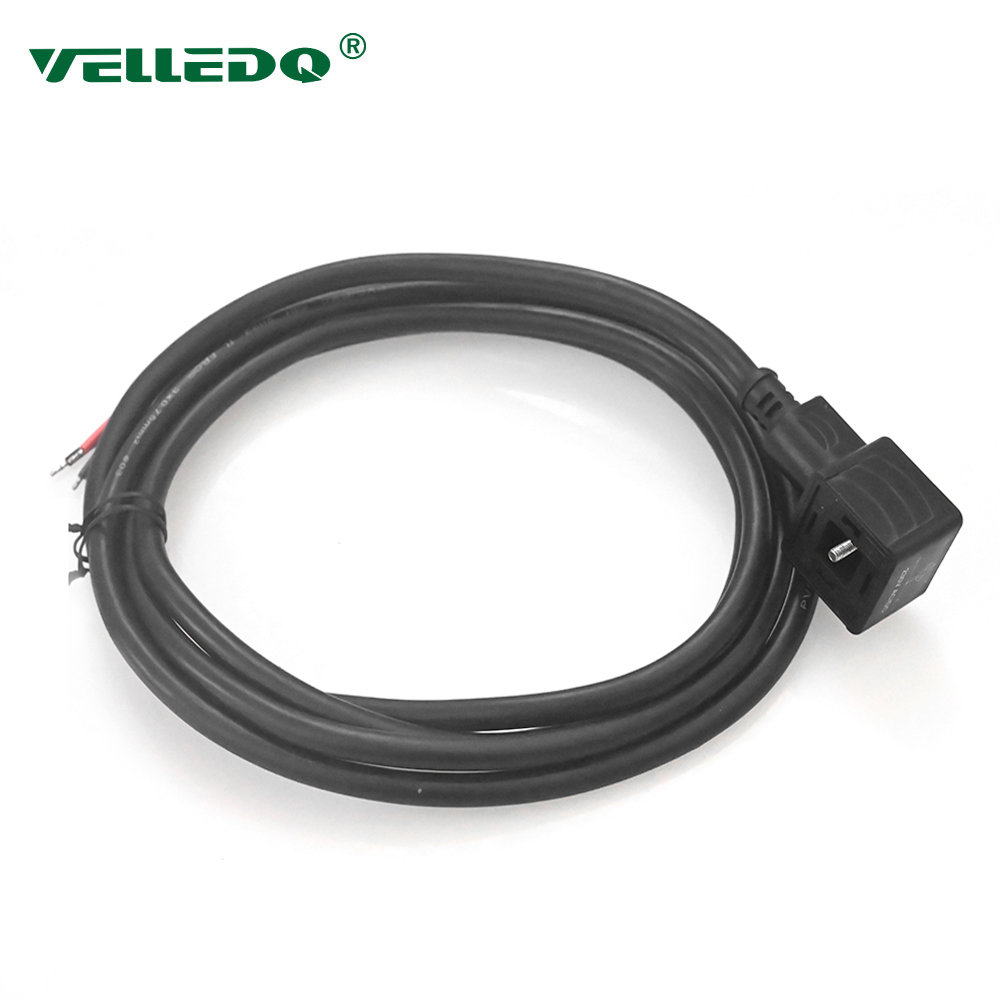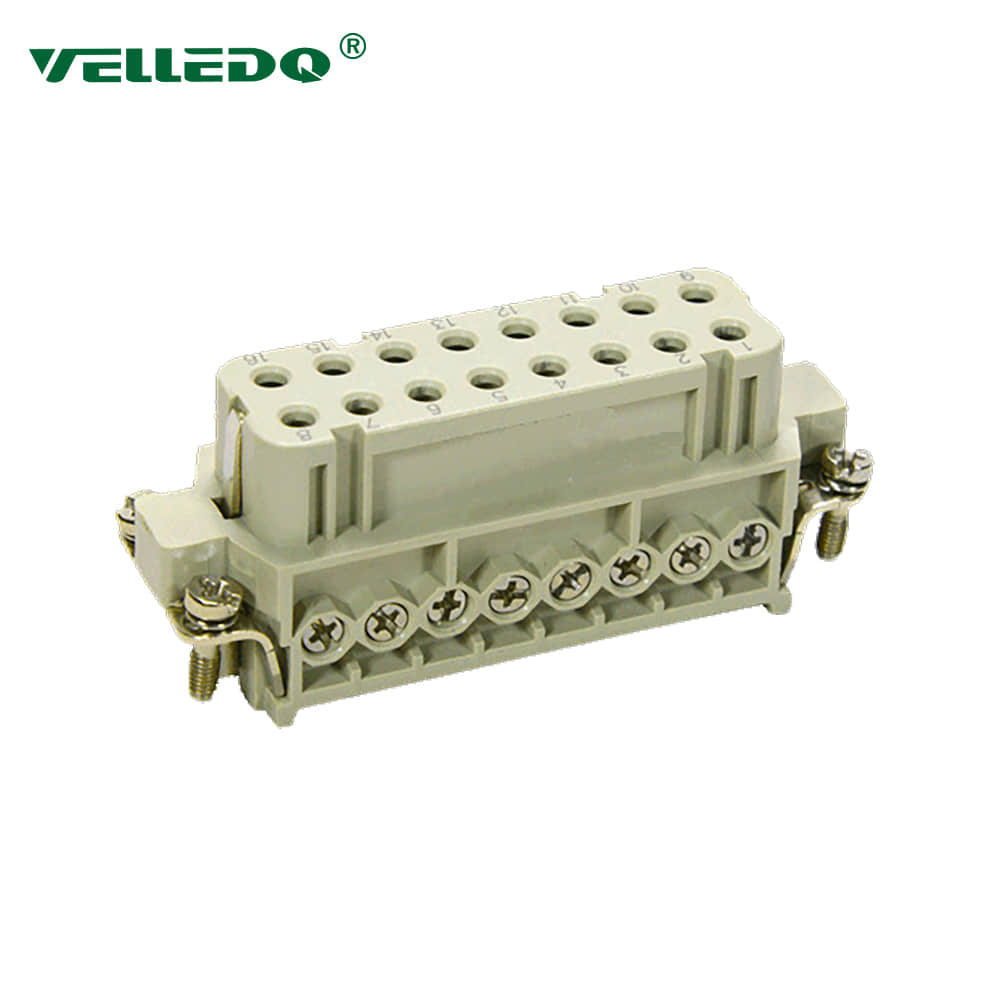
Environmental monitoring that is thorough and trustworthy is more important than ever at a time when environmental awareness is skyrocketing. Accurate data collecting is the cornerstone of well-informed decision-making, from monitoring water pollution and air quality to researching the effects of climate change. Metal electrical connectors are unsung heroes in this world of accuracy, quietly sustaining the foundation of environmental monitoring systems.
Environmental Monitoring: An Overview
Data collection on numerous environmental characteristics is part of the interdisciplinary method known as environmental monitoring, which is used to evaluate the quality and health of ecosystems. The policies, rules, and procedures that are intended to lessen adverse effects on the environment and human health are informed by this data. There are several variables that are monitored, including noise levels, radiation levels, soil conditions, water quality, and air quality. The foundation of environmental science is environmental monitoring, which offers insights into patterns, outliers, and possible threats that direct sustainable development.
Environmental Monitoring Challenges
Environmental monitoring is not an easy field to work in. Monitoring systems must be able to survive challenging environments, harsh settings, and the elements. Furthermore, data precision is crucial since even the tiniest inaccuracy may result in erroneous findings and poorly informed actions. In order for these systems to operate efficiently, durability and resilience are required, which is where metal electrical connectors come into play.

Environmental Monitoring Applications
In several environmental monitoring applications, metal electrical connectors are crucial:
Air Quality Monitoring: Connectors that can resist outside conditions are needed for sensors that measure pollutants such particulate matter, gases, and volatile organic compounds. Metal electrical connectors provide the safety and dependability required.
Water Quality Monitoring: Connectors must be watertight and corrosion-resistant in water bodies when data recorders and sensors are immersed. Metal electrical connectors guard against water intrusion and guarantee reliable data collecting.
Weather stations: These facilities monitor variables related to the atmosphere, including pressure, wind speed, humidity, and temperature. Connecting sensors and equipment using metal electrical connectors ensures smooth data transfer despite varying weather conditions.
Connectors act as a lifeline between monitoring devices and centralized data gathering sites in distant areas when using remote sensing. Metal electrical connectors that maintain steady connections ensure data accuracy.
Oceanographic Studies: Instruments must be placed in testing aquatic settings for oceanographic study. Even in the corrosive and unpredictable ocean environment, metal electrical connectors provide dependable communication between sensors and data recorders.
Creating Trustworthy Data for Decision-Making
In order to inform policies and efforts aimed at safeguarding ecosystems and human health,
environmental monitoring depends on accurate and trustworthy data. Metal electrical connectors help with this process by making sure data collecting systems work as intended even under the most difficult circumstances. The acquired data is protected by their capacity to survive harsh conditions, fend against water damage, withstand vibration, and withstand electromagnetic interference.
Connectivity for Sustainability Advancement
The significance of thorough environmental monitoring cannot be stressed as environmental problems multiply. Metal electrical connectors are the unsung heroes that make this monitoring possible. They link the devices that assess climatic factors, the data loggers that preserve vital information, and the sensors that monitor contaminants. By doing this, they provide academics, scientists, and decision-makers with the knowledge they need to improve sustainability and safeguard the world for future generations.
Using Metal Electrical Connectors in Environmental Monitoring to Harness Data for a Sustainable Future
Environmental monitoring is one of the many fields where the symbiotic interaction between technology and the environment is more important than ever. The need of reliable data increases as we manage a planet that is confronting climate change, pollution, and resource depletion. Metal electrical connectors, which are sometimes shrouded in secrecy, play a crucial part in making it easier to gather, transmit, and use this data, which helps to inform choices and promote sustainable development.
Developing Remote Sensing for Knowledge-Based Decisions
Environmental monitoring often takes place in difficult-to-reach places like woods, seas, and even space. Extreme temperatures, continual exposure to the outdoors, and significant physical disruptions call for solutions that can withstand these conditions. In order to link sensors, cameras, and data loggers to centralized monitoring systems, metal electrical connectors rise to the challenge. These links make sure that crucial data is continuously collected, whether following animal behaviours or observing glacier melting, allowing scientists and researchers to make educated judgments regarding conservation initiatives and regulatory changes.

From the Farthest Point in Space to the Ocean’s Bottom
A variety of environmental monitoring applications benefit from the metal electrical connectors’ versatility:
Seismic and Volcanic Studies: Connectors that can survive seismic shocks, high temperatures, and even corrosive gases are needed for seismic activity and volcanic eruption monitoring. These connectors provide the essential connection between sensor networks and data analysis platforms, enabling precise forecasting and early warning.
Weather stations and climate observatories regularly monitor the state of the atmosphere. Real-time climatic data gathering is made possible by metal electrical connectors that provide robust connections between sensors monitoring temperature, humidity, and atmospheric pressure.
Astronomy and space exploration: Connectors are essential even in the vacuum of space. These connectors link the instruments aboard satellites and spacecraft, relaying data back to Earth and advancing our knowledge of the universe.
Monitoring of forest fires: In areas where forest fires are likely to occur, quick action and early discovery are essential. Thermal cameras, air quality sensors, and GPS devices are linked through connectors in fire monitoring systems, which helps firefighters and authorities manage wildfires more successfully.
Glaciology research: As a result of climate change, glaciers are retreating, making it crucial to track their motions and melt rates.
Connectors used in glaciology study make it possible to get information from sensors installed on glaciers, assisting researchers in understanding the effects of ice loss on sea level rise globally.
Monitoring Water Quality Data Integrity
Water is a valuable resource, and ecosystems and human populations are directly impacted by its quality. Accurate data collection is essential for water quality evaluation whether monitoring rivers, lakes, or seas. Metal electrical connectors keep sensors that measure pH, dissolved oxygen, turbidity, and other parameters firmly linked, protecting the accuracy of water quality readings. These connectors allow researchers and water management authorities to make well-informed choices to protect aquatic ecosystems and public health by eliminating signal loss and data falsification.
Realizing Resource Conservation and Energy Efficiency
Metal electrical connectors are important for enhancing resource conservation and energy efficiency in addition to collecting environmental data. Connectors, for instance, enable real-time heating, cooling, and lighting modifications depending on occupancy and ambient conditions in smart buildings by connecting environmental sensors with building management systems. This link encourages energy conservation and lowers the carbon impact of building activities.
A Link to Technological Progress
The possibilities of environmental monitoring systems increase dramatically as technology develops. A more thorough understanding of environmental conditions is now possible because to the development of the Internet of Things (IoT), which has made it possible to integrate a vast number of sensors and devices into a single network. Metal electrical connectors smoothly fit into this IoT environment, guaranteeing that these sensors can connect to central data repositories and interact with one another in a reliable manner.
A Connected Future for Sustainability
Metal electrical connectors are the unsung heroes that enable data-driven environmental conservation even though they aren’t the face of environmental monitoring. The accuracy with which scientists, researchers, and policymakers can solve pressing environmental concerns is made possible by their capacity to tolerate adverse circumstances, secure connections, and ensure data integrity. These connectors, which invisibly link the natural and digital worlds from the bottom of the ocean to the top of the stratosphere, are paving the way for a more robust and sustainable future.
Connecting for Conservation, Conclusion
Metal electrical connectors sew a crucial thread between technology and nature in the vast tapestry of environmental preservation. Decisions that affect the health and wellbeing of our world are guided by the data they help gather and convey. These connections serve as a monument to the revolutionary potential of technology harnessed for the greater good as mankind struggles with enormous environmental issues. They discreetly contribute to a greener, cleaner, and more peaceful society with their robust design and unwavering performance, demonstrating that even the tiniest connections may have a big influence.