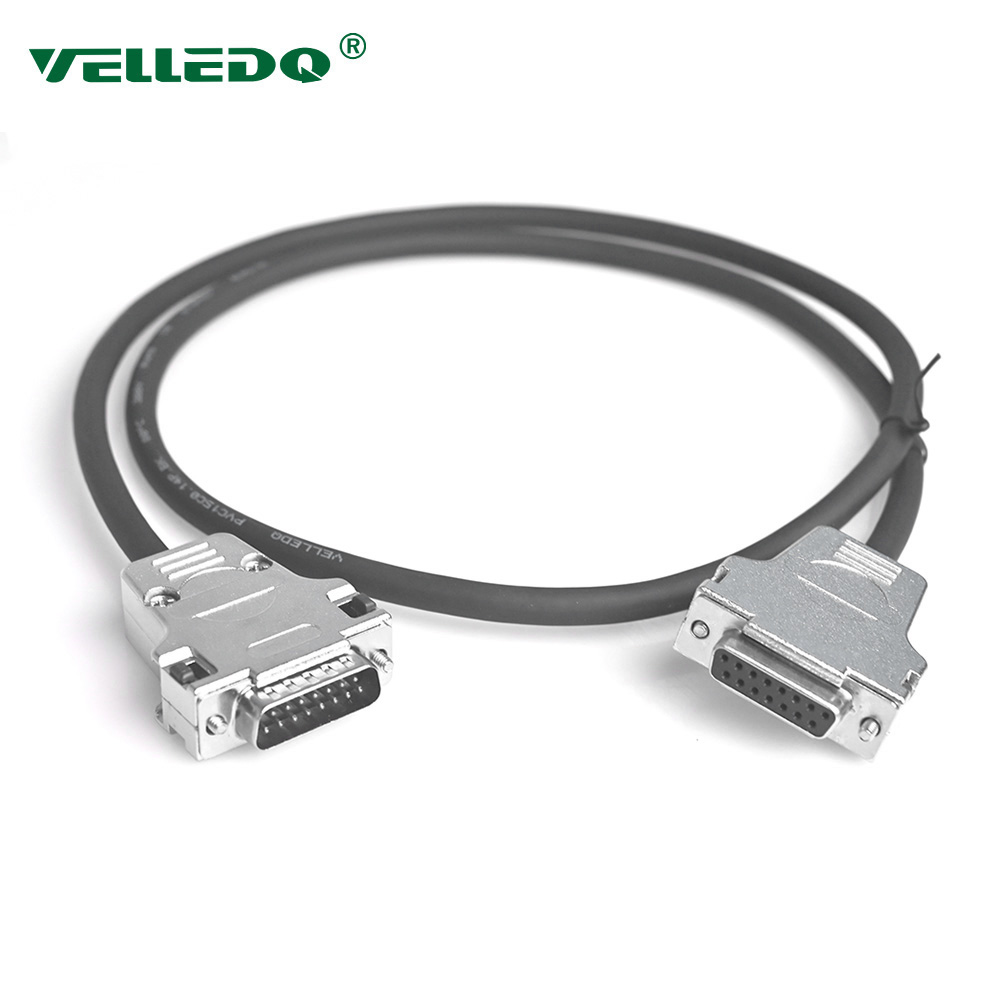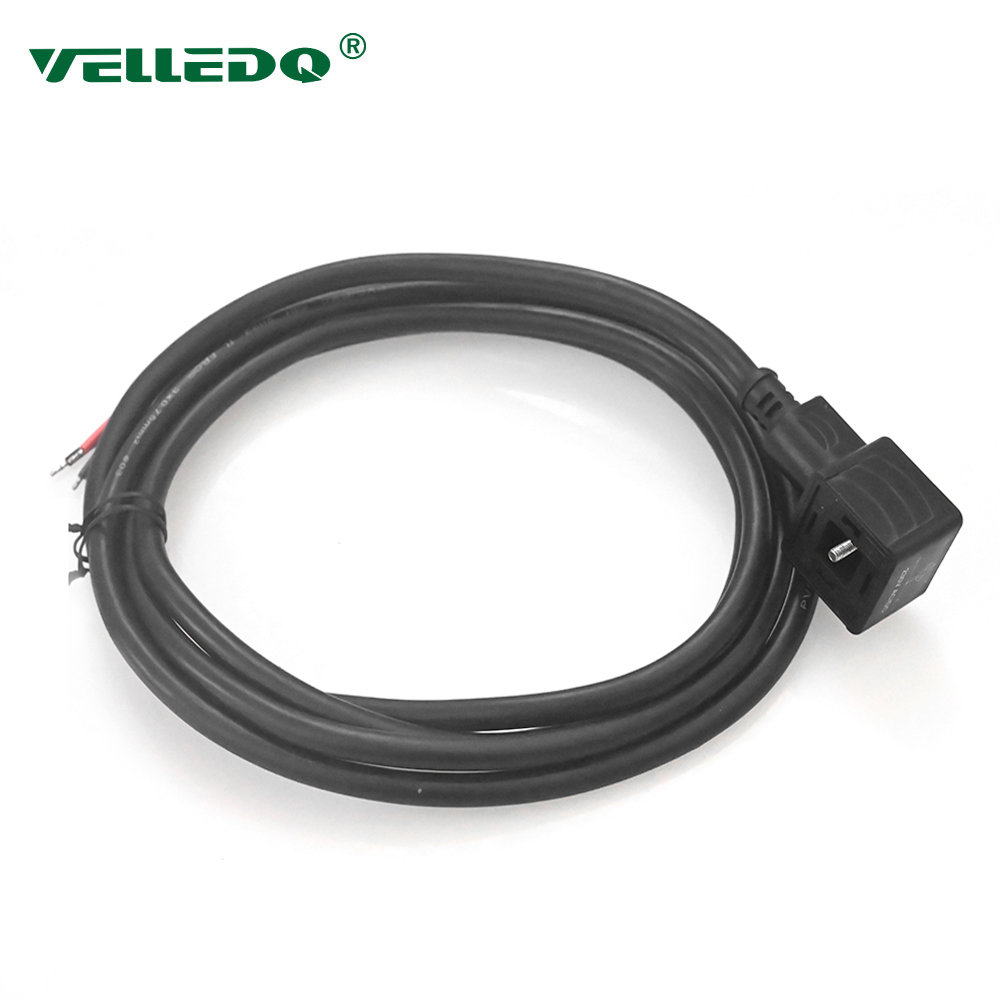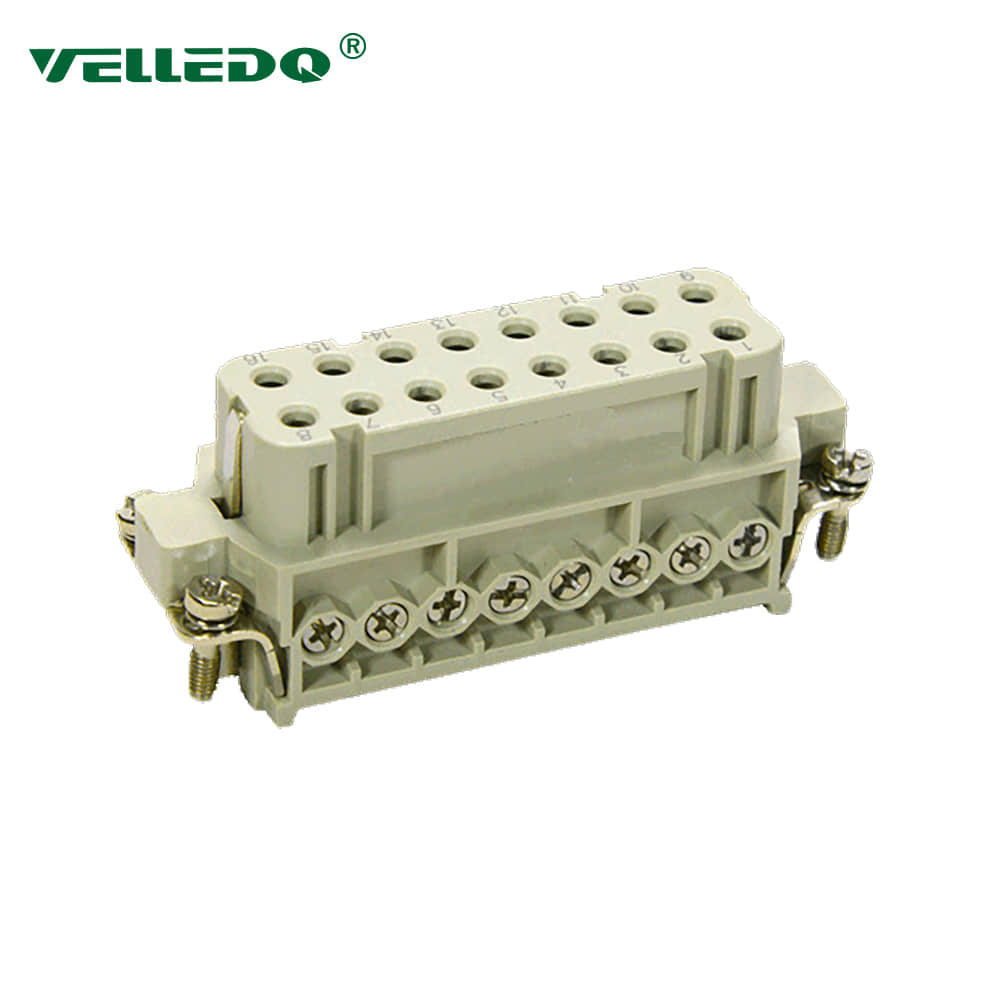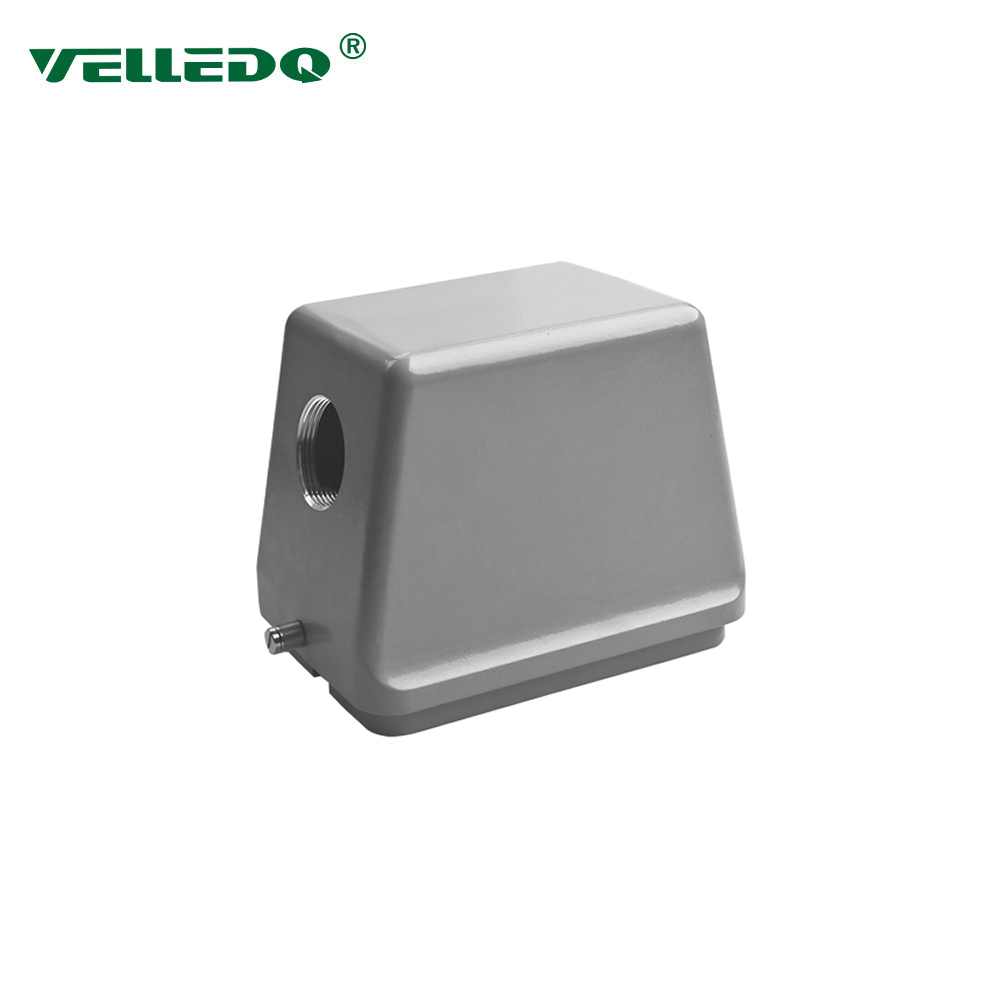

The foundation of contemporary industry is chemical manufacturing, which provides the compounds and raw materials needed for a myriad of goods and procedures. Our everyday lives depend heavily on the chemical production industry for everything from plastics to medications. The process of producing chemicals is intricate and labor-intensive, and it has seen a substantial change with the advent of metal plug sockets. These sockets are essential for improving the equipment used in the chemical manufacturing process in terms of dependability, safety, and efficiency.
The Importance of Chemical Manufacturing
The manufacture of chemicals is a broad and vital sector that affects almost every facet of human existence. It is in charge of creating a wide range of molecules and chemicals, from fundamental raw materials to more specialized products.
Pharmaceuticals: The manufacture of pharmaceuticals is based on the creation of chemicals. It makes it possible to synthesize active pharmaceutical ingredients (APIs) and formulate medications that enhance and even save human life.
Polymers and Plastics: Producing polymers and plastics requires the usage of chemicals. These materials are used in the building, automotive, and packaging sectors, among other fields.
Agriculture: The manufacture of chemicals leads to the creation of pesticides, herbicides, and fertilizers—all of which are essential to contemporary agriculture and the provision of food security for expanding populations.
Energy: A variety of chemicals utilized in the energy sector, such as fuels, lubricants, and chemicals for renewable energy technologies, are produced by the chemical industry.
speciality Chemicals: The process of producing chemicals also includes the development of speciality chemicals, which are used in a range of sectors including textiles, electronics, and cosmetics.
Chemical manufacturing has to adapt constantly to satisfy the changing needs of different sectors and regulatory requirements because of its extensive influence.
The Development of Equipment for Chemical Production
Since its invention, chemical manufacturing equipment has advanced significantly. The complexity of the machinery utilized in the production process has increased along with the needs of the chemical industry.
Batch processing was the main method used in the early stages of chemical manufacturing. Raw ingredients were combined in a batch and then processed via a number of procedures. Batch processing was efficient for a lot of applications, but it wasn’t very scalable or efficient overall.
Continuous Processing: In chemical manufacturing, continuous processing—which is defined as the constant flow of materials through a production system—has gained popularity. More throughput, consistency, and efficiency were possible with this strategy.
Automation: Chemical production was transformed by the combination of automation and process control technologies. Safety was increased and chemical reactions could be precisely controlled thanks to automated machinery and sensors.
Safety Standards: In the chemical business, safety regulations have been stricter over time. The designs of equipment have changed to include safety measures like leak detection systems and explosion-proof enclosures.
Material Advances: The creation of corrosion-resistant materials, which are necessary for the safe handling and processing of corrosive chemicals, is the result of advances in materials research.
Environmental Considerations: Cleaner and more sustainable technologies are being used in chemical manufacturing equipment due to environmental laws. This covers initiatives to reduce waste, energy use, and emissions.
Case Study: Reactors for Chemicals
Let’s use chemical reactors as an example to show how metal plug sockets affect the machinery used in chemical manufacturing. Many chemical processes revolve on chemical reactors, which are used to react raw materials chemically to create desired products. The following are some of the ways that the use of metal plug sockets has changed how chemical reactors operate:
Corrosion Resistance: Because chemical reactors handle very corrosive substances, connections must be corrosion resistant. Metal plug sockets guarantee that, even in the presence of hostile chemicals, electrical connections within the reactor are trustworthy and undamaged.
Data Transmission: With the use of sensors and instruments, modern chemical reactors are controlled and monitored precisely. In order to enable real-time modifications for ideal response conditions, metal plug sockets enable the high-speed transfer of data between sensors, controllers, and control systems.
Reliability: Chemical reactors are expensive pieces of machinery, and unplanned downtime may cost a lot of money. Metal plug sockets lower the possibility of unexpected shutdowns brought on by connector failures since they are designed to endure the rigors of continuous operation.
The Future of Metal Plug Sockets and Chemical Production Equipment
The chemical manufacturing business is ripe for further innovation and change in the future. Chemical production equipment is anticipated to undergo significant changes in the next years, and metal plug sockets will remain essential to these improvements.
Chemical producers are putting more and more emphasis on process intensification, which entails using less equipment to achieve greater productivity and efficiency. Compact and effective connections that can withstand the rigors of heightened operations without sacrificing dependability are required by this trend.
Green Chemistry: The chemical industry is becoming more and more concerned with environmental sustainability. Greener and more sustainable techniques will probably be included into future chemical manufacturing equipment. Metal plug sockets will have to change to meet the ever-changing demands for less waste and energy use.
Digitalization and sector 4.0: To increase process control and efficiency, the chemical sector is using digitalization and Industry 4.0 ideas. Metal plug sockets will keep providing real-time chemical process monitoring and control by facilitating high-speed data transfer and communication for smart manufacturing.
Modularization: As a means of enabling flexible and scalable manufacturing, modular chemical production systems are becoming more and more popular. To facilitate the easy connection and disconnection of different modules as required, metal plug sockets must accommodate modular equipment designs.
Advanced Materials: Chemical manufacturing processes and connections will be impacted by the development of advanced materials. Connectors used in harsh chemical environments will need more and more new materials with improved corrosion resistance and endurance.
Safety and Compliance: Tighter safety laws and compliance specifications will always influence how equipment is designed. Metal plug sockets must comply with the strictest safety regulations, which include those pertaining to explosive atmospheres and hazardous conditions.
Energy Efficiency: When producing chemicals, energy efficiency is a crucial consideration. Reduced operational costs and environmental effect will drive a strong demand for connectors with improved conductivity and less energy loss.
Predictive analytics and maintenance: With the use of condition monitoring and data analytics, predictive maintenance will proliferate. Reducing unexpected downtime and maintenance expenses will be made easier for chemical makers by metal plug sockets that offer these characteristics.
Conclusion
The synthesis of chemicals and other materials for a myriad of uses makes the chemical manufacturing sector indispensable to contemporary living. Equipment used in chemical manufacturing has evolved over time, with notable improvements in sustainability, safety, and efficiency. This development has been made possible in large part by metal plug sockets, which provide dependable data transfer, power distribution, and safety in harsh chemical conditions.
In the chemical sector, metal plug sockets will always be necessary as it adjusts to shifting market conditions, environmental concerns, and technological breakthroughs. Their resilience to corrosion, capacity to facilitate data-intensive operations, and capacity to improve safety will keep them an essential part of apparatus used in the manufacturing of chemicals.
Metal plug sockets will enable chemical producers to address future difficulties while guaranteeing the safe and effective manufacturing of chemicals that spur global innovation across sectors. We live in a time of growing connectivity, digitization, and sustainability. Metal plug sockets will play a crucial role in facilitating advancements in the chemical production sector and ensuring the industry’s development and sustainability as technology advances.