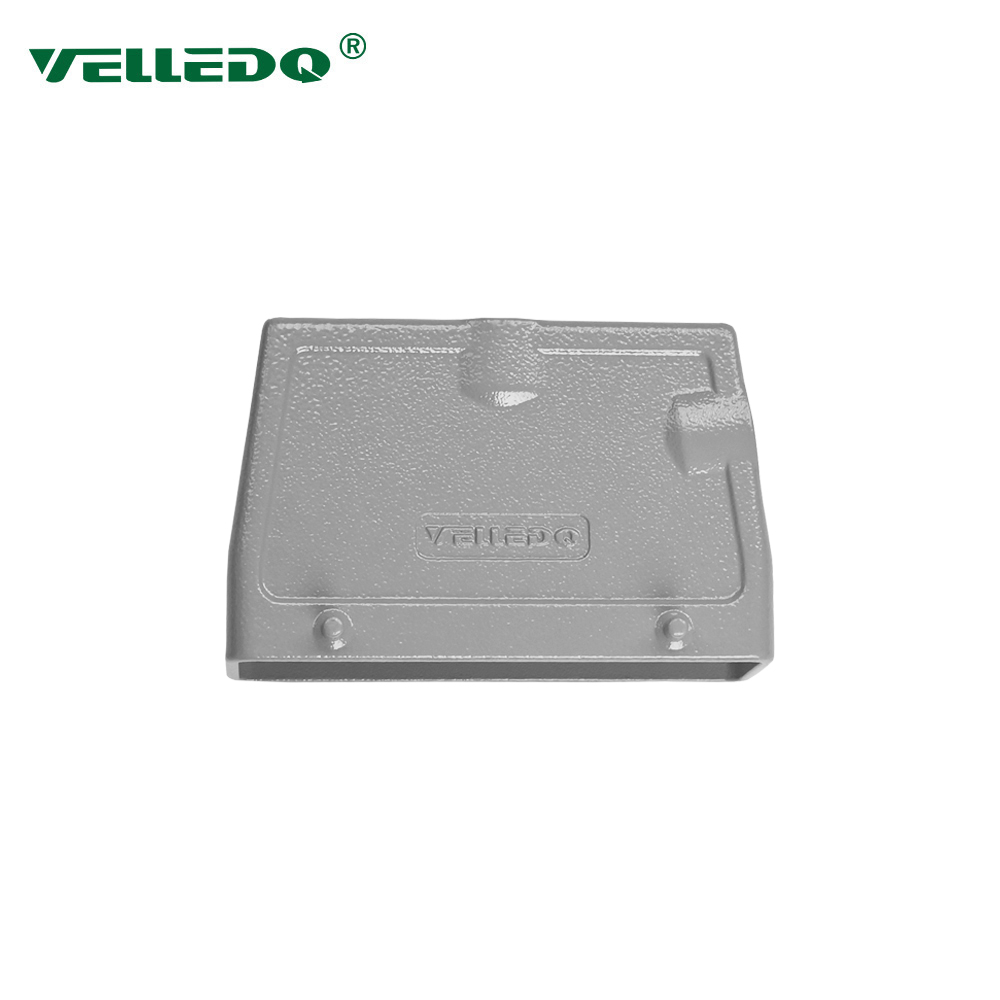
Electrical control systems act as quiet architects of perfection at the centre of contemporary industrial operations, coordinating complicated processes with skill and precision. Industrial heavy-duty connections, which provide smooth communication, dependability, and safety across the complicated web of components, emerge as the unsung heroes inside these systems, which have become the cornerstone of effective operations as industrial landscapes continue to change. Let’s study electrical control systems and how metal quick connectors are essential to boosting industrial productivity.
Forging Operational Mastery: The Origin of Electrical Control Systems
The idea of control systems has been around for millennia, with the first developments concentrating on devices like water clocks and steam engine governors. But the 20th century was when electrical control systems really started to take form. There is a clear demand for precise control over numerous processes as industries become more automated and complicated. Electrical control systems were the answer, providing the capacity to precisely control machines, processes, and equipment.
A paradigm change from human control to automated mastery was brought about by the integration of electrical control systems. From simple motor control to complex robotic automation and process optimisation, these solutions cover a broad range of applications. The development of electrical control systems is directly correlated with advances in computer power, connection, and technology.
Electrical control system anatomy
Electrical control systems are complex networks made up of several parts that collaborate to manage, control, and improve industrial operations. These pieces may be divided generally into three categories:
The eyes and ears of electrical control systems are sensors. They record information about their surroundings, including temperature, pressure, location, and more. The system can make judgements because of the real-time data that sensors provide.
Controllers: The operation’s brains are the controllers. To produce the required results, they interpret sensor input, examine it in comparison to specified parameters, and send orders to the actuators. Simple programmable logic controllers (PLCs), sophisticated distributed control systems (DCS), and industrial PCs are all examples of controllers.
Actuators: The system’s muscles are the actuators. They take instructions from controllers and start doing things like opening valves, turning on motors, or moving things around. The system’s goals are met thanks to the interplay between the controllers and actuators.
 Electrical control systems applications
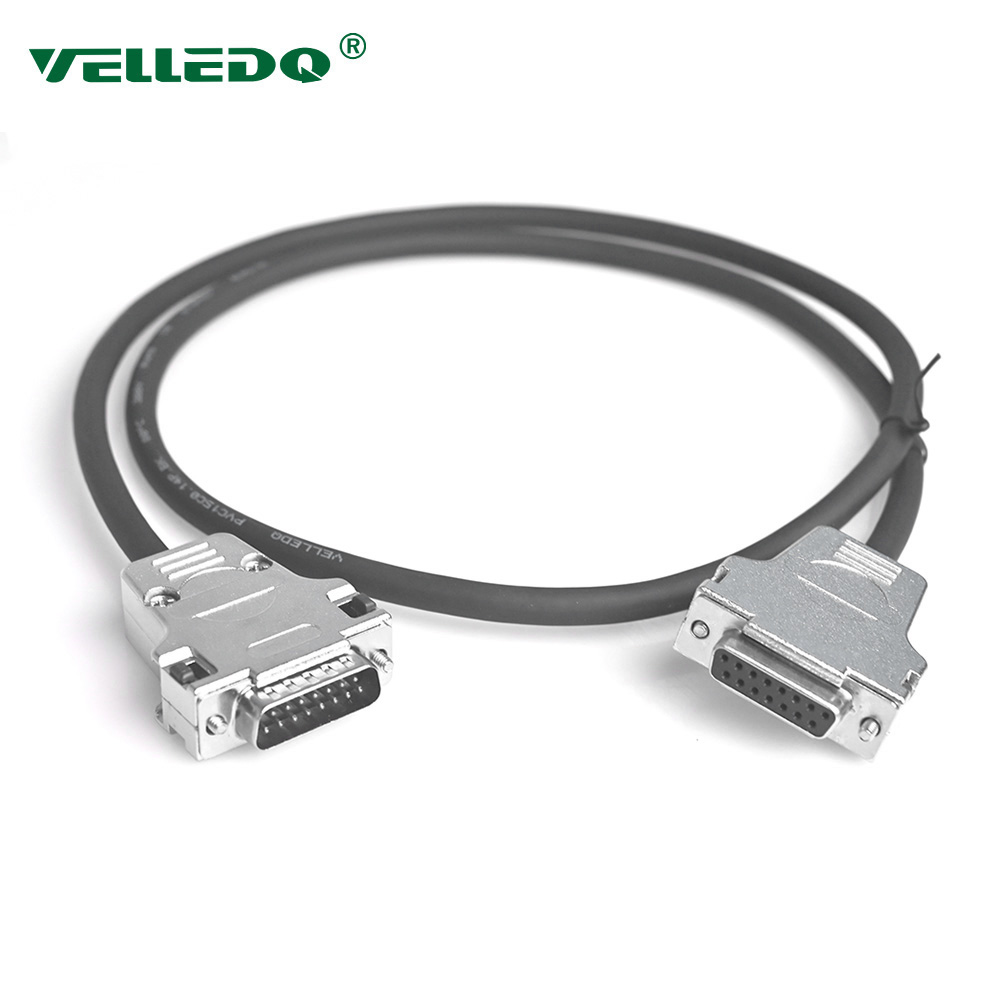
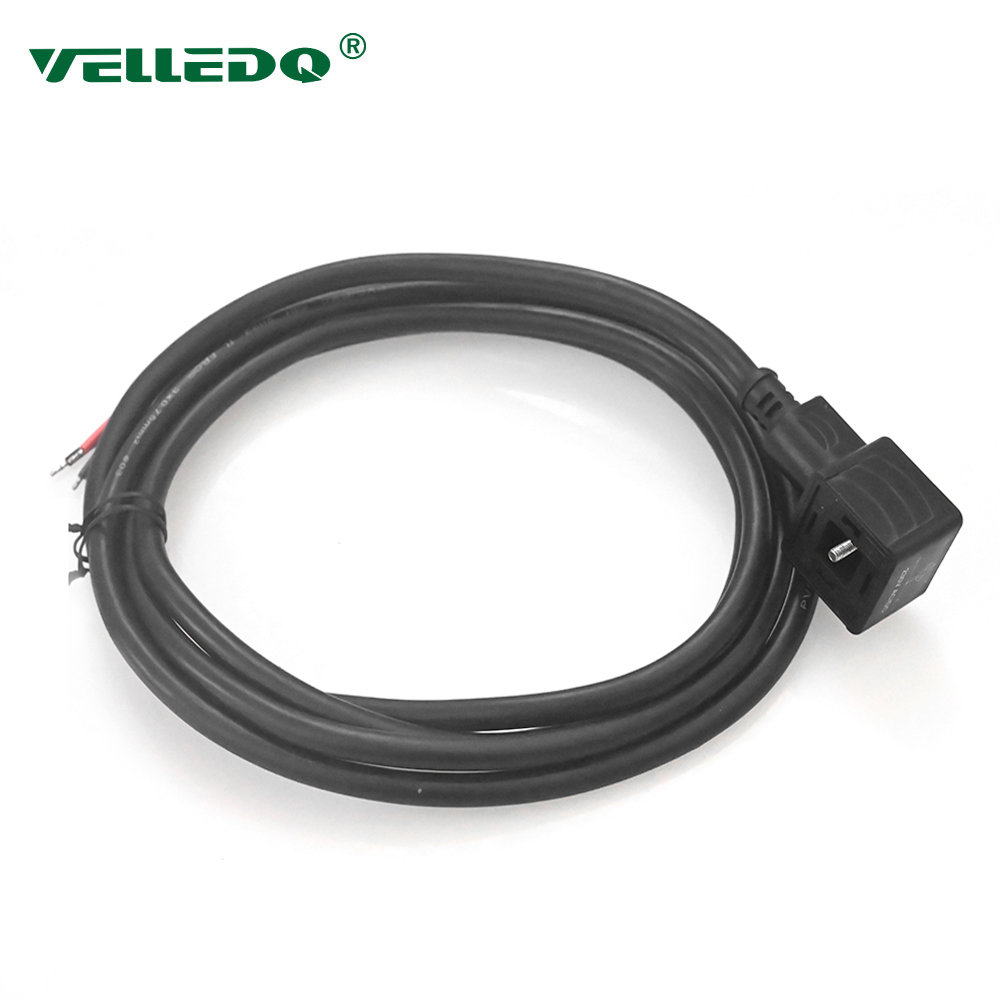
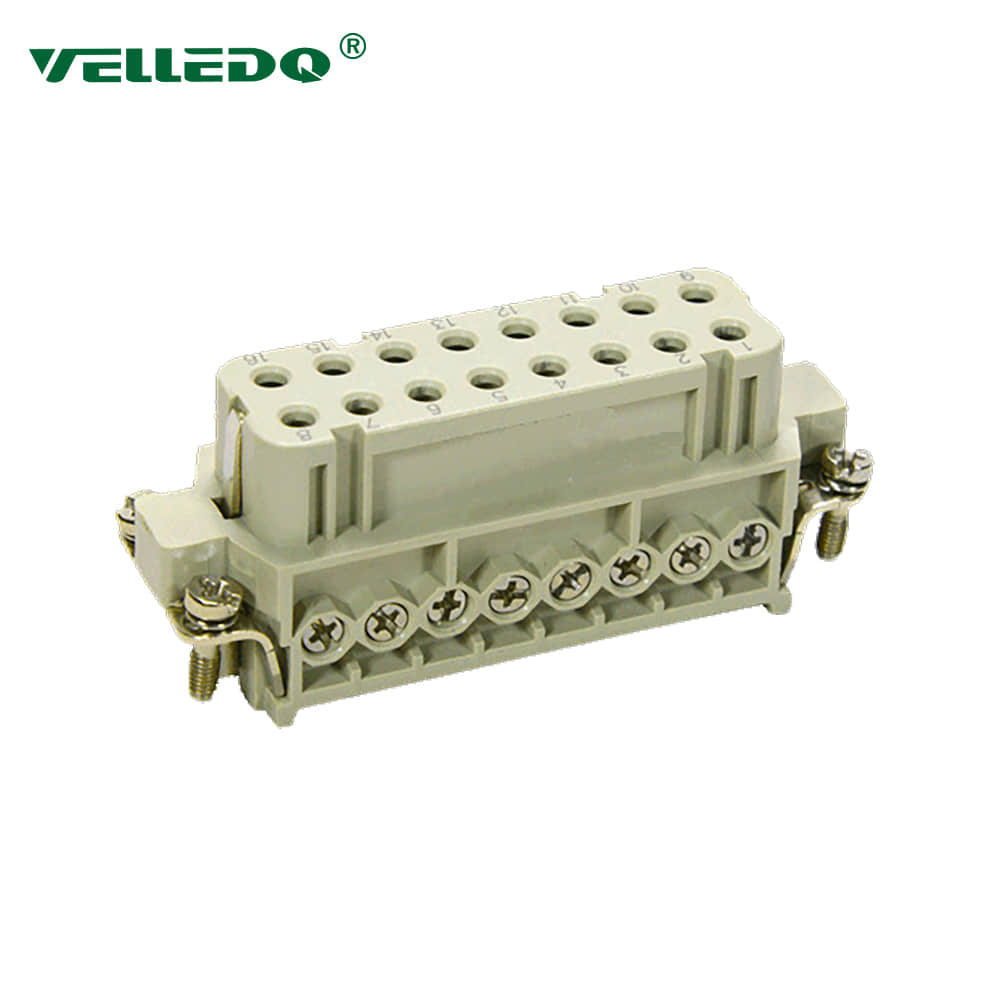
Metal quick connectors are used in many facets of electrical control systems, including:
Sensor connections: Sensors provide the system important data inputs. Metal quick connectors preserve correct data transfer by ensuring dependable connections between sensors and controllers.
Connectivity between controllers: Controllers process data and transmit instructions. Connectors allow controllers and other system elements to communicate seamlessly, providing precise control.
Actuator Interface: Controller orders are carried out via actuators. To ensure effective operations, metal quick connectors ensure that these orders are transferred precisely and quickly.
electricity distribution: Reliable electricity is necessary for electrical control systems. Power distribution throughout the system is made easier by metal quick connectors, resulting in a steady and dependable energy supply.
Increasing Effectiveness and Dependability
Numerous advantages result from the use of metal quick connectors in electrical control systems.
Enhanced Precision: Precision is essential for electrical control systems. Metal quick connectors provide reliable data transmission from sensors to controllers, resulting in precise control actions.
Operational Reliability: Downtime in industrial environments may be expensive. The stability of connectors is ensured by the dependability of metal quick connectors, lowering the possibility of operational disruptions.
Safety Improvement: Dangerous equipment is used in many industrial activities. The strong construction and secure connections of metal quick connectors contribute to both worker and equipment safety.
Maintenance is simple since it is necessary. Metal quick connectors’ modular design makes it easier to replace broken parts, reducing downtime and maintenance expenses.
future possibilities and difficulties
Electrical control systems are positioned for additional innovation as technology develops:
1. Advanced Connectivity: As Industry 4.0 and the Industrial Internet of Things (IIoT) develop, more networked systems will be possible. These sophisticated networking needs must be supported by connectors to allow for the smooth integration of data streams.
2. Edge Computing: Edge computing is gaining popularity and entails processing data closer to its source. The establishment of dependable connections inside edge computing systems will be facilitated by connectors.
3. Cybersecurity: The potential of cyber attacks rises as electrical control systems become increasingly interconnected. To guard against unauthorised access and data breaches, connectors must include cybersecurity safeguards.
4. Sustainability: All facets of industry are being pushed towards sustainable practises. Connectors that put an emphasis on recycling and energy efficiency will be in line with the increasing attention being paid to environmental responsibility.

A Look Into the Future: Electrical Control System Innovations and Challenges
Electrical control systems’ development and the crucial role played by metal quick connectors are not at all static. Both of these elements are ready to progress and face new problems as companies push the limits of automation, data integration, and efficiency. Here, we look at some upcoming challenges and possible breakthroughs.
Electrical control system innovations
1. Industry 4.0 Evolution: Through greater connectivity and data-driven decision-making, the Industry 4.0 revolution is expected to transform industrial processes. These networked processes will be orchestrated by electrical control systems, which call for connections that can handle high-speed data transfer and guarantee real-time communication.
2. Integration of Artificial Intelligence (AI): As AI technologies advance, they will be incorporated into electrical control systems. Massive volumes of data can be analysed by AI, and control systems may be optimised for greater effectiveness. Data sharing between AI algorithms and control parts will be made easier through connectors.
3. Predictive Maintenance: The capacity to anticipate and avert equipment breakdowns may save businesses a lot of money. Connectors that facilitate data streaming and analysis for early problem identification will be required by electrical control systems with predictive maintenance capabilities.
4. Implementation of Digital Twins: By creating virtual versions of real systems, known as digital twins, operations may be improved, scenarios can be tested, and decision-making is
strengthened. Real-time synchronisation will be possible thanks to connectors, which will act as a link between the physical system and its digital equivalent.
Threats to the Future
1. Complexity of data integration: The IIoT and the spread of data-driven operations might result in data overload. It will be difficult to ensure that connections can handle, transmit, and analyse enormous amounts of data while preserving dependability.
2. Cybersecurity Vulnerabilities: The danger of cyberattacks increases with greater connection. Connectors with strong cybersecurity capabilities are needed to protect sensitive data and guarantee the security of control systems.
3. Compatibility and Interoperability: As more and more manufacturers’ technologies and equipment are used by diverse sectors, guaranteeing compatibility and interoperability across connections and parts may be challenging.
4. Scalability: To allow for changing production needs and increasing operations, electrical control systems must be scalable, which calls for connections that can scale up or down without compromising dependability.
Conclusion
The history of metal quick connectors and electrical control systems is a monument to human ingenuity, accuracy, and the quest of operational perfection. These technologies have driven industrial automation and efficiency from the beginning of control systems to the period of Industry 4.0 and beyond.
The possibilities of networked smart factories, AI-driven optimisation, and real-time decision-making are what we see as we look into the future. Electrical control systems and metal quick connectors will continue to be the foundation of dependability in this shift, allowing companies to reach new levels of productivity and sustainability.
Metal quick connectors and electrical control systems working together is an example of synergy, where engineering and technology merge to build the future of industry. It underlines the fact that progress is not only about technology developments but also about the relationships that support the economic systems that shape our society.
Metal quick connectors will continue to play an important part in electrical control systems as industries advance, preserving the accuracy, dependability, and efficiency that characterise contemporary production. It serves as a reminder that development involves more than just tools and processes; it also involves the linkages that enable various sectors to push the boundaries of innovation and operational excellence.