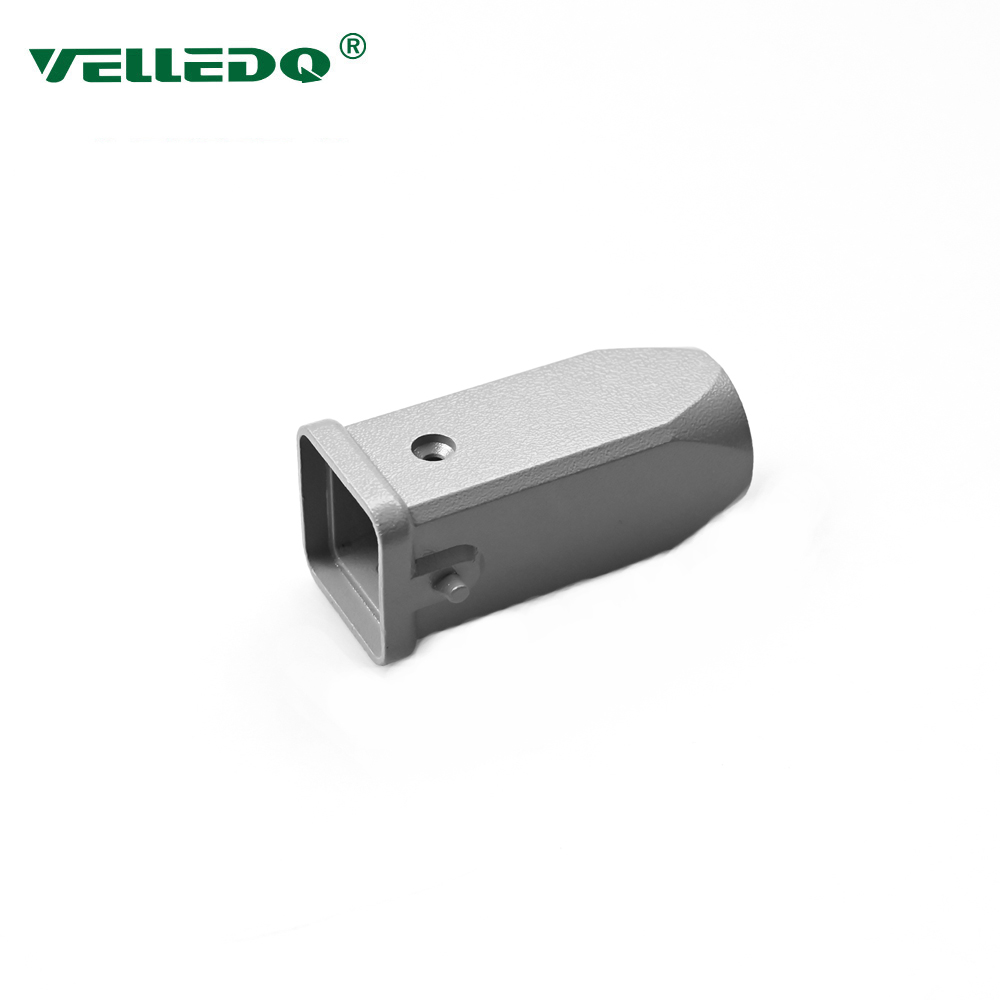
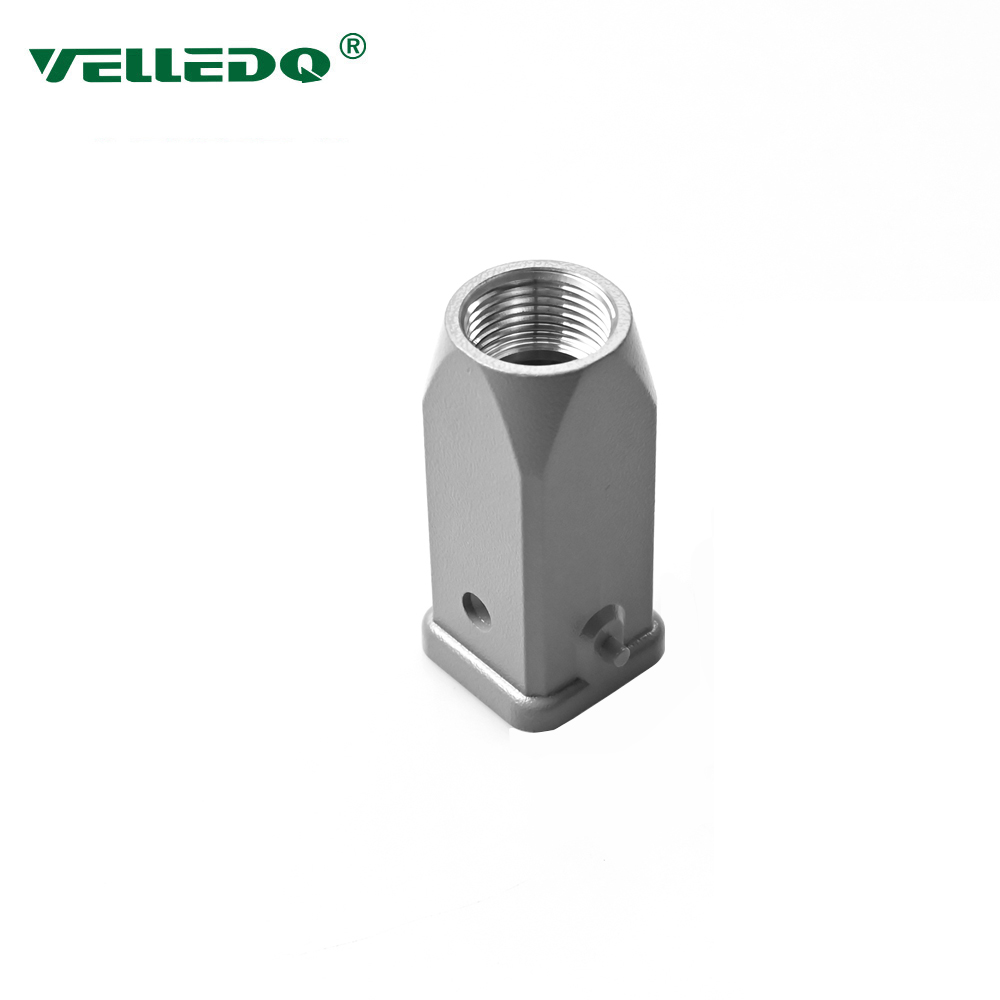

In the fields of building and production, metal working and welding are essential procedures that have significantly shaped the contemporary world. Metals are manipulated and joined throughout these procedures to produce structures, items, and parts that are crucial to many different industries. The usage of industrial heavy-duty power connectors is a crucial component that promotes the effectiveness and safety of metalworking and welding activities.
Overview of Metal Working and Welding
The term “metal working” refers to a broad variety of operations including the forming, shaping, cutting, and connecting of metal components. Metal working skills have been honed and varied through millennia to satisfy the needs of numerous applications, from building sophisticated equipment to creating elaborate jewellery.
The technique of joining two or more metal pieces together by melting them first and then allowing them to cool and solidify is known as welding, which is a subset of metal working. Construction, shipbuilding, aircraft, the production of automobiles, and many other industries depend heavily on welding. It not only enables the formation of complicated shapes and structures but also strong and long-lasting connections between metal components.
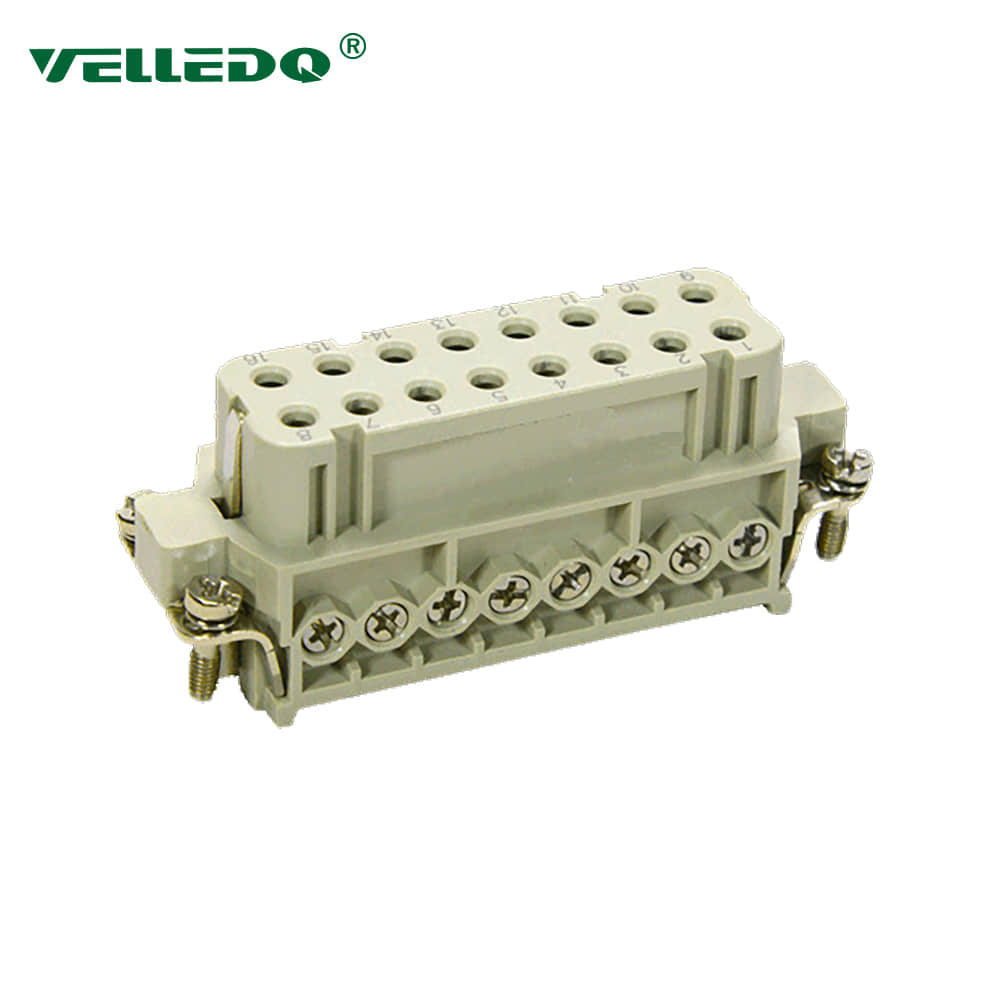
Industrial heavy duty power connectors are used in metalworking and welding.
1.To achieve accuracy, efficiency, and safety in the field of metal working and welding, welding equipment must be seamlessly connected. Industrial heavy-duty power connectors become a key element in this situation. A sturdy infrastructure that can manage the high power needs and precise control required for producing strong and faultless welds is required for connecting welding equipment. Industrial heavy-duty power connectors are specifically designed to satisfy these requirements. These connections provide a steady and dependable flow of power and information when connecting welding equipment to power sources and control panels. The robust design of these connections meets the demands set by the challenging welding conditions, including high temperatures, vibrations, and exposure to debris. In order to minimise downtime and preserve workflow continuity, its design contains secure locking mechanisms that prevent unintentional disconnection while activities are in progress. Heavy-duty power connections also keep up with the development of welding technology by including intelligent features that enable real-time monitoring and adjusting of welding settings. Welds of better quality and more efficiency are the results of this capacity.
Industrial heavy-duty power connectors enable welders to perform their craft with accuracy and confidence, whether in shipyards, factories, or construction sites. As a result, structures and products that are examples of durability and excellence in metal working and welding are created.
2. Modern manufacturing processes are centred on metal cutting and forming equipment, which transforms raw metal resources into complicated parts and structures. For these devices to operate effectively and dependably, industrial heavy-duty power connection integration is a crucial component. In hydraulic systems, motors, sensors, and control panels used in metalworking and welding processes, these connectors serve a vital role in supplying the vital electrical connections.
Industrial heavy-duty power connectors keep up with technological advancements. They are prepared to meet sophisticated automation and integration needs. Programmable logic controllers (PLCs) and computer numerical control (CNC) systems are powering the increased automation of many metal cutting and shaping operations. The interface required for these devices to smoothly communicate and coordinate, allowing accurate motions and synchronisation, is provided by heavy-duty power connectors.
Industrial heavy-duty power connectors now play a more important role in metal cutting and shaping machines because to the emergence of smart manufacturing ideas like Industry 4.0 and the Industrial Internet of Things (IIoT). To enable real-time monitoring, remote diagnostics, and proactive maintenance, these connectors are being built to have data transmission capabilities. The greater productivity and lower operating costs that emerge from manufacturers’ ability to forecast possible failures, shorten maintenance schedules, and optimise machine performance.
To sum up, industrial heavy-duty power connectors are essential parts of machines used for metal cutting and shaping. They play a crucial role in improving the effectiveness, accuracy, and dependability of metal working and welding processes due to their durability, precision, and capacity to adapt to changing technological environments. These connections’ importance in crafting a future with precisely manufactured parts and structures across many sectors remains crucial as manufacturing technology develops.
3. Metalworking and welding workshops are dynamic settings that depend on the effective distribution of electricity to a wide range of machines and equipment. In order to provide efficient and secure power distribution in these environments, industrial heavy-duty power connectors are essential. Power distribution in workshops is subject to a wide range of requirements, including those for welding equipment, cutting devices, grinding tools, and more. The management of these power needs is made dependable and organised by industrial heavy-duty power connectors.
Managing the intricate network of cables and wires inside workplaces is one of the main issues in power distribution. These workshops often house a range of equipment with various voltages and power requirements. By providing connections in a variety of designs that can handle varying voltage and current standards, industrial heavy-duty power connectors reduce the complexity of this situation. Because of their adaptability, workshops may customise their power distribution systems to match the demands of certain equipment, which reduces chaos and maintains order in the workplace.
In metalworking and welding operations,
where employees operate powerful equipment and electrical systems, safety is of the utmost importance. Heavy-duty industrial power connectors are built with safety measures to reduce the possibility of electrical mishaps. Insulation displacement technology is included into certain connections, lowering the risk of electric shock or short circuits. Secure locking mechanisms also guarantee that connectors stay securely linked, eliminating unintentional disconnections that can result in dangerous circumstances.
When electricity distribution is done using industrial heavy-duty power connectors, efficiency is doubled. First off, connections and disconnections using these connectors are swift and secure. This speeds up the assembly and disassembly of workstations, saving critical time and boosting output. Second, the steady and dependable electricity these connections provide improves the efficiency of machines. Power fluctuations that could affect the accuracy and effectiveness of metalworking and welding operations are avoided via stable power distribution.
Industrial heavy-duty power connectors’ function in power distribution is changing as workshops adopt more modern technology and automation. These connections may handle robotic arms, automated welding cells, and data-intensive gear in addition to more conventional machinery. This versatility puts workshops in a position to incorporate Industry 4.0 concepts, whereby networked technologies and real-time data sharing are crucial for streamlining production and ensuring product quality.
In metalworking and welding operations, industrial heavy-duty power connectors provide the foundation for effective power distribution. They are essential components because of their capacity to manage a variety of power needs, improve safety, and increase operational effectiveness. Industrial heavy-duty power connectors will remain essential in ensuring that power distribution is dependable, organised, and adaptable to changing needs of contemporary production settings as workshops continue to develop alongside technology improvements.
Industrial heavy-duty power connectors are essential to the field of metalworking and welding because of their durability and dependability. These connections provide experts the ability to innovate while upholding the strict requirements of quality and safety that characterise contemporary production. Industrial heavy-duty power connectors will continue to be a key component of development in the metal working and welding sectors, assisting in the production of goods and structures that influence the world in which we live.