In the field of industrial automation and control systems, efficient and reliable communication is essential. ProfiBUS is a widely adopted fieldbus network that serves as the backbone of industrial communications, connecting various devices and systems in a factory or factory environment. In industrial automation, seamless and reliable communication is essential for the smooth operation of machines and processes. As one of the key industrial networks, ProfiBUS cable facilitate the efficient exchange of data between equipment and systems in factory automation and process control environments.
ProfiBUS is a fieldbus protocol developed by Profibus & Profinet International (PI), an organization dedicated to promoting and standardizing industrial communication protocols. It provides a standardized method for data exchange between sensors, actuators, controllers, and other devices in industrial automation applications. ProfiBUS is primarily used in factory automation, process control, and other industrial environments.ProfiBUS was first introduced in the late 1980s by the German company Siemens as a means to address the need for a standardized communication protocol in industrial automation. Over time, it gained popularity and evolved into an internationally recognized standard. Today, ProfiBUS is widely adopted by various manufacturers and industries worldwide.
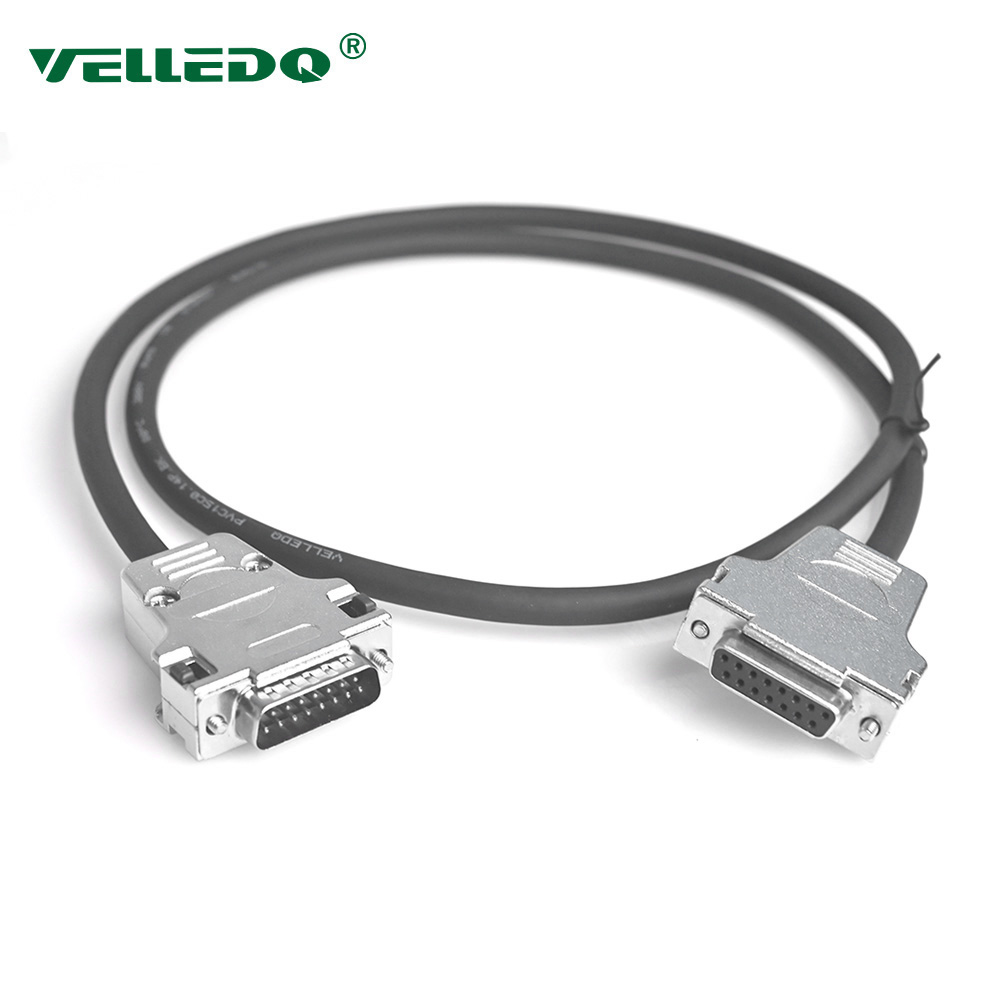
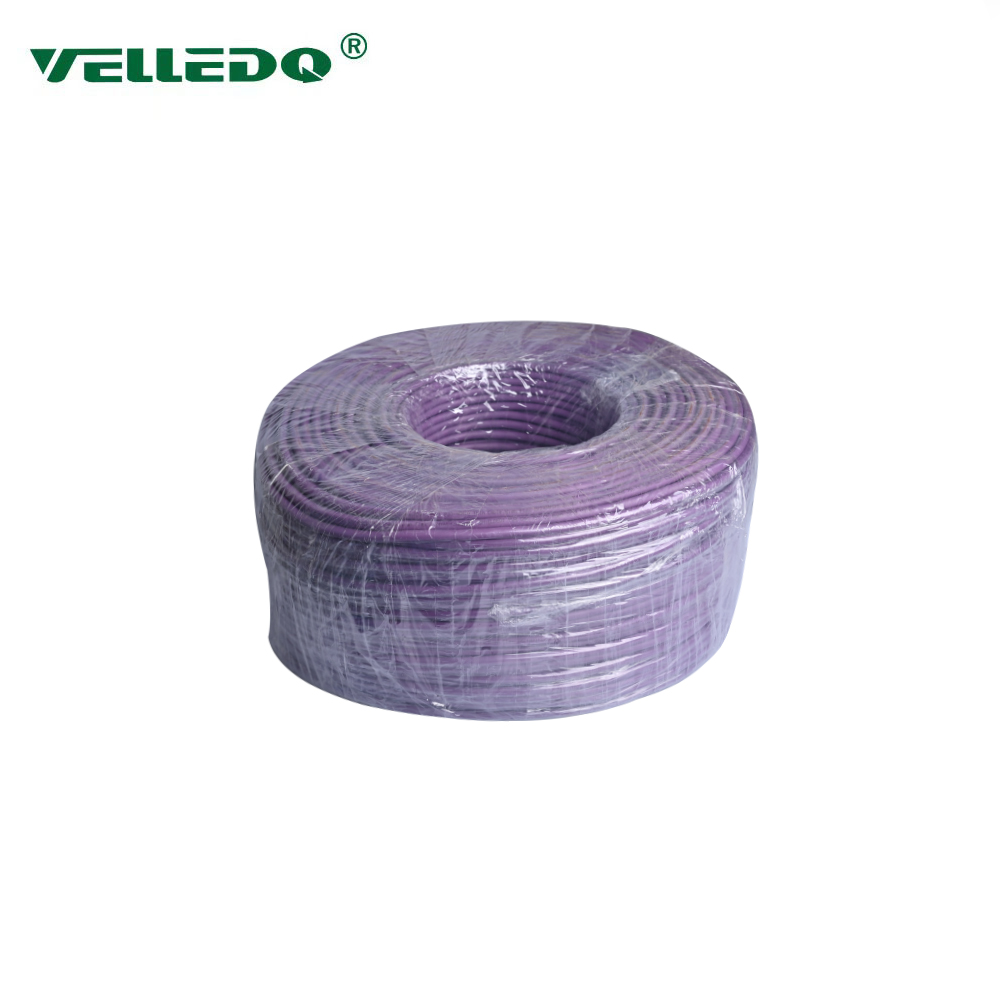
ProfiBUS protocol cables are specifically designed to support the ProfiBUS communication protocol. ProfiBUS, developed by Profibus & Profinet International (PI), is a widely adopted fieldbus protocol that provides a standardized method for data exchange in industrial automation applications. ProfiBUS protocol cables form the physical infrastructure that connects devices such as programmable logic controllers (PLCs), sensors, actuators, and other industrial automation components within a ProfiBUS network.
Key Features of ProfiBUS
Several essential properties of ProfiBUS make it a popular option for industrial communication.
1.Deterministic Communication: ProfiBUS employs a deterministic communication scheme, ensuring that data is transmitted predictably and reliably. This is particularly crucial in real-time applications where precise timing and synchronization are essential.
2.Robustness and Noise Immunity: Industrial environments are often characterized by harsh conditions, including electrical noise, temperature fluctuations, and mechanical stress. ProfiBUS is designed to withstand these challenges, incorporating robust physical layer specifications and error-checking mechanisms to ensure reliable and error-free communication, even in noisy environments.
3.Scalability and Flexibility: ProfiBUS networks can be easily expanded and modified to accommodate additional devices or changes in the automation system. This scalability and flexibility allow for seamless integration of new equipment or modifications without disrupting the entire network.
4.Integration with Standard IT Networks: ProfiBUS can be seamlessly integrated with standard IT networks, enabling connectivity between industrial automation systems and enterprise-level systems. This integration facilitates data exchange, remote monitoring, and control, allowing for better decision-making and optimization of industrial processes.
Variants of ProfiBUS
ProfiBUS encompasses different variants tailored to specific application requirements:
1.ProfiBUS DP (Decentralized Periphery): ProfiBUS DP is the most commonly used variant, designed for high-speed communication between programmable logic controllers (PLCs) and decentralized field devices. It supports fast data exchange and is suitable for demanding industrial applications.
2.ProfiBUS PA (Process Automation): ProfiBUS PA is specifically designed for process automation applications, such as chemical plants and refineries. It supports long cable lengths and provides power to field devices through the communication cable, reducing the need for separate power wiring.
3.ProfiBUS DPV1: ProfiBUS DPV1 is an enhanced version of ProfiBUS DP, offering additional features such as diagnostics, alarm handling, and advanced device integration capabilities. It enhances the functionality and flexibility of ProfiBUS networks.
Significance in Industrial Communication
ProfiBUS plays a crucial role in industrial communication, offering several advantages to industrial automation systems:
1.Efficient Data Exchange: ProfiBUS enables efficient and real-time data exchange between devices, ensuring seamless communication and coordination within the automation system. This facilitates precise control, monitoring, and optimization of industrial processes.
2.Reduced Wiring Complexity: ProfiBUS eliminates the need for point-to-point wiring between devices, reducing the complexity and cost associated with traditional wiring methods. This simplifies installation, maintenance, and troubleshooting processes, saving time and resources.
3.Interoperability and Standardization: ProfiBUS adheres to international standards, ensuring interoperability between devices from different manufacturers. This allows for easy integration of devices from various suppliers, promoting flexibility and compatibility within the industrial automation ecosystem.
4.Enhanced Diagnostic Capabilities: ProfiBUS incorporates robust diagnostic features, enabling real-time monitoring of devices and network health. This facilitates proactive maintenance, early fault detection, and troubleshooting, minimizing downtime and improving overall system reliability.
5.Future-Proof Technology: Despite the emergence of newer industrial communication protocols, ProfiBUS continues to be widely adopted and supported. Its established presence in the industry makes it a future-proof technology, providing long-term compatibility and support for industrial automation systems.

Composition and Design
1.Conductors: The number of pairs can vary depending on the specific ProfiBUS variant and application requirements. The twisted pairs are designed to minimize electromagnetic interference (EMI) and crosstalk, which can degrade signal quality.
2.Insulation: Each conductor within a ProfiBUS cable is insulated to prevent electrical interference and ensure signal integrity. The insulation materials used are typically high-quality polymers, such as polyethylene (PE) or polyvinyl chloride (PVC). These materials provide protection and maintain the separation between the conductors.
3.Twisting: The copper wire pairs within a ProfiBUS cable is tightly twisted together. Twisting helps to reduce electromagnetic interference and crosstalk, which can occur when multiple cables are in close proximity to each other. The precise twisting pattern is designed to minimize signal degradation and maintain high-quality data transmission.
4.Shielding: In order to further improve the effect of cable use, ProfiBUS cables generally increase the shielding function. The cable with a shielding layer can prevent signal interference from
external electromagnetic fields, thereby improving the efficiency of use.
5.Jacket: The outer layer of a ProfiBUS cable is typically covered with a durable and protective jacket. The jacket provides mechanical strength and protects the cable from environmental factors such as moisture, chemicals, and physical damage.
Significance in Industrial Communication
ProfiBUS cable plays a vital role in industrial communication, offering several benefits for industrial automation systems:
- ProfiBUS cable supports high-speed communication, allowing for fast and efficient data transfer between devices. This is crucial for time-sensitive applications that require real-time control and monitoring, such as industrial process automation and robotics.
- ProfiBUS cable is designed to withstand the demanding conditions of industrial environments. The materials used, along with the protective jacket, ensure that the cables are resistant to moisture, chemicals, temperature variations, and physical stresses. This robustness enables them to operate reliably even in bad industrial settings.
- ProfiBUS cable is designed for easy installation and maintenance. ProfiBUS connectors or Industrial Ethernet connectors, which simplify the connection of devices. Additionally, their durability and resistance to environmental factors minimize the need for frequent maintenance and replacement.
- ProfiBUS cable adhere to the standardized ProfiBUS communication protocol,, regardless of the device’s origin, providing flexibility and compatibility for industrial automation systems.
In conclusion, ProfiBUS has emerged as a prominent fieldbus protocol for industrial communication. Its deterministic communication, robustness, scalability, and interoperability make it a reliable choice for connecting devices in industrial automation and control systems. With its wide acceptance and support, ProfiBUS continues to empower industries worldwide, enabling efficient and seamless data exchange for optimized industrial processes.In conclusion, ProfiBUS cable form the physical infrastructure that enables efficient and reliable communication within industrial automation systems. Their composition, including twisted pairs, insulation, shielding, and protective jackets, ensures robust and high-speed data transmission. With their reliability, durability, and compatibility with the ProfiBUS communication protocol, these cables play a significant role in facilitating seamless data exchange and enhancing the performance of industrial automation processes.