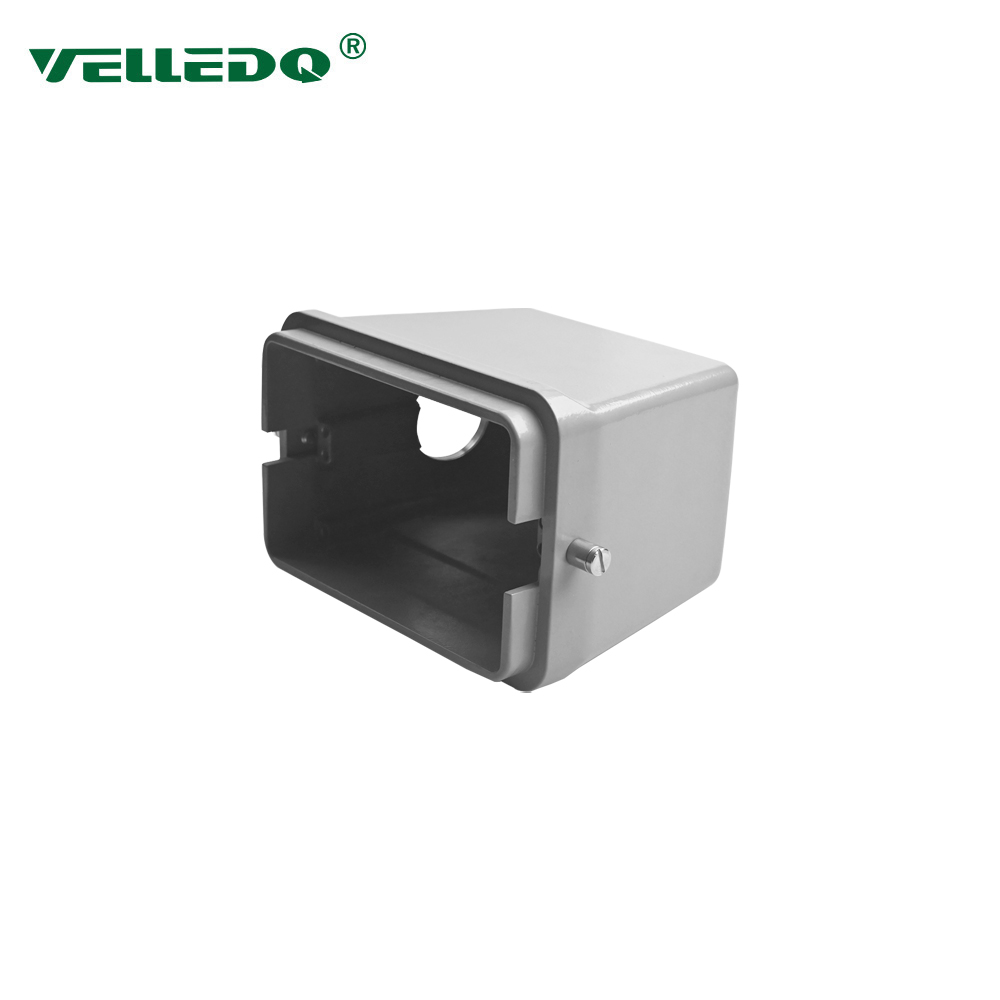
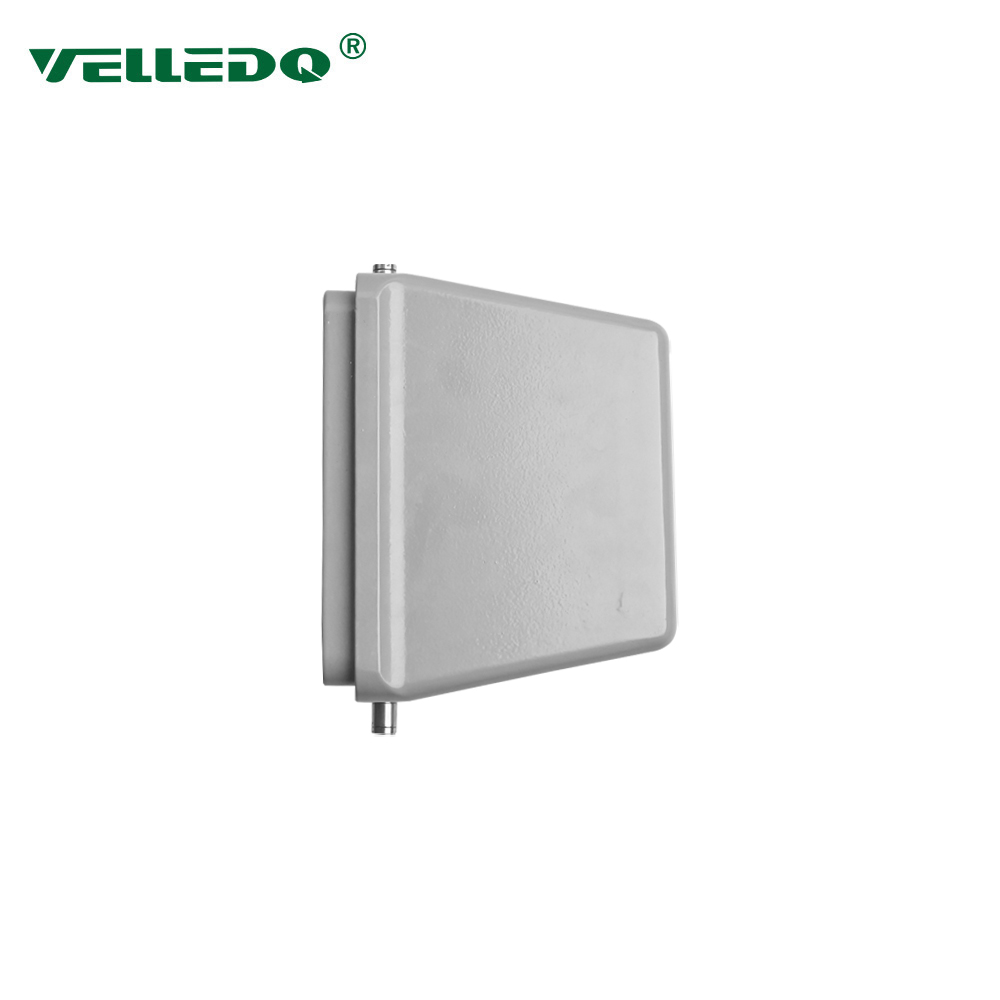

The pursuit of beauty and self-expression has always driven the cosmetics business, which has been a vital component of human civilization for ages. The manufacturing tools used to create makeup, skincare products, perfumes, and other items are evolving along with the cosmetics industry. Rectangular pop sockets will continue to influence this rapidly changing market.
The Development of the Cosmetics Industry
Natural components like minerals, oils, and herbs were used to improve appearance in ancient civilizations, which is where the history of cosmetics began. Cosmetics have evolved throughout time, thanks to developments in manufacturing and formulation processes.
Early Cosmetic Manufacturing: Traditionally, cosmetics were made by hand in tiny amounts with age-old techniques. The consistency and capacity of production were restricted by this labor-intensive method.
Industrialization and Mass Production: The manufacture of cosmetics underwent tremendous transformation as a result of the industrial revolution. Modern technology, such homogenizers, filling machines, and mixers, made it possible to produce cosmetics in large quantities, increasing their accessibility to the general population.
Regulatory Compliance and Quality Control: As the cosmetics business expanded, so did the need of safety and quality control. Guidelines and standards were created by regulatory agencies worldwide to guarantee the safety and effectiveness of cosmetic goods.
Personalization and customization: The market for customized cosmetics has expanded dramatically in recent years. Advancements in technology have led to the creation of sophisticated machinery capable of producing personalized skincare products, cosmetic colours, and perfumes.

Challenges in the Production of Modern Cosmetics
Even while the production of cosmetics has advanced significantly, there are still a number of obstacles that must be overcome.
1. Precision and Consistency: In the cosmetics sector, it’s critical to maintain constant product quality and color accuracy. Scaling up production might make it difficult to maintain this level of accuracy.
2. Flexibility and Versatility: Cosmetic producers often create a broad variety of goods, such as powders, lipsticks, and liquid foundations. Equipment must be flexible enough to handle a variety of formulas and package styles.
3. Regulatory Compliance: It’s critical to adhere to stringent regulations on ingredient disclosure, safety, and labeling. Precise supervision over the manufacturing and formulation processes is often necessary for compliance.
4. Sustainability: The cosmetics business is placing a greater emphasis on sustainability in response to environmental concerns. Using eco-friendly packaging, cutting down on waste, and preserving resources are all part of this.
5. Digitalization and Data Integration: To improve product development and streamline operations, many cosmetic businesses are adopting digitalization. This covers the use of automation and data analytics to the development, manufacturing, and quality assurance processes.
Rectangular Pop Sockets: The Innovation Engine
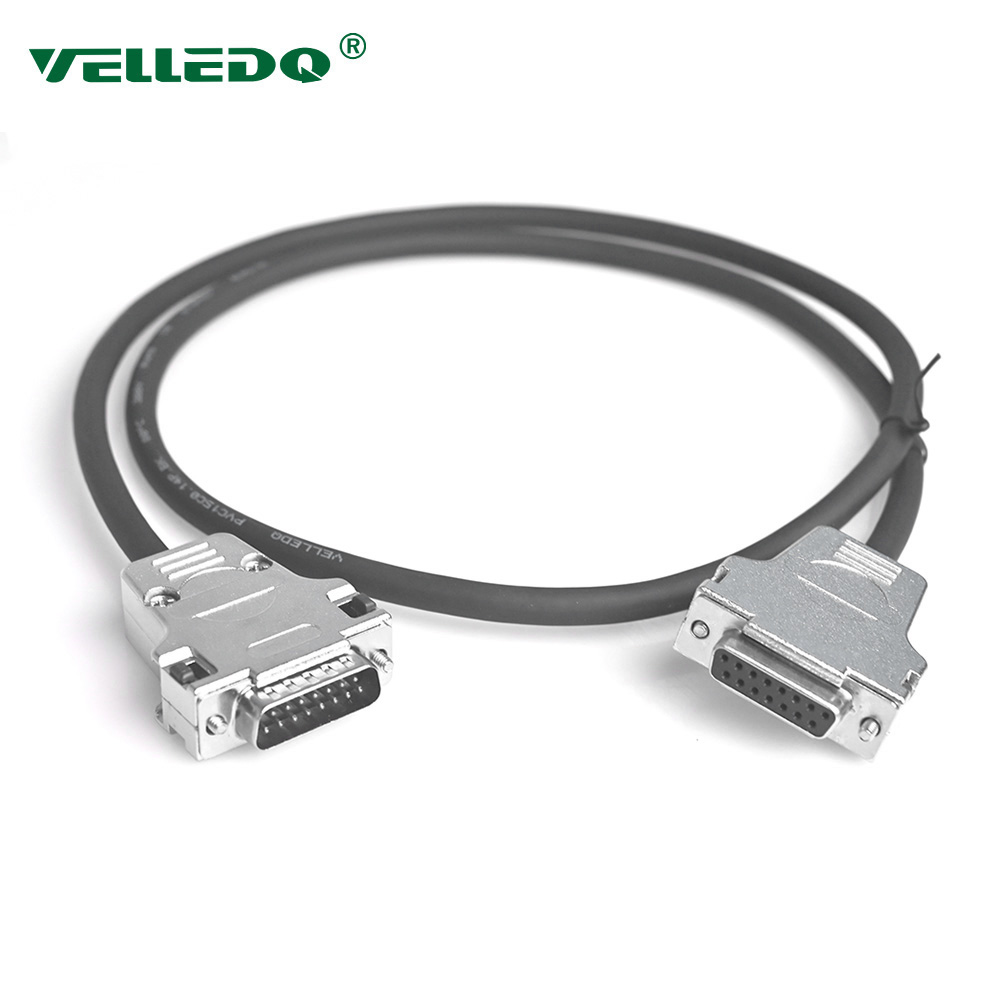
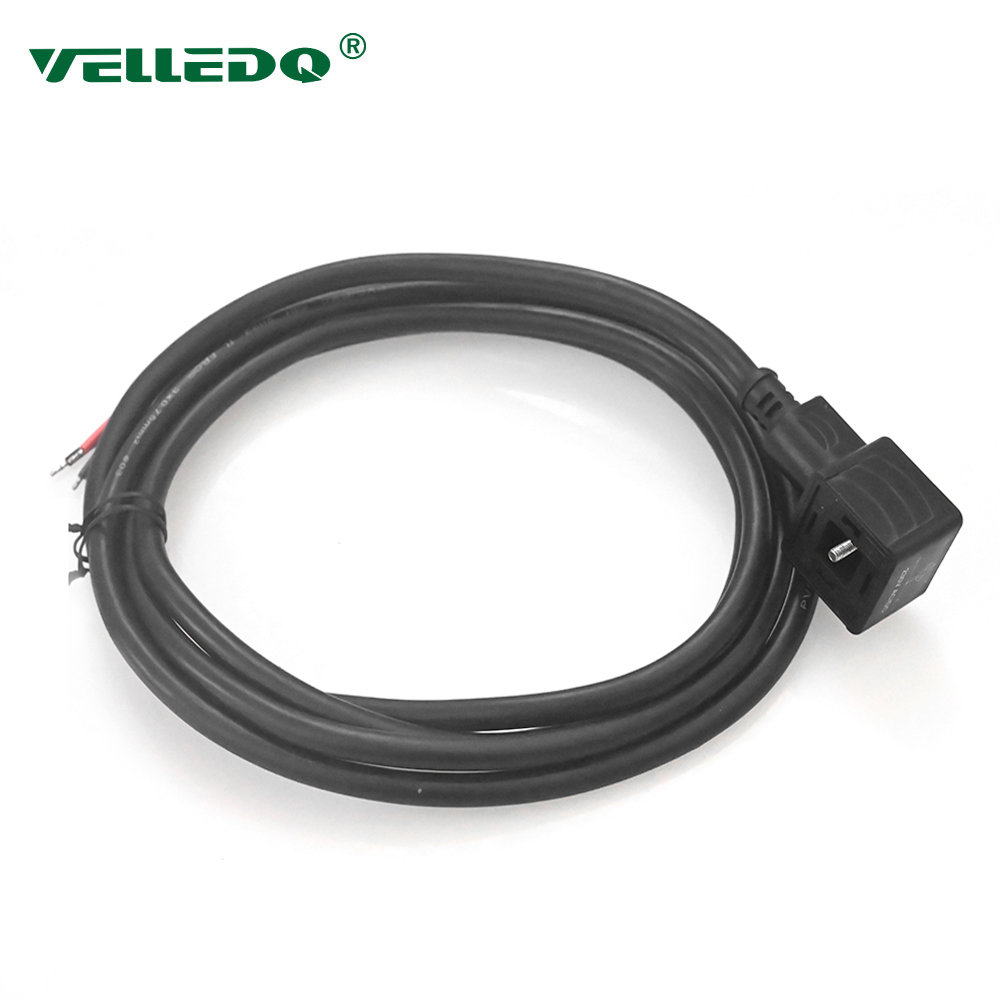
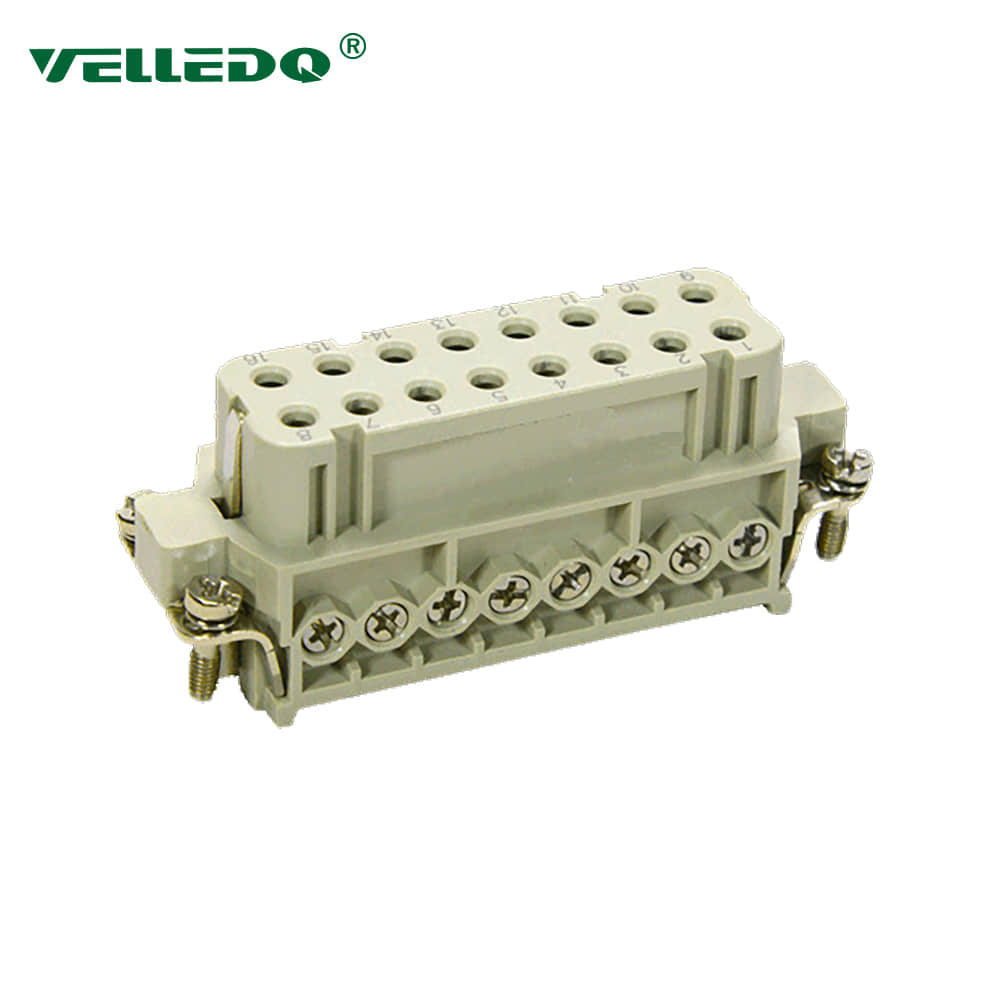
Despite these difficulties, rectangular pop sockets have become essential parts of contemporary machinery used in the production of cosmetics. These sockets provide smooth communication and power distribution by acting as the vital link between equipment, control systems, sensors, and power sources. Their sturdy construction, dependability, and versatility have fundamentally changed the makeup sector. Let’s examine the precise ways that rectangular pop sockets are impacting the production of cosmetics:
1. Versatility and Adaptability: Equipment used in the cosmetics business must be able to handle a wide range of compositions, including liquid foundations, powders, and creams. Robust sockets provide prompt equipment reconfiguration, guaranteeing smooth product and package format changes.
2. Regulatory Compliance: In the production of cosmetics, adherence to strict rules is crucial. Rectangular pop sockets provide exact control over the manufacturing and formulation processes, enabling producers to comply with quality control and ingredient accuracy regulations.
3. Sustainability: Rectangular pop sockets help energy-efficient equipment operate as sustainability gains importance. They make it possible to optimize power distribution, which lowers operating expenses and energy consumption. Furthermore, connections made using environmentally friendly production methods support sustainability objectives.
4. Data Integration: Rectangular pop sockets make it easier to integrate sensors, cameras, and data transmission devices in a data-driven industrial environment. This makes it possible to monitor environmental factors, manufacturing efficiency, and product quality in real-time, which improves decision-making and streamlines processes.
Case Studies: Equipment Use in Cosmetic Manufacturing
Let’s look into some real-world examples of rectangular pop sockets to see how they have revolutionized the cosmetics production industry:
1. Mixing and homogenization: To ensure exact mixing of materials for foundations, lotions, and creams, rectangular pop sockets link mixers and homogenizers to control systems. All products may have the same feel and quality because to this connection.
2. Filling and Packaging: Filling machines, capping machines, and labeling systems are connected to control systems by means of rectangular pop sockets throughout the filling and packaging process. By doing this, items are guaranteed to be precisely packed, sealed, and labeled, according to quality standards and regulatory requirements.
3. Color Matching and Customization: Sturdy connections link color-matching equipment and dispensers to formulation databases for cosmetics firms that provide unique hues and formulas. This makes it possible to precisely create personalized items while preserving color fidelity.
4. Inspection and Quality Control: The integration of cameras and other sensors into the manufacturing line for quality control is made easier by rectangular pop sockets. The real-time assessment of product appearance, uniformity, and package integrity is made possible by this connection.

Obstacles and Prospects for the Future
Rectangular pop sockets have revolutionized cosmetic production equipment; yet, there are obstacles to overcome and promising opportunities to investigate in the future.
1. Sustainable Materials and Practices: Rectangular pop sockets must encourage the use of sustainable materials for tools and packaging as sustainability becomes a major concern in the cosmetics sector. They can also help with waste reduction and energy-efficient manufacturing operations.
2. Integration of Art and Science: The cosmetics sector is doing a better job of bringing art and science together. The boundaries between creativity and technology are becoming more hazy because to innovations like AI-powered formulation development and 3D printing for personalized packaging. Connecting these many components of the cosmetic manufacturing process will need the use of rectangular pop sockets.
Unlocking Cosmetics’ Future: Rectangular Pop Sockets Set the Standard
Transformation has always been a theme in the history of cosmetics, whether it be in terms of an individual’s look or the development of the sector as a whole. The cosmetics business is constantly reinventing manufacturing techniques and aesthetic standards. Rectangular pop sockets are at the forefront of this change, subtly but radically influencing how we see and use cosmetics.
Accepting Eco-Friendly Beauty
Sustainability is among the cosmetics industry’s most urgent problems.
Brands are reacting to consumer awareness of the environmental effect of their cosmetic goods by launching eco-friendly programs. In this effort to lessen the carbon footprint of the business, rectangular pop sockets are more than just participants.
Rectangular pop sockets enable energy-efficient equipment operation, guaranteeing that production procedures comply with environmental objectives. To further reduce waste, they also make it easier to employ recycled materials in the production of equipment and packaging. As the sustainability of the cosmetics sector remains a top priority, rectangular pop sockets will be essential for connecting the equipment used to make eco-friendly beauty products.
The Combination of Science and Art
In the cosmetics sector, innovation and technology coexist together at the nexus of art and science. The possibilities for cosmetics are being expanded by innovations such as AI-driven formulation research and 3D printing for customized packaging. These creative and scientific components are connected by strong linkages.
Rectangular pop sockets will guarantee that technological advancements are smoothly incorporated into cosmetics manufacturing processes as they continue to have an impact on the industry. For example, the accuracy of 3D printing depends on connection dependability to guarantee that each component is perfectly aligned. Rectangular pop sockets are excellent at precisely controlling ingredient distribution, which is a must for AI-driven formulation development.