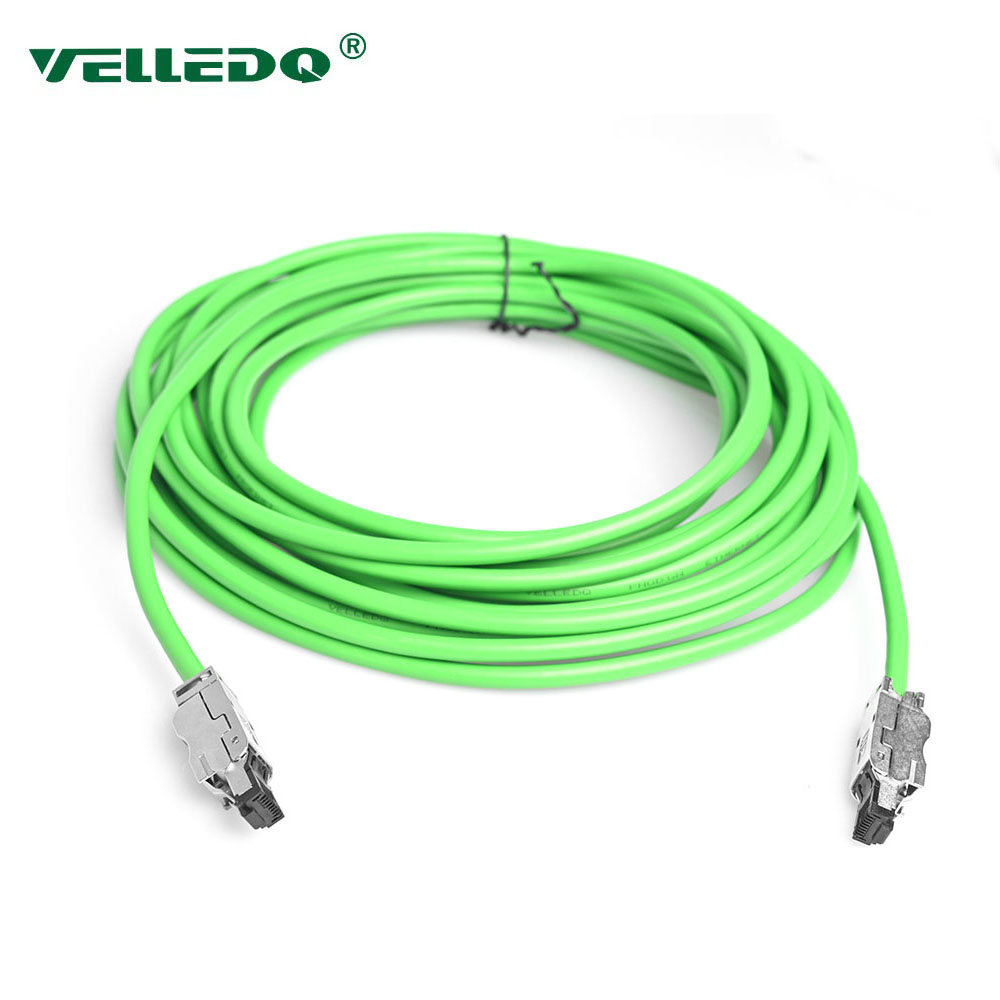

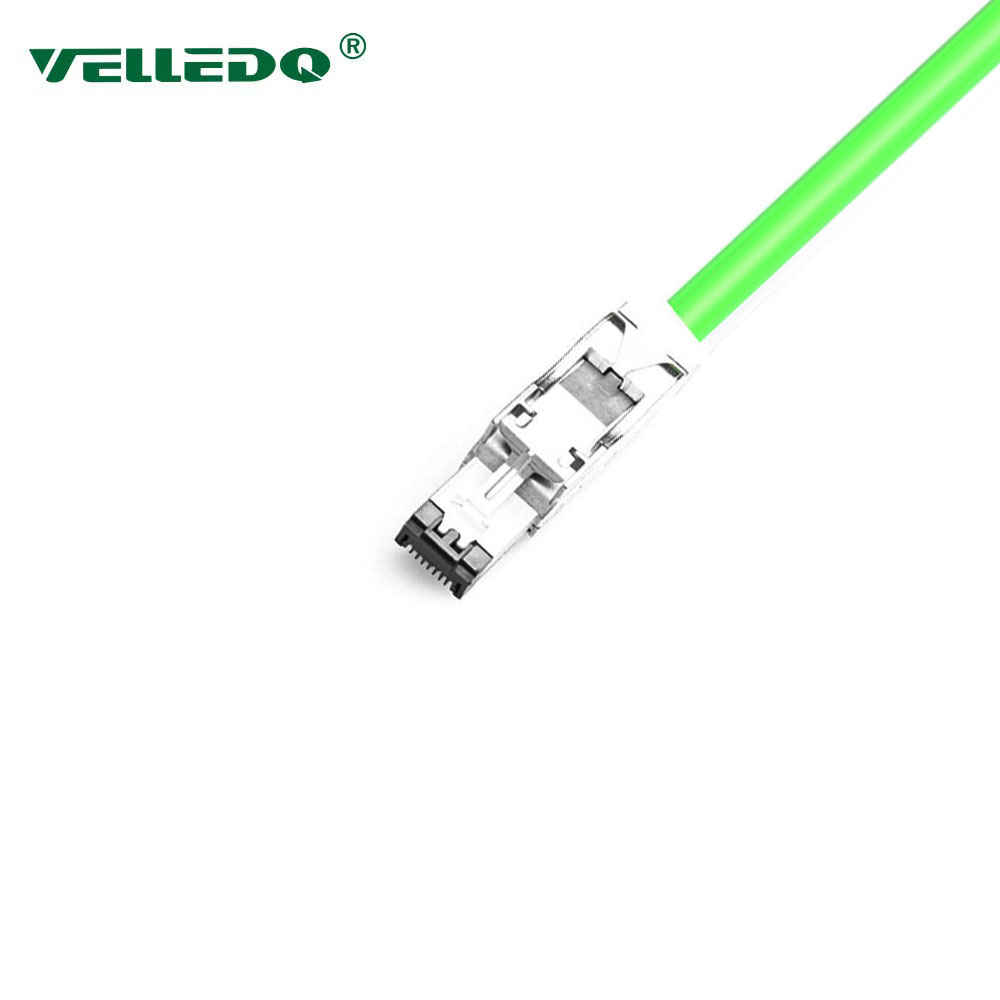
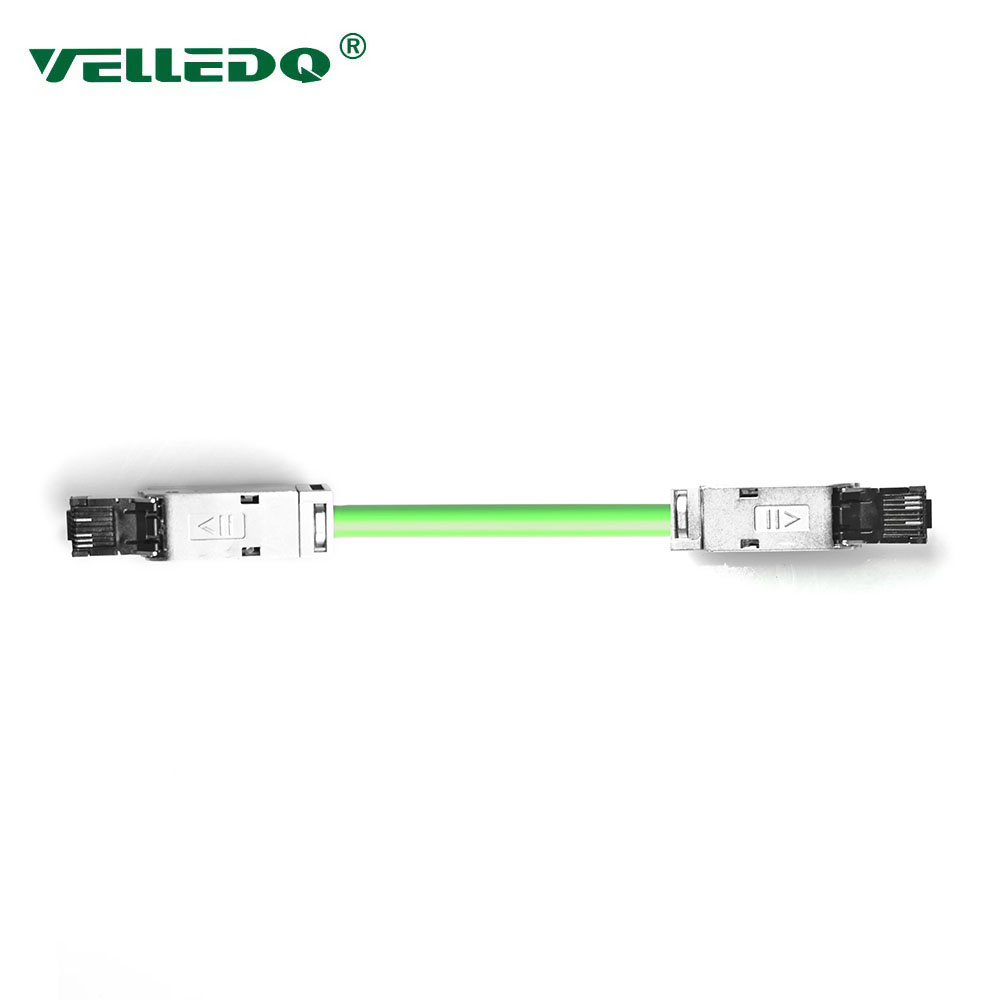
Industrial control systems (ICS) play a crucial role in monitoring and controlling industrial processes, ensuring efficient and safe operations in various sectors such as manufacturing, energy, transportation, and more. These systems rely on robust and reliable networking solutions to facilitate communication between different components and devices. One such solution is the RJ45 cables, which has found widespread use in industrial control systems due to its versatility, reliability, and high-speed data transmission capabilities.
Introduction to Industrial Control Systems
Industrial control systems, also known as supervisory control and data acquisition (SCADA) systems, are designed to monitor and control industrial processes, machinery, and equipment. These systems incorporate hardware and software components that work together to collect data, analyze it, and initiate appropriate actions based on predefined parameters. The main components of an industrial control system include sensors, actuators, programmable logic controllers (PLCs), human-machine interfaces (HMIs), and communication networks.
Application
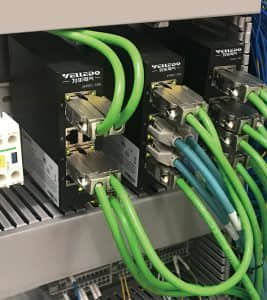
1.One of the primary applications of RJ45 cables in industrial control systems is facilitating PLC communication. Programmable logic controllers (PLCs) serve as the central control units in industrial settings, responsible for monitoring and controlling various processes and machinery. RJ45 cables are used to establish reliable and high-speed connections between the PLCs and other devices within the control system.Through the use of RJ45 cables, PLCs can communicate with different components such as human-machine interfaces (HMIs), remote input/output (I/O) modules, sensors, and actuators. The cables facilitate the seamless exchange of data and instructions, enabling the PLC to receive real-time information from sensors, analyze it, and make informed decisions based on predefined programming logic.PLC communication via RJ45 cables allows for efficient monitoring and control of industrial processes. The cables transmit signals between the PLC and connected devices, enabling data acquisition, status monitoring, and control actions. This communication capability enables the PLC to gather data from sensors, such as temperature, pressure, or flow rate, and use that information to adjust system parameters or activate specific control functions.Furthermore, RJ45 Ethernet cables provide a high-speed and reliable connection, ensuring fast and accurate data transmission between the PLC and connected devices.
This is crucial in time-sensitive applications where quick response times are essential for maintaining optimal process control and minimizing downtime.The use of RJ45 cables in PLC communication offers several advantages, including flexibility, scalability, and compatibility with existing networking infrastructure. They can be easily integrated into the existing Ethernet network infrastructure, allowing for seamless connectivity between the PLC and other networked devices. Additionally, the standardized RJ45 connectors ensure compatibility with a wide range of devices, simplifying installation and maintenance processes. They enable the efficient exchange of data and instructions between the PLC and connected devices, facilitating real-time monitoring, precise control, and automation of industrial processes. With their reliability, high-speed data transmission, and compatibility, RJ45 cables are a crucial component in ensuring optimal performance and operational efficiency in industrial control systems.
2.In industrial control systems, the RJ45 cable has a specific application in facilitating HMI connectivity. Human-machine interfaces (HMIs) serve as the user interface for operators to interact with the industrial control system. RJ45 cables play a critical role in establishing a reliable and high-speed connection between the HMI and the control network.By using RJ45 cables, HMIs can seamlessly connect to the control system, allowing operators to access real-time data, monitor process parameters, and control the system. The cables enable bi-directional communication, transmitting commands from the HMI to the control system and delivering real-time feedback and status updates back to the operator.The high-speed data transmission capabilities of RJ45 cables ensure rapid and accurate communication between the HMI and the control network. This enables operators to receive real-time information on process variables such as temperature, pressure, or flow rates, and make informed decisions based on the current conditions. It also allows them to monitor system status, alarms, and error messages, ensuring prompt responses to any abnormalities or malfunctions.Moreover, the reliability of RJ45 cables ensures consistent connectivity between the HMI and the control network, eliminating communication disruptions that could affect the operator’s ability to monitor and control the industrial processes. The cables’ robust design and secure connections prevent data loss or interference, providing a stable and uninterrupted communication link.Additionally, the scalability and compatibility of RJ45 cables make them suitable for HMI connectivity in various industrial control systems. They can be easily integrated into existing Ethernet networks, allowing for seamless communication with other networked devices. The standardized RJ45 connectors ensure compatibility with a wide range of HMIs and control system components, simplifying installation and maintenance processes.The specific application of the cables in HMI connectivity in industrial control systems enables operators to interact with the control network and effectively monitor and control industrial processes. The cables’ high-speed data transmission, reliability, and compatibility make them essential components for establishing a seamless and efficient communication link between the HMI and the control system, enhancing operational efficiency and facilitating real-time decision-making.

3.The RJ45 cable plays a crucial role in sensor integration within industrial control systems. Sensors are fundamental components used to gather real-time data on various process variables such as temperature, pressure, humidity, or flow rate. The RJ45 cable enables the seamless connection of these sensors to the control system, facilitating the integration of sensor data into the overall control and monitoring framework.By utilizing RJ45 cables, sensors can transmit their data to the control system in real time, providing critical information for monitoring and decision-making processes. The cables ensure reliable and high-speed communication between the sensors and the control system, enabling rapid data transmission and response times.The RJ45 cable acts as a conduit for sensor signals, allowing the control system to receive and interpret the sensor data accurately. This integration enables the control system to monitor and analyze the data, detect deviations from set parameters, and trigger appropriate actions or alarms.
The versatility of RJ45 cables enables the integration of various types of sensors,
including temperature sensors, pressure sensors, level sensors, and flow sensors, among others. The standardized connectors and protocols associated with RJ45 Ethernet cables ensure compatibility with a wide range of sensor devices, simplifying the installation and configuration process.Moreover, the RJ45 cable provides power over Ethernet (PoE) capabilities, allowing sensors to be powered directly through the cable. This eliminates the need for separate power cables, simplifying the wiring and reducing installation complexity.The scalability of RJ45 cables enables the integration of numerous sensors within an industrial control system. Multiple sensors can be connected to the control system using a single Ethernet cable, minimizing the wiring complexity and reducing installation costs.The use of RJ45 cables in sensor integration within industrial control systems enables the seamless integration of sensor data into the overall control and monitoring framework. By providing reliable, high-speed communication, and compatibility with various sensor devices, RJ45 cables play a crucial role in enhancing the control system’s ability to gather real-time data, monitor process variables, and make informed decisions based on the sensor information.
4.The specific application of RJ45 cables in industrial control systems extends to network switching and redundancy. In complex control system architectures, multiple devices such as PLCs, HMIs, and I/O modules need to communicate with each other over a network. RJ45 cables are utilized to establish connections between these devices and facilitate data exchange.Network switching is a critical aspect of industrial control systems as it allows for efficient and organized communication between devices. RJ45 cables are used to connect devices to Ethernet switches, which act as central hubs for data transmission within the network. The cables provide reliable and high-speed connections, ensuring seamless communication between devices and allowing for the efficient transfer of control signals, data, and information.Redundancy is another vital feature in industrial control systems to ensure uninterrupted operation and minimize downtime. RJ45 cables are employed to establish redundant network connections, where multiple paths are created to transmit data. This redundancy ensures that if one connection fails, the system can automatically switch to an alternate path, maintaining continuous communication and preventing data loss. Redundant network setups often use protocols like Rapid Spanning Tree Protocol (RSTP) or Ethernet Ring Protection Switching (ERPS) to achieve seamless failover.RJ45 cables enable the implementation of advanced networking features such as Quality of Service (QoS), which prioritizes critical data packets to ensure real-time control signals and time-sensitive data receive the necessary bandwidth and reduced latency.The scalability and compatibility of RJ45 cables make them suitable for networks of varying sizes in industrial control systems. They can be easily integrated into existing Ethernet infrastructures, allowing for seamless connectivity and interoperability with different devices and components.The use of RJ45 cables in network switching and redundancy within industrial control systems ensures efficient and reliable communication between devices. These cables enable the establishment of network connections, support redundant network setups for enhanced reliability, and facilitate the implementation of advanced networking features. With their versatility, scalability, and compatibility, RJ45 cables play a crucial role in establishing robust and resilient networks in industrial control systems.