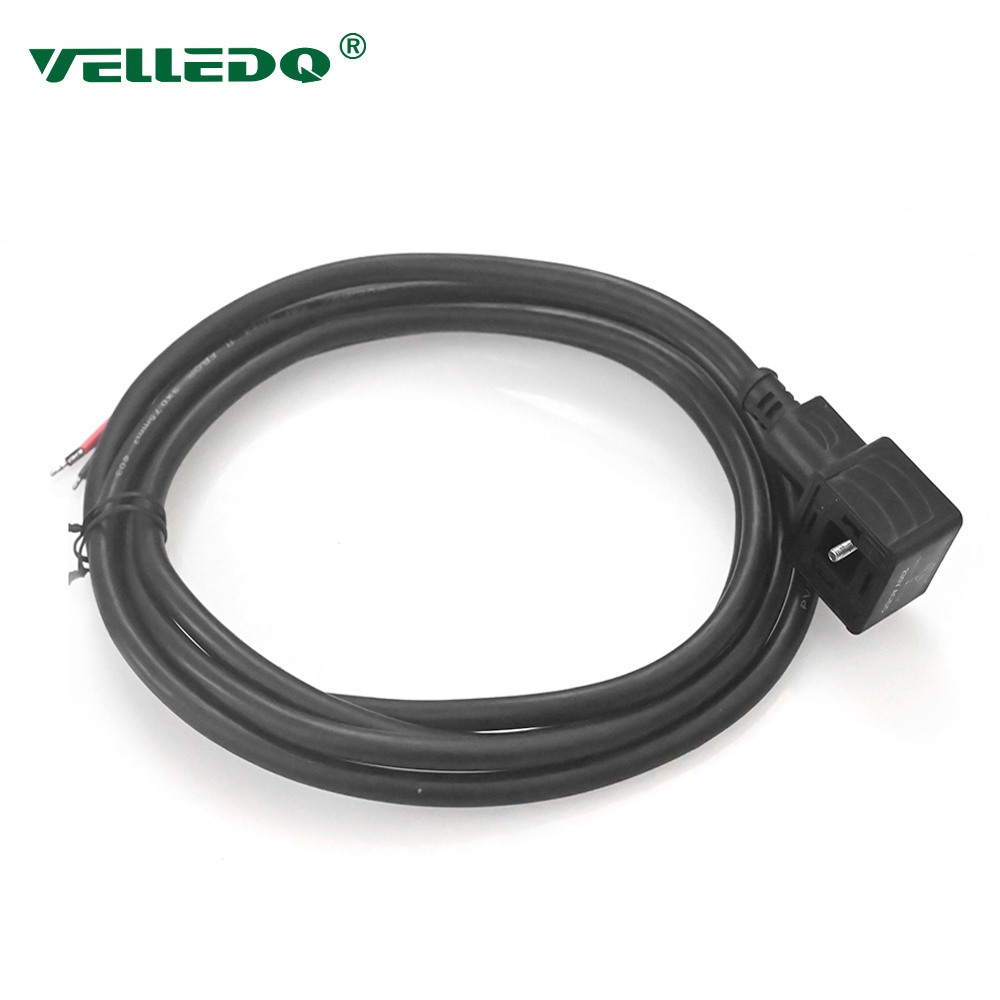

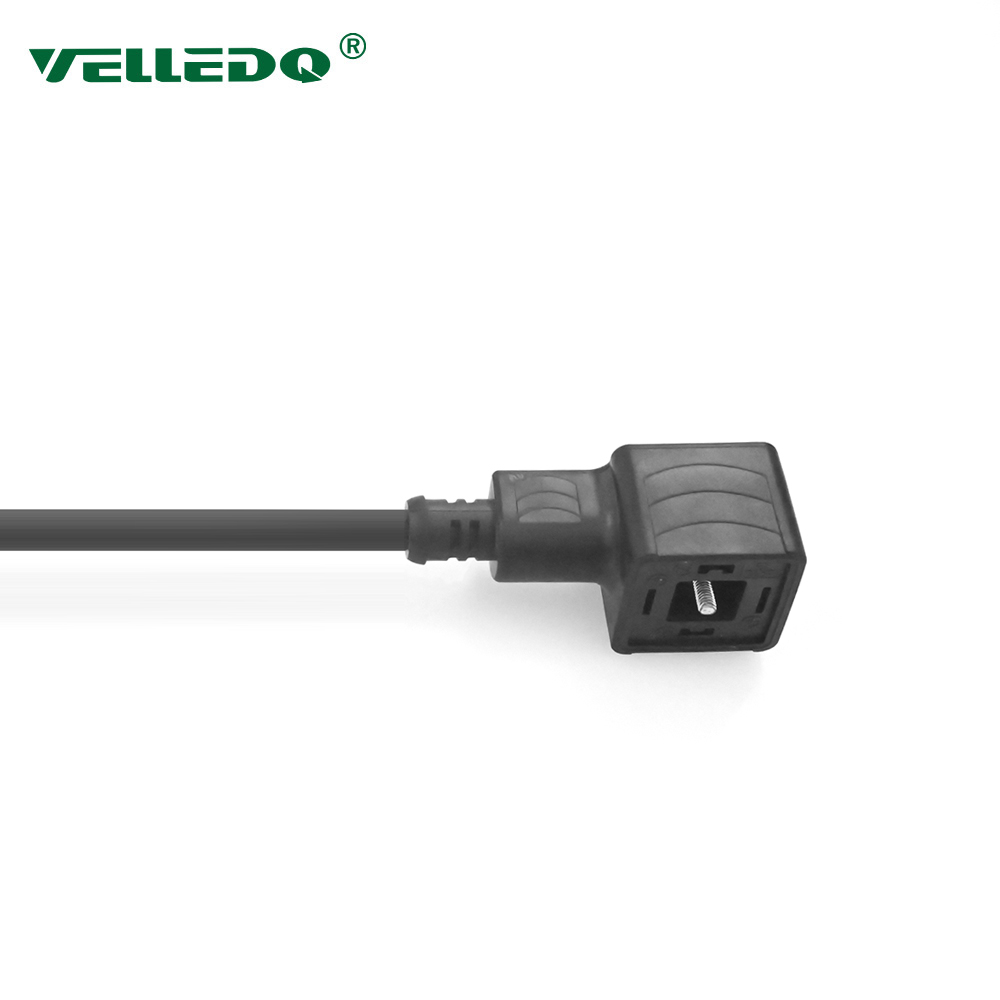
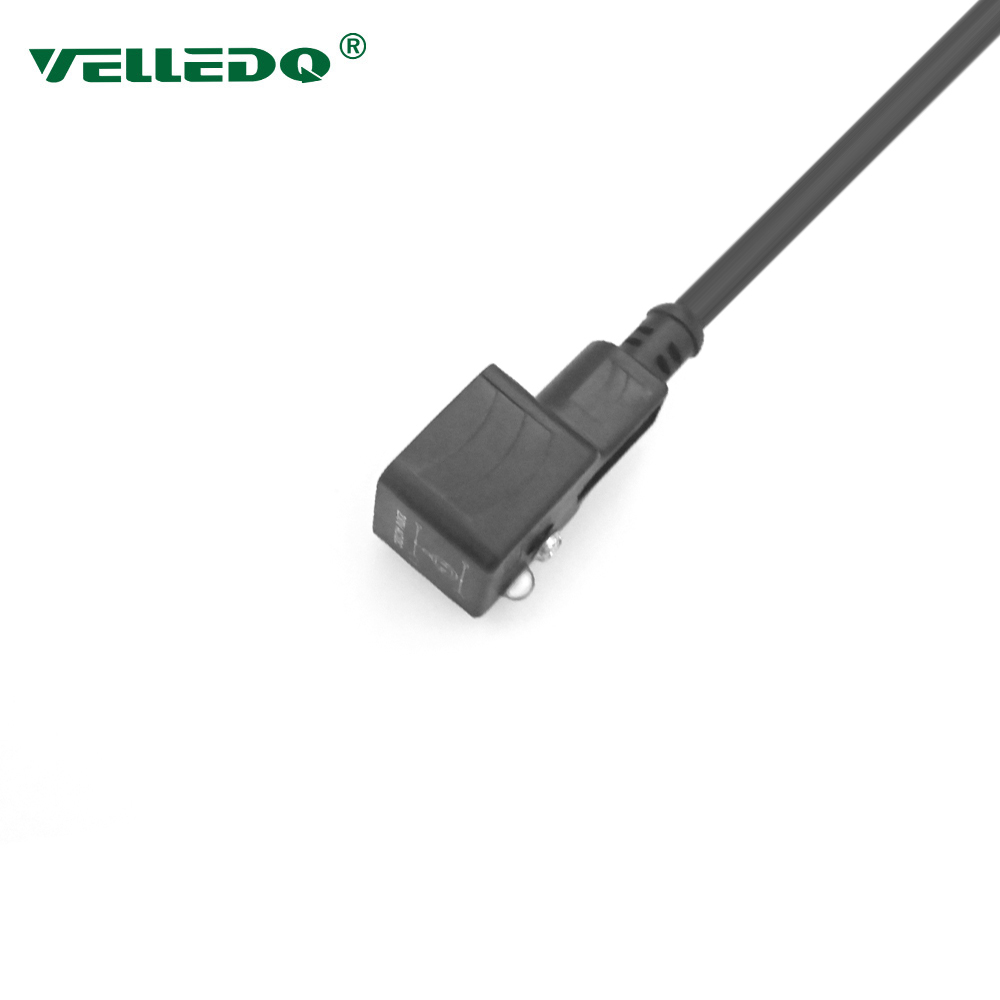
The integrated circuit (IC), commonly known as a microchip or semiconductor chip, has revolutionized the world of electronics and computing. It is the cornerstone of modern technological advancements, powering everything from smartphones to space exploration equipment. The journey of integrated circuit manufacture has been marked by continuous innovation and refinement, resulting in increased functionality, reduced size, and improved performance. One critical component that has played a significant role in this process is the solenoid valve cable, a device that ensures precise and controlled fluid flow within the intricate circuit fabrication processes.
The Evolution of Integrated Circuit Manufacture
The roots of integrated circuit manufacturing can be traced back to the late 1950s and early 1960s when Jack Kilby and Robert Noyce independently developed the first integrated circuits. Kilby’s invention was a monolithic IC made of germanium, while Noyce’s creation employed silicon, which eventually became the dominant material for ICs due to its superior electrical properties and abundance.
1.1 Photolithography – Paving the Way for Miniaturization
In the early stages of IC manufacturing, a crucial breakthrough was the development of photolithography. Photolithography is a process that uses light to transfer a pattern from a photomask to a light-sensitive chemical photoresist on the semiconductor wafer. By repeatedly exposing and etching the wafer, complex patterns could be formed, enabling the miniaturization of transistors and other components.
1.2 Clean Rooms and Controlled Environments
As the demand for more intricate and smaller circuits grew, the industry realized the significance of maintaining clean environments during the manufacturing process. Cleanrooms, with their highly controlled particle and contamination levels, became the norm, ensuring the reliability and yield of integrated circuits.
1.3 Advancements in Deposition Techniques
Thin-film deposition techniques, such as chemical vapor deposition (CVD) and physical vapor deposition (PVD), enabled the precise deposition of various materials onto the semiconductor wafer, allowing for the creation of complex structures with precise thicknesses.
1.4 Introduction of Etching and Ion Implantation
Etching and ion implantation processes allowed for the selective removal or introduction of specific materials, further enhancing the ability to create intricate semiconductor structures.
1.5 Progress in Wafer Dicing and Packaging
Wafer dicing techniques were developed to separate individual chips from a processed wafer,
and advanced packaging methods were introduced to protect and interconnect the ICs within electronic devices.
Application
1.In integrated circuit (IC) manufacturing, wafer cleaning is a critical process that plays a pivotal role in ensuring the reliability and performance of the final microchips. During wafer cleaning, various contaminants, particles, and residues from previous fabrication steps are removed to create a pristine surface for subsequent processing. In this intricate and precise cleaning process, the specific application of solenoid valve cable proves indispensable.
solenoid valve cable is utilized in wafer cleaning to control the flow of cleaning solutions with a high degree of precision and automation. The process begins with the loading of the semiconductor wafers into the cleaning equipment, where they are subjected to a series of cleaning steps to achieve the desired level of cleanliness. One of the most common cleaning methods is the use of chemical solutions, such as acids, bases, or organic solvents, to remove various contaminants from the wafer surface.
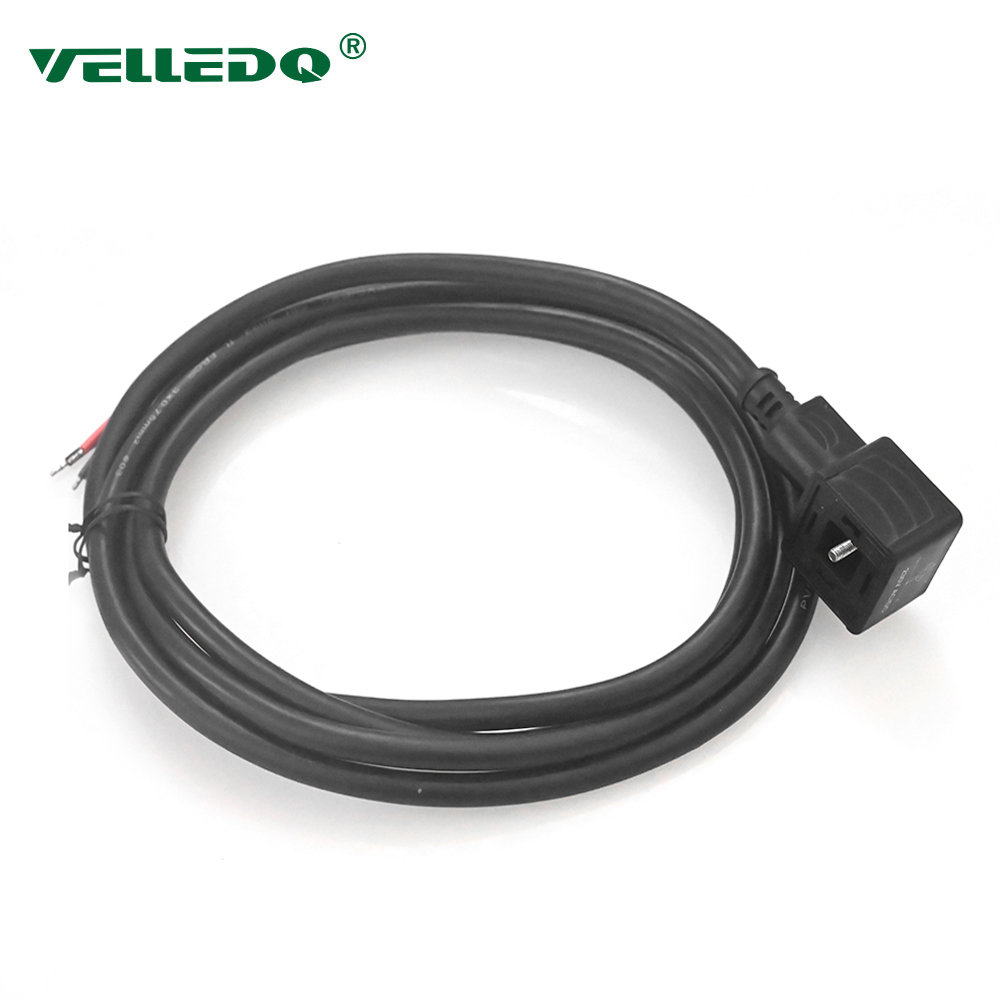
The solenoid valve cable serves as the gatekeeper, regulating the flow of these cleaning solutions into the cleaning chamber. The valve plug’s ability to open and close rapidly and precisely in response to electrical signals ensures that the flow of cleaning chemicals is tightly controlled, preventing overexposure or underexposure of the wafers to the cleaning agents. This level of control is crucial to avoid damage to the delicate structures and features on the wafer surface, which are often only a few nanometers in size.
Furthermore, solenoid valve cable play a vital role in achieving high throughput and process repeatability in wafer cleaning. The automation and fast response time of the solenoid valve cable enable rapid switching between different cleaning solutions and process steps, minimizing downtime and optimizing the cleaning efficiency. Additionally, the consistency provided by the solenoid valve cable ensures that each wafer undergoes the same cleaning procedure, resulting in uniform cleanliness across all the wafers in a batch.
As IC manufacturing continues to advance, wafer cleaning processes must adapt to handle smaller feature sizes and more complex structures. Solenoid valve cable, with their ability to handle corrosive and aggressive chemicals while maintaining precise control, are well-suited to meet the challenges of modern semiconductor fabrication. Their versatility, reliability, and high precision have made solenoid valve cable an integral part of the wafer cleaning process, contributing significantly to the production of high-quality and reliable integrated circuits that power the devices driving our increasingly interconnected world.
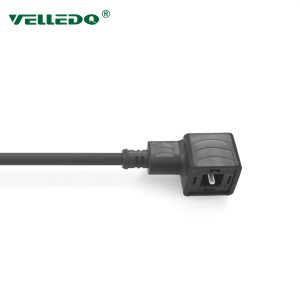
2.In the realm of integrated circuit (IC) manufacturing, chemical supply and distribution play a crucial role in depositing and etching materials to create intricate circuit patterns on semiconductor wafers. The specific application of solenoid valve cable in chemical supply and distribution is instrumental in ensuring the precise and controlled delivery of various chemicals required at different stages of the manufacturing process.Solenoid valve cable are electromechanical devices used to control the flow of fluids, including corrosive and reactive chemicals, in a highly automated and efficient manner. During the fabrication of integrated circuits, multiple chemical processes are employed, such as chemical vapor deposition (CVD), etching, and electroplating, each demanding a specific set of chemicals in precise quantities.
In the CVD process, thin films of materials are deposited onto the wafer surface. Solenoid valve cable is strategically positioned to regulate the flow of precursor gases into the CVD chamber. This precise control ensures uniform deposition of thin films, essential for the fabrication of high-performance microchips.Similarly, in the etching process, specific areas of the wafer’s surface are selectively removed to create intricate circuit patterns. Solenoid valve cable control the flow of etchants, into the etching chamber, allowing for highly accurate and controlled etching.
Moreover, during the electroplating process, metal layers are deposited onto predefined areas of the wafer. Solenoid valve cable is responsible for precisely controlling the flow of plating solutions, ensuring that the correct amount of metal is deposited on the wafer surface.
The ability of solenoid valve cable to operate rapidly and precisely, opening and closing in response to electrical signals, guarantees the accurate dosing of chemicals during these crucial fabrication steps. This level of control prevents overexposure or underexposure of the wafers to the chemicals, which could lead to defects and adversely affect the performance and yield of the final integrated circuits.
Additionally, solenoid valve cable contribute to process repeatability and automation, ensuring consistent results across multiple fabrication runs. The high reliability of solenoid valve plugs minimizes the risk of downtime and interruption in chemical supply and distribution processes, thereby increasing overall productivity and throughput.
With the continued advancement of semiconductor technology and the constant push for smaller and more powerful microchips, the precise control and reliability offered by solenoid valve cable is indispensable for the chemical supply and distribution stages in integrated circuit manufacture. As the demand for higher integration and increased complexity of microelectronics grows, solenoid valve cable will continue to play a vital role in enabling the fabrication of cutting-edge integrated circuits that power the devices driving the modern digital age.
The evolution of integrated circuit manufacture has been an awe-inspiring journey of technological advancements. From the early bulky chips to today’s powerful microprocessors, the progress has been nothing short of remarkable. At the heart of this evolution lies the solenoid valve cable, an unsung hero that ensures the precise and controlled flow of fluids in critical processes.
As technology continues to advance, the integration of solenoid valve cable technology with cutting-edge manufacturing processes will undoubtedly contribute to even smaller, more powerful, and efficient integrated circuits. The combination of innovation, expertise, and a relentless pursuit of excellence will undoubtedly pave the way for a future where integrated circuits shape the world in unimaginable ways.