Wireless communication has become a pillar of contemporary connectedness in an age of unrelenting technological growth. The wireless communication base station, a crucial component of the infrastructure that permits smooth transmission of data, voice, and multimedia content over great distances, is at the centre of this communication revolution. With the development of these base stations and the use of square electrical plug, unprecedented interconnectedness has been made possible, altering both society and industries.
Bridging the Gap: The Development of Wireless Communication Base Stations
The creation of the radio and subsequent advancements in communications marked the beginning of the path towards wireless communication. But the fast spread of mobile devices was what sparked the need for a cutting-edge communications infrastructure. In response to this need, the wireless communication base station developed, serving as a relay point for signals being sent and received between mobile devices and the core network.
Early wireless base stations used analogue technology, had small coverage areas, and were very basic constructions. Base stations changed as the globe shifted to digital communication standards to accommodate faster data rates, more capacity, and better signal quality. Faster internet speeds, reduced latency, and the connection of an increasing number of devices have all been made possible by the development of 3G, 4G, and now 5G technologies, which have further enhanced the capabilities of these base stations.
A Wireless Communication Base Station’s Structure
A wireless communication base station is a sophisticated combination of parts that cooperate to provide seamless connection. The essential elements of a base station are as follows:
Antennas: Antennas act as a conduit for wireless communications to reach the outside world. They communicate with mobile devices by sending and receiving signals.
Transceivers: Transceivers transfer signals between digital and analogue forms for transmission by modulating and demodulating them.
Radio Frequency (RF) Equipment: To ensure that signals are sent with the greatest possible power and quality, RF equipment amplifies and conditions signals before transmission.
Base stations need a reliable power source in order to function. Power supply units provide dependable and constant power delivery.
Units for call routing, signal optimisation, and base station operation management comprise the control and processing group.

Base station applications for wireless communication
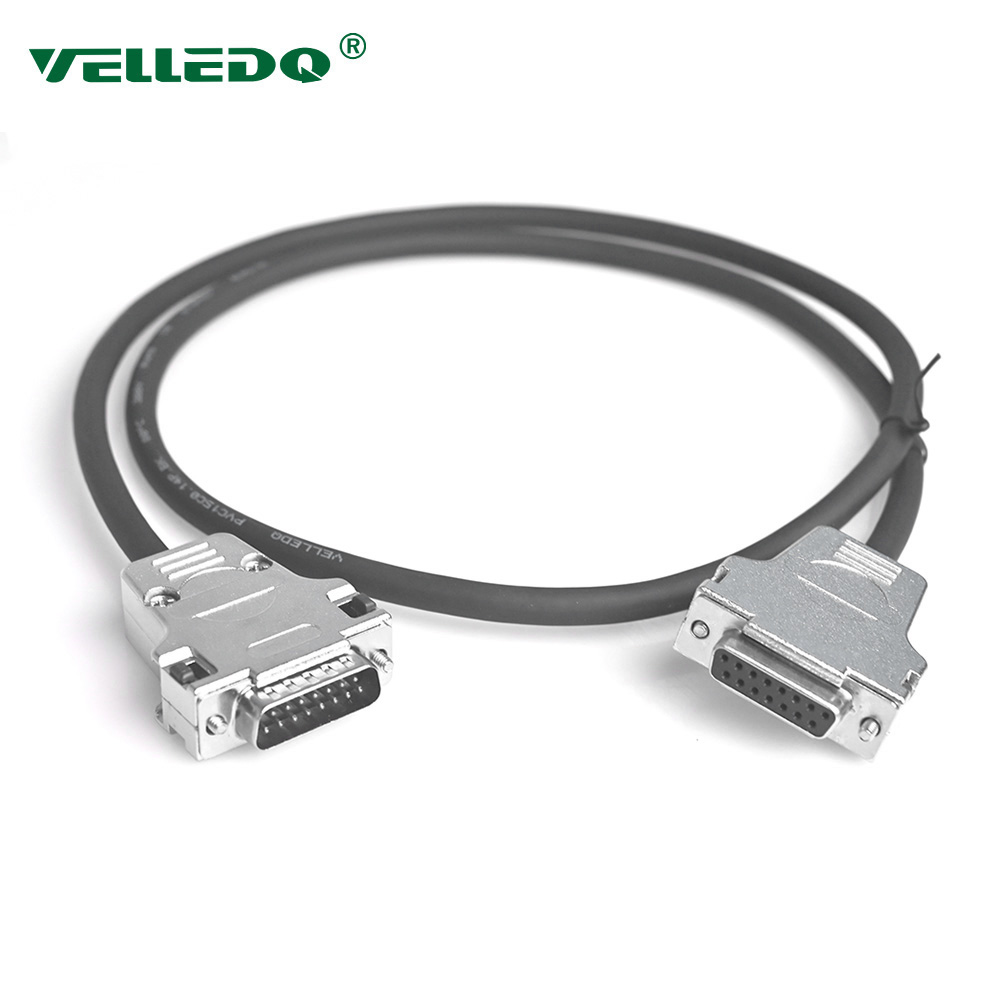
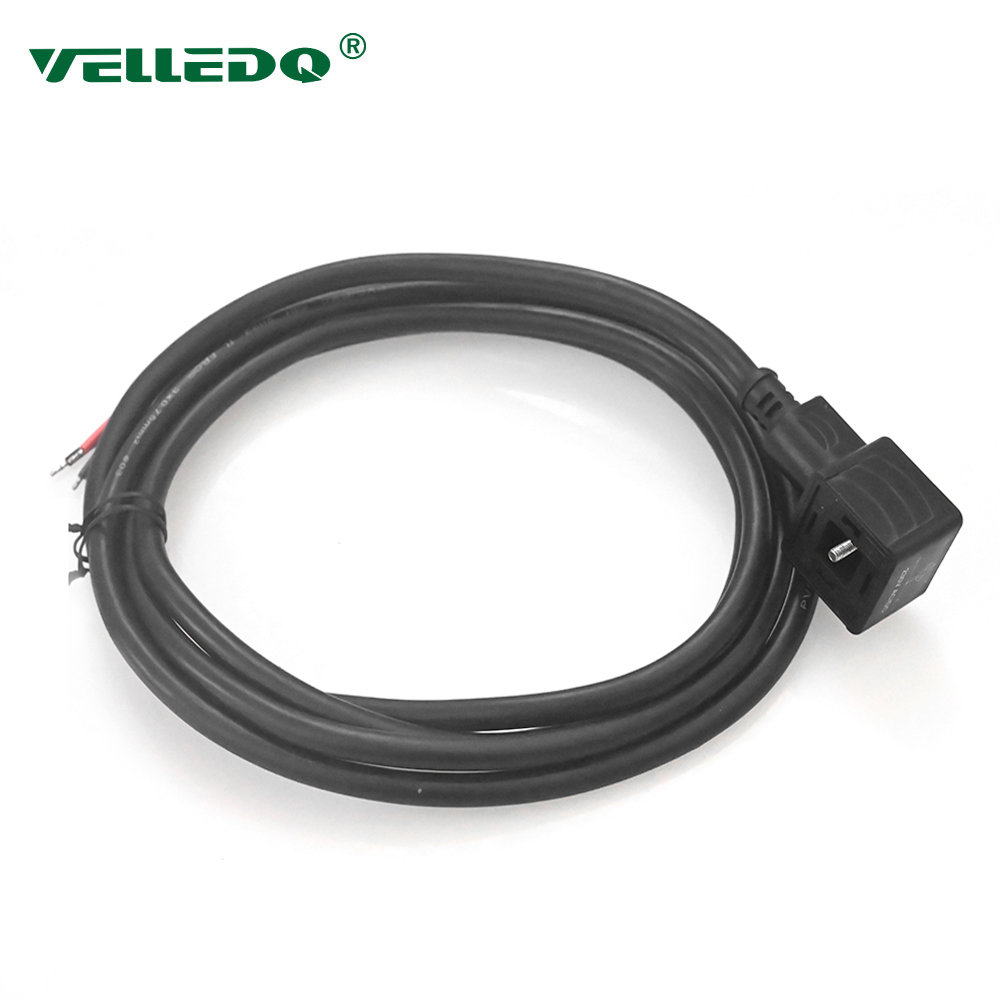
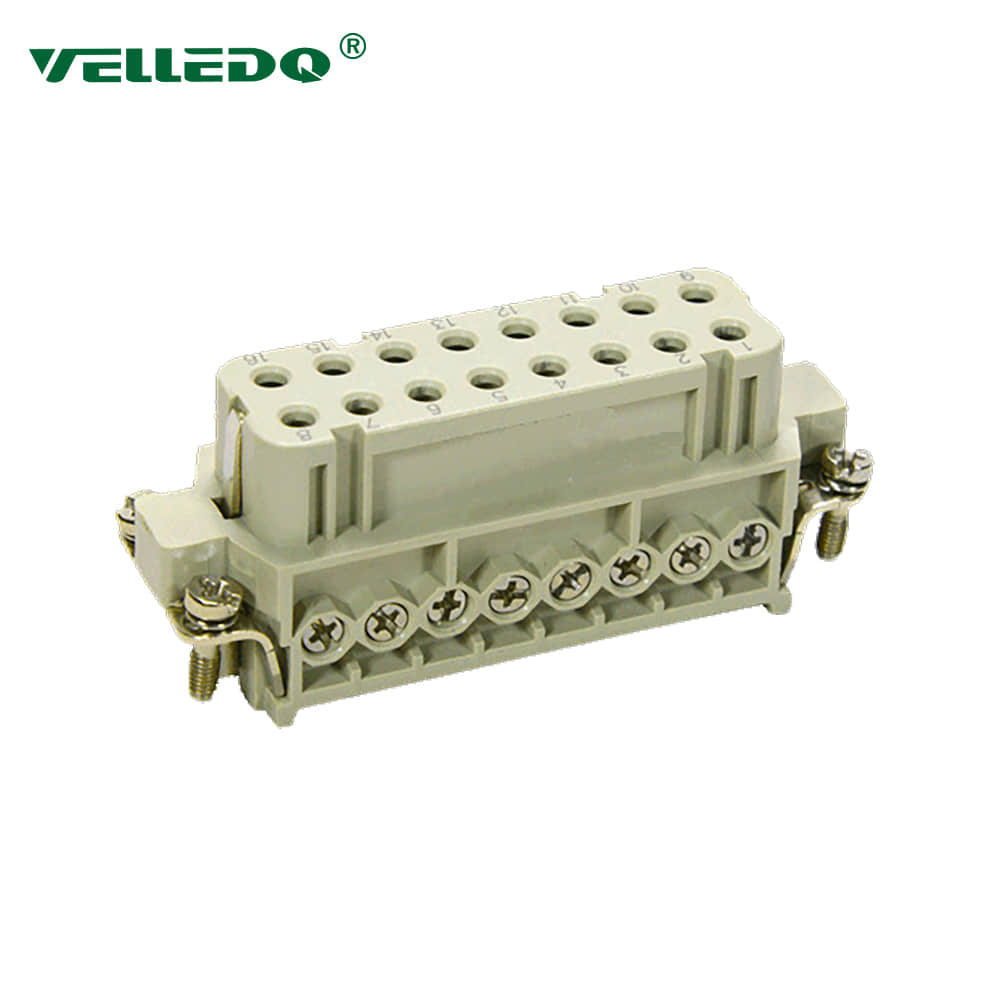
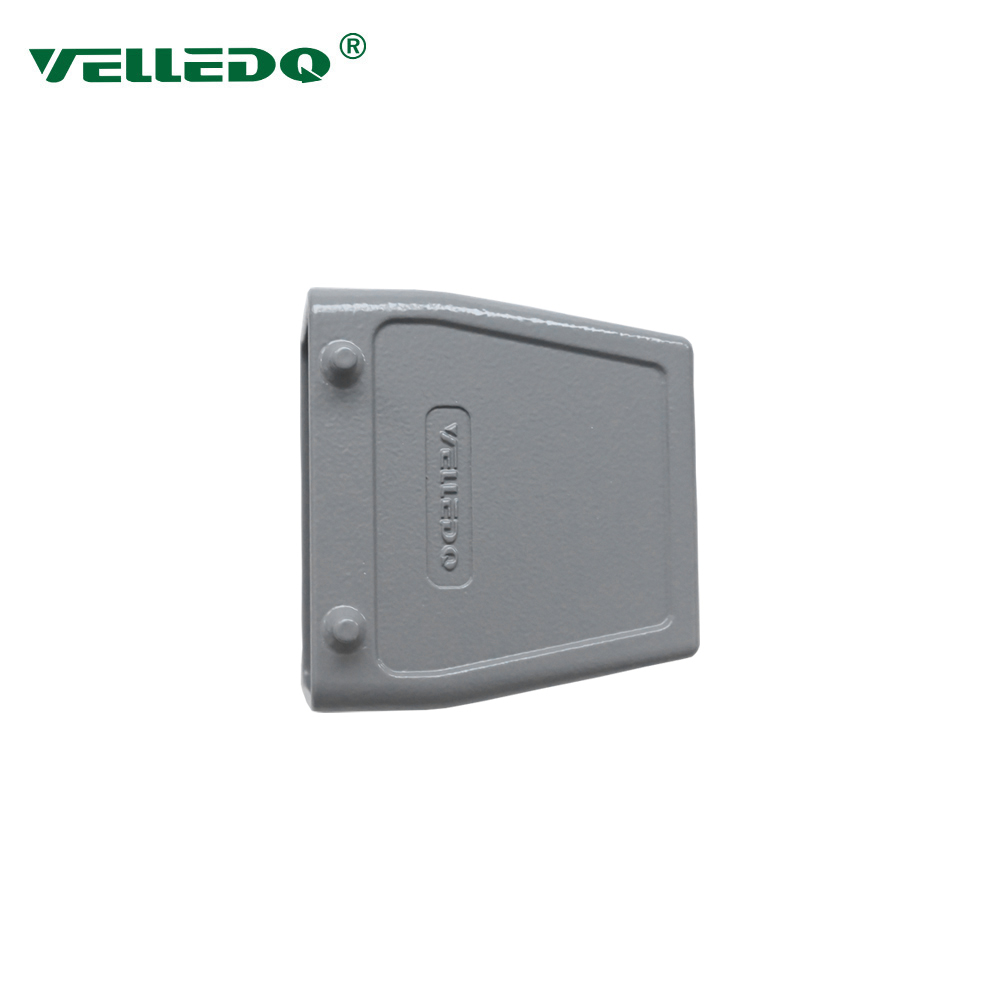
Significant benefits result from the use of square electrical plug in wireless communication base stations.
Connections to Antennas: Antennas are the primary means of signal transmission. Antennas are kept firmly linked to the base station by square electrical plug, ensuring signal quality and coverage.
Interconnections of RF Equipment: For RF components to give the best signal strength, precise connections are needed. Square electrical plug provide the stability required for reliable RF performance.
Power distribution: For base station operation to continue without interruption, reliable power distribution is necessary. Strong connections make it possible for electricity to be distributed throughout the station in an effective manner.
Upgrades that are modular are necessary as wireless technologies advance to make room for new parts. The integration of new equipment is made simpler by the modular design of square electrical plug.
Driving innovation and connectivity
The way we connect, interact, and do business has changed as a result of the development of wireless communication base stations and square electrical plug. This connection has an influence that goes well beyond our own gadgets; it provides the foundation for breakthroughs like smart cities, driverless cars, remote healthcare, and many more.
These technologies are more important now that 5G networks are being actively deployed. Unprecedented data rates, very low latency, and the capacity to connect several devices at once are all promised benefits of 5G. Square electrical plug will keep being essential in allowing the infrastructure required to fully use 5G’s promise.
Problems and Prospects for the Future
Some difficulties and potential outcomes become more apparent as wireless communication develops:
1. Complex infrastructure: As base stations utilise several frequency bands and cutting-edge technology, they are growing more complex with 5G and beyond. Maintaining the performance and dependability of square electrical plug in these intricate arrangements is the difficulty.
2. Energy Efficiency: As base stations proliferate, energy-efficient solutions are required. To maintain sustainability, connectors will need to strike a balance between toughness and energy efficiency.
3. Miniaturisation: As technology advances, miniaturisation is being pursued. The robustness and dependability of connectors must be maintained as they adapt to these evolving form factors.
4. Edge Computing: To analyse data closer to the source, base stations are progressively being given edge computing capabilities. The connections necessary for effective edge processing will be made possible through connectors.
Future Prospects: Developments and Obstacles
The convergence of wireless communication base stations and square electrical plug will undoubtedly continue to fuel innovation and define our linked world as we look out towards the horizon of technological development. Let’s examine some prospective improvements and impending difficulties.

Base station improvements for wireless communication
1. Beyond 5G: Although 5G is already revolutionising connection, scientists and engineers are looking at what follows beyond that. With even faster data speeds, very low latency, and cutting-edge technology like holographic communication, the idea of “6G” is starting to take form. Plugs that can manage enormous data rates and sustain connections will be necessary to keep up with this progress.
2. Distributed Antenna Systems (DAS): Conventional base stations can find it challenging to offer consistent coverage as metropolitan areas grow more densely populated. Complex connection solutions will be needed for distributed antenna systems, which entail placing several tiny antennas around a region. The establishment of reliable connections between these dispersed components will be largely dependent on square electrical plug.
3. Energy Harvesting: The IT industry is becoming more concerned with sustainability. Base stations of the future may include energy-harvesting technology that tap into renewable energy sources like solar and wind. The smooth integration of these power sources into the communication infrastructure may be facilitated by square electrical plug.
Threats to the Future
1. compatibility: As technology develops, maintaining compatibility across various wireless communication technologies and connections of different generations becomes difficult. In order to guarantee smooth connection, standardisation initiatives will be necessary.
2. Evolving Infrastructure: Upgrading or replacing current infrastructure is often necessary when
switching to modern wireless technologies. Maintaining compatibility and dependability when retrofitting new connections into ageing base stations is difficult.
3. Data Security: Data security is crucial given the increasing dependence on wireless connectivity for vital applications like autonomous cars and healthcare. It will be essential to protect connections between components using secure connectors to avert breaches.
4. Adherence to regulatory standards and guidelines is often necessary for the deployment of wireless base stations. In order to guarantee secure and legal operations, connectors must adhere to these requirements.
Conclusion
The history of square electrical plug and wireless communication base stations is a tribute to human ingenuity and our unrelenting need for connectedness. These technologies have made it possible for development on an unprecedented scale, from the first radio broadcasts through the arrival of 5G and beyond. They have changed industries, linked communities, and empowered people.
Looking forward, the path is brimming with fascinating possibilities, from the integration of connection in previously unthinkable places to the realisation of sophisticated wireless networks. Square electrical plug will continue to be at the vanguard of this shift because they provide the stability, toughness, and dependability required to support information flow in a world that is becoming more interconnected.
It’s crucial to keep in mind that, even while the individual parts are important, it’s the people working behind the scenes that make these discoveries possible as we continue to push the boundaries of technology. Working together, engineers, scientists, and visionaries make possibilities a reality. In addition to technology, the future of wireless communication base stations and square electrical plug is about the connections they allow and the limitless possibilities they open up for humanity’s advancement as a whole.