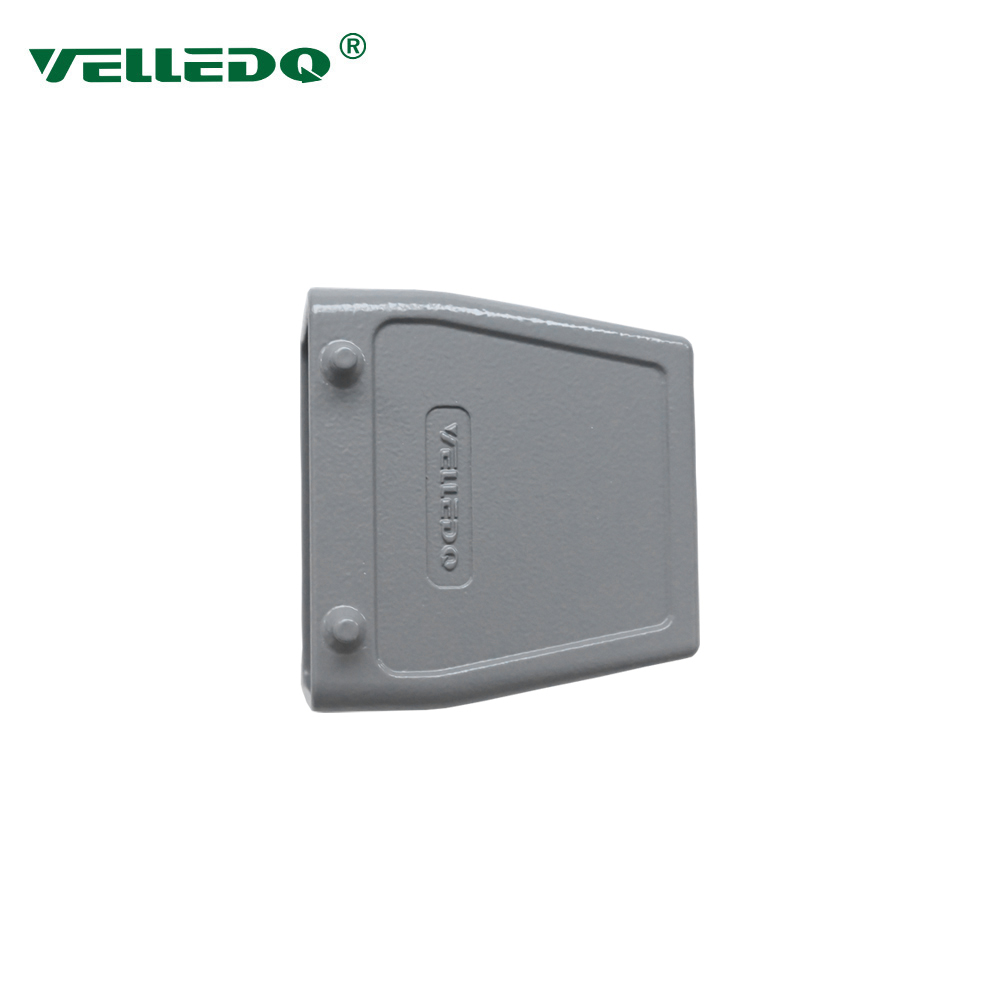
Over time, the industrial environment has changed dramatically due to technology breakthroughs that have restructured industries and transformed production techniques. The use of cutting-edge manufacturing machinery has emerged as a pillar of development in this age of automation, accuracy, and efficiency. The incorporation of square metal connectors, which are essential to guaranteeing smooth operations, increased safety, and increased overall efficiency, is at the core of this transition.
The Development of Manufacturing Technology
The manufacturing industry has seen a tremendous transformation from the early days of manual labor to today’s high-tech industries. The days of labor-intensive operations that only required human effort are long gone. Modern manufacturing equipment consists of several different pieces of machinery, robots, and automation that all work together to speed up production, lower mistake rates, and satisfy the needs of a competitive global market.
Depending on the sector, volume of output, and difficulty of the duties, different kinds of manufacturing equipment may be classed. These groups consist of:
Equipment used to automate the assembly process, in which parts are put together to generate a finished product, is called assembly line equipment. This comprises robotic arms, conveyors, and equipment used for precise positioning.
Processing equipment is the machinery used in the operations of cutting, shaping, molding, and forming to turn raw materials into finished goods. Examples include metal manufacturing tools, injection molding machinery, and CNC machines.
Equipment for packing items for distribution, including labeling, sealing, and packaging. Filling devices, labeling devices, and packing robots all fall under this category.
Tools and gadgets used for inspecting and ensuring the quality of goods, spotting flaws and departures from requirements. Systems for measuring include sensors, cameras, and cameras.
Equipment used to handle and transport goods within a manufacturing plant is known as “material handling equipment.” This covers conveyor systems, automated guided vehicles (AGVs), and forklifts.
Case Study: CNC Machining with Square Metal Connectors

Let’s have a look at how Square Metal Connectors are used in CNC machining equipment to demonstrate their revolutionary impact:
A common manufacturing procedure known as CNC machining uses computer-controlled machines to produce complex, accurate pieces out of a variety of materials. Square metal connectors are important in a number of ways in a CNC machining system, including:
Motor Control: To move cutting tools precisely, CNC machines depend on precise motor control. Precision material cutting and shaping is made possible by the use of industrial connections to provide flawless communication between the control systems and the motors.
Data communication: For real-time monitoring and machining parameter modification, high-speed data communication is essential. Square metal connectors make it easier for data to be sent between sensors, actuators, and the main computer, enabling operators to monitor and improve machining operations.
Safety is of the utmost importance while using CNC machining. Emergency stop systems use industrial connections to guarantee fast power cutoff in the event of a malfunction or safety violation.
Automatic tool changing systems are often needed for CNC machines. By enabling rapid and dependable communication between the machine and the tool changer, industrial connections reduce tool change times and increase production.
Systems for cooling and lubricating are required because CNC machining produces heat and friction.
The management of these systems is made easier by industrial connections, guaranteeing ideal cooling and increasing tool life.
Challenges and Things to Think About
Square metal connectors provide a lot of benefits, but there are a few issues that manufacturers need to take into account when integrating them into production machinery:
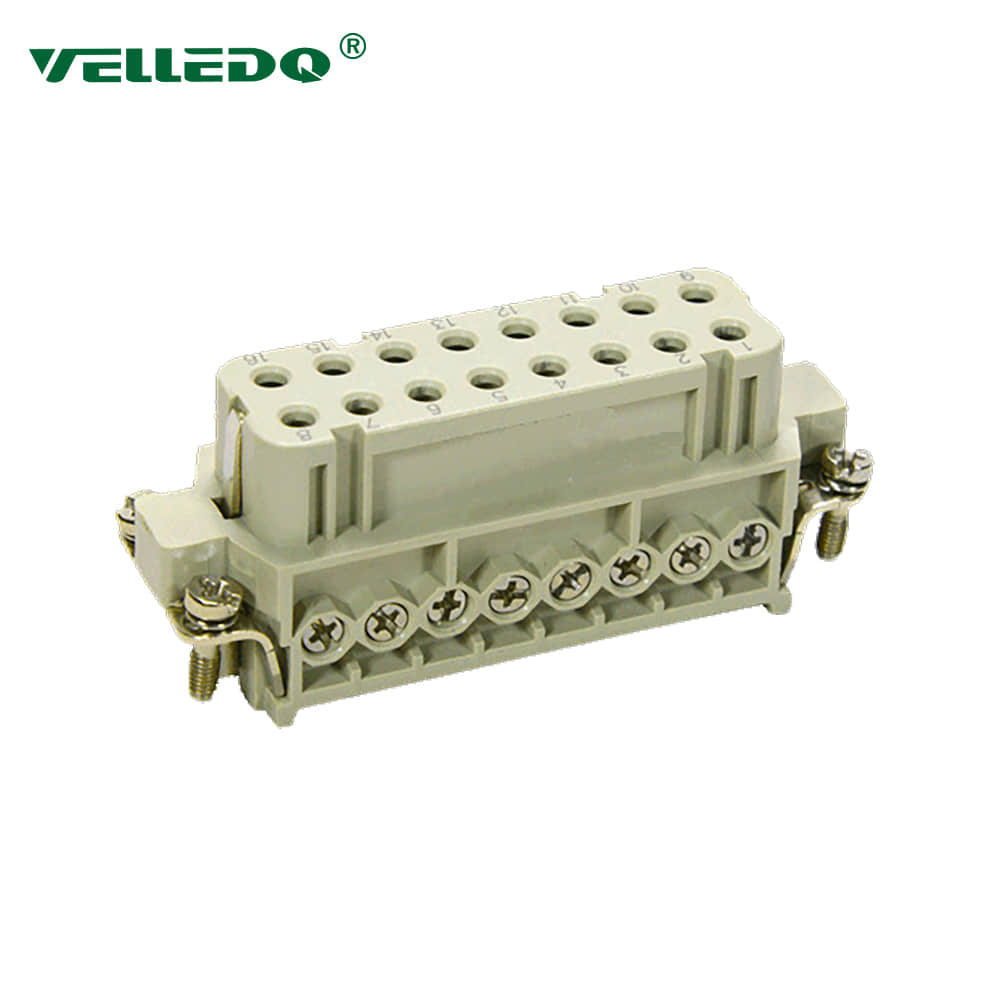
Selecting the correct square metal connectors: It’s important to choose an square metal connectors that is compatible with the equipment’s voltage, current, and communication requirements. Manufacturers must carefully assess the unique requirements of their equipment and choose connections that meet those demands.
Environmental Factors: Dust, dampness, chemicals, and severe temperatures may all be present in manufacturing conditions, which can be quite harsh. According to their IP (Ingress Protection) ratings, industrial connectors must be chosen to ensure that they can survive the environmental demands of the particular manufacturing process.
Industrial connections are renowned for their endurance, but regular maintenance is necessary to stop wear and tear. Over time, dust, moisture, and debris may gather and impair the functioning of the connections. To maintain optimum performance, a regular maintenance program must be put in place.
Safety requirements: Manufacturing machinery often uses closeness to people at work. In order to avoid electrical risks and guarantee worker safety, square metal connectors must abide by safety standards and laws.
Integration with Legacy Systems: In addition to new technology, many production plants still use outdated equipment. To guarantee seamless connection and operation, it may be necessary to make modifications or adapters for the integration of industrial connectors with older systems.
Cost factors: Square metal connectors might have a significant initial outlay. Manufacturers must balance the initial expenditures with the long-term advantages in production, efficiency, and decreased downtime.

Future Innovations and Trends
The market for square metal connectors is positioned for more innovation as technology develops. Future trends and developments include things like:
Miniaturization and Space Efficiency: The development of smaller, more space-efficient connections that can support high power and data transmission in a compact form factor is being driven by the trend toward smaller, more compact manufacturing equipment.
Smart Connectors: As the Internet of Things (IoT) has grown, smart connectors have been created that not only transport power and data but also capture and communicate critical information on the performance and upkeep of a piece of equipment to centralized systems for predictive maintenance and optimization.
Rapid Connection Technologies: Equipment setup and changeover times are crucial in production operations that must be completed quickly. Technologies for rapid connections, which allow for speedy and secure connections between components, are becoming more popular.
Wireless Connectivity: As wireless technology develops, there is increasing interest in wireless connections that do not need physical cords, which reduces clutter and gives equipment layout more freedom.
Energy Harvesting: Energy harvesting refers to the idea of obtaining and using energy from the environment to power gadgets. Future connections may have energy-harvesting components to power communication and sensor devices without only using external power sources.
Conclusion: Creating Manufacturing’s Future
The incorporation of square metal connectors into production machinery is a crucial development in the never-ending quest for accuracy, efficiency, and technical innovation. These connections have continuously made the machines that form our world possible, from the invention of assembly lines to the current era of automation and smart manufacturing.
Square metal connectors and manufacturing equipment are likely to have a tighter association in the future. Future factories will have adaptable technology, real-time monitoring, and sustainable procedures. The connectors that support these systems will develop to meet the needs of the Industry 4.0 era, enabling the interchange of data necessary for making well-informed decisions while effortlessly linking numerous components.
Square metal connectors must be understood by manufacturers as more than simply parts; they are also catalysts for advancement. These connectors are the lifelines that power efficiency, quality, and safety in even the biggest industrial facilities and most complex production lines. Connectors’ inventive spirit will help push the limits of what manufacturing machinery is capable of as industries continue to develop.
In essence, the development of manufacturing technology is a monument to our ingenuity and our ability to convert simple materials into complex, superior goods. And at the center of every manufacturing masterpiece is a square metal connectors that discreetly promotes safety, ensures accuracy, and moves us closer to a day when manufacturing’s potential is only limited by our imagination.