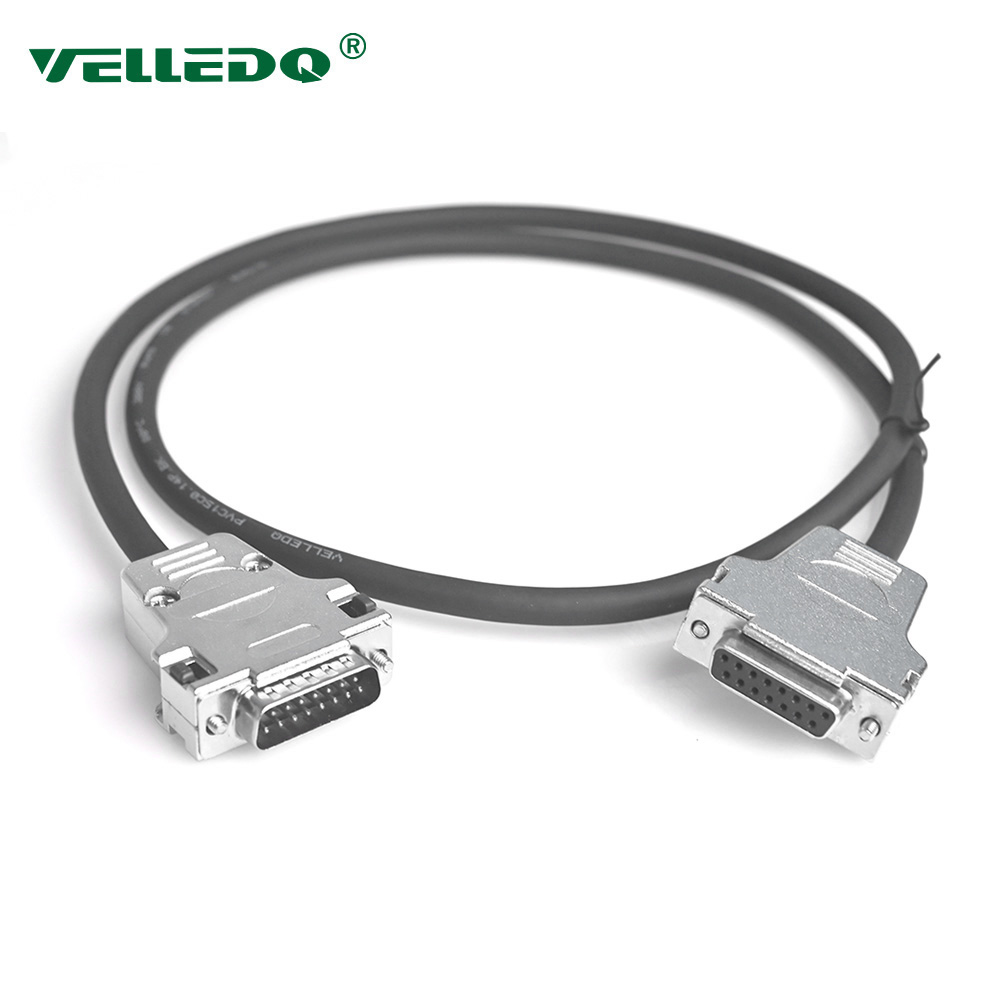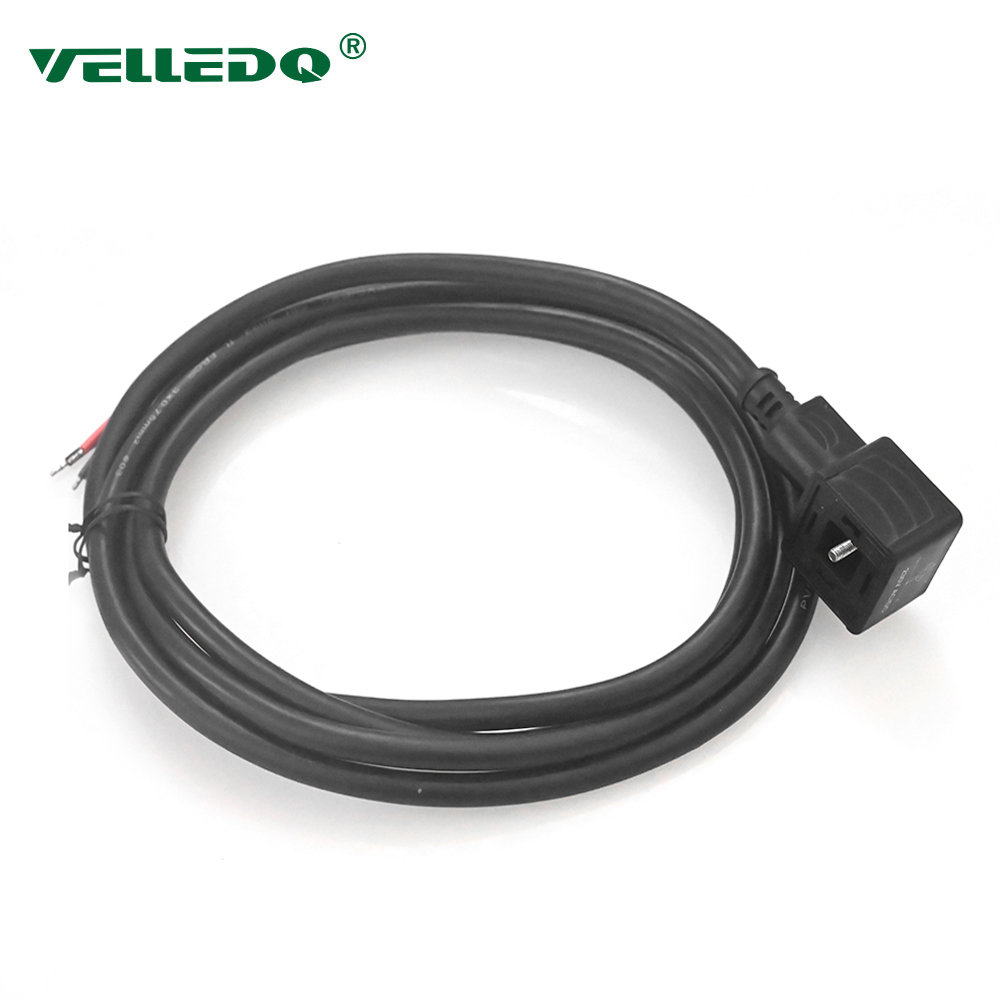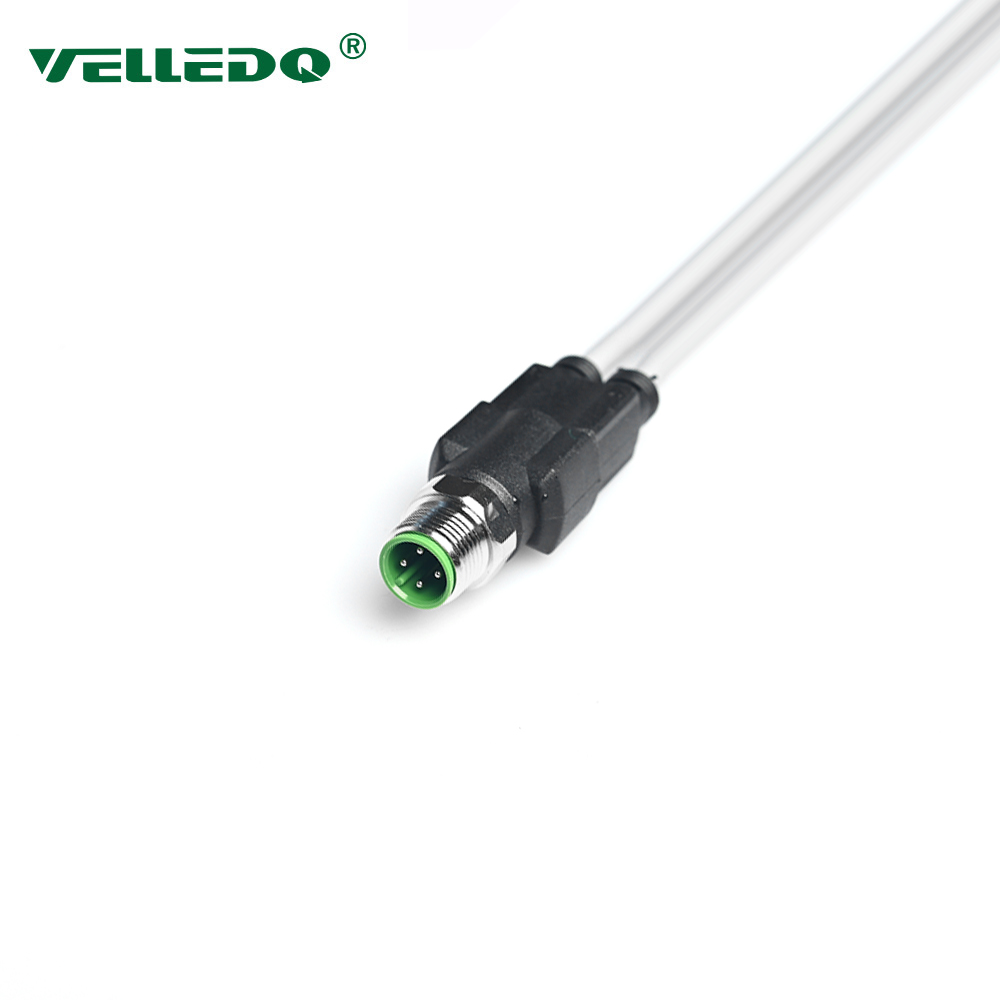


As the world continues to shift towards sustainable energy sources, wind power generation has emerged as a leading renewable energy technology. Harnessing the power of the wind to generate electricity is not only clean and environmentally friendly but also offers significant potential in meeting the growing global energy demand. In the field of wind power generation, the specific application of Y connector cable plays a vital role in enabling efficient and reliable connections between wind turbines and their control systems.
Wind power generation involves converting the kinetic energy of wind into electrical energy using wind turbines. These turbines consist of large rotor blades that capture the wind’s energy and convert it into rotational motion. This rotational motion is then used to drive an electrical generator, producing clean and renewable electricity. Wind power generation offers several advantages, including zero greenhouse gas emissions, abundant resource availability, and long-term cost-effectiveness. It has gained significant momentum globally and has become a vital component of the renewable energy mix.
Efficient control systems are crucial in optimizing the performance and output of wind turbines. Control systems monitor various parameters such as wind speed, direction, and turbine condition to ensure safe and optimal operation. They enable the turbines to adjust their blade pitch angle and yaw orientation to maximize energy capture and minimize structural stress. These control systems rely on accurate and reliable data transmission between the wind turbine components, which necessitates robust and high-quality cable connections.
The specific application of Y connector cable in the pitch control system of wind power generation is of paramount importance. The pitch control system plays a crucial role in optimizing the aerodynamic efficiency of wind turbines by adjusting the angle of the rotor blades in response to varying wind conditions. Y connector cable facilitates the seamless connection between the pitch control sensors and the control unit, enabling precise and responsive blade adjustments for maximum energy capture.
One of the key advantages of Y connector cable in pitch control systems is its enhanced reliability. Wind turbines are exposed to harsh environmental conditions, including high winds, extreme temperatures, and constant vibrations. The robust design of the Y connector cable ensures reliable connections, minimizing the risk of signal interference, data loss, or system downtime. This reliability is crucial for the efficient operation of the pitch control system, as any interruption or delay in data transmission could lead to suboptimal blade positioning and reduced energy production.
Additionally, Yconnector cable simplifies the installation process of the pitch control system. By reducing the number of individual cables required, it streamlines the overall installation time and effort. The Y-shaped configuration allows for multiple connections from a single cable, eliminating the need for separate cables for each sensor. This simplified installation not only saves time and resources but also helps maintain a neat and organized system layout.
Flexibility and scalability are other notable advantages of Y connector cable in pitch control systems. With the ability to branch out into multiple connectors, the Y connector cable offers flexibility in accommodating various pitch control sensors. It allows for easy integration of additional sensors or components, facilitating future upgrades or modifications to the system. This scalability ensures that the pitch control system can adapt to changing requirements and advancements in wind power technology.
Furthermore, the compact size of Y connector cable optimizes the utilization of limited space within the wind turbine structure. Its streamlined design helps minimize cable clutter and allows for efficient cable routing. This space optimization is particularly important in wind turbines, where space constraints are a significant consideration. The compact and organized layout facilitated by Y connector cable contributes to the overall efficiency and functionality of the pitch control system.
The specific application of Y connector cable in the pitch control system of wind power generation brings numerous benefits. Its enhanced reliability, simplified installation, flexibility, and space optimization contribute to the efficient and effective operation of the pitch control system. As wind power continues to play a vital role in the global energy transition, the utilization of Y connector cable in pitch control systems will remain instrumental in maximizing energy capture and optimizing the performance of wind turbines.
The specific application of Y connector cable in data transmission within wind power generation is of paramount importance for the efficient and reliable operation of wind turbines. In wind power generation, data transmission plays a crucial role in monitoring and controlling various aspects of turbine performance, including wind speed, rotor speed, temperature, and other critical parameters. Y connector cable enables seamless communication between sensors, control systems, and data acquisition units, ensuring accurate and real-time data transmission.
One of the key advantages of Y connector cable in data transmission is its enhanced reliability. Wind turbines operate in harsh environmental conditions, including high winds, extreme temperatures, and constant vibrations. The robust design of the Y connector cable ensures reliable connections, minimizing the risk of signal interference, data loss, or system downtime. This reliability is crucial for the continuous and accurate transmission of data, enabling precise monitoring and control of wind turbine operations.
Additionally, the Y connector cable simplifies the installation process of the data transmission system. With its Y-shaped configuration, it reduces the number of individual cables required, streamlining the overall installation time and effort. The multiple connections from a single cable eliminate the need for separate cables for each sensor or data acquisition unit, resulting in a more organized and efficient system layout. This simplified installation process not only saves time and resources but also reduces the potential for cable clutter and improves the accessibility of the system for maintenance.
Flexibility is another notable advantage of Y connector cable in data transmission. Its design allows for easy integration of additional sensors or components as the wind turbine system evolves or expands. This scalability ensures that the data transmission system can adapt to changing requirements and advancements in wind power technology. It provides the flexibility to upgrade or modify the system without significant disruptions or the need for extensive rewiring, resulting in cost and time savings.
Moreover, the compact size of Y connector cable optimizes the utilization of limited space within the wind turbine structure. Its small form factor allows for efficient cable routing and helps minimize cable clutter. This space optimization is particularly crucial in wind turbines where space is at a premium. The streamlined layout facilitated by Y connector cable not only saves space but also enhances the overall efficiency and accessibility of the data transmission system.
The specific application of Y connector cable in data transmission within wind power generation is essential for reliable and efficient communication between sensors, control systems, and data acquisition units. Its enhanced reliability, simplified installation, flexibility, and space optimization contribute to the overall performance and effectiveness of the data transmission system. As wind power continues to expand globally, the utilization of Y connector cable in data transmission will remain crucial in ensuring accurate monitoring, control, and optimization of wind turbine operations.
Wind power generation holds immense potential in meeting the world’s energy demands sustainably. The specific application of Y connector cable in wind power generation plays a crucial role in ensuring reliable and efficient data transmission within wind turbines and their control systems. The advantages of Y connector cable, including enhanced reliability, simplified installation, flexibility, and durability, contribute to the overall performance and effectiveness of wind power systems. As the world continues to transition to clean energy sources, the utilization of Y connector cable will remain instrumental in optimizing the efficiency and productivity of wind power generation.