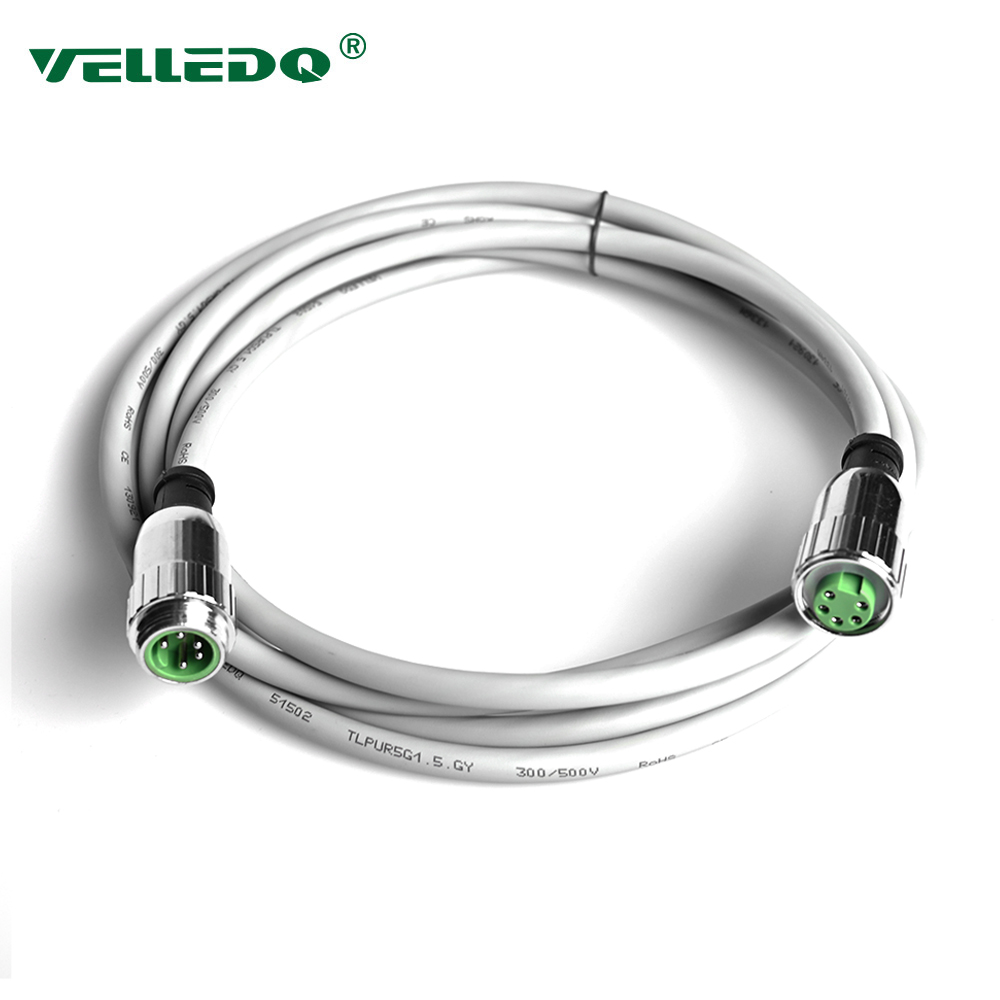
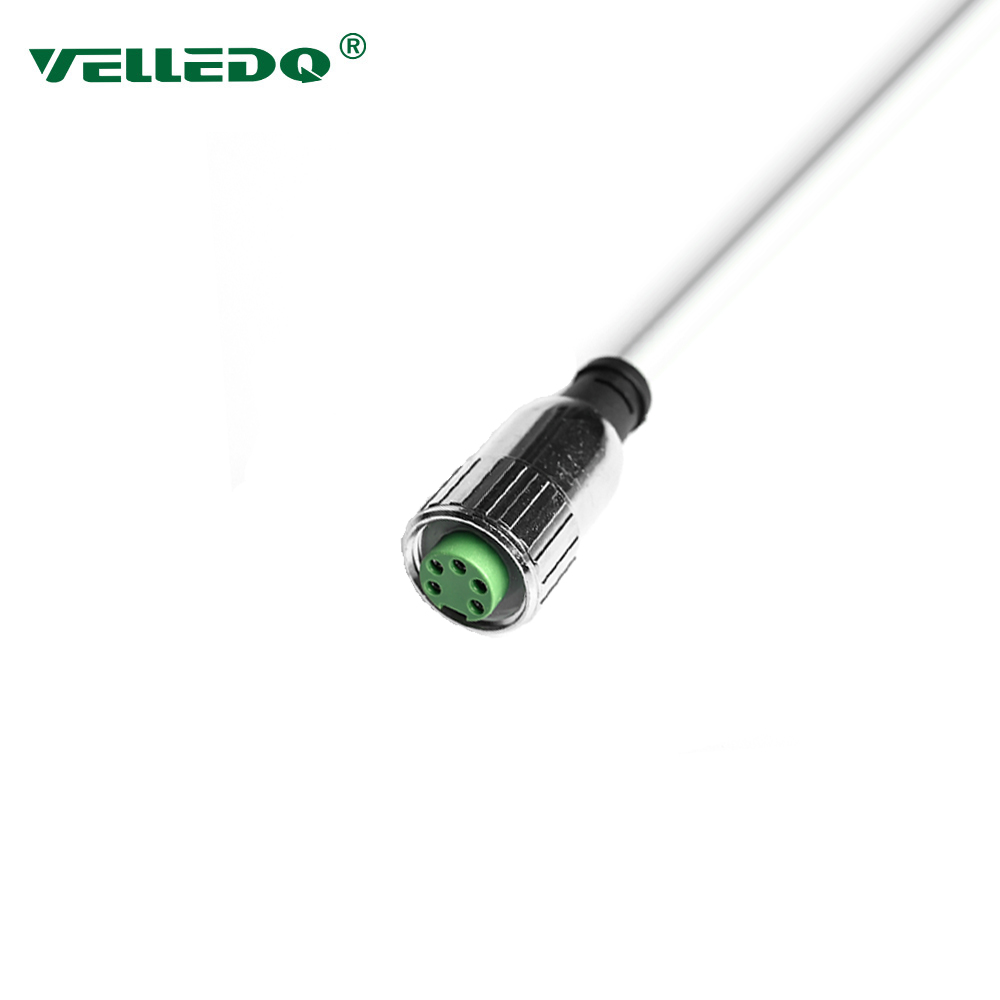
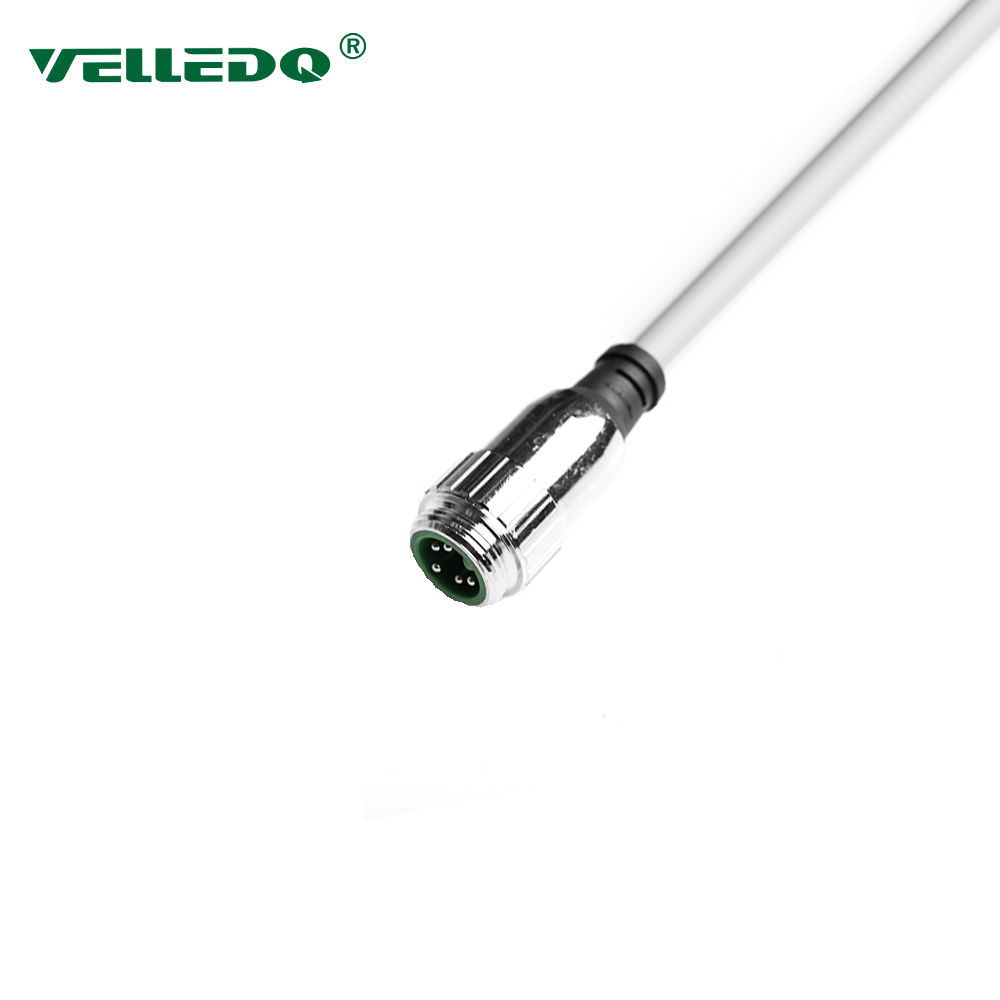
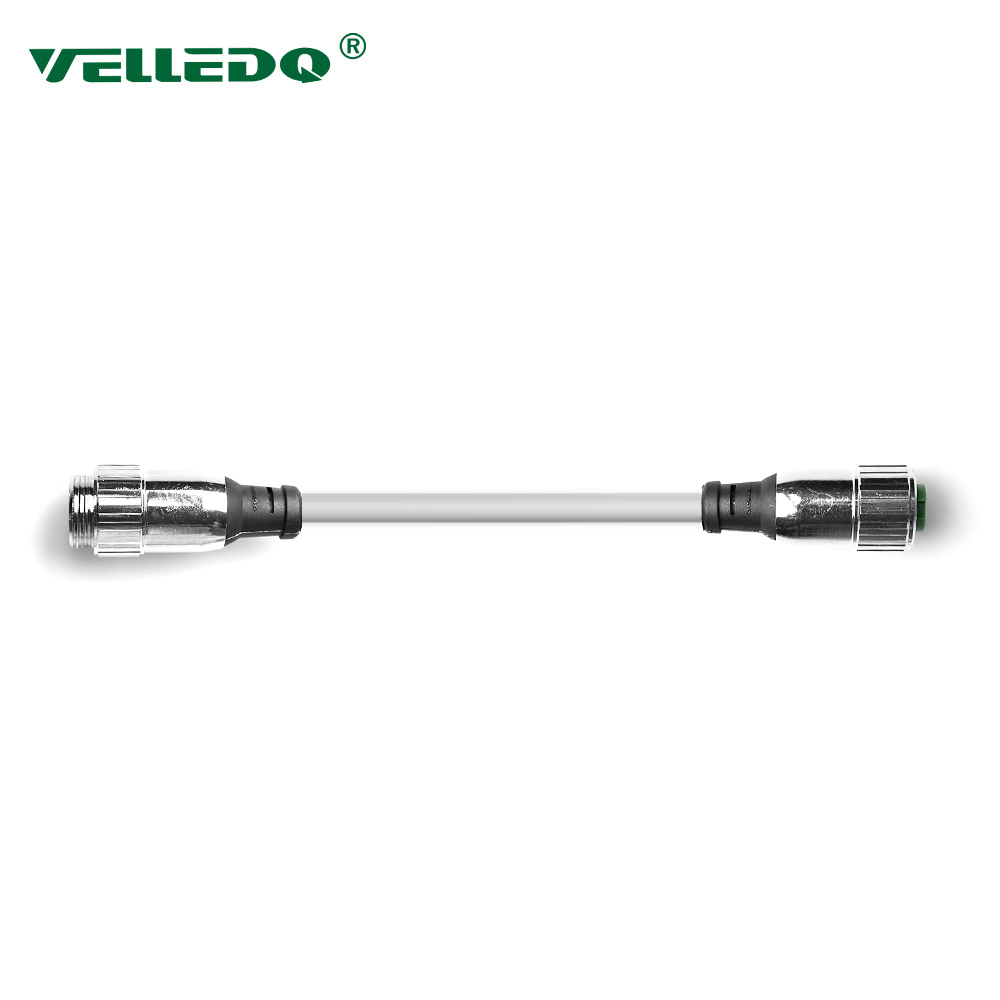
Test and measurement equipment is the backbone of modern industries, ensuring the quality, reliability, and safety of products and processes. From electronics and telecommunications to aerospace and automotive sectors, the demand for precise and efficient testing has grown exponentially. With its exceptional electrical properties, durability, and versatility, 7/8 male to 7/8 female cable plays a pivotal role in facilitating accurate data acquisition and seamless signal transmission, revolutionizing the test and measurement process across diverse industries.
1. The Importance of Test and Measurement Equipment
Test and measurement equipment encompasses a wide range of tools and devices used to assess various parameters, performance, and characteristics of products and systems. This equipment plays a crucial role in research, development, production, and maintenance processes, allowing engineers and technicians to validate designs, troubleshoot issues, and ensure compliance with industry standards. Accurate and reliable testing is vital in guaranteeing product quality, improving efficiency, and minimizing risks, ultimately enhancing customer satisfaction and driving innovation.
2. Key Components of Test and Measurement Equipment
2.1 Oscilloscopes: Oscilloscopes are essential tools for capturing and displaying electronic waveforms, enabling engineers to analyze signals, detect anomalies, and troubleshoot electrical circuits and devices.
2.2 Multimeters: Multimeters measure voltage, current, and resistance, making them versatile instruments for general-purpose electrical testing and troubleshooting.
2.3 Spectrum Analyzers: Spectrum analyzers are used to measure and analyze frequency components in electrical signals, crucial in telecommunications and radio frequency applications.
2.4 Signal Generators: Signal generators produce precise electrical waveforms used for testing and calibrating electronic equipment, ensuring accuracy and repeatability in measurements.
2.5 Power Analyzers: Power analyzers assess power quality, energy consumption, and efficiency in electrical systems, providing valuable insights for optimizing energy usage.
2.6 Network Analyzers: Network analyzers are specialized tools used in the characterization and testing of complex RF and microwave components and systems.
3.Specific Applications of 7/8 male to 7/8 female cable in Test and Measurement Equipment
3.1 The specific application of 7/8 male to 7/8 female cable in network analysis is of paramount importance for characterizing and testing complex RF and microwave systems and components. Network analyzers are essential tools in the realm of test and measurement equipment, allowing engineers and researchers to evaluate the performance and behavior of a wide range of devices, such as filters, amplifiers, antennas, and transmission lines. In network analysis, precise measurement of reflection and transmission properties is critical for understanding the behavior of these components and optimizing their performance. The 7/8 male to 7/8 female cable plays a pivotal role in ensuring accurate data acquisition and reliable signal transmission, making it an indispensable component in the process of network analysis.
One key advantage of using 7/8 male to 7/8 female cable in network analysis is its exceptional electrical properties, particularly in high-frequency applications. As network analyzers operate across a broad range of frequencies, from RF to microwave, the cable’s wide frequency range ensures seamless integration into different testing scenarios. Its ability to handle high-frequency signals without significant loss or distortion makes it ideal for capturing precise measurements of reflection coefficients (S11) and transmission coefficients (S21) in RF and microwave circuits.
The low attenuation characteristics of the 7/8 male to 7/8 female cable are essential for maintaining signal integrity during data transmission. When performing network analysis, it is crucial to capture accurate and reliable measurements to understand the impedance matching, gain, and loss characteristics of the components under test (CUT).
The low-loss properties of the cable minimize signal attenuation, preserving the fidelity of the signals being transmitted between the DUT and the network analyzer.
Moreover, the robust shielding of the7/8 male to 7/8 female cable is critical in network analysis to protect sensitive signals from external electromagnetic interference. In laboratory and testing environments, various electronic devices and electromagnetic sources can introduce unwanted noise that may corrupt measurement data. The cable’s shielding minimizes the impact of external interference, ensuring that the measurements obtained are free from noise and reflect the true behavior of the components being tested.
In complex network analysis, accuracy and repeatability are paramount for effective decision-making and device optimization. The 7/8 male to 7/8 female cable’s reliable signal transmission capabilities contribute to repeatable and consistent measurements, enabling engineers and researchers to confidently characterize the performance of various components and make data-driven design decisions.
The ease of use and versatility of 7/8 male to 7/8 female cable are also advantageous in network analysis. The standardized connectors and mating interfaces simplify the setup process and allow for quick and reliable connections between the DUT and the network analyzer. This flexibility streamlines testing procedures, reducing setup time and increasing productivity in the laboratory or production environment.