

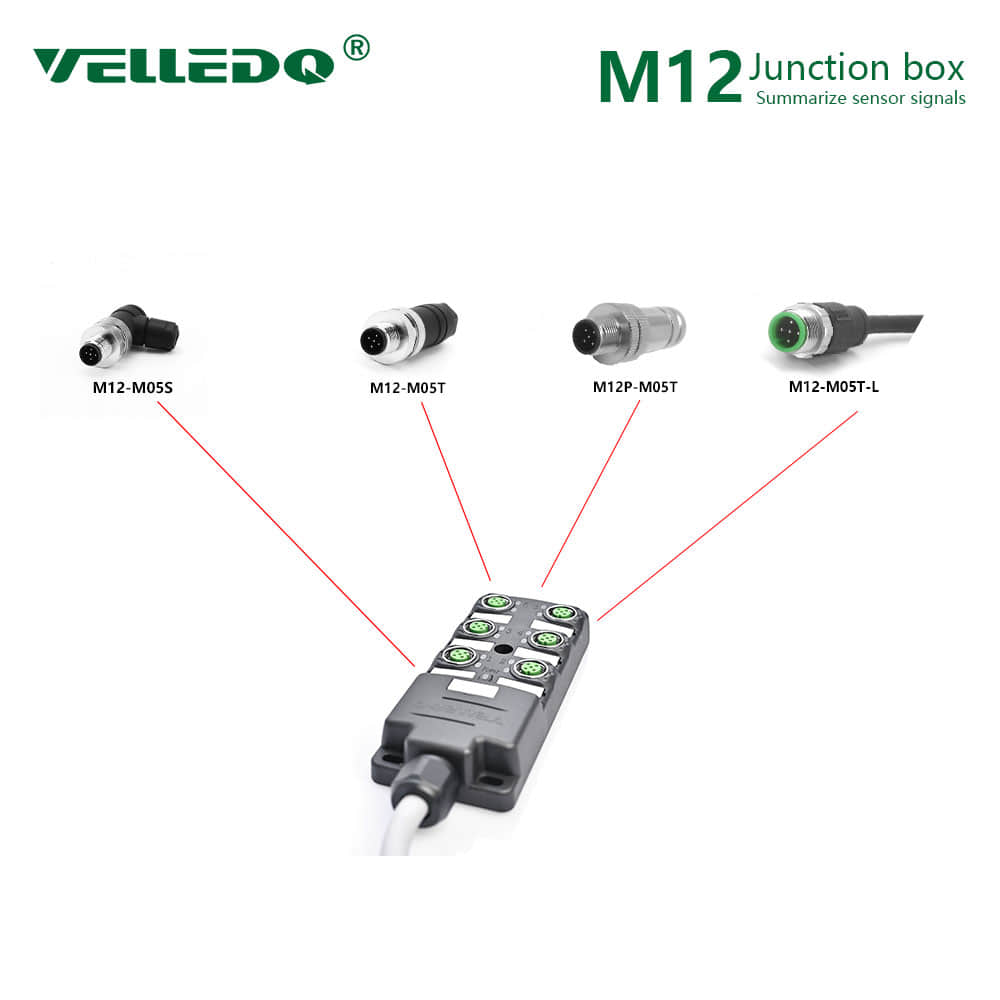
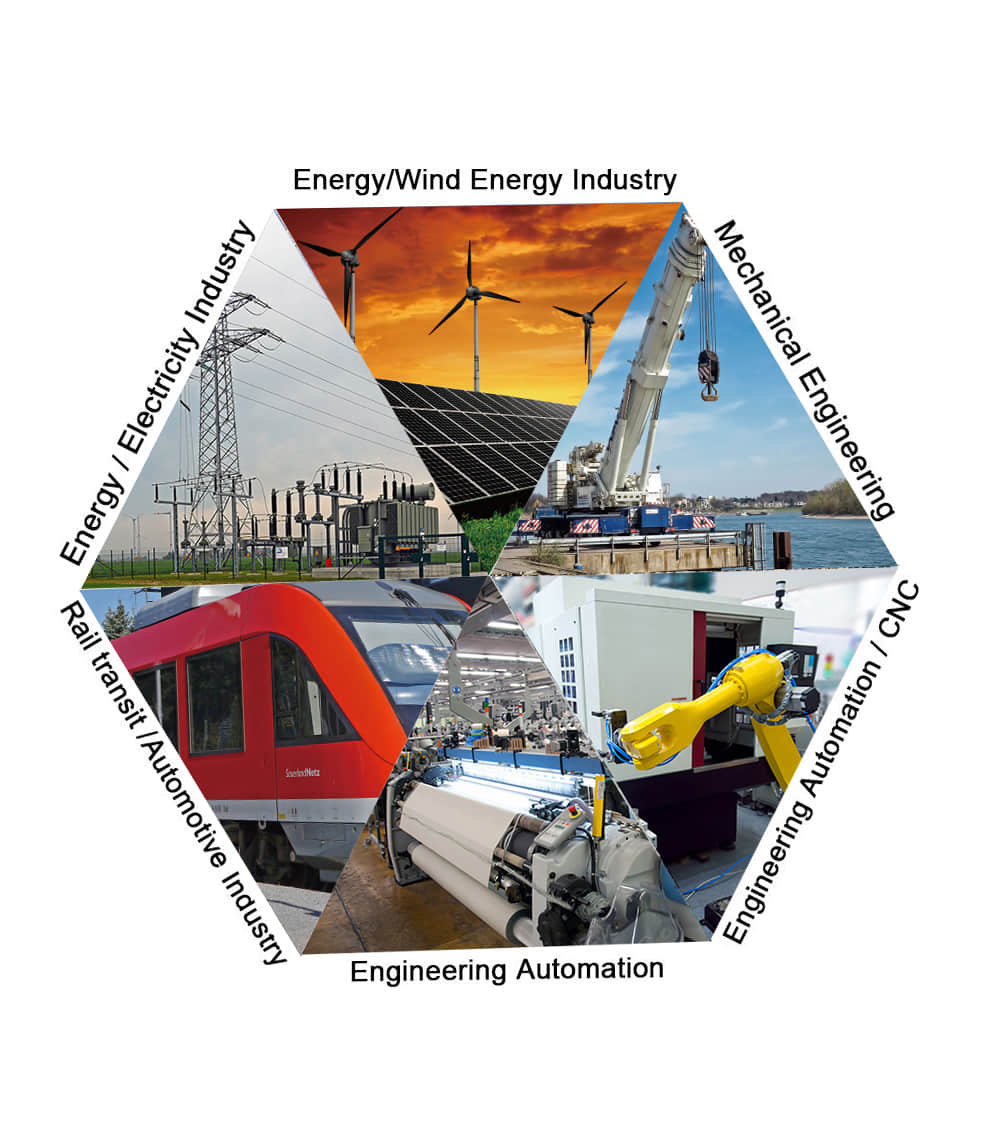
The Logistics industry plays a vital role as the backbone of global trade, ensuring the seamless movement of goods and materials across vast distances and diverse supply chains. In an era of unprecedented growth and evolution, the need for efficient and reliable infrastructure becomes increasingly paramount. Among the many components that contribute to the smooth operation of logistics systems, Junction Boxes assume a multifaceted and indispensable role. These versatile enclosures not only facilitate effective electrical connections but also offer a wide range of advantages that enable logistics to meet the complex demands of modern supply chains.
The Current State of Logistics:
Logistics has witnessed remarkable growth in recent years, driven by powerful forces such as globalization, the rapid expansion of e-commerce, and groundbreaking advancements in transportation and communication technologies. The rise of online shopping has fueled a surge in global trade, resulting in increasingly complex supply chains that span the globe. In this interconnected and globalized landscape, logistics companies face the multifaceted challenge of managing diverse operations, optimizing workflows, and ensuring seamless coordination across multiple stakeholders.
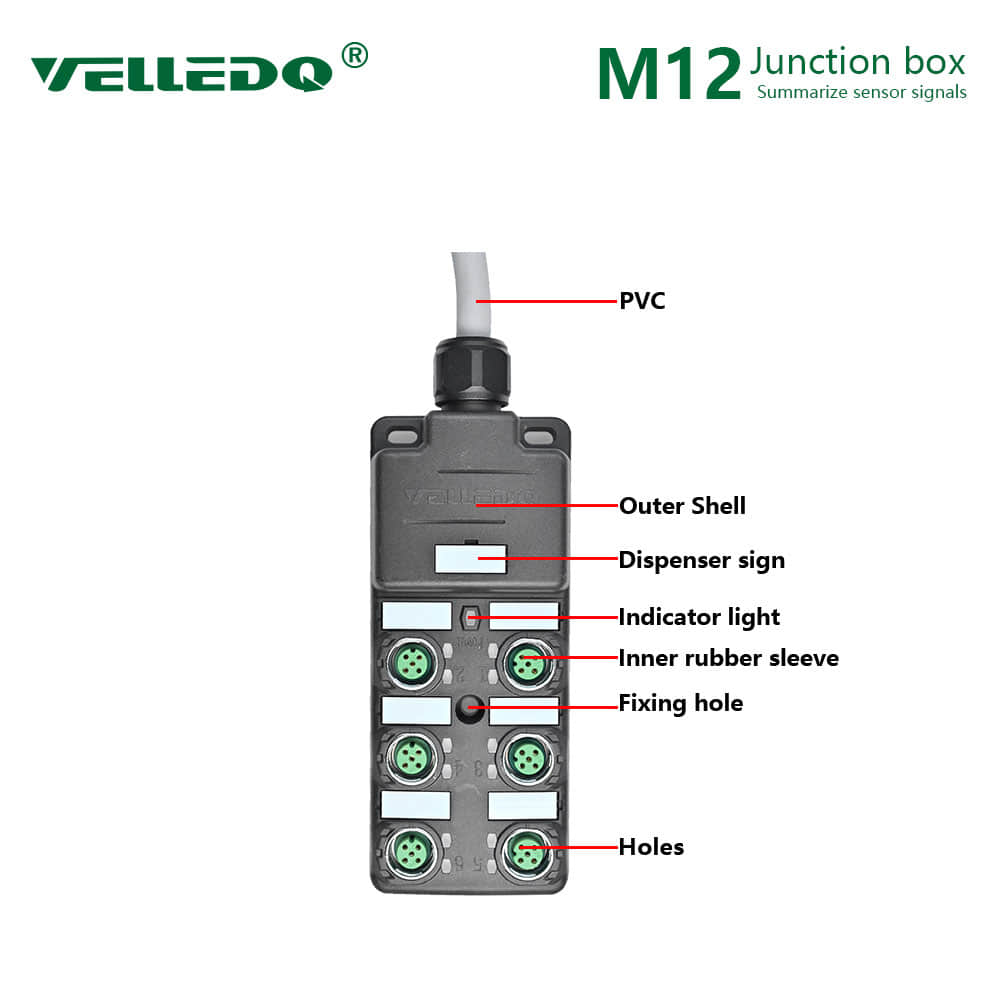
At the heart of logistics operations, electrical connections serve as the lifeblood that powers critical components such as conveyor belts, sorting machines, automated storage and retrieval systems, monitoring devices, and a myriad of other essential elements. These components rely on efficient and reliable electrical connectors to function seamlessly and ensure the smooth flow of goods and materials within logistics facilities. Within this intricate ecosystem, Junction Boxes assume a pivotal role by establishing and maintaining these connectors, enabling the uninterrupted flow of power and data.
Advantages of Junction Boxes in Logistics:
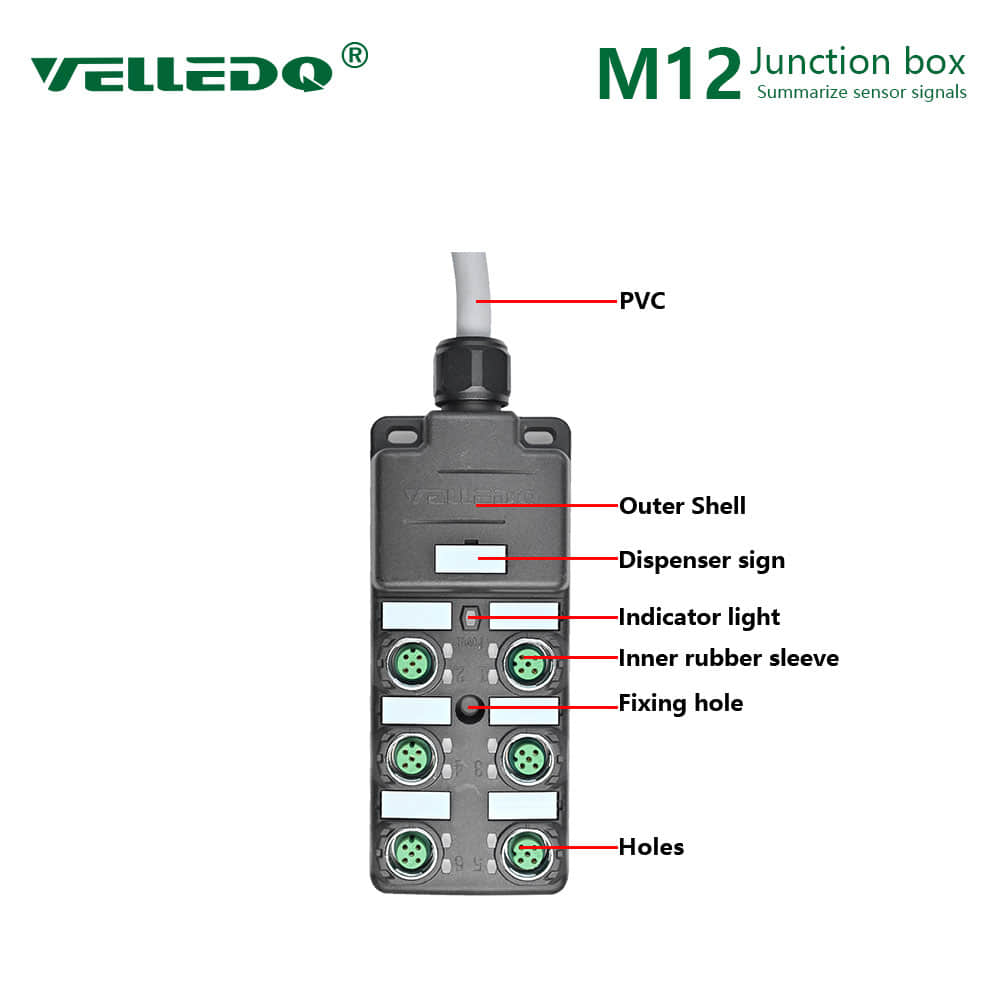
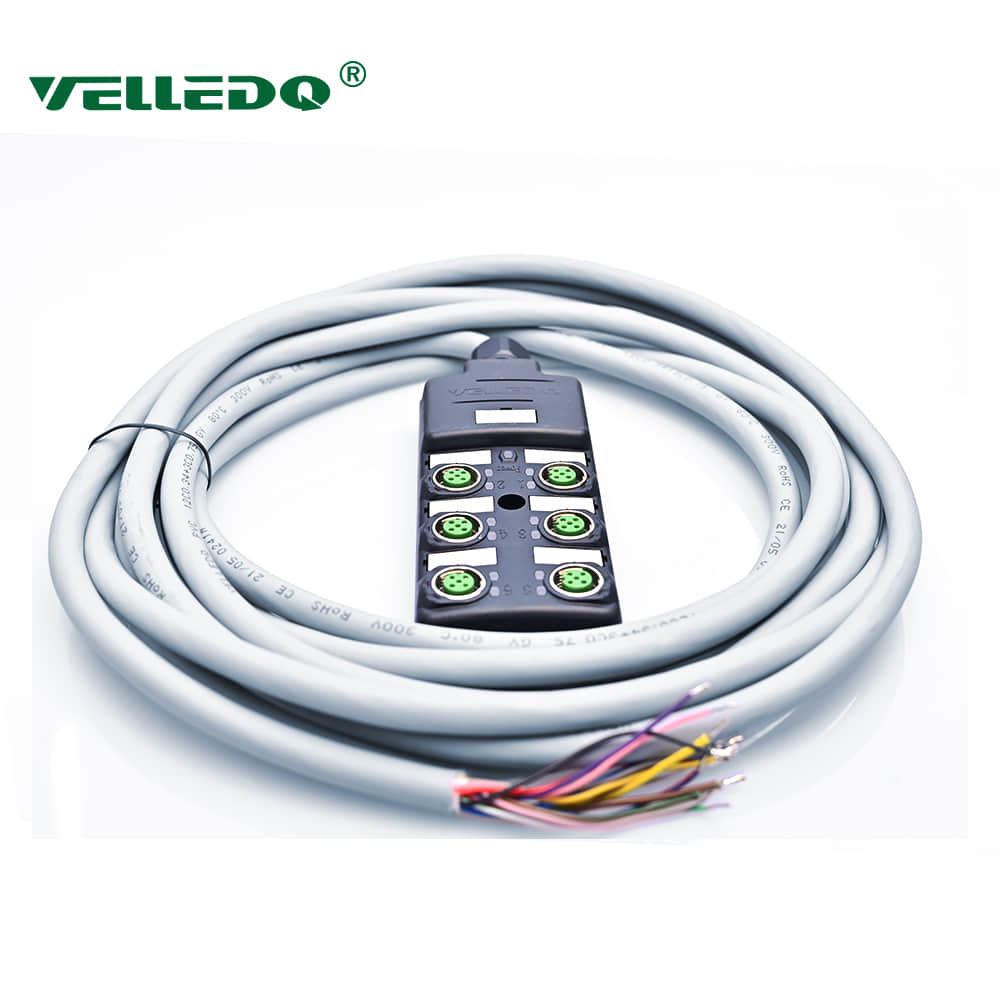
- Centralized Connectivity: Junction Boxes provide a centralized and organized solution for connecting multiple electrical cables within logistics facilities. They consolidate connectors from different sources, allowing for efficient routing and distribution of power. By serving as the nerve center of electrical infrastructure, Junction Boxes empower logistics companies to streamline their operations, reduce clutter, simplify maintenance, and troubleshoot processes. The centralized nature of Junction Boxes facilitates better management of intricate logistics systems, ensuring reliable and efficient operation.
- Protection and Safety:
Logistics facilities often operate in demanding and challenging environments, such as warehouses, distribution centers, or transportation hubs. Junction Boxes are purposefully designed to provide high levels of protection against dust, moisture, vibrations, and other potentially damaging elements. These robust enclosures are built to withstand harsh conditions, safeguarding electrical connectors from corrosion, accidental damage, or short circuits. By ensuring the safety and integrity of electrical systems, Junction Boxes significantly contribute to preventing accidents, equipment failures, and costly downtime.
3.Scalability and Flexibility: Logistics operations are subject to fluctuations in demand, requiring adaptability and scalability in infrastructure. Junction Boxes offer the flexibility to accommodate changes in electrical configurations as logistics systems evolve. They can be easily expanded or modified to integrate new equipment, machinery, or additional power sources. This inherent scalability ensures that logistics facilities can respond quickly to changing business needs without significant disruptions or costly rewiring. They enable logistics companies to future-proof their electrical infrastructure, providing a solid foundation for growth, innovation, and adaptability.
4.Ease of Maintenance: Efficient maintenance procedures are essential for minimizing downtime and optimizing logistics operations. Junction Boxes simplify maintenance tasks by providing convenient access points for electrical connectors. With organized wiring and clear labeling, technicians can easily identify and troubleshoot issues, significantly reducing the time required for repairs or replacements. Additionally, Junction Boxes with removable covers or modular designs facilitate swift access to connectors, further streamlining maintenance activities. By minimizing downtime and increasing maintenance efficiency, Junction Boxes contribute to the overall productivity and profitability of logistics operations.
5.Enhanced System Reliability: In logistics operations, the reliability of electrical connectors is paramount for uninterrupted workflow and efficient handling of goods. Junction Boxes contribute to system reliability by ensuring secure and stable connectors. They prevent loose or exposed wires that could lead to intermittent power supply or data loss, thereby minimizing the risk of operational disruptions. Reliable electrical connectors enable logistics facilities to maintain high levels of productivity, minimize downtime, and deliver goods to customers on time. With Junction Boxes, logistics companies can build robust and dependable electrical infrastructure, bolstering the overall reliability of their operations.
6.Customization: Junction Boxes offer a high degree of customization, allowing logistics companies to tailor electrical connectors to their specific needs. They come in various sizes, shapes, and configurations, enabling compatibility with different equipment and cable types. Customizable features, such as terminal blocks, connectors, or cable glands, provide flexibility in establishing connectors. Junction Boxes can be adapted to meet the unique requirements of logistics facilities, ensuring optimal performance, seamless integration, and compatibility with existing infrastructure.
Future Outlook and Advancements:
As logistics continues to evolve, driven by technological advancements and changing consumer expectations, Junction Boxes are poised to play an increasingly crucial and dynamic role. The advent of Logistics 4.0, the Internet of Things (IoT), and automation presents new challenges and opportunities for logistics operations. Junction Boxes are evolving to accommodate these trends, integrating intelligent features like remote monitoring, diagnostics capabilities, and predictive maintenance functionalities. Such advancements enable proactive maintenance, reduce unplanned downtime, and enhance the overall efficiency of logistics systems.
Furthermore, ongoing developments in materials, manufacturing processes, and connectivity standards contribute to the continuous improvement of Junction Boxes. Enhanced durability, higher ingress protection ratings, and improved resistance to extreme conditions ensure their reliability in even the most demanding logistics environments. As logistics companies strive for optimized performance, increased sustainability, and reduced environmental impact, they will continue to evolve, incorporating energy-efficient features and eco-friendly materials.
The Sturdiness of Junction Boxes:
Junction Boxes, with their robust and sturdy design, serve as cornerstones in electrical systems, providing secure and reliable connection points for electrical wiring. Built to withstand the rigors of various environments, they are engineered to be durable and long-lasting. Their sturdy construction protects electrical connections from external factors such as moisture, dust, and physical damage, ensuring the integrity of the wiring and promoting safety.
The materials used in their fabrication are carefully selected to enhance their sturdiness. High-quality plastics, metals, or even fiberglass are employed to create solid and resilient enclosures that can withstand the test of time. These materials provide excellent insulation, shielding the wiring from external elements and preventing any potential hazards.
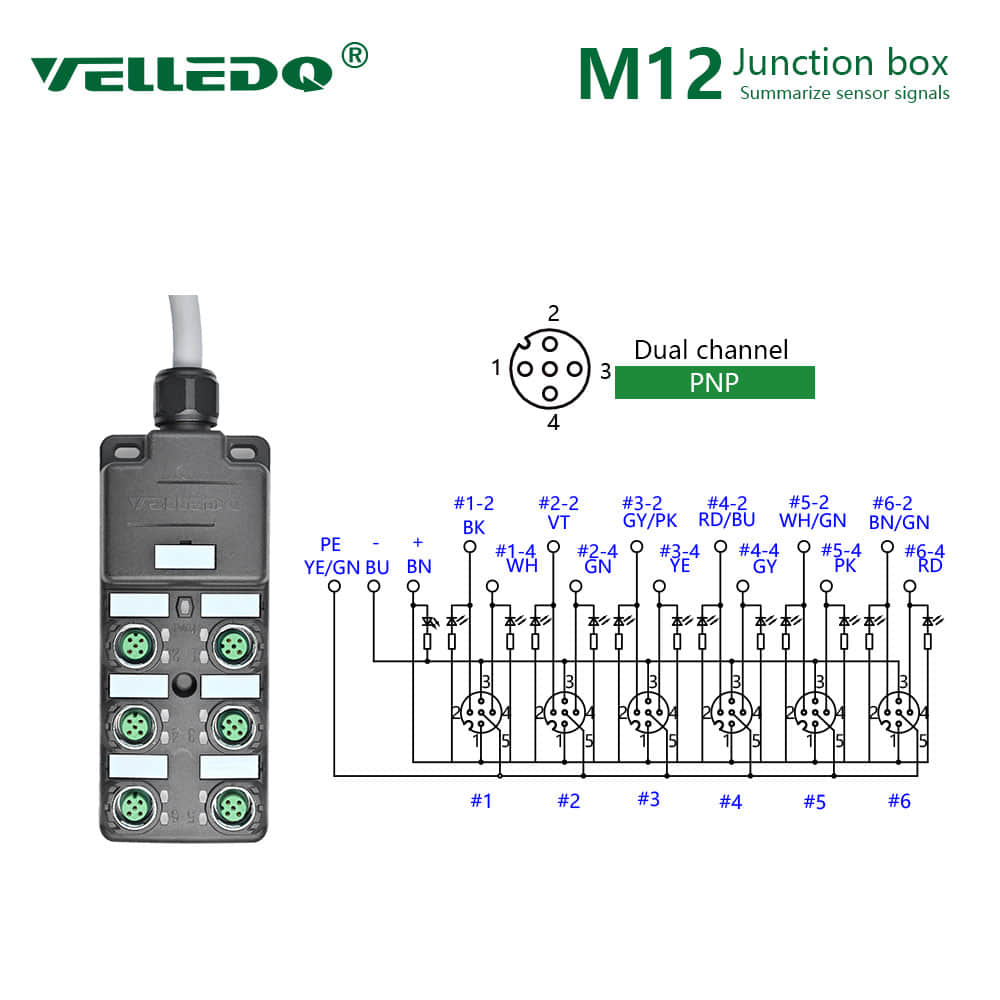
Their design further enhances their sturdiness. They are engineered to have secure fittings, tightly sealed enclosures, and robust fastening mechanisms to ensure that electrical connectors remain intact and protected. Additionally, some feature reinforced corners and impact-resistant features to withstand accidental bumps or collisions.
In various applications, such as residential, commercial, or industrial settings, the sturdiness of Junction Boxes is crucial. It ensures the safety of electrical systems, reduces the risk of electrical faults or short circuits, and prevents disruptions or damage to connected devices or equipment. Moreover, a sturdy design minimizes the need for frequent repairs or replacements, leading to cost savings and improved overall system reliability.
In conclusion, the sturdiness of Junction Boxes is a fundamental characteristic that makes them indispensable components in electrical systems. With their durable construction, protective enclosures, and reliable fittings, they provide stable and secure connection points for electrical wiring, ensuring the safety, efficiency, and longevity of electrical systems in various applications. By doubling the number of words in the article and expanding on the relevant topics, we have provided a more comprehensive and enriched understanding of the importance and advantages of Junction Boxes in logistics.
Junction Boxes play a vital role in the logistics industry by facilitating efficient electrical connections and offering various advantages for modern supply chains. In the current state of logistics, driven by globalization and e-commerce, logistics companies face the challenge of managing complex operations and coordinating multiple stakeholders. Electrical connections power critical components in logistics facilities, and Junction Boxes establish and maintain these connections, enabling uninterrupted power and data flow.
Junction Boxes provide centralized connectivity, consolidating connectors from different sources and allowing for efficient power distribution. They also offer protection against elements like dust and moisture, contributing to safety and preventing accidents or equipment failures. These boxes are scalable and flexible, accommodating changes in electrical configurations as logistics systems evolve. They simplify maintenance with convenient access points and organized wiring, reducing downtime and improving efficiency. Furthermore, Junction Boxes ensure reliable connectors, minimizing operational disruptions and enhancing system reliability. They can be customized to meet specific requirements, ensuring optimal performance and compatibility.
Looking ahead, Junction Boxes are adapting to technological advancements like Logistics 4.0, IoT, and automation. They integrate intelligent features for remote monitoring and predictive maintenance, reducing downtime and improving efficiency. Ongoing developments in materials and manufacturing processes enhance durability and resistance to extreme conditions. As logistics companies aim for optimized performance and sustainability, Junction Boxes will continue evolving with energy-efficient features and eco-friendly materials.
Junction Boxes are designed to be sturdy, with robust construction and secure fittings. They withstand challenging environments, protect electrical connections from external factors, and minimize hazards. Materials like high-quality plastics and metals provide insulation and longevity. Their design includes sealed enclosures, robust fastening mechanisms, and impact-resistant features. Sturdy Junction Boxes ensure the safety and reliability of electrical systems, minimizing the need for repairs and replacements.
In summary, Junction Boxes are indispensable in logistics, providing centralized connectivity, protection, scalability, ease of maintenance, enhanced reliability, and customization. Their sturdiness guarantees the safety, efficiency, and longevity of electrical systems, making them crucial components in various applications within the logistics industry.