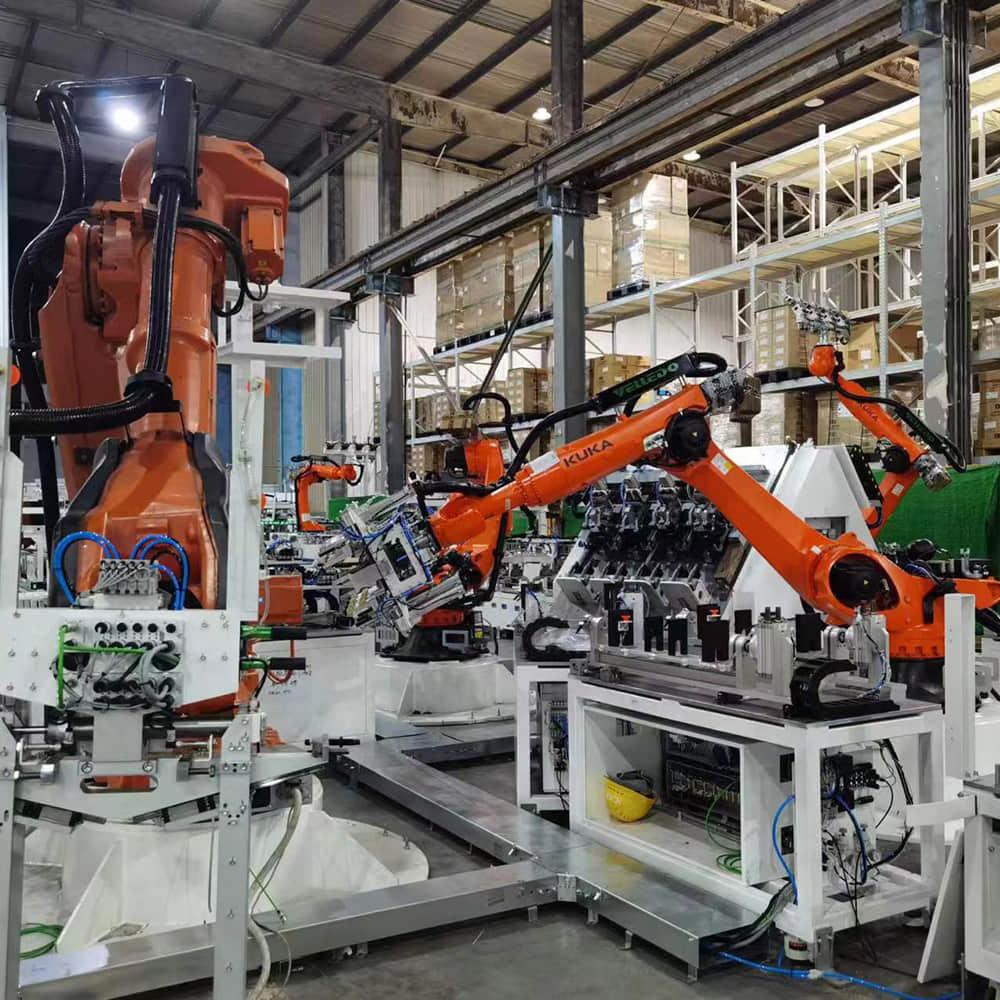


Mechanical arm is a very widely used mechanical device, which can be seen in industrial manufacturing, medical treatment and other fields. In addition to fixed robotic arms, mobile robotic arms are also widely used in the industrial field because of the advantages of flexible mobility and multi-scenario applications. In addition to greatly improving production efficiency, robotic arms can also replace personnel working in more harsh and dangerous operating environments, with outstanding advantages.
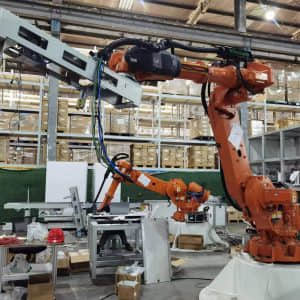
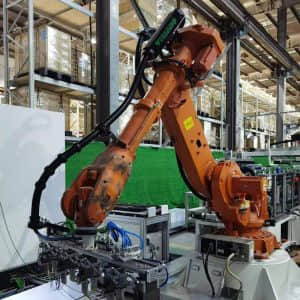
Of course, The combination of Mechanical arm and robotic packing is not a simple platter, but an organic combination of the two and collaborative cooperation. The mobile robot arm is a relatively complex intelligent mechanical equipment, which integrates high-tech technologies such as sensing technology, machine vision, precision machinery manufacturing, transmission technology, control technology and even artificial intelligence AI, and finally achieves accurate positioning to a certain point in three-dimensional (or two-dimensional) space under the guidance of instructions.
 The technology of the mobile robot arm is very complex and the system is very large, but no matter what kind of robot arm, industrial robotic packing will be used to improve the efficiency of the design and improve the convenience and efficiency of personnel operation during the assembly, disassembly and replacement process. Velle Electric, a professional manufacturer of waterproof industrial robotic packing in China, with the quality effect and quality service of products, its series of industrial robotic packingare widely used in all walks of life equipment and devices. In the field of mechanical arm application, Velle Electric has a successful application case.
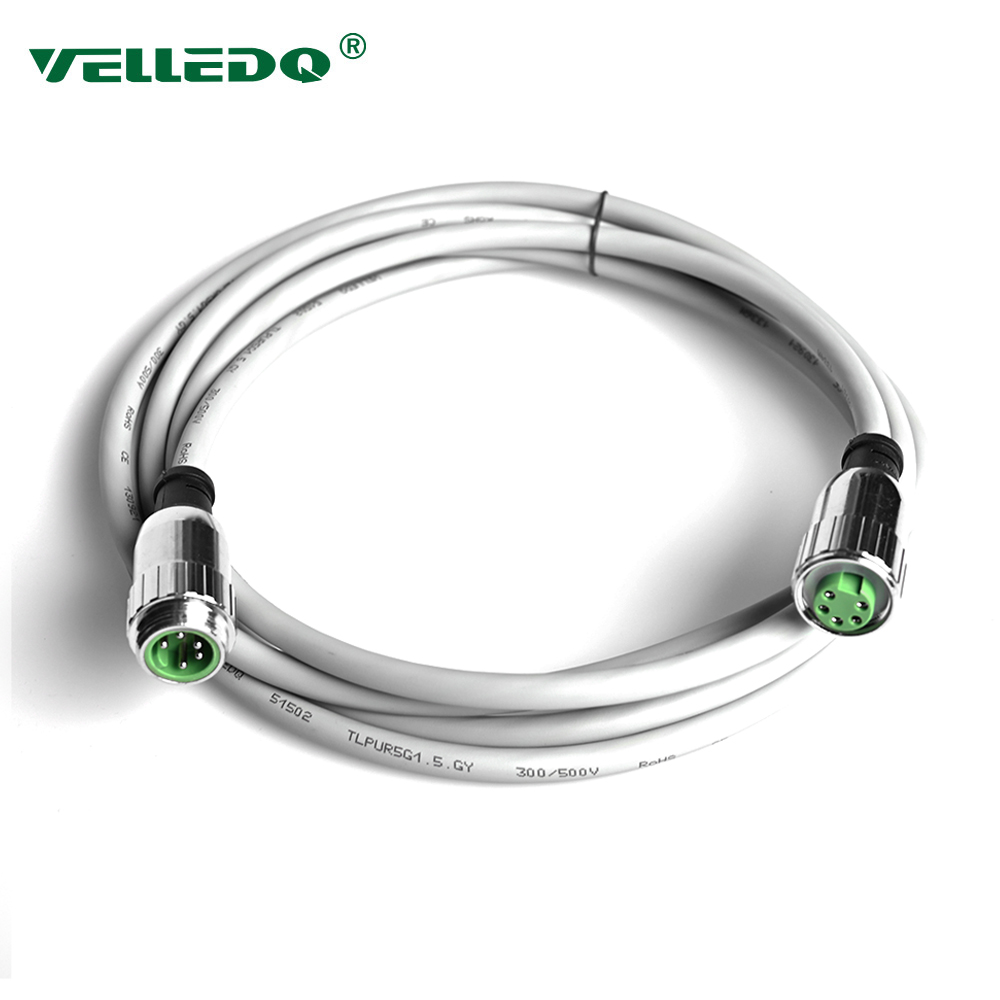
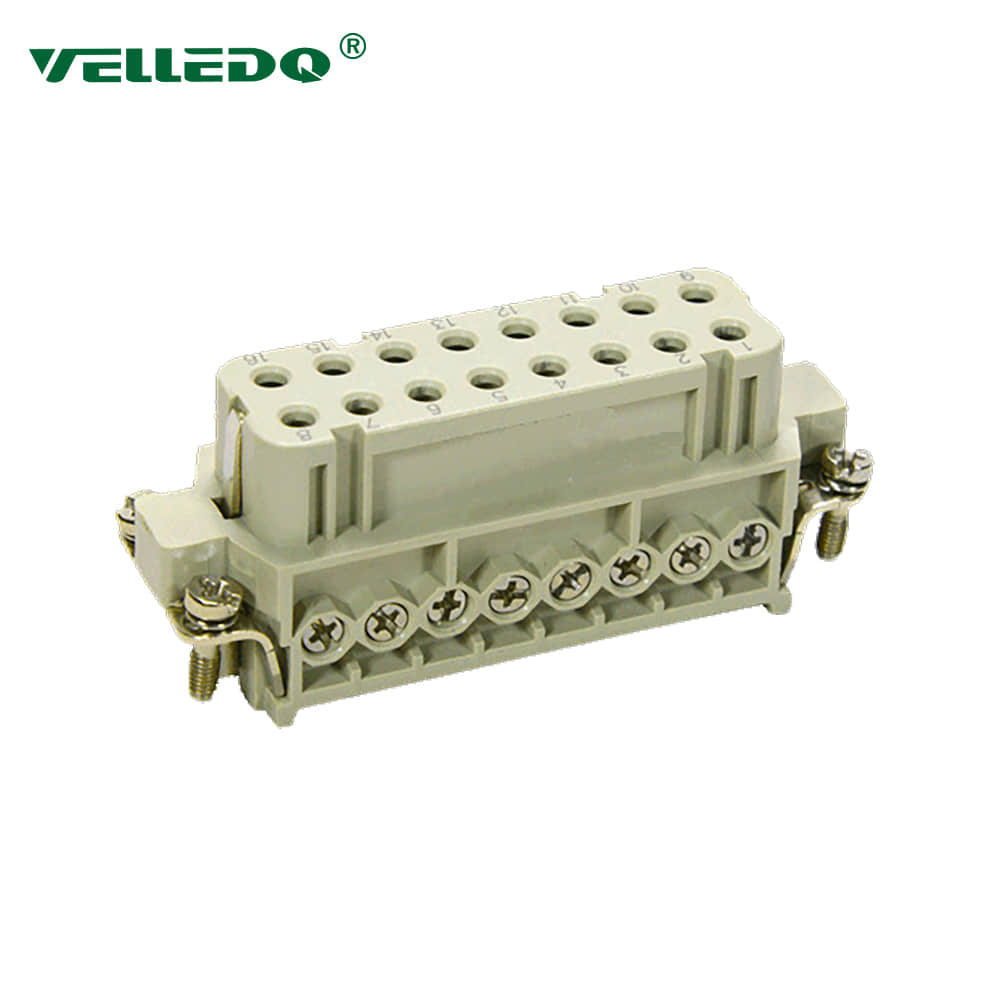
Then, the robotic packing system of Velle meet the technical requirements of users’ mobile robotic arms. Where are the main performance? 1, powerful anti-vibration function of robotic packing system
In the process of working or moving, the mobile robot arm is bound to be in a state of vibration or turbulence, the anti-vibration requirements of the connector socket are high, there is no loosening or poor contact and other phenomena, the industrial connector of Lingke Electric uses screws and the user’s mobile robot arm body is fixed, there will be no loosening or any damage to the connector under the above conditions;
2, strong corrosion resistance of robotic packing system
The industrial connector of Linke Electric adopts PBT corrosion resistant material, stronger salt spray corrosion resistance, integrated structural design, high-level waterproof level, after the waterproof cover is closed, it can effectively avoid the impact of the mobile robot arm in the operation of the harsh industrial environment on the socket part;
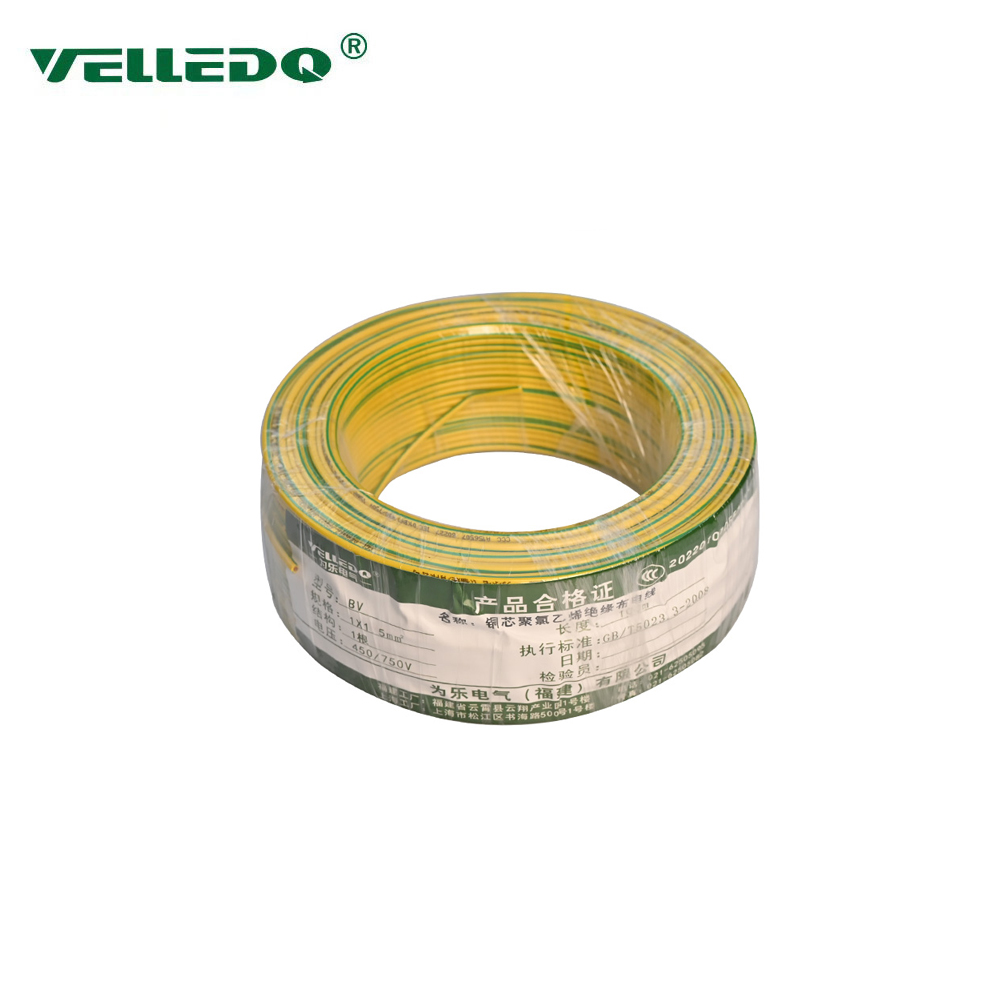
robotic packing system is a product that bundles multiple wires together and makes customized processing according to specific needs. There are a few basic requirements to be aware of when making a wire harness:
The quality of the wire of robotic packing system: The performance of the wire harness is mainly determined by the quality of the wire contained in it. Wires should meet national standards, and need to consider the use of the environment, working temperature, voltage and other factors when selecting.
The size of the wire harness of robotic packing system: The size of the wire harness should be designed and processed according to the specific application scenario and equipment requirements. It is necessary to ensure that the size and shape of the wiring harness can accommodate the space requirements of the equipment and can be easily installed and maintained.
Appearance of the wire harness of robotic packing system: The appearance of the wire harness should be beautiful and clean, and it needs to be processed and assembled in accordance with the design requirements. The wires on the harness should be arranged neatly, the length is consistent, and there should be no knots, entanglement and other phenomena.
Wire harness durability of robotic packing system: The wire harness should be durable and able to work stably for a long time. The harness needs to be tested for durability to ensure it can withstand mechanical, chemical and temperature impacts.
Wiring harness security of robotic packing system: The wiring harness must meet the safety requirements to ensure that it does not pose safety risks to operators and devices during normal use or failure.
(1) Detailed structure of robotic packing wiring
The external robotic packing wiring is used for production where flexibility and complexity of the wrist movement is not required, the connection points are located on the side of the upper arm and the upper arm, the cables and hoses are wired along the upper and lower arms via clamps and brackets, and there is an adjustable bracket above the upper arm that can be adjusted to shorten or extend the cable, avoiding interference in rotation when the robot moves.
Through these fixed brackets from the external line can be very fast and accurate removal/replacement of the complete robotic packing, can minimize the downtime in production, flexibility, assembly, etc., are very good, but have to admit that this situation occupies a large space, commissioning, installation site and operating space need to give concessions.
(2) External wiring of robotic packing with retractable function
The robotic packing is routed on the outside of the upper arm, which has a retraction function compared to the external line, which can keep the cable close to the arm during the movement, rather than leaving space to form interference. This makes the cable relatively compact and suitable for situations that require moderate wrist movement.
(3) Integrated internal wiring of robotic packing
This type of of robotic packing provides a high standard of flexibility for the operation of complex wrist movements. In this structure, the robot’s process cable is wired inside the upper arm and through the robot wrist, and the cable follows every movement of the robot arm, rather than swinging in an irregular manner, which makes the cable stronger inside, reducing wear, while avoiding the effects of welding splashes, heat and collisions. Since there are no external cables, this makes the wrist more compact and easy to arrange in tight Spaces.
robotic packing assembly
When the body is wired, more fireproof cloth is used to wrap the body sheet metal, and rubber lined hoop or wire clamp is fixed on the body sheet metal, rather than using bellows, hoses, etc., which can make the body wire harness more compact, stick to the fuselage, and ensure the maximum use space of the robot.
The bellows of robotic packing are the first line of defense to protect the fill pack, and the bellows cover most of the length of the cable and hose, starting from the bottom plate under shaft 1 to the outlet of shaft 6. The most widely used material is polyamide (PA12). Plastics (PV), polyurethanes (PU) and other materials can be used depending on the environment and/or application. To avoid catastrophic failure and unnecessary exposure to the fill pack, it is important to allow sufficient slack.
There are three types bellows use in of robotic packing, one is a common plastic bellows, one is a corrugated hose, and one is a Triflex tube. Bellows/bellows have the following characteristics compared with Triflex pipes. However, at present, the common way in China is to use a bellows and a regulating mechanism, so that the wiring harness and the regulating mechanism are relatively static, and the length is reserved on the regulating mechanism to match the movement of the mechanical arm.
In order to avoid the friction and sliding of the cable in the corrugated tube, the connection method of the fixed base is usually used to separate the single strand of the wire harness, and then wrap the cable head with the connection inner clip, and finally fix the fixed base. Usually, the friction ball is installed in the easy friction position as a vulnerable protection.
Robotic packing layout
In the arrangement, the current optimal way is to divide the six-axis robot into three parts: the sixth axis to the third axis; Third to second axis; Axis two to axis one. Dividing the pipe package into three shorter sections, rather than wrapping it in one piece from one shaft all the way to six, prevents it from winding, hanging on the machine, or wrapping around the machine, and minimizes pressure on the cables and hoses.