
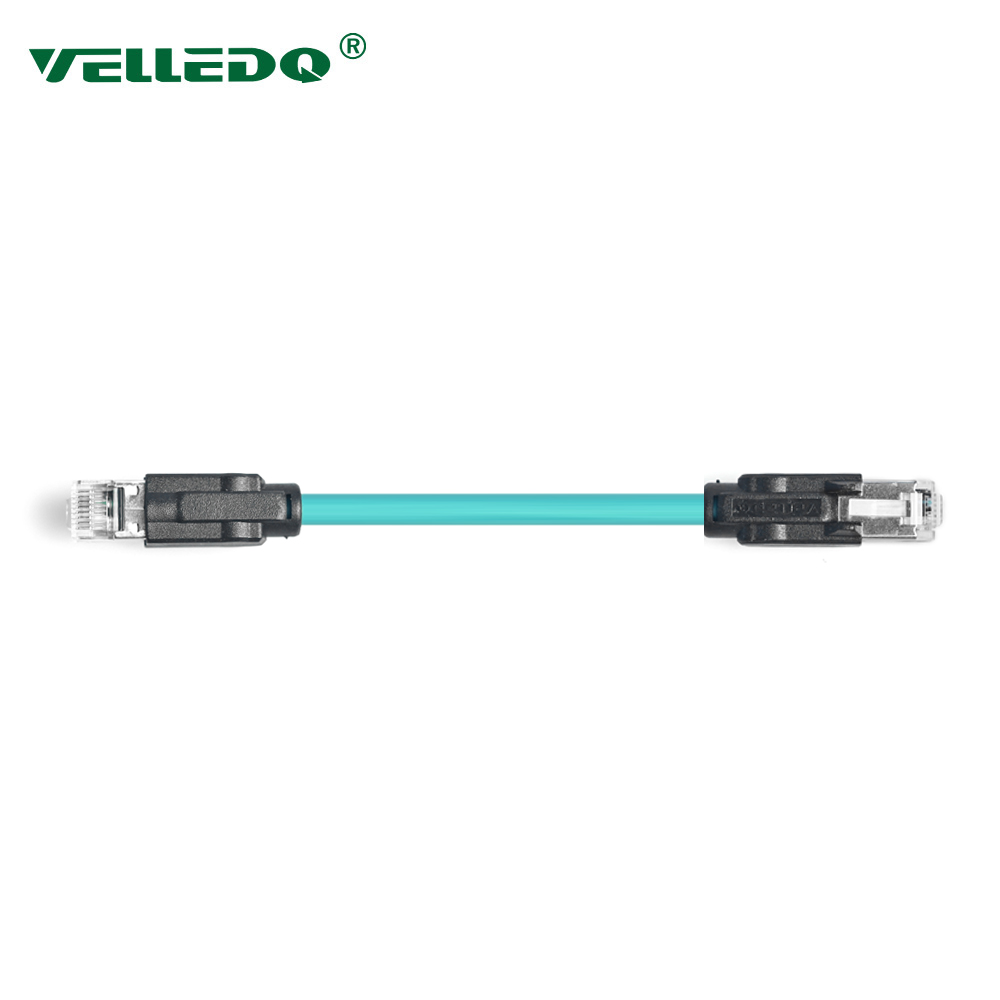
The necessity for effective and trustworthy communication inside automated systems is critical in the quickly changing industrial environment of today. Industrial communication networks, usually referred to as industrial field buses, have become a key technology for facilitating smooth data transfer and real-time control across diverse industrial equipment and components. The RJ45 connector cable, which offers a safe and adaptable solution for data transfer in a variety of industrial applications, is essential to this reliable network structure.
Getting to Know Industrial Field Bus:
An industrial automation system’s field devices, controllers, sensors, and actuators are connected via a communication network called the industrial field bus. It allows for the interchange of data, the issuance of control instructions, and the retrieval of information, enabling the coordinated and synchronized functioning of numerous components within an industrial setting. The Industrial Internet of Things (IIoT) and Industry 4.0 projects are supported by the field bus, which enables facilities and factories to achieve better degrees of automation, increased process efficiency, and improved data visibility.
Industrial field buses provide many benefits.
Real-time Communication: Industrial field bus networks make real-time communication possible by enabling immediate data transmission between equipment. In automated processes that need prompt decision-making and synchronization amongst linked components, this real-time capacity is essential.
Scalability: Industrial field bus systems are scalable, making network extension simple when an industrial setting expands or changes. This adaptability makes sure that the communication infrastructure may change with the times without interfering with overall performance.
Cost-effectiveness: By eliminating the need for individual point-to-point connections, industrial field bus networks minimize the total cost of installation and cabling. Multiple devices may share a single bus, simplifying the network and maximizing resource efficiency.
Enhanced Diagnostic Capabilities: Field bus protocols often include diagnostic and monitoring tools that let users evaluate the performance and health of linked devices in real-time. The downtime is reduced and system dependability is increased with this preventative maintenance strategy.
Simplified Integration: Industrial field bus systems make it easier to integrate various devices from various manufacturers by using standardized communication protocols. This compatibility encourages a vendor-agnostic environment, enabling businesses to choose the components most suited to their unique requirements.

Application
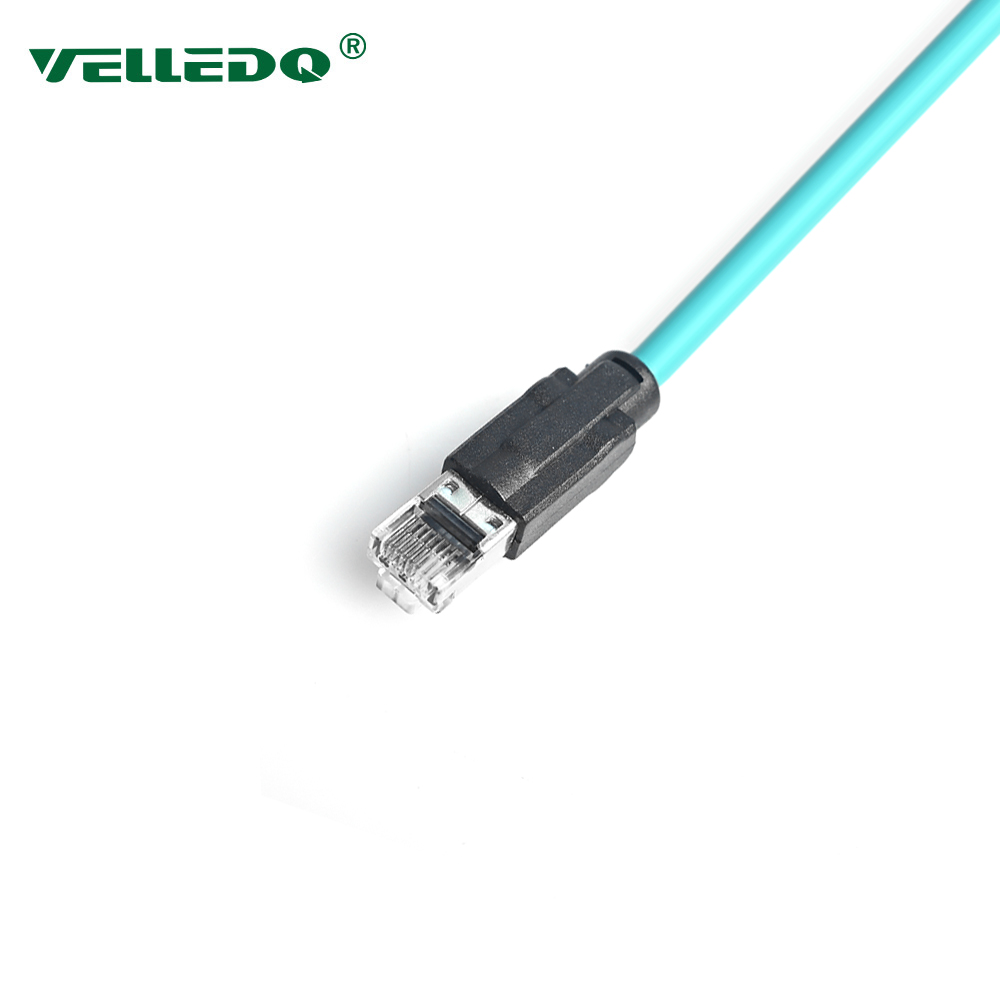
Modern industrial field bus systems are built around the specialized use of RJ45 connector cable for Ethernet-based field bus communication. Due to its high-speed data transmission capabilities, dependability, and interoperability with current IT infrastructure, Ethernet has emerged as the industry standard for industrial communication. The crucial component that permits the smooth integration of Ethernet-based field bus networks in industrial automation settings is the RJ45 connection cable.Various industrial devices, including PLCs (Programmable Logic Controllers), sensors, actuators, HMIs (Human-Machine Interfaces), industrial Ethernet switches, and other networked equipment, are connected reliably using RJ45 connector cable in Ethernet-based field bus communication. Even in severe industrial settings with fluctuating temperatures, dust, moisture, and mechanical stress, the RJ45 connector cable’s durable construction and secure locking mechanism assure continuous and ongoing communication.Their interoperability with regular Ethernet cables is one of the main benefits of employing RJ45 connector cable in Ethernet-based field bus communication. The well-known Ethernet interface streamlines deployment and decreases the need for specialized wiring, making installation easier and more affordable. Interoperability is supported by the adoption of standardized Ethernet connections, which enables businesses to smoothly incorporate equipment from several manufacturers into one network.The ability of the RJ45 connector connection to transmit data at a fast speed is also crucial for managing the enormous volume of data produced by industrial field bus networks.
Real-time data is crucial for decision-making and process optimization in contemporary manufacturing and automation systems. Data is delivered quickly and correctly thanks to the RJ45 connector cable, allowing for fast management and monitoring of a variety of industrial operations.
Reliability is crucial in industrial field bus systems since any communication issue might result in exorbitant downtime and production halts. The RJ45 connector cable’s durable design and resilience to external elements provide a solid connection that can survive the demanding circumstances often seen in industrial applications. This dependability is especially important for sensitive applications where accuracy and safety are top priorities.
The flexibility of the RJ45 connector cable also includes compatibility for a variety of Ethernet protocols, such as Profinet, Modbus TCP, and the widely used Ethernet/IP. This versatility enables businesses to customize field bus communication to meet particular needs and applications, increasing the effectiveness and adaptability of industrial automation systems
In contemporary industrial field bus systems, the specialized use of RJ45 connector cable in sensor networks and data gathering is vital. Sensors are essential for gathering important information on temperature, pressure, flow, level, and other characteristics in industrial settings. Real-time monitoring, control, and decision-making in industrial processes all depend on these data points. The field bus network may be seamlessly connected to sensors and data collecting equipment with the help of the RJ45 connector cable, which also allows for effective data transfer to the central control system.The compatibility of RJ45 connector cable with conventional Ethernet cables is one of the main benefits of employing them in sensor networks and data gathering. Industrial field bus systems often use Ethernet-based communication because of its established protocols and high-speed data transfer capabilities.Real-time data collecting is essential in industrial field bus systems for process optimization and providing prompt reactions to changing circumstances. The RJ45 connector cable’s high-speed data transmission capabilities allow quick and precise data transfer from sensors to the central control system. Due to the ability of humans and automated systems to monitor and modify operations in real-time, productivity is increased overall and downtime is decreased.
The RJ45 connector cable’s adaptability also includes compatibility for a range of sensor kinds and protocols. The RJ45 connection cable may support many sensor configurations, whether they are analogue, digital, or smart sensors with multiple communication protocols, encouraging flexibility and adaptation in industrial data collecting.

For preserving the integrity of industrial processes and assuring safety, data acquisition reliability is essential. The secure locking system on the RJ45 connector cable prevents unintentional disconnections, lowering the possibility of disruptions in data transmission. The cable also offers a safe and noise-resistant connection thanks to its compatibility with shielded cables, protecting sensor data from electromagnetic interference and signal deterioration.A key component of contemporary industrial field bus systems is the unique use of RJ45 connector cable in sensor networks and data gathering. For connecting sensors and data collecting equipment in industrial settings, their compliance with standardized Ethernet connections, sturdy construction, and high-speed data transfer capabilities make them essential. The cable will continue to play a crucial role in boosting efficiency, productivity, and dependability in industrial automation and data-driven decision-making processes as businesses continue to embrace the advantages of real-time data capture and control.
Industrial field bus systems depend heavily on the specialized use of RJ45 connector cable for Human-Machine Interface (HMI) interaction. HMIs provide users a simple way to interact with equipment and processes used in industry. The ability to monitor, manage, and visualize data makes these interfaces crucial for effective and smooth industrial processes. The RJ45 connection cable is essential for attaching HMIs to the industrial field bus network and enabling dependable and quick data transfer between the operator interface and the control system.The RJ45 connector cable’s high-speed data transfer capabilities are very helpful for HMI connectivity. To provide operators current information and allow quick reactions to changing situations, HMIs need real-time data. The HMI and the central control system receive data quickly and precisely thanks to the RJ45 connector cable’s capacity to handle high data rates, which improves the overall responsiveness of industrial operations.The RJ45 connector cable’s adaptability also includes its compatibility for many Ethernet protocols, including Ethernet/IP and Profinet, which are often utilized in HMI communication. This versatility enables businesses to customize their HMI connection to meet their unique needs and applications, increasing the effectiveness and adaptability of the HMI interface.
In conclusion, current industrial field bus systems rely heavily on the specialized use of RJ45 connector cable for Human-Machine Interface (HMI) interaction. They are crucial for establishing dependable and effective connection between HMIs and the central control system because to their compliance with common Ethernet cables, sturdy construction, and high-speed data transfer capabilities. The adaptable RJ45 connector cable will continue to be an essential part of boosting productivity, safety, and smooth control in industrial automation as enterprises continue to emphasize real-time data visualization and operator engagement in industrial processes.