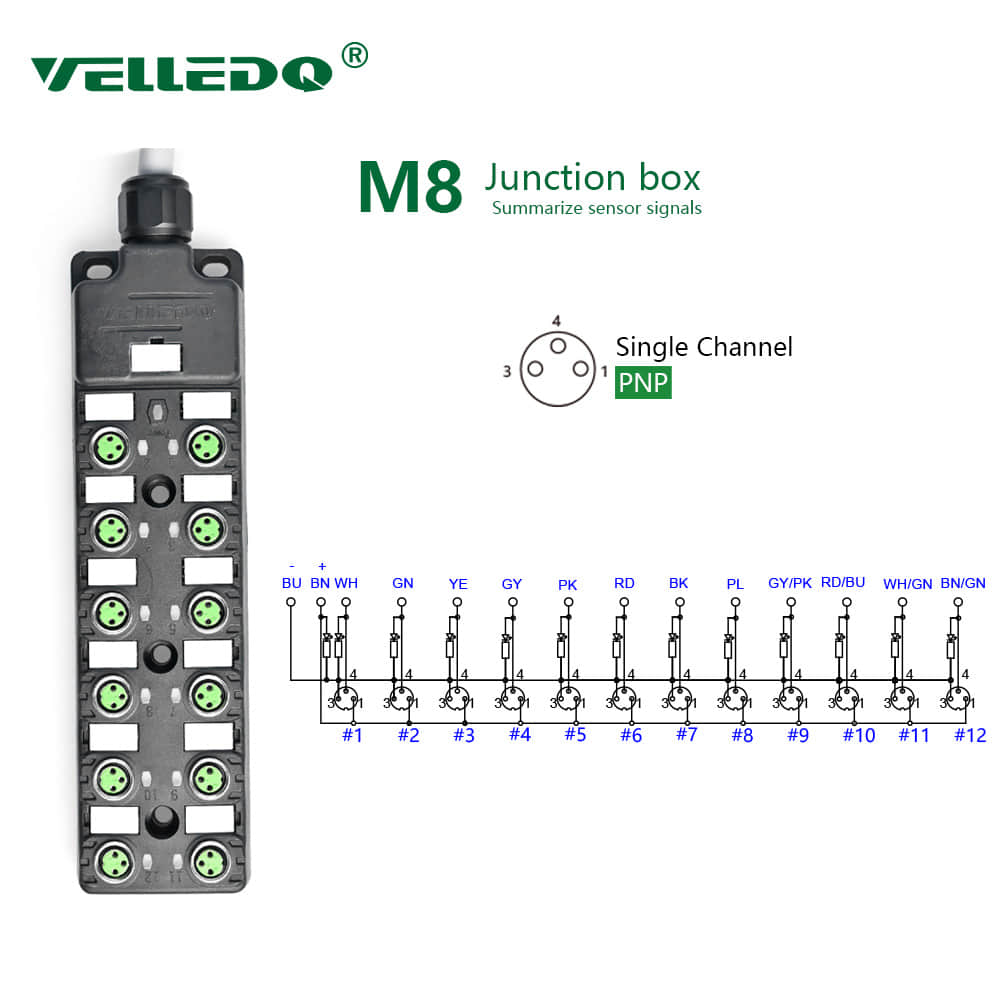
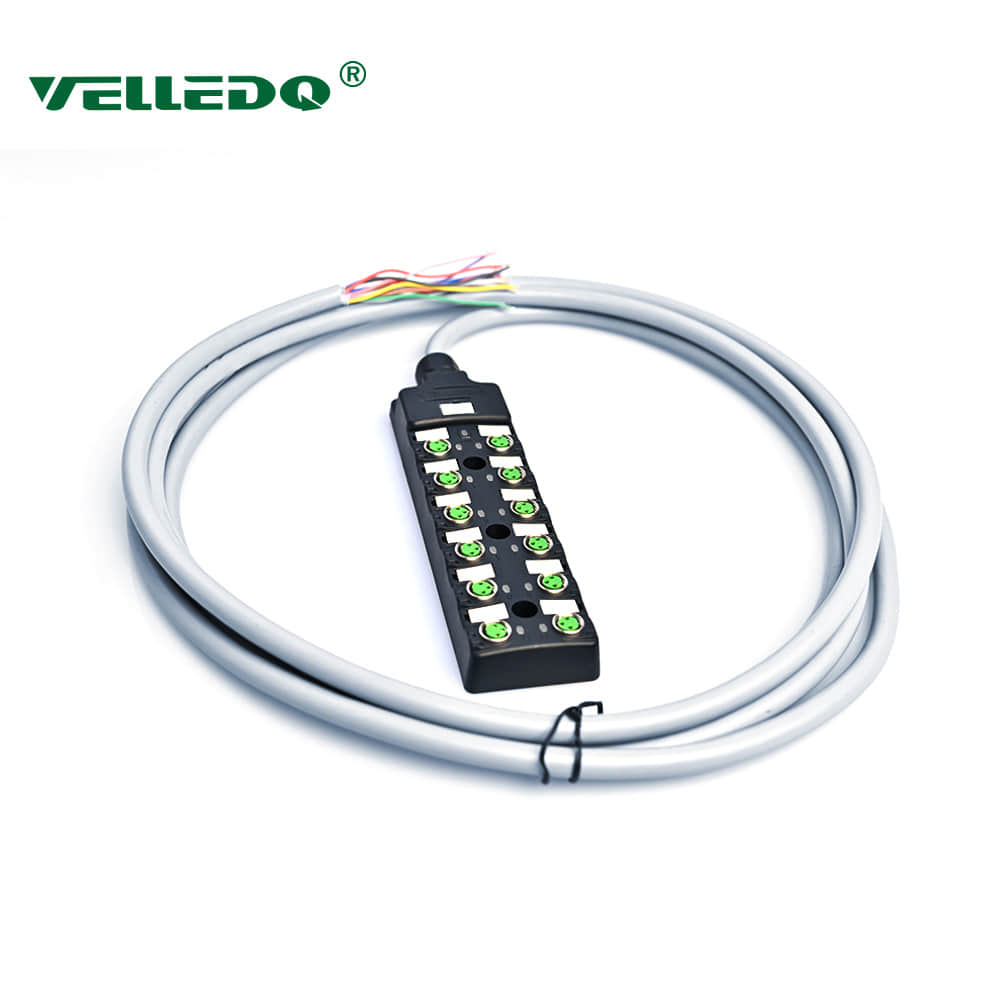

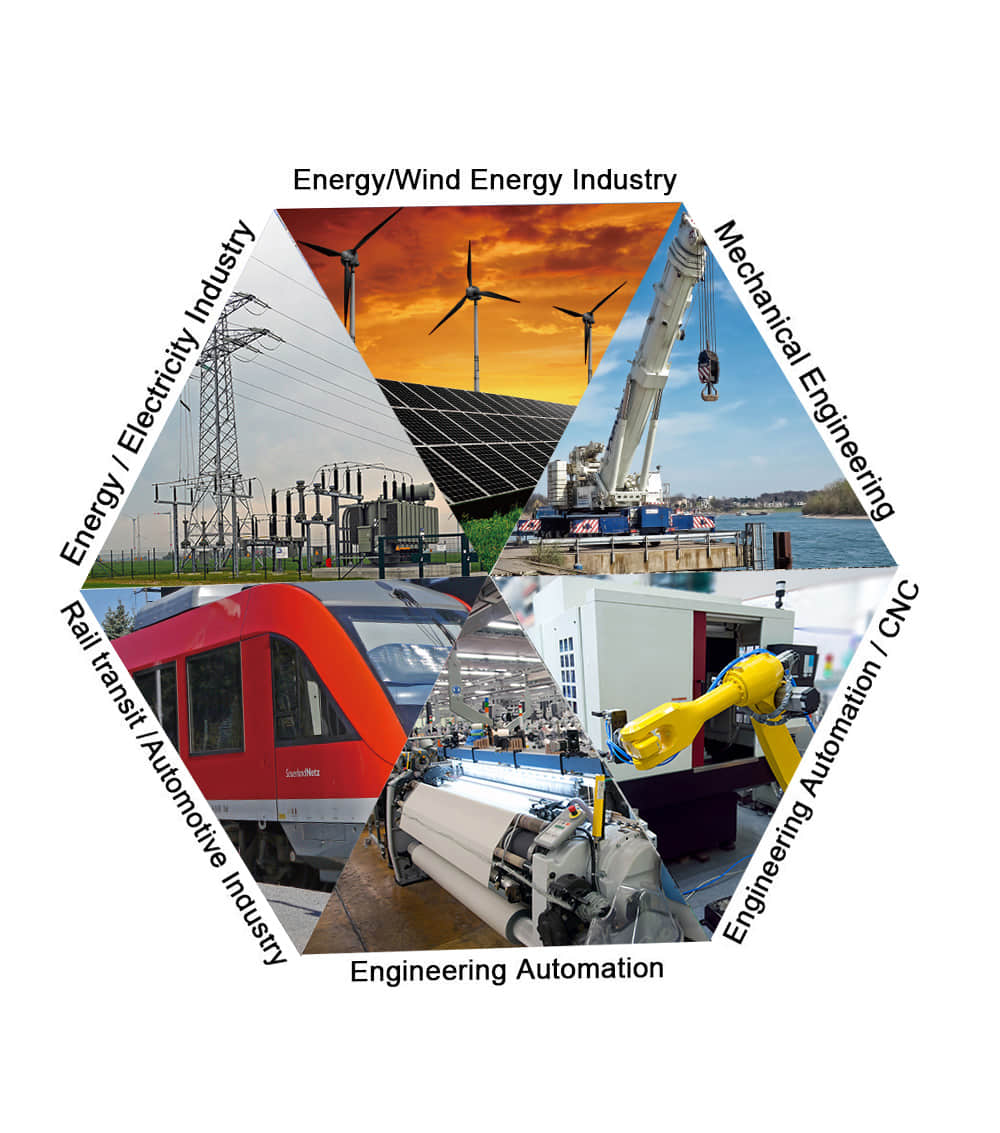
In the rail transit industry, wiring junction box play a crucial role in ensuring efficient and reliable electrical connections. These boxes provide a secure and organized environment for wire splicing and cable termination, offering several advantages that enhance the performance and safety of rail transit systems. In this article, we will highlight three key advantages of wiring junction box in the rail transit industry.
Enhanced Electrical Safety
One of the primary advantages of wiring junction box in the rail transit industry is their ability to enhance electrical safety. By enclosing wire connections, junction box minimize the risk of accidental contact with live wires, reducing the potential for electrical shocks or short circuits. Furthermore, they effectively contain electrical fires within the enclosure, preventing them from spreading and safeguarding critical rail transit infrastructure. Wiring junction box act as protective barriers, shielding cables from environmental factors such as moisture, dust, and vibration, which helps to maintain the integrity and longevity of electrical systems.
Efficient Wire Splicing and Cable Management

Wiring junction box provide a centralized and secure location for wire splicing and cable termination in rail transit systems. They enable the safe and reliable connection of multiple electrical wires, facilitating the installation and maintenance of electrical systems. By offering organized cable routing, junction box ensure tidy arrangements and easy accessibility for maintenance purposes. This streamlined cable management reduces the risk of tangled wires and simplifies troubleshooting processes. Wiring junction box also play a critical role in protecting cables from physical damage, prolonging their lifespan and contributing to the overall reliability of the rail transit system.
Flexibility and Adaptability
Another notable advantage of wiring junction box in the rail transit industry is their flexibility and adaptability. As rail transit systems evolve and expand, junction box can accommodate additional wiring connections, making them highly scalable. Whether it is the integration of new components or the modification of existing systems, junction box provide the necessary infrastructure for seamless integration. This adaptability reduces installation costs and minimizes disruptions to rail transit operations during system upgrades or expansions. Wiring junction box also facilitate future advancements in technology,
enabling the integration of intelligent systems such as IoT devices and condition monitoring sensors. These innovations enhance control, monitoring, and predictive maintenance of rail transit infrastructure, improving operational efficiency and passenger safety.
In the vast and complex rail transit network, a multitude of intricate electrical systems power the trains, stations, and infrastructure. These systems rely on efficient and reliable wiring connections to ensure seamless operations and passenger safety. Among the critical components that facilitate these connections and ensure their effectiveness are wiring junction box. These boxes serve as vital control centers for electrical wiring, allowing for the safe distribution of power and data throughout the rail transit system. In this comprehensive exploration, we will delve deeply into the role and significance of wiring junction box in the rail transit industry, highlighting their various types, functions, installation methods, maintenance considerations, and the extensive range of benefits they provide.
Understanding junction box
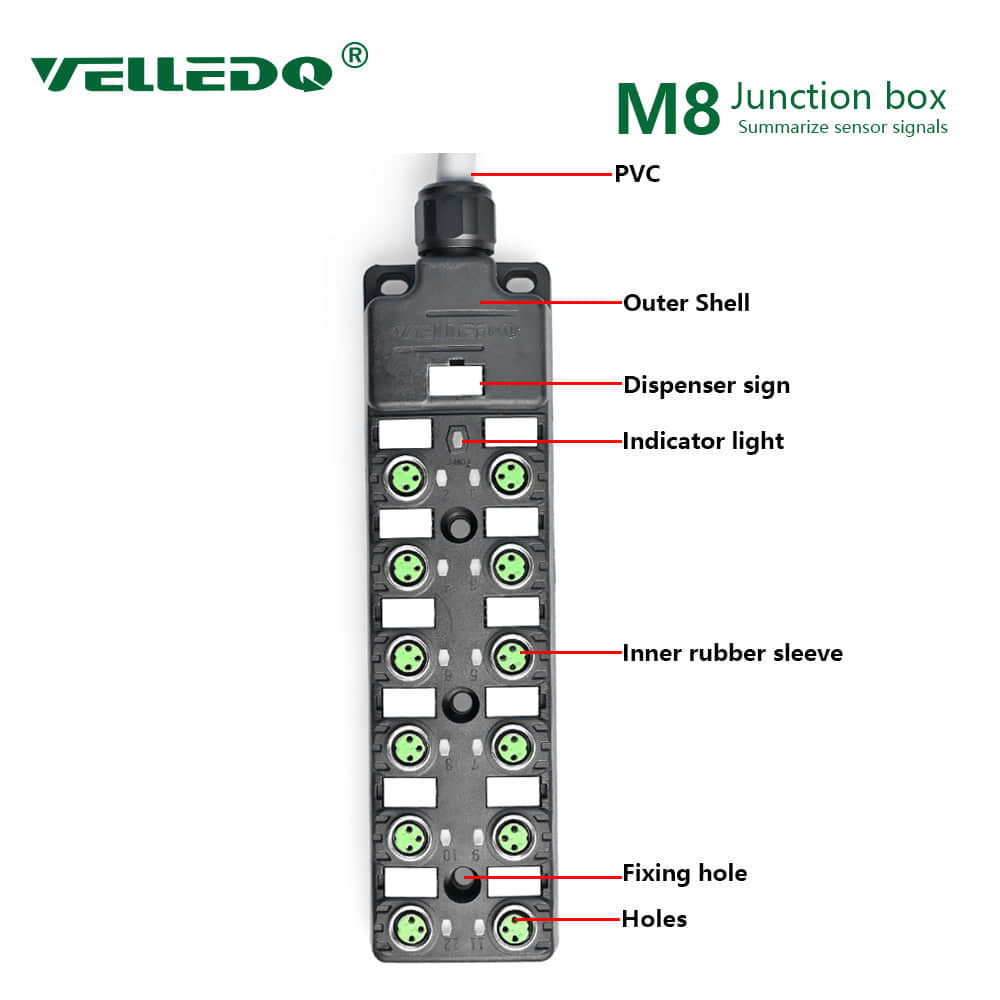
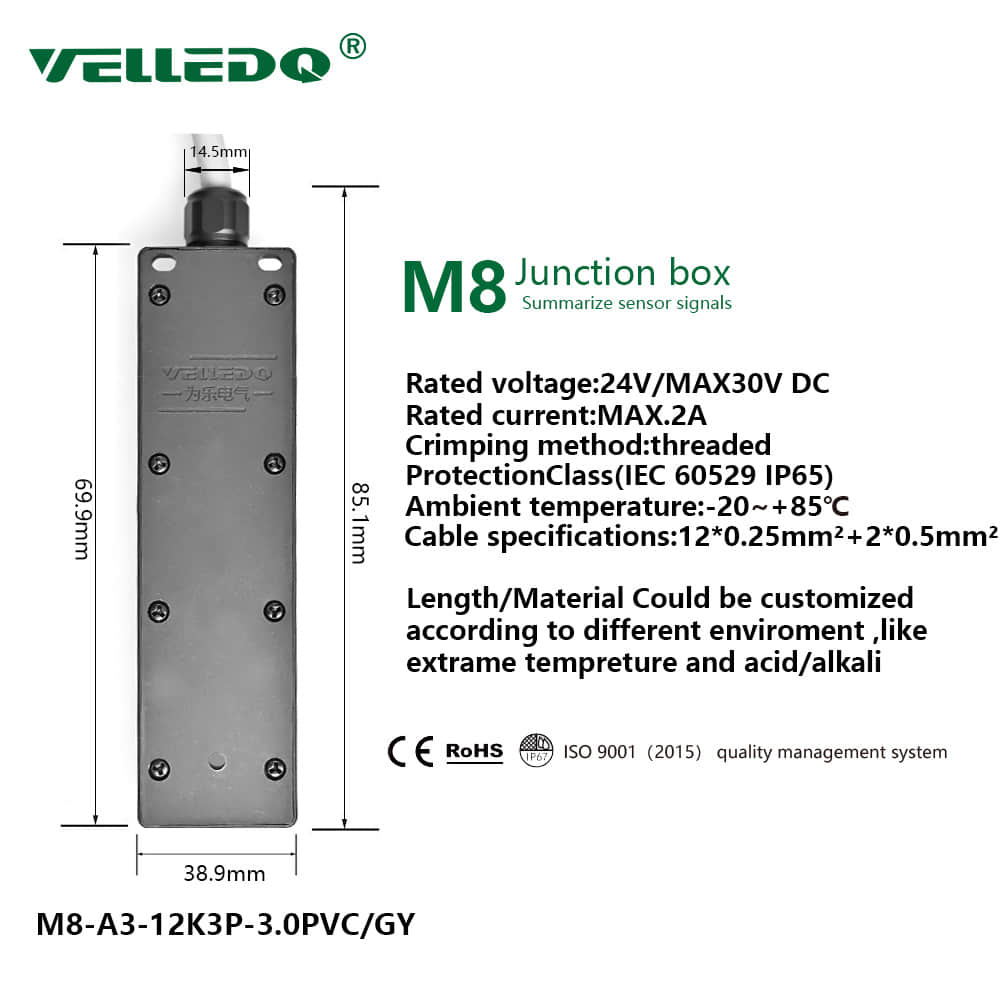
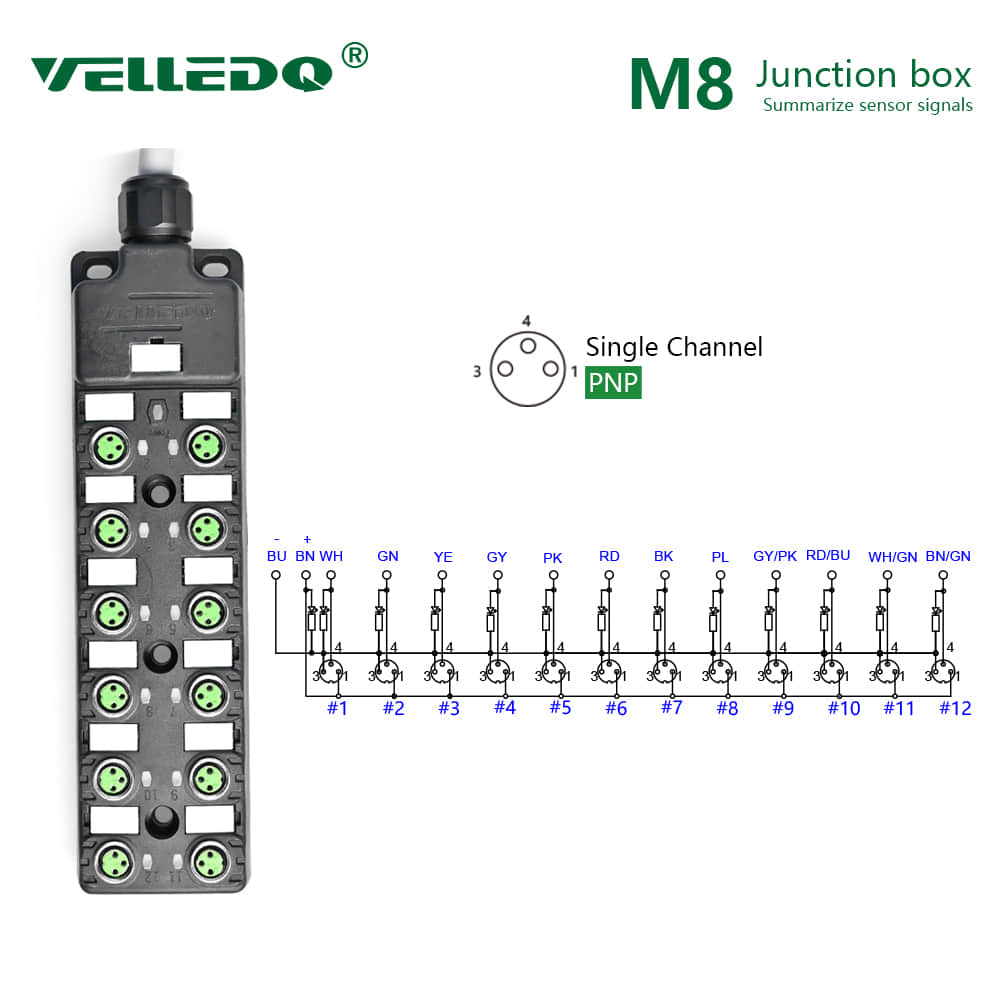
A wiring junction box, often referred to simply as a junction box, is an enclosure specifically designed to house and protect electrical connections such as wire splices and cable terminations. By providing a secure and protected environment, junction box safeguard these connections from damage, reducing the risk of electrical hazards and ensuring proper organization of the wiring infrastructure. junction box are available in various shapes, sizes, and materials, with each type tailored to suit specific applications and environments.
Types of Wiring junction box
2.1 Plastic junction box Plastic junction box have gained wide popularity in the rail transit industry due to their numerous advantageous features, including lightweight construction, cost-effectiveness, and exceptional durability. Typically fabricated from non-conductive thermoplastic materials like polycarbonate or ABS (acrylonitrile butadiene styrene), plastic junction box offer excellent insulation properties. Furthermore, they exhibit remarkable resistance to impact, corrosion, and UV radiation, making them well-suited for both indoor and outdoor rail transit applications.
2.2 Metal junction box Metal junction box, constructed from materials such as stainless steel or aluminum, provide robust protection and heightened fire resistance. These boxes are commonly employed in areas where there is an increased risk of mechanical damage or exposure to extreme temperatures. Metal junction box offer superior shielding against electromagnetic interference (EMI) and are frequently utilized in critical rail transit systems, such as signaling and power distribution, where reliability and durability are paramount.
Functions and Applications of Wiring junction box
3.1 Wire Splicing and Termination One of the primary functions of junction box is to serve as essential hubs for wire splicing and termination. By providing a safe and secure location for connecting multiple electrical wires, junction box facilitate the installation and maintenance of electrical systems in rail transit networks. These connections are crucial for a wide range of applications, including lighting systems, signaling systems, communications, and control circuits.
3.2 Cable Protection and Management Wiring junction box play a vital role in cable protection and management within the rail transit industry. They act as protective barriers, shielding cables from various environmental factors such as moisture, dust, and vibration. This protective measure helps to preserve the integrity and longevity of electrical systems. Additionally, junction box allow for organized cable routing, ensuring that cables are neatly arranged and easily accessible for maintenance purposes.
3.3 Ensuring Electrical Safety Safety is of utmost importance in the rail transit industry, and wiring junction box significantly contribute to electrical safety measures. By enclosing wire connections within the boxes, they minimize the risk of accidental contact with live wires, thereby mitigating the potential for electrical shocks or short circuits. Furthermore, junction box effectively contain electrical fires, confining them within the enclosure and safeguarding critical rail transit infrastructure.
Installation and Maintenance Considerations
4.1 Proper Installation Techniques The installation of wiring junction box requires adherence to specific guidelines and industry standards. Implementing proper installation techniques is essential to ensure reliable connections and long-term performance. Securely fastening cables, utilizing appropriate connectors, and maintaining proper wire insulation are crucial practices. Adequate grounding and bonding techniques should also be employed to minimize electrical noise and maintain the integrity of the entire system.
4.2 Routine Maintenance Procedures Regular inspection and maintenance of wiring junction box are necessary to uphold their optimal functionality and prevent potential failures. Routine maintenance procedures include checking for loose connections, inspecting for signs of corrosion or damage, and verifying proper cable management within the boxes. Identifying and promptly addressing any issues that arise is crucial to maintaining the overall reliability and safety of the rail transit system.
Benefits and Future Innovations
5.1 Enhanced Reliability Wiring junction box enhance the reliability of rail transit systems by providing a centralized and protected location for electrical connections.
This minimizes the occurrence of wiring faults and improves overall system performance. By ensuring the efficient distribution of electrical power and data, junction box reduce downtime and enhance passenger satisfaction.
5.2 Flexibility and Scalability One of the key advantages of junction box is their flexibility and scalability. They allow for easier modifications and expansions within the rail transit network as the system evolves and new components are integrated. junction box readily accommodate additional wiring connections, enabling seamless integration without compromising system performance. This adaptability reduces installation costs and minimizes disruptions to rail transit operations during system upgrades or expansions.
5.3 Integration of Advanced Technologies As the rail transit industry progresses, the integration of advanced technologies becomes increasingly vital. Wiring junction box serve as platforms for deploying intelligent systems, such as Internet of Things (IoT) devices and condition monitoring sensors. These advancements enable enhanced control, monitoring, and predictive maintenance of rail transit infrastructure, thereby improving operational efficiency and passenger safety.
Conclusion
Wiring junction box play an indispensable role in the rail transit industry by providing secure and efficient electrical connections. Their significance in wire splicing, cable protection, and electrical safety ensures the smooth functioning of rail transit networks. By understanding the different types of junction box, their functions, installation techniques, maintenance considerations, and the extensive range of benefits they offer, rail transit professionals can make informed decisions. As the rail transit industry continues to evolve, wiring junction box will continue to shape the future of rail transportation, facilitating reliability, scalability, and the integration of advanced technologies.